
When you buy a new set of sheets, you probably expect them to feel soft, smooth, and comfortable right away. But many people are surprised to find their new sheets feel scratchy or rough at first. This can be disappointing, especially if you spent extra money on a higher thread count or premium material. The good news is, scratchy sheets are a common problem, and there are clear reasons why it happens. Even better, there are practical solutions to make your bedding feel much softer and more inviting.
Understanding why sheets feel rough and learning how to fix the problem can change your sleep experience. With some simple steps and a bit of patience, you can transform stiff, scratchy sheets into the cozy, hotel-style bedding you really want.
Let’s explore the causes, common misconceptions, and the best ways to make your new sheets as comfortable as possible.
Why Do New Sheets Feel Scratchy?
Many people think that all new sheets should be soft right out of the package. This is rarely the case. The feeling of scratchiness comes from several factors, often depending on the material, the way the sheets are made, and the chemicals used during production.
Fabric Type Matters
The most common materials for sheets are cotton, polyester, linen, and bamboo. Each fabric has its own feel and qualities. For example, Egyptian cotton and Pima cotton are known for softness, but even these can feel scratchy if they are new. Polyester sheets often feel less natural and can be stiff, while linen is naturally rougher until it is broken in.
Example:
A 100% cotton sheet with a high thread count may still feel stiff because of the way the fibers are woven and finished. In contrast, a low-quality polyester sheet may always feel rough, no matter how many times you wash it.
Manufacturing Residue
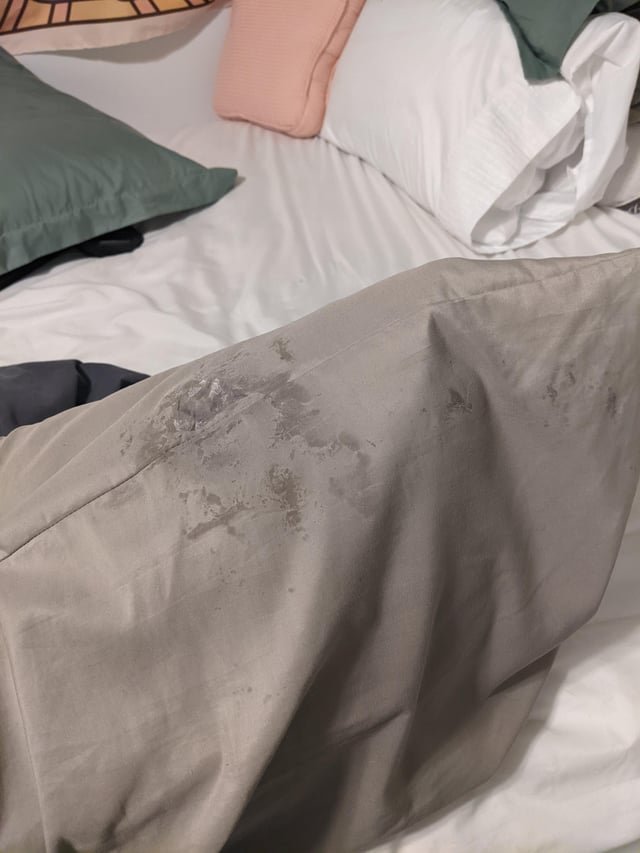
New sheets often have chemical finishes left from the factory. These chemicals are used to keep the fabric looking crisp and wrinkle-free in the packaging. Sizing agents, starch, and other treatments can make the fabric feel stiff and rough against your skin.
Weave And Thread Count
Some people believe a high thread count always means softer sheets, but that’s a myth. The weave type (percale, sateen, or twill) and the quality of threads are more important. Percale sheets, for example, have a crisp feel, while sateen is smoother. But both can feel scratchy if coated with finishing agents.
Short Fibers And Cheap Materials
Low-cost sheets often use short staple fibers. These fibers stick out from the fabric, causing a rough texture. Higher quality sheets use long staple fibers that lay flatter, resulting in a softer touch. Unfortunately, packaging often hides these details, so you may not know until you open and feel the sheets.
Not Washed Yet
Most new sheets need to be washed before use. The first wash helps remove surface chemicals, dust, and excess dyes. Skipping this step is a common mistake that can make new sheets feel even scratchier.
Common Myths About Scratchy Sheets
Many bedding myths make it harder to understand why your new sheets aren’t soft. Here are a few common misconceptions:
1. Higher Thread Count Always Means Softer Sheets
In reality, sheets above 400–600 thread count often use thinner or lower quality fibers.
2. Only Cheap Sheets Feel Scratchy
Even luxury sheets can feel rough at first if they have not been washed or if they have certain finishes.
3. All Cotton Sheets Are Naturally Soft
Cotton quality varies. Some cotton sheets use shorter fibers that feel rougher, even at the same thread count.
4. Softener Will Instantly Fix Rough Sheets
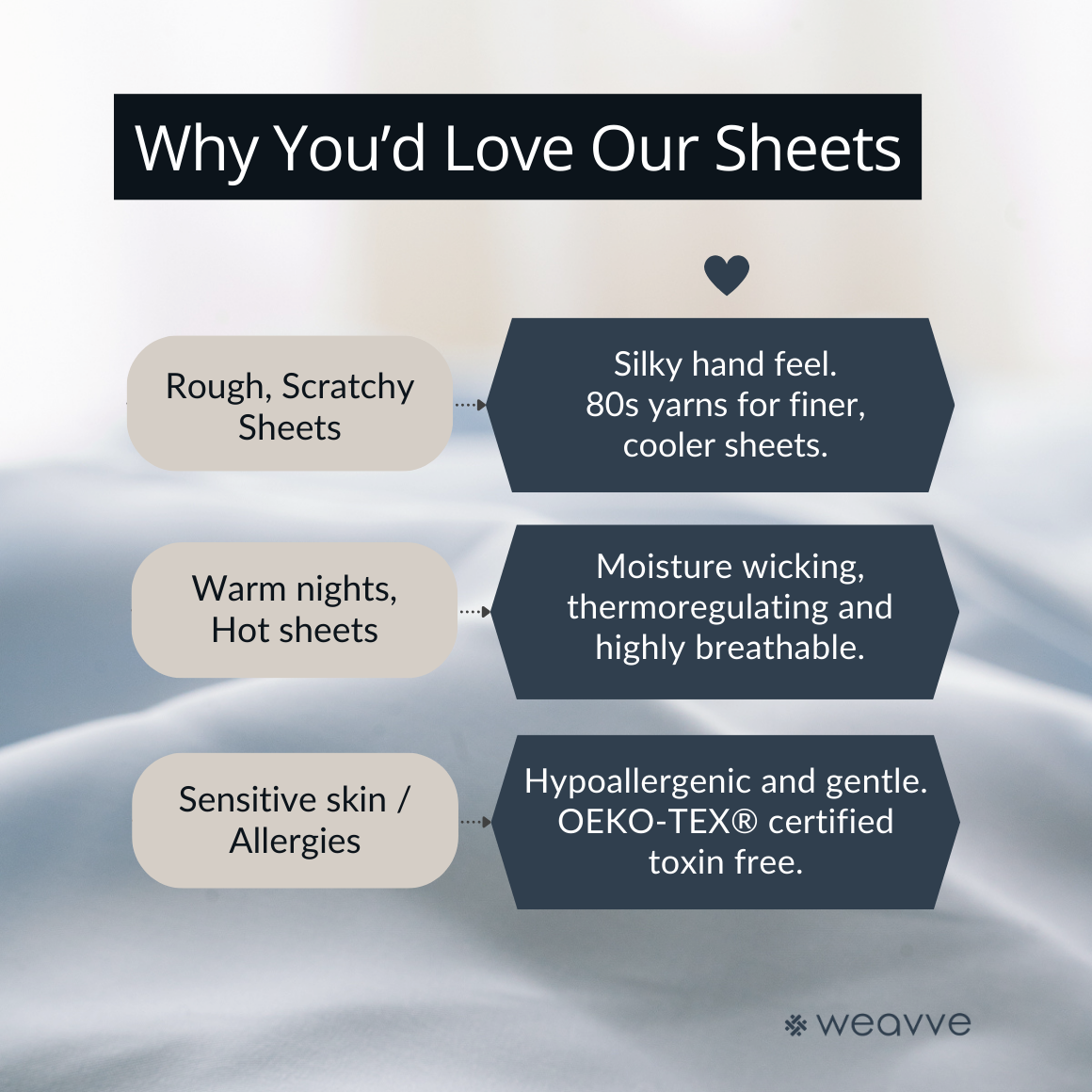
Fabric softeners can coat fibers and make sheets feel softer at first, but they can also build up and reduce breathability over time.
Credit: weavvehome.com
How To Soften Scratchy New Sheets
If you want your new sheets to feel as soft as possible, there are proven methods you can use. Here’s a step-by-step approach to get the best results.
1. Wash Before First Use
Always wash your new sheets before sleeping on them. This simple step removes factory chemicals and can make a big difference.
Pro tip: Wash with warm water and a mild, fragrance-free detergent. Avoid harsh chemicals or bleach, which can weaken fibers and make sheets feel worse.
2. Use White Vinegar And Baking Soda
Instead of fabric softener, try using white vinegar and baking soda. Vinegar helps break down chemical residues and softens the fabric. Baking soda helps neutralize odors and balances the pH, making fibers smoother.
Here’s how to do it:
- Add 1 cup of white vinegar to the wash (no detergent the first time)
- Wash again with ½ cup of baking soda and your normal detergent
This double wash can break down stubborn finishes and is safe for most fabrics.
3. Dry Sheets Properly
How you dry your sheets makes a big difference. Overdrying in a hot dryer can make fibers stiff and scratchy.
- Use a low or medium heat setting
- Remove sheets while slightly damp and let them air dry the rest of the way
- Shake sheets out before placing them in the dryer to prevent twisting
4. Repeat Washes
Some sheets, especially linen and thicker cotton, may need several washes before they reach their softest feel. Don’t be discouraged if the first wash doesn’t work miracles.
5. Try Dryer Balls
Wool dryer balls (or clean tennis balls) can help fluff up the fabric in the dryer. This reduces stiffness without using chemical softeners.
6. Check Your Water
Hard water (water with a lot of minerals) can leave deposits on fabric and make sheets feel rough. If you have hard water, using a water softener or washing sheets at a friend’s house can help.
7. Skip Fabric Softeners (at First)
Liquid softeners and dryer sheets often leave a coating on fabric. This can build up over time and trap dirt, making sheets feel less soft. Start with natural methods, then only use fabric softener if nothing else works.
8. Ironing (for Some Fabrics)
For cotton or linen sheets, ironing while slightly damp can make the surface smoother. This step isn’t for everyone, but it’s a classic hotel trick for getting crisp, smooth bedding.
Comparing Sheet Types: Which Feel Softer?
Not all sheets are created equal. Here’s a quick look at how different materials stack up in terms of softness and break-in time.
| Material | Initial Feel | Softness After Washing | Break-In Time |
|---|---|---|---|
| Cotton (Long Staple) | Medium | Very Soft | 2-3 Washes |
| Cotton (Short Staple) | Rough | Moderate | 3-5 Washes |
| Polyester | Stiff | Rarely Soft | 1-2 Washes |
| Linen | Rough | Very Soft | 5-10 Washes |
| Bamboo | Soft | Very Soft | 1-2 Washes |
Credit: www.reddit.com
Real-world Example: The “hotel Sheet” Secret
Many people love how sheets feel in luxury hotels. The secret is not just the material, but how they’re cared for:
- Sheets are washed many times before being used by guests
- Vinegar and baking soda are often used for softness
- Sheets are ironed and dried with airflow, not just high heat
You can use these same tricks at home to make your new sheets feel special.
Mistakes To Avoid When Trying To Soften Sheets
It’s easy to make mistakes when trying to fix scratchy sheets. Here are some common errors:
1. Using Too Much Detergent
Leftover soap can build up and make sheets feel stiff.
2. Washing With Towels
Towels create lint and can roughen up the surface of sheets. Always wash sheets separately.
3. Skipping The Rinse Cycle
Always do a full rinse to remove all detergent and chemicals.
4. Using Bleach
Bleach breaks down fibers and can make sheets permanently rough.
5. Not Following Fabric Care Labels
Some materials need gentle cycles or low heat. Ignoring these can damage the sheets.
Credit: www.turtlewax.com
How Long Until Sheets Feel Soft?
Softness doesn’t always happen overnight. Here’s a general timeline based on the type of sheet and how often you wash them.
| Material | Washes to Softness | Special Notes |
|---|---|---|
| Cotton (High Quality) | 2-4 | Gets softer over time |
| Linen | 5-10 | Feels better with age |
| Polyester | 1-2 | May never feel “natural” |
| Bamboo | 1-2 | Usually soft right away |
Keep in mind, some sheets improve with every wash, while others reach their peak quickly. If your sheets stay scratchy after several washes, the problem might be poor quality materials or a permanent finish that won’t wash out.
How To Tell If Sheets Are Good Quality
If you want to avoid scratchy sheets in the future, look for these signs of quality:
- Long staple fibers (often labeled as Egyptian or Pima cotton)
- Honest labeling about material and weave
- Percale or sateen weaves for cotton
- Weight: Heavier sheets often mean thicker, longer fibers
- Brand reputation and reviews
Don’t be fooled by high thread counts alone. A 400 thread count sheet made of long staple cotton will feel softer than a 1200 thread count sheet made with short fibers.
Natural Softening Methods Vs. Fabric Softeners
Natural methods like vinegar, baking soda, and dryer balls are safer for your sheets in the long run. Fabric softeners can seem to work quickly, but they create a coating that can build up and reduce breathability. If you do use a softener, use it sparingly and wash it out every few cycles.
For more on fabric science, you can check the Wikipedia Bedding Guide for additional insights into sheet materials and care.
Frequently Asked Questions
Why Do My Expensive Cotton Sheets Still Feel Rough?
Expensive sheets can still feel rough if they have factory finishes, use short staple fibers, or haven’t been washed enough. Washing with vinegar and baking soda, and following proper care instructions, usually helps.
Is It Safe To Use Vinegar And Baking Soda On All Sheet Types?
Yes, for most cotton, bamboo, and linen sheets, vinegar and baking soda are safe and effective. However, always check care labels for special instructions, especially for delicate or specialty fabrics.
How Can I Tell If Scratchiness Will Go Away After Washing?
If the roughness is due to chemicals or stiff fibers, washing will help. If the sheet uses low-quality, short fibers, it may never become truly soft. Look for improvement after 3–4 washes.
Should I Return Sheets If They Feel Scratchy?
If sheets remain scratchy after several washes and natural softening attempts, they may be poor quality. If possible, return them or use them as backup bedding. Good sheets should improve with time and care.
Are There Any Materials That Are Always Soft Right Out Of The Package?
Bamboo sheets and high-quality sateen cotton are often soft immediately. However, most sheets benefit from at least one wash before use for hygiene and comfort.
Making your new sheets feel soft and comfortable is possible with the right approach. By understanding fabric types, using natural softening methods, and caring for your bedding, you can enjoy a smooth, cozy sleep every night. Don’t let initial scratchiness ruin your experience—give your sheets a little time and care, and they’ll reward you with years of comfort.
