
Many people wake up each morning with a stiff back or sore muscles, wondering if their bed is to blame. If you’re one of them, you’re not alone. The quality of your sleep has a huge impact on how your back feels during the day.
The good news is, you don’t need to buy an expensive mattress right away. There are practical, science-backed changes you can make to transform your current bed into a much more comfortable space for your back. This guide will walk you through the most effective strategies, explain why they work, and help you avoid mistakes that could make things worse.
Understanding Back Pain And Sleep
Back pain affects about 80% of adults at some point, and sleep quality plays a big role in how your back feels. If your bed doesn’t support your spine’s natural shape, your muscles and joints don’t get the rest they need. Over time, this can lead to chronic pain, poor sleep, and even mood changes. It’s not just about the mattress—your pillow, sleeping position, and even your bedding all matter.
How Your Bed Can Cause Back Pain
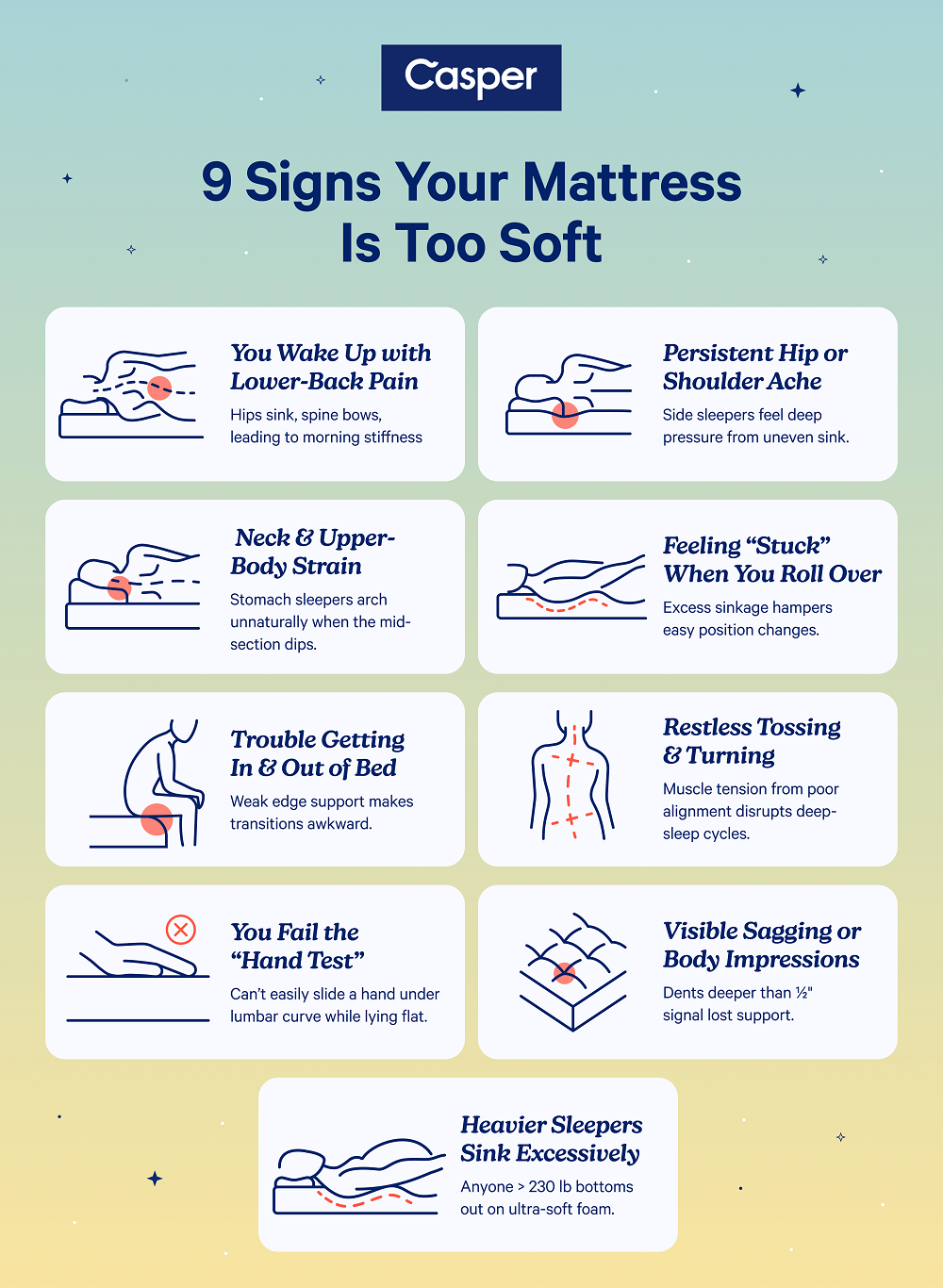
A bed that’s too soft lets your hips and shoulders sink in, bending your spine out of alignment. Too hard, and it puts pressure on your joints and muscles. Both extremes can lead to waking up feeling worse than before.
The right balance supports your body and keeps your spine straight, so you wake up refreshed instead of sore.
Choosing The Right Mattress
The mattress is the foundation of a comfortable bed. But with so many choices—memory foam, innerspring, latex, hybrid—it’s easy to get overwhelmed. Here’s how to make sense of your options.
What Matters Most
- Support: Your mattress should keep your spine in a neutral position. For most people, a medium-firm mattress works best, but your weight, body shape, and sleep position matter too.
- Pressure Relief: Look for a mattress that cushions your shoulders and hips without letting them sink too deep.
- Durability: Good mattresses last 7-10 years. If yours is sagging or lumpy, it’s time for a change.
Mattress Types Compared
Here’s a simple comparison to help you choose:
| Type | Support | Pressure Relief | Longevity | Best For |
|---|---|---|---|---|
| Memory Foam | Good | Excellent | 7-10 years | Side sleepers |
| Innerspring | Varies | Fair | 6-8 years | Back/stomach sleepers |
| Latex | Very Good | Good | 10-12 years | Mixed sleepers |
| Hybrid | Very Good | Very Good | 8-10 years | All sleepers |
Non-obvious insight: Sometimes, adding a mattress topper can fix comfort issues if your mattress is too firm or too soft—no need to replace the entire bed right away.
The Importance Of Mattress Toppers
A mattress topper is a thin layer (usually 2-4 inches) that sits on top of your mattress. It can make a hard bed softer, add support to a sagging mattress, or help with temperature control. Toppers come in memory foam, latex, feather, and gel varieties.
Choosing A Topper
- Memory foam toppers are best for pressure relief.
- Latex toppers are more supportive and durable.
- Feather toppers add softness but not much support.
A good topper can extend the life of an old mattress and improve comfort for your back overnight.
Pillows: More Important Than You Think
Many people focus on the mattress and forget that the pillow supports your neck and upper spine. The wrong pillow can undo all the benefits of a good mattress.
Picking The Right Pillow Height
- Side sleepers: Need a thick pillow to fill the gap between neck and shoulder.
- Back sleepers: Medium height, to keep the head level.
- Stomach sleepers: Very thin pillow, or no pillow at all, to avoid neck strain.
Pillow Materials
- Memory foam molds to your shape.
- Latex is bouncy and lasts longer.
- Down/feather is soft but may flatten quickly.
Non-obvious insight: Your pillow should be replaced every 1-2 years. Old pillows lose support and collect dust mites, which can affect your breathing and sleep quality.
Sleeping Positions And Adjustments
How you sleep matters as much as what you sleep on. Some positions protect your back, while others can make pain worse.
Best Positions For Back Comfort
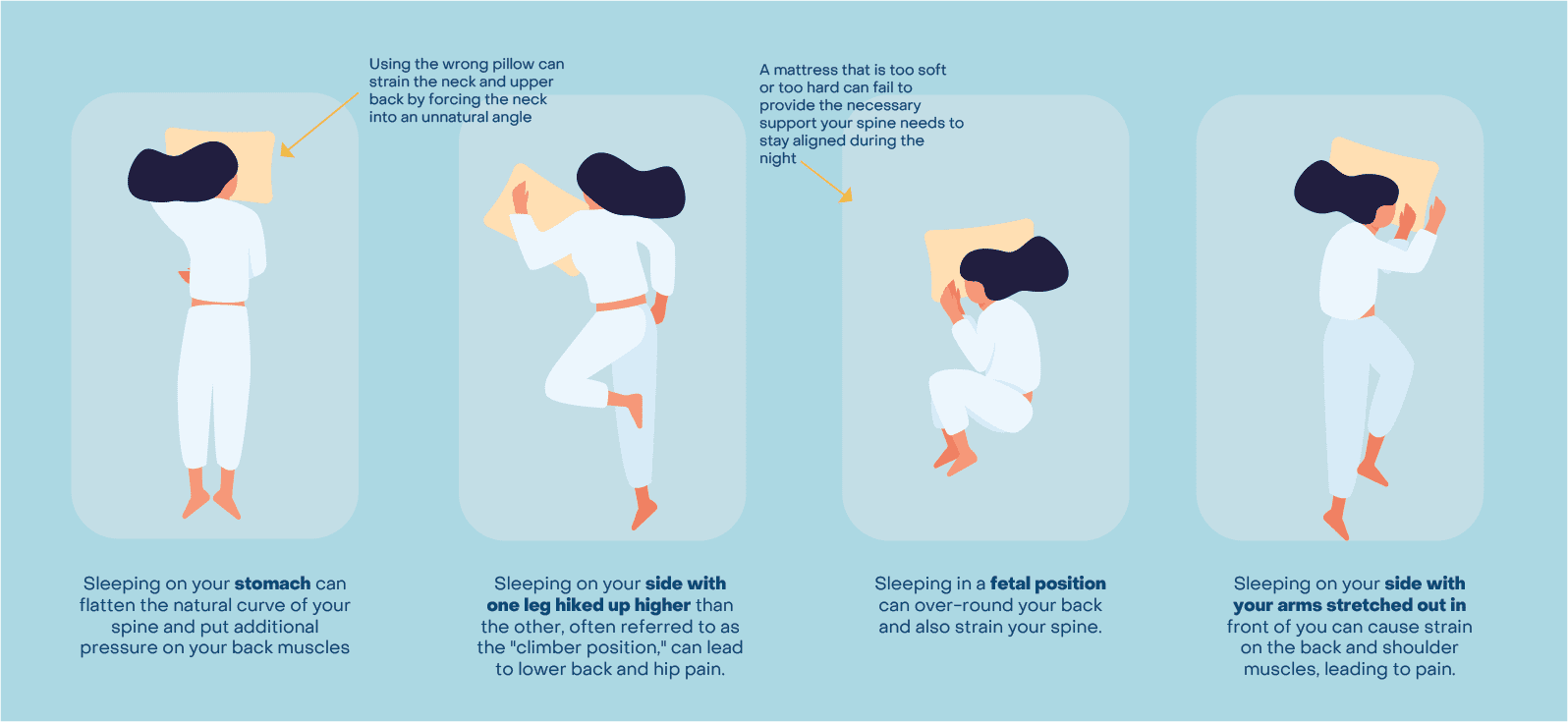
- On your back: Place a small pillow under your knees to reduce lower back strain.
- On your side: Put a pillow between your knees to keep your hips aligned.
- Fetal position: Helps people with herniated discs, but don’t curl too tightly.
Avoid sleeping on your stomach if you have back pain—it twists your neck and flattens your spine’s curve.
Simple Bed Adjustments
- Use an extra pillow under your lower back if you feel a gap between your body and the mattress.
- If your mattress sags, try placing a piece of plywood underneath for temporary support.
Bedding And Sheets: Small Changes, Big Results
You might not think of sheets and bedding as important for your back, but temperature and friction can affect how deeply you sleep.
Fabric Choices
- Natural fibers like cotton and bamboo keep you cool and wick away sweat.
- Synthetic sheets can trap heat, causing you to toss and turn.
Layering
Use light, breathable layers so you can adjust your warmth easily. Overheating can make muscles tense up, leading to pain.
Bed Frame And Foundation
A bed frame or foundation that sags or shifts can ruin even the best mattress. Make sure your frame is sturdy and offers even support.
Comparing Foundations
| Foundation Type | Support Level | Best For |
|---|---|---|
| Box Spring | Moderate | Innerspring mattresses |
| Slatted Base | Good (if slats are close together) | Foam, hybrid, latex |
| Platform Bed | Excellent | All mattress types |
Check your foundation every year for wear or noise. A broken slat or loose screw can affect support and cause back pain.
Creating A Supportive Sleep Environment
A comfortable bed is about more than just the mattress and pillow. Your sleep environment can either help or hurt your back health.
Room Temperature
The ideal bedroom temperature for sleep is around 18°C (65°F). Cooler rooms help your muscles relax and reduce tossing and turning.
Noise And Light
Block out as much noise and light as possible. Use blackout curtains and a white noise machine if needed. Poor sleep from noise leads to more muscle tension and pain.
Daily Habits That Make A Difference
- Stretch gently before bed.
- Avoid screens (phones, tablets) 30 minutes before sleeping.
- Try a warm shower to relax tight muscles.
When To Replace Your Bed
No bed lasts forever. Even the best mattress loses support over time. Here are signs it’s time for a change:
- You wake up sore or stiff most days.
- Your mattress has visible sagging or lumps.
- You sleep better on other beds (like at a hotel or friend’s house).
- Your bed is over 8-10 years old.
Sleeping on an old or broken mattress can undo all your efforts to improve back comfort.
Common Mistakes To Avoid
Making your bed more comfortable isn’t just about adding more pillows or buying the most expensive mattress. Here are mistakes people often make:
- Choosing a mattress that’s too soft—it feels good at first, but your spine sinks out of alignment.
- Ignoring pillow support—a bad pillow can cause neck and upper back pain.
- Forgetting the foundation—even a perfect mattress can’t help if the base is weak.
- Keeping old bedding—dirty or worn-out bedding can cause allergies, itching, and poor sleep.
- Not adjusting sleeping position—stomach sleeping is especially hard on the back.
Credit: sleepmod.com
Practical Steps To Make Your Bed More Comfortable Tonight
You don’t need a full bedroom makeover to start feeling better. Here are simple actions you can try right away:
- Rotate your mattress if you haven’t done so in the last six months.
- Add a pillow under your knees (back sleepers) or between your knees (side sleepers).
- Try a mattress topper for added comfort or support.
- Make sure your pillow matches your sleeping position.
- Wash your sheets and pillowcases in hot water to remove dust and allergens.
- Check your bed frame for loose screws or broken slats.
Real-life Example
Maria, a 42-year-old teacher, struggled with back pain for years. She thought her old mattress was the only problem. But after adding a medium-firm mattress topper, switching to a supportive pillow, and placing a small pillow under her knees, her pain improved in just a week.
She didn’t spend thousands on a new bed—just made smart adjustments.
Credit: casper.com
Scientific Evidence
Studies show that a medium-firm mattress can reduce back pain and improve sleep quality for most people. According to the National Institutes of Health, poor sleep posture and an unsupportive mattress are major causes of chronic back pain. You can read more about the science behind sleep and back health at this NIH resource.
Frequently Asked Questions
What Kind Of Mattress Is Best For Back Pain?
Most people with back pain do best on a medium-firm mattress that supports the natural curve of the spine. However, your weight, sleeping position, and body type also play a role. Try different types if possible before buying.
How Often Should I Replace My Mattress?
Replace your mattress every 7-10 years, or sooner if you notice sagging, lumps, or wake up with pain. High-quality mattresses may last a bit longer, but support always comes first.
Does Sleeping Position Really Affect Back Pain?
Yes. Sleeping on your back or side with proper pillow support is best for your back. Avoid sleeping on your stomach, as it can twist your spine and worsen pain.
Are Mattress Toppers Worth It For Back Comfort?
A good mattress topper can make a big difference if your bed is too firm or not supportive enough. Memory foam and latex toppers are most effective for back support.
What Else Can I Do To Sleep Better With Back Pain?
Focus on your whole sleep routine: stretch before bed, maintain a cool and dark room, and use pillows to support your sleeping position. If pain continues, see a doctor to rule out other causes.
Getting a good night’s sleep without back pain is possible with the right adjustments. By choosing supportive bedding, paying attention to your sleep habits, and making small changes, you can wake up feeling refreshed and ready for the day. Your back will thank you.
Credit: spinehealth.org