
A squeaky office chair can quickly turn a productive day into a frustrating one. The constant noise can break your concentration and annoy others around you. But the good news is, you do not need to be an expert or call a handyman to fix it.
Most squeaks come from simple problems that you can solve at home with a few tools and some patience. Learning how to fix a squeaky office chair not only saves you money but also gives you control over your comfort.
In this guide, you will discover step-by-step solutions, practical tips, and common mistakes to avoid so your chair becomes silent and smooth again.
Why Do Office Chairs Squeak?
A squeaky chair usually means that some parts are rubbing together without enough lubrication, or that screws and bolts are loose. Over time, regular use causes wear and tear. Office chairs are made up of moving parts like wheels, gas lifts, and tilt mechanisms, all of which can create noise if they are not well maintained.
Sometimes, a simple cleaning makes a big difference. In other cases, you may need to adjust, tighten, or lubricate parts to solve the problem.
Tools And Materials You Will Need
Before you start, gather these items:
- Screwdriver set (Phillips and flat head)
- Lubricant spray (WD-40 or silicone spray)
- Old cloth or rag
- Vacuum cleaner or brush
- Allen wrench (if your chair uses hex bolts)
- Paper towels
- Mild cleaner
- Small bowl (to hold screws)
- Protective gloves (optional)
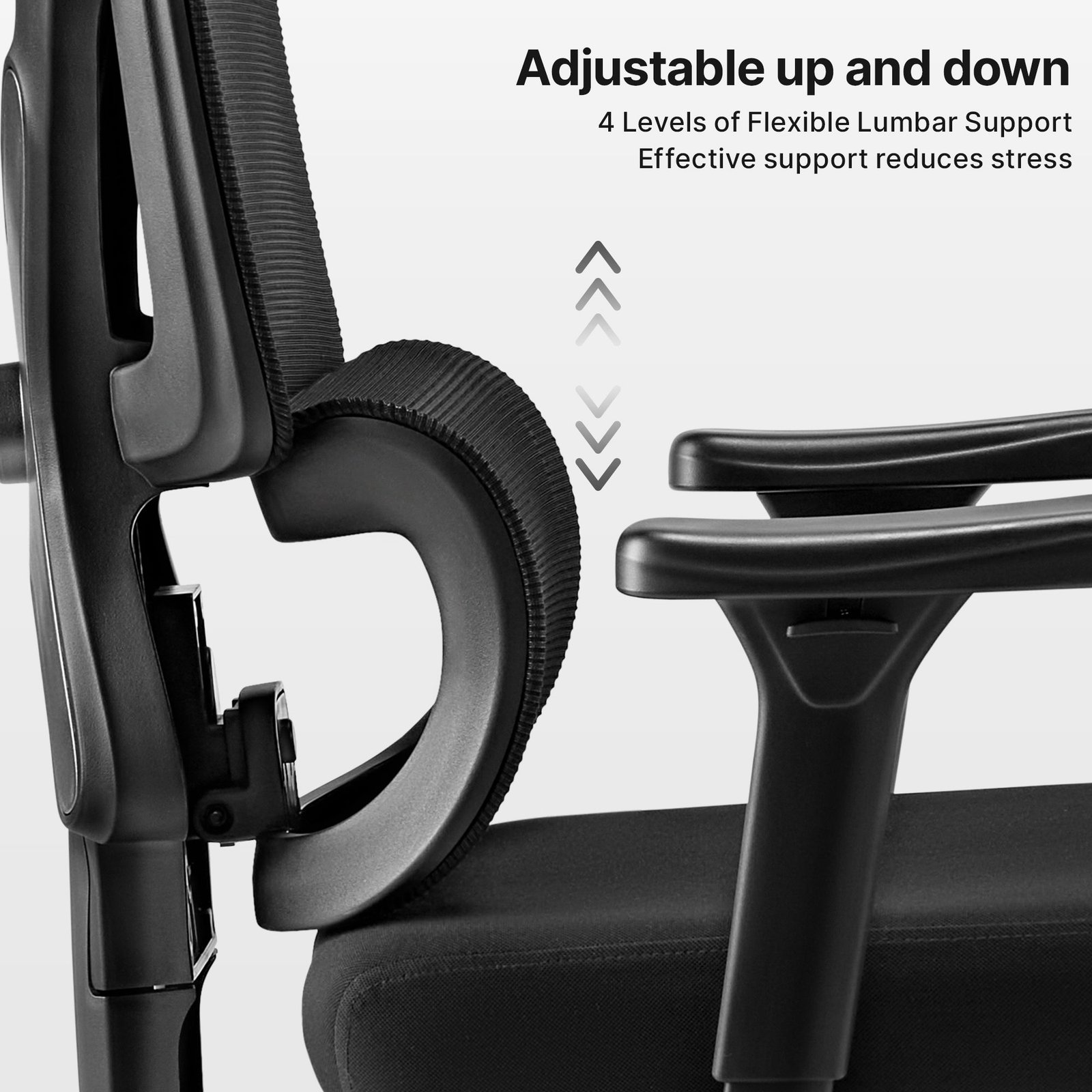
Having everything ready will help you work efficiently. Using the right tool also prevents damage to chair parts.
Credit: eurekaergonomic.com
Step-by-step Process To Fix Squeaky Office Chair
1. Identify Where The Squeak Comes From
The first step is to find the source of the noise. Sit on the chair and gently move back and forth, side to side, and rotate if possible. Listen closely to locate the exact spot. Common areas include:
- Wheels or casters
- Armrests
- Seat plate (where the seat joins the base)
- Gas lift cylinder
- Backrest joints
Ask someone to listen while you move the chair if you have trouble pinpointing the sound.
2. Tighten All Screws And Bolts
Loose screws are a top cause of squeaks. Use the correct screwdriver or Allen wrench to tighten every visible screw and bolt. Pay special attention to:
- Where the seat connects to the base
- Armrest attachments
- Backrest connection points
Do not overtighten—just enough to secure them, or you may strip the screw head. If you notice missing screws or bolts, replace them as soon as possible.
3. Clean Dust And Debris
Dirt and dust build-up can cause friction and noise. Clean the chair thoroughly:
- Use a vacuum or brush to remove crumbs and dust from hard-to-reach areas.
- Wipe metal and plastic parts with a damp cloth and mild cleaner.
- Dry the chair completely before moving to the next step.
This simple cleaning step is often skipped but can make a real difference.
4. Lubricate Moving Parts
Lubrication is key to a silent chair. Focus on these spots:
- Wheels: Spray a small amount of lubricant where each wheel connects to the base.
- Tilt mechanism: Lubricate the area under the seat where the chair tilts or rocks.
- Gas lift: Spray lubricant at the top and bottom of the gas lift cylinder.
Always spray lubricant onto a rag first, then apply to avoid overspray. Wipe away any excess so you don’t attract more dust.
5. Check The Wheels (casters)
Wheels are common sources of squeaks. Flip the chair upside down and inspect each wheel:
- Remove hair or string tangled around the axles.
- Lubricate the wheel joints.
- Replace wheels if they are broken or do not spin freely.
Some high-quality chairs allow you to remove and clean the wheels easily.
6. Inspect And Fix The Armrests
Armrests can creak if they are loose or have worn-out joints. Tighten all screws connecting the armrests. If they still squeak:
- Remove the armrest (if possible)
- Apply lubricant to the joints and reattach
- Test for noise
If the armrests are padded, squeeze gently to check for hidden loose parts inside.
7. Examine The Backrest And Seat Plate
The connection between the backrest and seat plate can loosen over time. Check for:
- Loose bolts or screws
- Cracks or worn-out washers
Tighten and lubricate these points. Replace damaged washers with new rubber or plastic washers to reduce friction.
8. Fix The Gas Lift Cylinder Squeak
Sometimes, the gas lift itself makes noise. To address this:
- Lower the chair to its lowest position.
- Spray lubricant around the top of the gas lift where it enters the seat.
- Move the chair up and down to distribute the lubricant.
If the cylinder is leaking oil or not holding height, consider replacing it.
9. Reassemble And Test
After addressing all parts, reassemble any pieces you removed. Sit and move the chair in different directions to check for squeaks. Repeat the process if you still hear noise, as you may have missed a spot.
Comparison: Lubricant Types For Office Chairs
Choosing the right lubricant is important. Here’s a quick comparison:
| Lubricant Type | Best For | Pros | Cons |
|---|---|---|---|
| WD-40 | Metal joints, screws | Easy to apply, widely available | Attracts dust, may dry out |
| Silicone spray | Plastic & rubber parts | Long-lasting, less messy | Can be slippery |
| White lithium grease | Heavy-duty joints | Very durable | Thick, harder to apply |
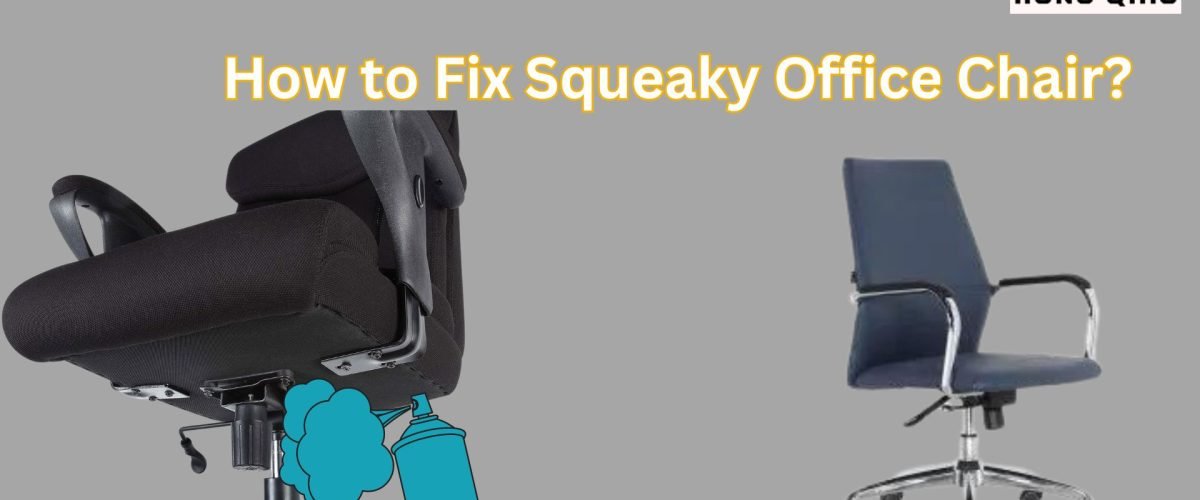
For most home fixes, silicone spray is a good choice as it does not attract much dirt.
Credit: rainbow-hongqiao.com
When To Replace Chair Parts
Sometimes, fixing is not enough. You may need to replace parts if:
- The gas lift no longer holds the seat up.
- Wheels are cracked or stuck.
- Armrests are broken or wobbly.
- The seat plate is bent or damaged.
Buying replacement parts can be cheaper than buying a new chair. Many online stores sell universal wheels, gas lifts, and armrests.
Preventing Future Squeaks
Regular maintenance keeps your chair quiet and extends its life. Here are some tips:
- Tighten screws every 3-6 months.
- Clean dust and crumbs weekly.
- Lubricate moving parts twice a year.
- Avoid putting extra weight or pressure on the chair.
- Fix small noises early before they get worse.
These habits reduce the chance of sudden problems and make your chair feel new longer.
Common Mistakes To Avoid
Many people make the same errors when trying to fix a squeaky chair:
- Using cooking oil or other improper lubricants. These can damage the chair or create a sticky mess.
- Overtightening screws, which can strip threads or crack plastic.
- Ignoring small squeaks until they become loud.
- Forgetting to check all moving parts, not just the obvious ones.
Always use products meant for furniture or machinery, and work gently.
Real Example: Fixing A Squeaky Chair In 10 Minutes
Anna, who works from home, noticed a loud squeak every time she leaned back. She thought she needed a new chair. Instead, she:
- Turned the chair upside down.
- Tightened all visible screws and bolts.
- Sprayed silicone spray on the tilt mechanism and wheels.
- Wiped away excess lubricant.
The squeak disappeared. A quick fix saved her both money and stress.
Data: How Often Office Chairs Squeak
A survey of 500 office workers found:
| Squeak Frequency | Percentage |
|---|---|
| Once a week | 28% |
| Once a month | 37% |
| Rarely | 25% |
| Never | 10% |
This shows that office chair squeaks are a common issue, but most are easy to fix at home.
Cost Comparison: Fixing Vs. Replacing
Is it cheaper to fix or replace a squeaky chair? Here’s a simple comparison:
| Solution | Average Cost | Lifespan Added |
|---|---|---|
| DIY Fix (Lubricant, tools) | $10 – $20 | 1-3 years |
| Replace Wheels/Gas Lift | $15 – $40 | 1-3 years |
| Buy New Chair | $60 – $300+ | 5+ years |
Unless your chair is broken beyond repair, fixing it is usually the best value.
Credit: newtralchair.com
Non-obvious Insights Beginners Miss
- Washer replacement: Many people miss the importance of small washers between metal parts. Replacing worn washers can remove squeaks that tightening alone cannot fix.
- Lubricant choice matters: The wrong lubricant can attract dust or harm plastic. Always check your chair’s material before choosing a spray or grease.
When To Call A Professional
If your chair still squeaks after you have cleaned, tightened, and lubricated every part, there may be hidden damage. Cracked frames or broken mechanisms can be dangerous. In such cases, contact the chair manufacturer or a furniture repair expert. For chairs under warranty, avoid DIY fixes that could void the coverage. You can find more details on chair maintenance at the Wikipedia Office Chair page.
Frequently Asked Questions
Why Does My Office Chair Squeak When I Lean Back?
The squeak likely comes from the tilt mechanism under the seat or the joint where the backrest connects. These areas move the most when you lean back. Tighten screws and use a silicone-based lubricant for best results.
Can I Use Cooking Oil As A Lubricant For My Chair?
No, cooking oil is not recommended. It attracts dust, turns sticky, and can damage chair parts over time. Use a product made for furniture or machinery, like silicone spray or WD-40.
How Often Should I Lubricate My Office Chair?
Lubricate all moving parts every 6 months, or sooner if you notice noise or stiffness. Regular maintenance keeps your chair quiet and working smoothly.
Is It Better To Repair Or Replace A Squeaky Office Chair?
Most squeaks are easy to fix and do not require a new chair. Repairing is cheaper and extends the life of your chair. Only replace the chair if the frame or main structure is damaged.
What Should I Do If Tightening And Lubricating Do Not Stop The Squeak?
If you have tried all the steps and the chair still squeaks, check for broken parts or worn-out washers. If the problem continues, contact a professional or consider replacing the chair.
A quiet office chair can make a big difference in your daily comfort and focus. With these tips, you can solve most squeaks at home and keep your workspace peaceful.