
When you walk into a garden center, you’ll see rows of planters in many styles and finishes. But two of the most popular types are terra cotta and glazed planters. Choosing between them can feel confusing, especially if you want your plants to thrive and your space to look beautiful. Each type brings its own benefits and drawbacks—some are obvious, others you only learn after months of use.
Let’s explore the real differences between terra cotta and glazed planters, what each does best, and how to decide which is right for your plants, home, and climate.
What Are Terra Cotta Planters?
Terra cotta means “baked earth” in Italian. These planters are made from natural clay, shaped and fired in a kiln at a low temperature. The result is a warm, orange-brown pot with a porous surface. You’ll often see these classic pots on patios, in gardens, and in sunny window sills.
Because the clay is not coated, water and air can move through the pot’s walls. This unique feature affects both the soil and the plant’s roots inside.
What Are Glazed Planters?
Glazed planters start off just like terra cotta pots, but after shaping, they get an extra step: a glass-like coating called glaze. The glaze is melted onto the pot’s surface during a second, hotter firing. This makes the pot shiny, colorful, and non-porous.
Glazed planters come in almost any color and finish you can imagine—from glossy blue to matte black to bold patterns. They’re often heavier and more decorative than plain terra cotta.
Key Comparison: Terra Cotta Vs Glazed Planters
To help you compare at a glance, here’s a side-by-side look at the main differences:
| Feature | Terra Cotta | Glazed Planter |
|---|---|---|
| Material | Natural clay, uncoated | Clay with glassy coating |
| Porosity | Porous (breathable) | Non-porous (sealed) |
| Moisture Control | Dries out quickly | Holds moisture longer |
| Weight | Light to medium | Heavier |
| Color Options | Mostly earthy orange | Wide variety |
| Cost | Usually cheaper | Usually more expensive |
| Durability | Prone to chipping/cracking | More resistant to weather |
Moisture Management
How Terra Cotta Handles Water
A big reason gardeners love terra cotta is its breathability. Water can escape through the pot’s walls, which helps prevent overwatering. This is great if you tend to water your plants often, or if you’re growing cacti, succulents, or Mediterranean herbs.
But this also means the soil dries out faster, so you’ll need to water more often—sometimes daily in hot weather.
How Glazed Planters Handle Water
Glazed planters seal in moisture. The glaze acts as a barrier, so almost no water escapes through the sides. This keeps the soil moist for longer, which is useful for thirsty plants like ferns or tropical species.
However, this also means it’s easier to accidentally overwater, since excess moisture has nowhere to go except out the drainage hole (if there is one).
Non-obvious insight: Glazed planters can help reduce watering needs in dry indoor air, but in humid climates or rainy seasons, they can cause root rot if you’re not careful.
Credit: plantatorem.com
Temperature And Climate Suitability
Terra Cotta In Different Climates
Because terra cotta “breathes,” it helps keep roots cooler in hot weather. But in cold climates, the moisture in the clay can freeze and expand, causing the pot to crack. If you live somewhere with freezing winters, you should bring terra cotta pots indoors or choose frost-resistant versions.
Glazed Planters And Weather
The glassy surface of glazed planters protects the clay from soaking up water. This makes them more resistant to frost and less likely to crack in winter. They’re a safer choice if you plan to leave your pots outside year-round, especially in areas with freezing temperatures.
Style And Aesthetics
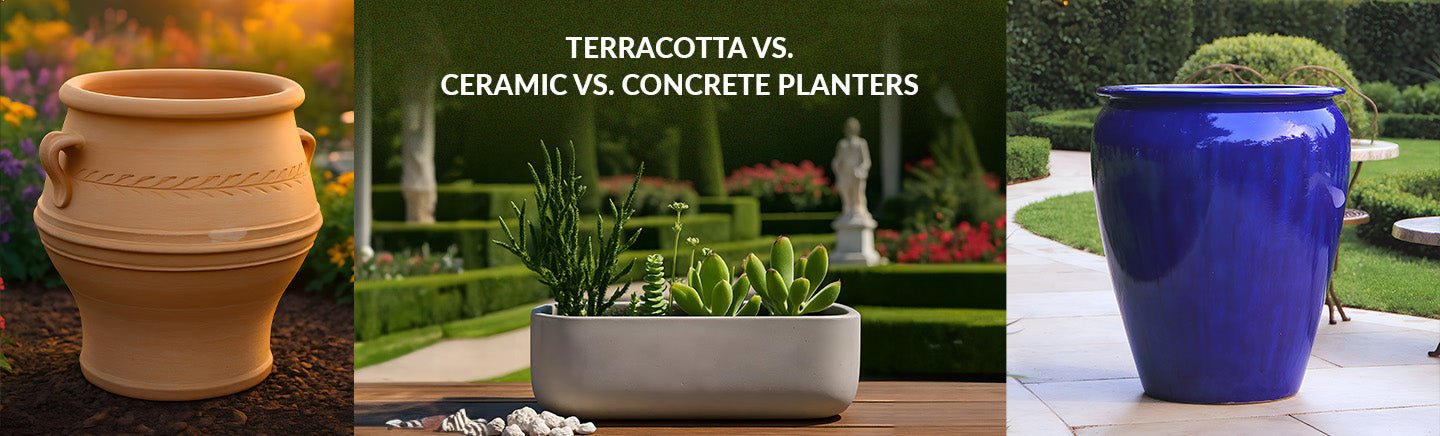
Terra cotta’s natural, earthy look gives a classic, warm feel to any space. It fits well in traditional gardens, Mediterranean styles, or rustic patios.
Glazed planters offer almost endless possibilities for color and finish. You can match them to your decor, make a bold statement, or use them as a focal point. Some people mix both types for a more dynamic look.
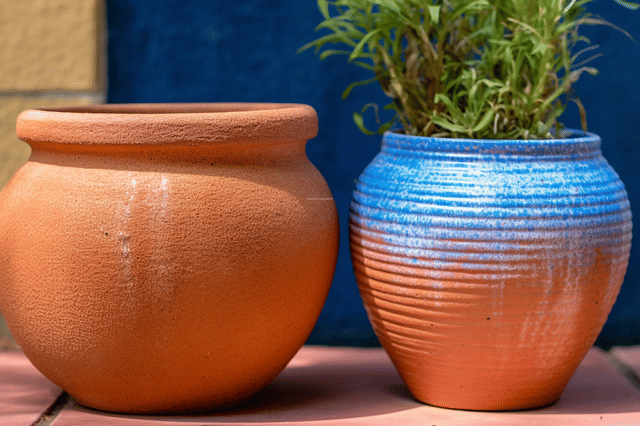
Non-obvious insight: Glazed pots can sometimes fade or develop a white film (from mineral deposits) if used outdoors for many years, especially in areas with hard water.
Credit: www.eplanters.com
Weight And Portability
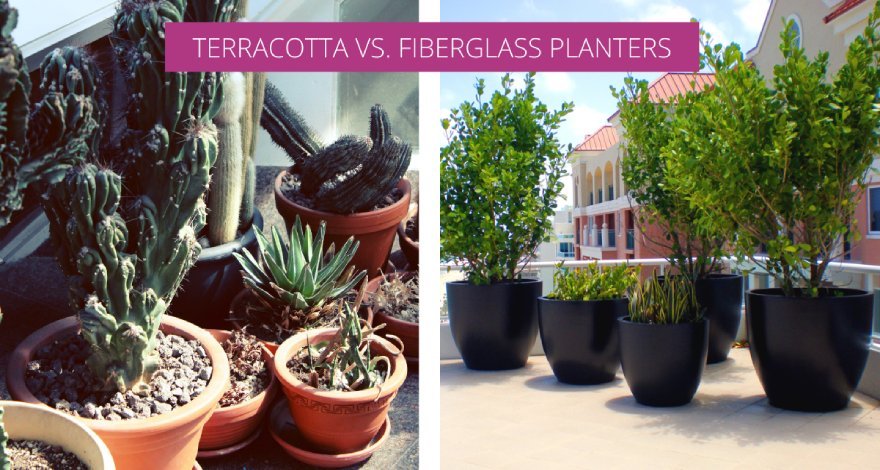
Terra cotta pots are lighter than glazed ones, especially in smaller sizes. This makes them easier to move, which is helpful if you like to rearrange your space or bring plants indoors for the winter.
Glazed planters are often heavier because of the thick clay and glaze layer. While this makes them more stable and less likely to tip, it can be a challenge if you need to move large pots.
Durability And Longevity
Terra cotta is strong, but can chip, crack, or break if dropped or exposed to freezing water. With care, these pots can last many years, but they do require gentle handling.
Glazed planters are generally tougher against the elements. The glaze makes them less likely to absorb water and crack. However, if the glaze chips, the exposed clay underneath can be vulnerable.
Practical tip: Always lift terra cotta and glazed pots from the bottom, not the rim, to reduce the risk of breakage.
Credit: plantcareforbeginners.com
Cost And Availability
Terra cotta pots are usually cheaper and widely available. You’ll find them in almost every garden shop, hardware store, or even supermarkets. Their simple design keeps production costs low.
Glazed planters cost more, sometimes much more, especially for hand-painted or large pieces. The price reflects the extra materials, artistry, and firing process. However, even small glazed pots can be affordable if you shop around.
Plant Health: Which Is Better?
Some plants prefer the dry, airy conditions of terra cotta, while others thrive in the stable moisture of glazed pots. Here’s a quick reference for common plant types:
| Plant Type | Best Planter | Reason |
|---|---|---|
| Cacti & Succulents | Terra cotta | Drains quickly, prevents rot |
| Herbs (rosemary, thyme) | Terra cotta | Prefers dry roots |
| Ferns, Calatheas | Glazed | Loves moist soil |
| Orchids | Either, with good drainage | Needs airflow, but humidity too |
| Houseplants (pothos, philodendron) | Glazed | Moisture retention helps in dry homes |
Practical tip: No matter which planter you choose, always check for a drainage hole. Without it, both types can cause root problems.
Cleaning And Maintenance
Terra cotta pots can develop a white crust or greenish stains over time. This is usually mineral buildup from water or fertilizer. Some gardeners like this aged look, but you can scrub it off with a brush and vinegar if you prefer a clean appearance.
Glazed planters are easy to wipe clean, and the smooth surface resists stains. However, if the glaze cracks or chips, you may need to seal the area to prevent water from entering the clay.
Non-obvious insight: Over time, terra cotta pots can absorb salts and chemicals from fertilizer, which may affect sensitive plants. Occasionally soaking empty terra cotta pots in plain water can help remove these residues.
Environmental Impact
Terra cotta is made from natural clay and is biodegradable. If a pot breaks, the pieces can be used as drainage in other pots or added to garden paths. The manufacturing process uses less energy than glazed pottery.
Glazed pots often use synthetic glazes that can include chemicals and require higher firing temperatures. This means more energy use and sometimes less eco-friendliness, depending on the glaze formula.
Common Mistakes When Choosing
- Ignoring drainage holes. Always pick pots with drainage, especially for glazed planters.
- Not matching plant to pot type. Some plants will struggle if the pot holds too much or too little water.
- Leaving terra cotta outside in frost. Cracking is almost guaranteed in freezing weather.
- Overwatering in glazed pots. The sealed walls mean extra caution is needed.
- Choosing only for looks. Make sure the function matches your plant’s needs, not just your decor.
Real-life Examples
A beginner gardener in Texas found their basil plant wilting in a terra cotta pot during summer. The soil dried out so fast, they had to water twice a day. Switching to a glazed pot meant less frequent watering and a happier plant.
In contrast, a succulent collector in California saw root rot when using glazed pots. After moving to terra cotta, their plants thrived, showing just how important the right planter is for plant health.
Which Should You Choose?
- Choose terra cotta if your plant likes dry soil, you tend to overwater, or you want a classic, breathable look.
- Pick glazed planters if you want bold colors, need longer soil moisture, or live where winters are harsh and freezing.
If you’re still unsure, start with a small pot of each type and test with different plants. Experience is often the best teacher.
For more on the science of pot materials, visit Wikipedia.
Frequently Asked Questions
What Plants Are Best Suited For Terra Cotta Planters?
Cacti, succulents, and Mediterranean herbs (like rosemary and thyme) do best in terra cotta. These plants prefer soil that dries out quickly and benefit from the porous, breathable clay.
Can Glazed Planters Go Outside In Winter?
Yes, glazed planters are usually more resistant to frost and weather changes because the glaze prevents water from soaking into the clay. However, make sure they have drainage holes to prevent water from pooling inside and freezing.
How Do You Clean Mineral Stains From Terra Cotta Pots?
Soak the pot in a mixture of vinegar and water for about 30 minutes, then scrub with a stiff brush. Rinse well before reusing for plants.
Are Glazed Planters Safe For Edible Plants?
Most commercial glazed planters are safe, but to be sure, choose pots labeled food-safe or lead-free. This is important if you’re growing herbs or vegetables you plan to eat.
Why Did My Terra Cotta Pot Crack?
Cracking usually happens when water inside the clay freezes and expands. Avoid leaving terra cotta pots outdoors in freezing weather, and make sure they’re not sitting in standing water.
Choosing between terra cotta and glazed planters is about more than looks. It’s about matching the right pot to your plant’s needs and your lifestyle. With this knowledge, your plants—and your home—will look their best for years to come.