
Choosing the right comforter can make a big difference in your sleep, no matter the weather. With so many options out there, it’s easy to feel lost—especially when you hear terms like “fill power. ” But knowing what fill power means and how it affects warmth can help you sleep comfortably all year.
Whether you’re looking for a cozy winter cocoon or a light summer cover, understanding fill power is the first step toward finding the best all-season comforter for your needs.
What Is Comforter Fill Power?
When shopping for a comforter, you’ll often see a number called fill power. This number measures the quality and loft of the filling inside, usually down or a down alternative. Fill power tells you how much space one ounce of the fill takes up. A higher fill power means the fill is fluffier and traps more air, which provides better insulation.
For example, a comforter with a fill power of 700 is puffier and warmer than one with a fill power of 500, even if both have the same weight of filling. This is why fill power is such an important factor when choosing a comforter for different seasons.
How Fill Power Affects Warmth
Fill power isn’t just about how soft your comforter feels—it directly affects how warm and breathable the comforter will be. Here’s what you need to know:
- Low fill power (300–450): Less warm, suitable for hot sleepers or warm climates.
- Medium fill power (500–650): Good for most people, versatile across seasons.
- High fill power (700–900): Very warm, best for cold climates or people who get cold easily.
But there’s more to it than just a number. Even a high fill power comforter can feel light if it doesn’t have much fill weight. And a low fill power comforter with a heavy fill weight can feel heavier but not necessarily warmer.
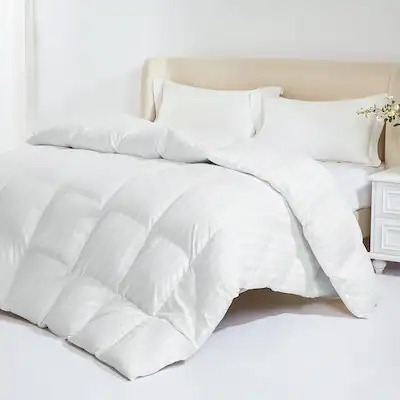
Credit: www.bestbuy.com
Best Fill Power Ranges For All-season Comforters
If you want a comforter you can use all year, the right fill power is key. You need something that balances warmth for winter, but isn’t too hot for summer. Here’s a quick look at the best ranges for all-season use:
| Fill Power | Warmth Level | Best For |
|---|---|---|
| 400–500 | Light to Medium | Hot sleepers, mild climates, summer |
| 500–650 | Medium | All-season comfort, most people |
| 700–750 | Medium to Warm | Cooler climates, winter use |
For true all-season comfort, fill power between 500 and 650 is usually the best choice. It’s warm enough for winter but not too hot for summer, especially when you adjust your bedding or room temperature.
How To Choose The Best Fill Power For Your Needs
Picking the right comforter isn’t just about reading a number. You should also think about your personal preferences and your home’s environment.
1. Consider Your Sleeping Style
If you sleep hot, a lower fill power (400–500) will keep you from overheating. But if you often feel cold at night, aim for a higher fill power (600–700).
2. Think About Your Climate
People in mild or moderate climates can usually stick with a 500–600 fill power comforter. If you live somewhere with cold winters, a fill power closer to 650 may be more comfortable year-round.
3. Look At Fill Weight
Even within the same fill power, comforters vary by how much fill is inside. A lightweight comforter with high fill power might be perfect for spring and fall, while a heavier one could be too warm. Always check both fill power and fill weight.
4. Allergies And Material Choices
If you have allergies, look for hypoallergenic down alternatives. Many synthetic fills now offer a similar feel and warmth as natural down, with fill power ratings to help you compare.
5. Cover Material Matters
A comforter’s outer fabric also affects how warm it feels. Cotton covers are breathable and good for all seasons, while polyester blends may trap more heat.
Fill Power Vs. Fill Weight: What’s The Difference?
It’s easy to mix up these two terms, but they’re not the same. Fill power describes the fluffiness and insulation ability of the fill. Fill weight means how much filling is actually inside the comforter.
A comforter with a high fill power but low fill weight can feel light and airy, but may not be warm enough for winter. On the other hand, a comforter with lower fill power and higher fill weight can feel heavier, but may not trap as much heat.
Here’s a side-by-side comparison to make this clearer:
| Feature | Fill Power | Fill Weight |
|---|---|---|
| Definition | Measures fluffiness and insulating ability | Amount of fill used (in ounces or grams) |
| Effect | Higher = more warmth per ounce | Higher = heavier, possibly warmer |
| Best For | All-season comforters: 500–650 | Depends on fill power & personal preference |
Pros And Cons Of Different Fill Powers
Understanding the upsides and downsides of each fill power range can help you decide what’s best for your bedroom.
Low Fill Power (300–450)
- Pros: Lightweight, good for hot sleepers or warm climates, often less expensive.
- Cons: May not be warm enough in winter, can feel flat or less fluffy.
Medium Fill Power (500–650)
- Pros: Good balance of warmth and breathability, versatile for all seasons, still lightweight.
- Cons: May not be warm enough for very cold climates unless combined with heavier fill weight.
High Fill Power (700–900)
- Pros: Excellent insulation, very fluffy, luxurious feel, good for cold winters.
- Cons: Can be too warm for summer, usually more expensive, may be too puffy for some.
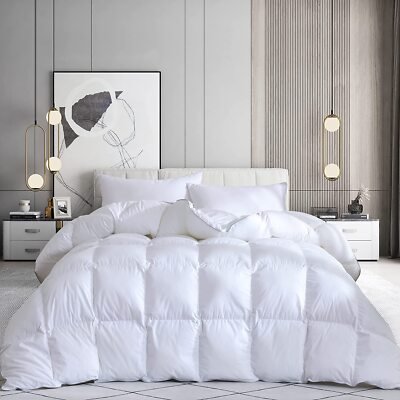
Credit: www.ebay.com
Practical Tips For Using Comforters Year-round
You don’t have to buy a new comforter for each season. With a smart approach, one all-season comforter can work for you all year.
- Layer your bedding: In colder months, add a blanket or throw on top of your comforter. In summer, use just a sheet or a light cover.
- Choose breathable sheets: Natural fibers like cotton or linen help regulate temperature and work well with most comforters.
- Adjust your thermostat: Lowering your room temperature at night can make a medium fill power comforter feel cozier in winter.
- Use a duvet cover: This adds a light layer of insulation and protects your comforter, making it last longer.
One insight many people miss: down comforters with baffle box construction (where the fill is divided into small boxes) keep the fill evenly spread and prevent cold spots, making them more comfortable through changing seasons.
Common Myths About Fill Power
Some ideas about fill power can be confusing or even wrong. Let’s clear up a few:
- Myth: Higher fill power always means warmer.
- Truth: Only if the fill weight is the same. A low fill weight with high fill power might not be warm enough.
- Myth: Low fill power comforters are always cheap.
- Truth: The price also depends on materials, construction, and brand.
- Myth: Down alternative comforters can’t match down fill power.
- Truth: Many modern synthetics now offer similar warmth and loft to down, often with fill power ratings for easy comparison.
Real-world Examples
Let’s look at two examples of comforters that are designed for all seasons:
- Example 1: A 600 fill power down comforter with a medium fill weight (about 30–35 ounces for queen size) is a classic all-season choice. It’s warm in winter with a blanket but not too hot in summer with just a sheet.
- Example 2: A down alternative comforter rated at 550 fill power with a cotton cover works well for most climates. It’s hypoallergenic, easy to wash, and comfortable year-round.
These examples show that the best fill power for all seasons isn’t a fixed number—it’s about finding the right balance for your body and your bedroom.
What Else Matters When Choosing An All-season Comforter?
Besides fill power, there are a few other things to look for:
- Quality of stitching: Comforters with box or baffle stitching keep the fill evenly spread, preventing lumps or cold spots.
- Ease of care: Many all-season comforters are machine washable, which is a big plus for daily life.
- Size and fit: Make sure your comforter fits your bed and has enough overhang for comfort.
Many people overlook the importance of personal sensitivity to heat and cold. If you and your partner have different temperature needs, consider layering two thinner comforters or using separate throws.
For more science on sleep and bedding, you can check research from Sleep Foundation.
Quick Reference: Best Fill Power For Common Needs
Here’s a summary to help you decide what fill power works best for different situations:
| Need | Recommended Fill Power |
|---|---|
| Hot sleeper / warm climate | 400–500 |
| Most sleepers / all seasons | 500–650 |
| Cold sleeper / cool climate | 650–750 |
| Winter use only | 700–900 |
Frequently Asked Questions
What Is The Best Fill Power For An All-season Comforter?
Fill power between 500 and 650 works best for most people and climates. It provides warmth in winter but is not too heavy for summer, especially if you adjust your bedding.
Does Higher Fill Power Make A Comforter Heavier?
Not always. Fill power measures fluffiness, not weight. A high fill power comforter can feel light but still be warm, depending on the fill weight.
Can Down Alternative Comforters Have Fill Power Ratings?
Yes, many modern down alternative comforters are labeled with fill power numbers to help you compare warmth and loft to natural down.
Is A Comforter With 400 Fill Power Good For Winter?
A 400 fill power comforter is usually too light for winter unless you live in a warm climate or use extra blankets. For winter, a fill power of 600 or higher is better.
How Do I Keep My All-season Comforter Fresh?
Use a duvet cover to protect your comforter from dirt and oils. Wash the cover regularly, and air out your comforter every few months to keep it fluffy and fresh.
A comforter with the right fill power can help you sleep well in every season. By understanding what fill power means and how it fits your needs, you’ll be able to choose bedding that keeps you comfortable all year. Take your time, check the details, and enjoy a better night’s rest—no matter the weather outside.
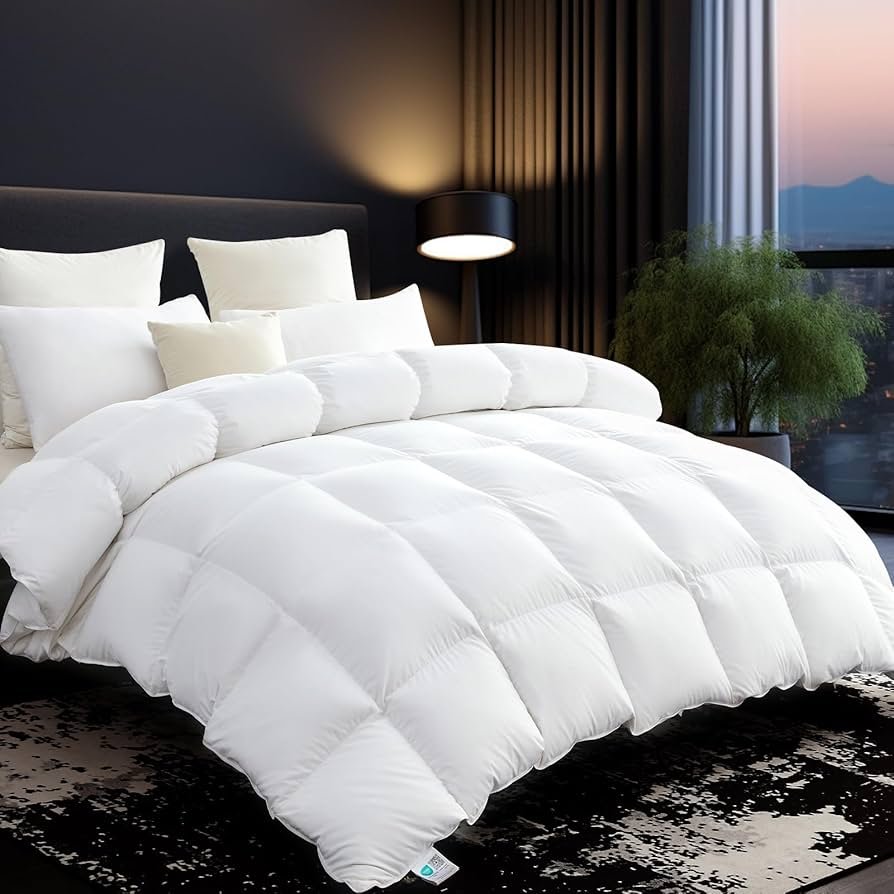
Credit: www.amazon.com