
When shopping for new bed sheets, you might notice the term thread count on almost every label. Many brands advertise high thread counts, claiming it means better quality. But what does thread count really mean? Is a higher thread count always better, or is it just clever marketing? Understanding thread count can help you pick sheets that feel comfortable and last longer, without wasting money on empty promises.
Choosing the right bed sheets is more than just picking a color or pattern. Thread count affects not only how your sheets feel, but also how they perform over time. This guide breaks down the meaning behind thread count, explains what numbers matter most, and offers a practical bed sheet thread count chart comparison to help you make smart choices. You’ll also learn about common mistakes, materials, and what to consider beyond just the numbers.
What Is Thread Count?
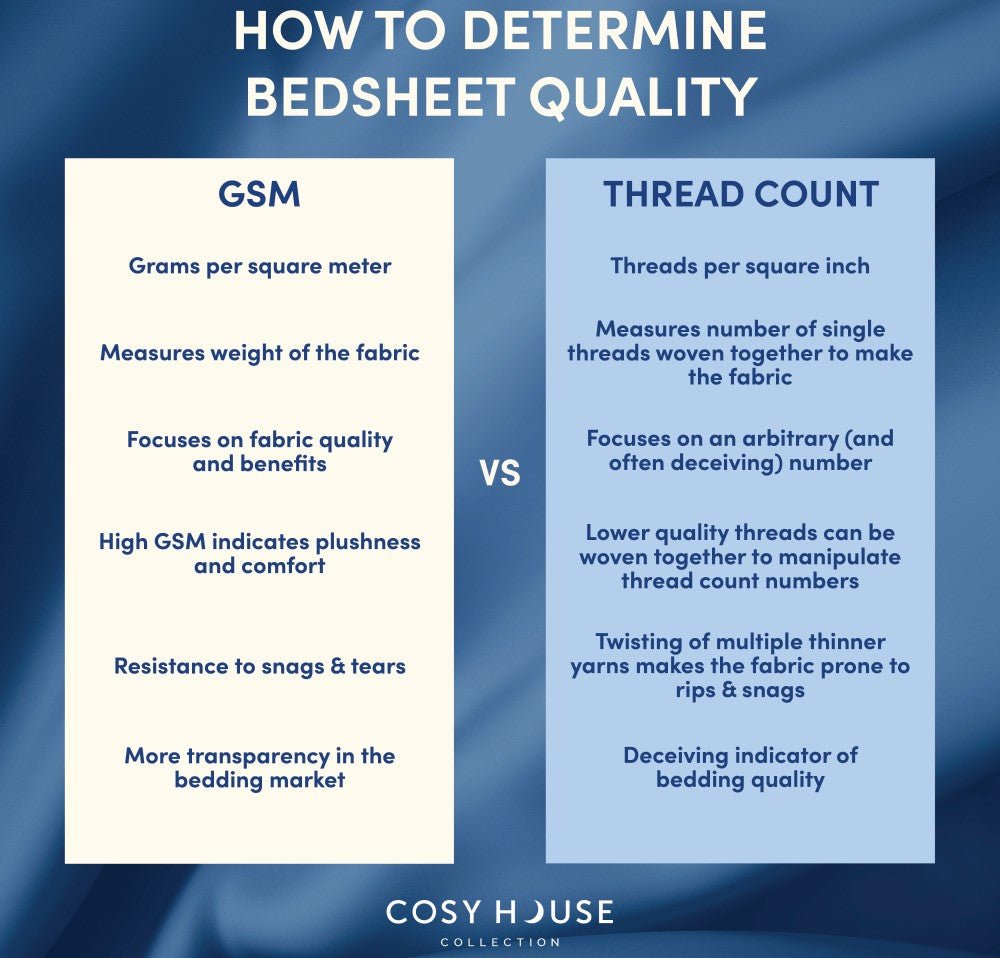
Thread count is a measure of how many threads are woven into one square inch of fabric. To calculate it, manufacturers count the number of vertical (warp) and horizontal (weft) threads. For example, if there are 100 vertical and 100 horizontal threads in one square inch, the thread count is 200.
However, thread count is not the only factor that affects sheet quality. The type of cotton, the weave, and the finishing process also matter. Some brands use creative counting methods to inflate thread counts, which can mislead buyers.
Why Thread Count Matters
A higher thread count usually means a denser weave, which can result in softer, smoother sheets. But after a certain point, increasing thread count doesn’t always mean better quality. For most people, sheets in the 300 to 500 thread count range are comfortable, durable, and breathable.
Bed Sheet Thread Count Chart Comparison
To help you understand the differences, here’s a comparison of common thread count ranges, their feel, and ideal uses. This chart gives a quick overview:
| Thread Count Range | Feel & Texture | Breathability | Durability | Best For |
|---|---|---|---|---|
| 80-200 | Coarse, basic | Very high | Low to moderate | Budget sheets, temporary use |
| 200-300 | Crisp, light | High | Moderate | Hot climates, kids’ rooms |
| 300-500 | Soft, smooth | Good balance | High | Everyday luxury, most sleepers |
| 500-800 | Very smooth, dense | Less breathable | Very high | Cool climates, luxury feel |
| 800+ | Heavy, sometimes stiff | Poor | Varies | Marketing hype, rarely better |
Credit: casper.com
Thread Count Ranges Explained
Each thread count range has its own feel, benefits, and drawbacks. Here’s a deeper look at what you can expect.
80–200 Thread Count
Sheets in this range are usually made from basic cotton or polyester blends. They feel rougher and may pill after washing. Their main advantage is high breathability and low cost, but they wear out quickly. These sheets are common in budget hotels or for temporary needs.
200–300 Thread Count
This is where you find crisp, cool sheets that work well in hot climates. They are lighter, allowing air to move easily, so they’re great for people who sweat at night. Many classic percale sheets fall in this range. However, don’t expect silky softness.
300–500 Thread Count
This is the sweet spot for most buyers. Sheets in this range feel soft, smooth, and durable. High-quality cotton (like Egyptian or Pima) performs best here. These sheets balance comfort, breathability, and longevity, making them a smart choice for daily use.
500–800 Thread Count
Sheets with higher thread counts in this range can feel very luxurious and dense. They are heavier and often warmer, which is good for cooler climates. But, breathability decreases. For most people, the extra cost isn’t worth the small improvement in feel.
800+ Thread Count
Many premium brands offer sheets boasting 1000 or even 1500 thread counts. In most cases, these numbers are inflated using multi-ply threads (twisting several fibers together), which does not add real quality. These sheets can feel stiff, heavy, and trap heat. It’s often more about marketing than comfort.
Thread Count Vs. Quality: What Really Matters
Many shoppers believe higher thread count is always better, but that’s not true. Other factors matter as much or more:
- Fiber Quality: Long-staple cottons (like Egyptian or Supima) create smoother, stronger threads.
- Weave: Percale (crisp, cool) and sateen (smooth, shiny) feel different, even at the same thread count.
- Finishing: Good finishing makes a big difference in softness and durability.
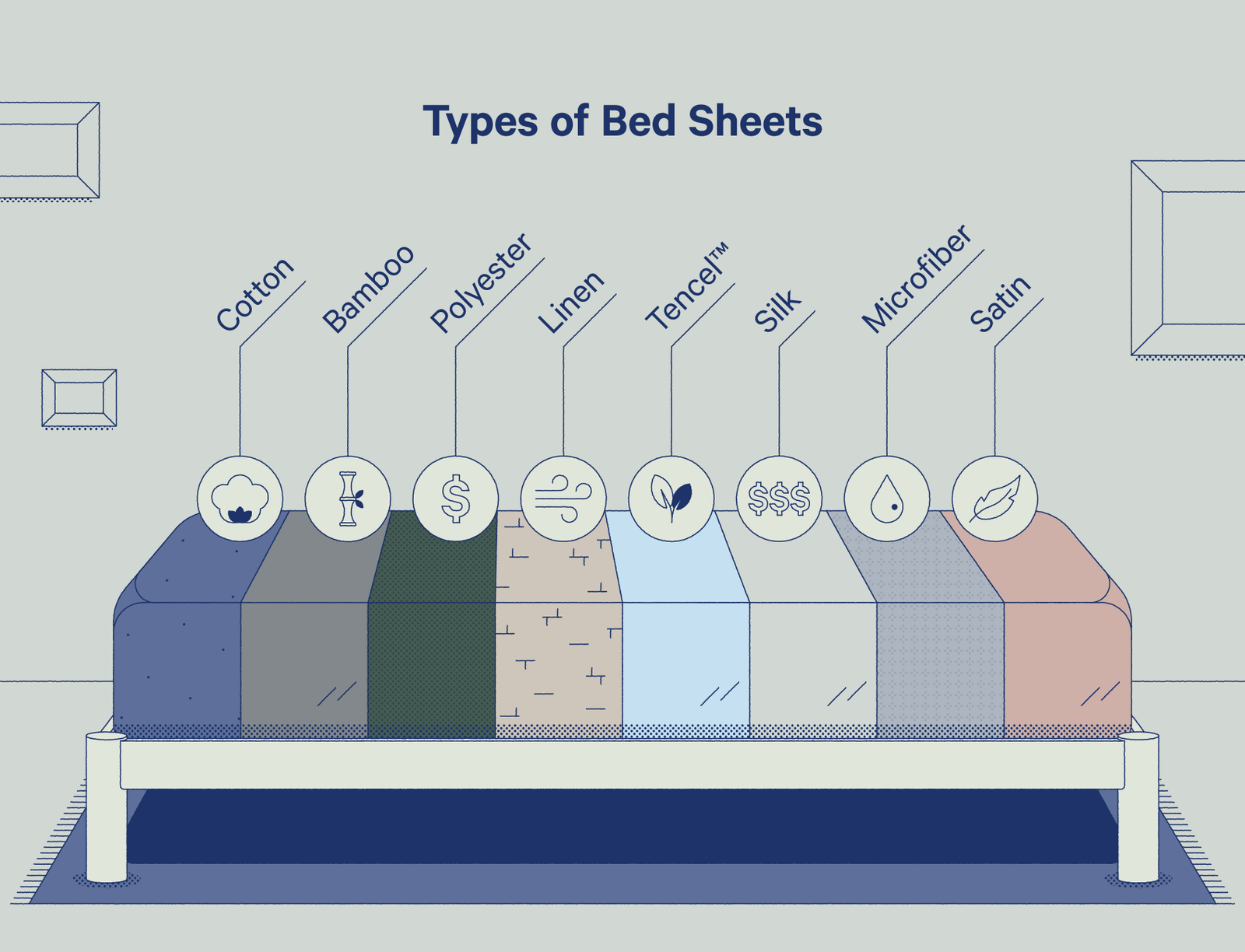
Here’s a quick side-by-side comparison of different materials and weaves at similar thread counts:
| Material | Weave | Thread Count | Feel | Durability |
|---|---|---|---|---|
| Egyptian Cotton | Percale | 300 | Crisp, cool | Very high |
| Supima Cotton | Sateen | 400 | Silky, soft | High |
| Microfiber | Plain | 800 | Very smooth, synthetic | Moderate |
| Bamboo Viscose | Sateen | 300 | Soft, cool | High |
Credit: www.cosyhousecollection.com
How To Choose The Best Thread Count For You
Picking the right sheet isn’t only about the number. Here’s what to consider:
- Personal Comfort: Some people love crisp sheets, others prefer silky. Touch and feel matter more than numbers.
- Climate: Hot sleepers or people in warm areas may like lower thread counts (200–300) for better airflow. Cooler climates may prefer denser sheets.
- Material: High-quality cotton feels better at lower counts than poor cotton at high counts.
- Budget: Spending more on better cotton at a moderate thread count is smarter than buying the highest number.
- Care: High-thread-count sheets can take longer to dry and may wrinkle more.
A non-obvious tip: Ask for fabric samples before buying expensive sheets. Feeling the material can prevent disappointment.
Common Misunderstandings About Thread Count
There are several myths about thread count that can lead buyers astray.
Myth 1: Higher Thread Count Always Means Better Sheets
Not true. After about 500, added threads can make sheets less breathable and heavier. Quality drops if manufacturers use short fibers or multi-ply yarns to boost numbers.
Myth 2: All Thread Counts Are Measured The Same
There’s no strict standard. Some brands count each ply as a separate thread, inflating the number. For example, a 400 thread count using four-ply yarns could be labeled as 1600.
Myth 3: Thread Count Is All That Matters
Other factors—like cotton type, weave, and finishing—can have a bigger impact on feel and durability.
How Thread Count Affects Price
You’ll notice price usually rises with thread count, but not always with quality. High-thread-count sheets made from poor cotton won’t feel as nice as moderate-count sheets from good cotton. Brands often use high thread count as a marketing tool.
A quick look at the average price by thread count:
| Thread Count Range | Average Price (Queen Set) |
|---|---|
| 100-200 | $15 – $40 |
| 200-400 | $35 – $80 |
| 400-800 | $70 – $200 |
| 800+ | $150 – $500+ |
Non-obvious insight: Some luxury hotels use 250-300 thread count sheets made from high-quality cotton. They focus on fiber and finishing, not just the number.
Other Factors To Consider
While thread count is important, don’t ignore these:
- Color Fastness: Will the color fade after washing?
- Shrinkage: Natural fibers may shrink if not pre-treated.
- Eco-Friendliness: Organic cotton and bamboo are better for sensitive skin and the environment.
- Warranty and Return Policy: Good brands offer returns if you’re not satisfied.
How To Spot True Quality
To avoid marketing tricks, look for:
- Single-ply yarns: These are finer, stronger, and make for better sheets.
- Long-staple cotton: Egyptian, Pima, and Supima are best.
- Transparent labeling: Good brands list material and ply, not just thread count.
When shopping online, look for detailed product descriptions and customer reviews. If a sheet set boasts a 1500 thread count but costs less than $50, it’s probably not genuine.
For more about cotton quality, see this Egyptian cotton Wikipedia page.
Practical Tips For Buying Bed Sheets
- Check the return policy before you buy.
- Read reviews from real users about softness, durability, and washing.
- Wash sheets before first use to remove finishing chemicals.
- Use gentle detergents to protect fibers.
- Rotate sheets to extend their life.
Credit: www.peacockalley.com
Frequently Asked Questions
What Is The Best Thread Count For Bed Sheets?
For most people, 300 to 500 is best. This range offers a good balance of softness, durability, and breathability. Higher counts are not always better.
Are 1000 Thread Count Sheets Worth It?
Usually, no. Most 1000+ thread count sheets use multi-ply threads and may feel heavy or less breathable. Focus on material quality instead.
Does Thread Count Matter For All Materials?
No. For linen, bamboo, or microfiber sheets, thread count is less important. Other factors, like fiber quality and weave, matter more for these materials.
How Can I Tell If A High Thread Count Is Real?
Look for single-ply yarns and long-staple cotton. Avoid brands that don’t share this information. Check for details about material and ply.
What Else Should I Check Besides Thread Count?
Pay attention to cotton type, weave, and finishing process. These affect comfort and durability more than just the thread count.
—
Choosing bed sheets is about more than chasing the highest number. Understanding thread count, along with fiber and weave quality, can help you find sheets that feel great and last for years. Armed with this knowledge, you’re ready to make a smart, informed choice for your next set of sheets.