
Feeling anxious is something almost everyone experiences at some point. But for some, anxiety becomes overwhelming, sometimes leading to anxiety attacks. Many people are searching for simple, safe ways to feel calm, especially at home. One product that has become popular is the weighted blanket. You may have seen these blankets online, in stores, or even heard about them from friends. But do weighted blankets really help with anxiety attacks, or is it just a trend? Let’s explore what science says, how these blankets work, and whether they can truly help people manage anxiety attacks.
What Are Weighted Blankets?
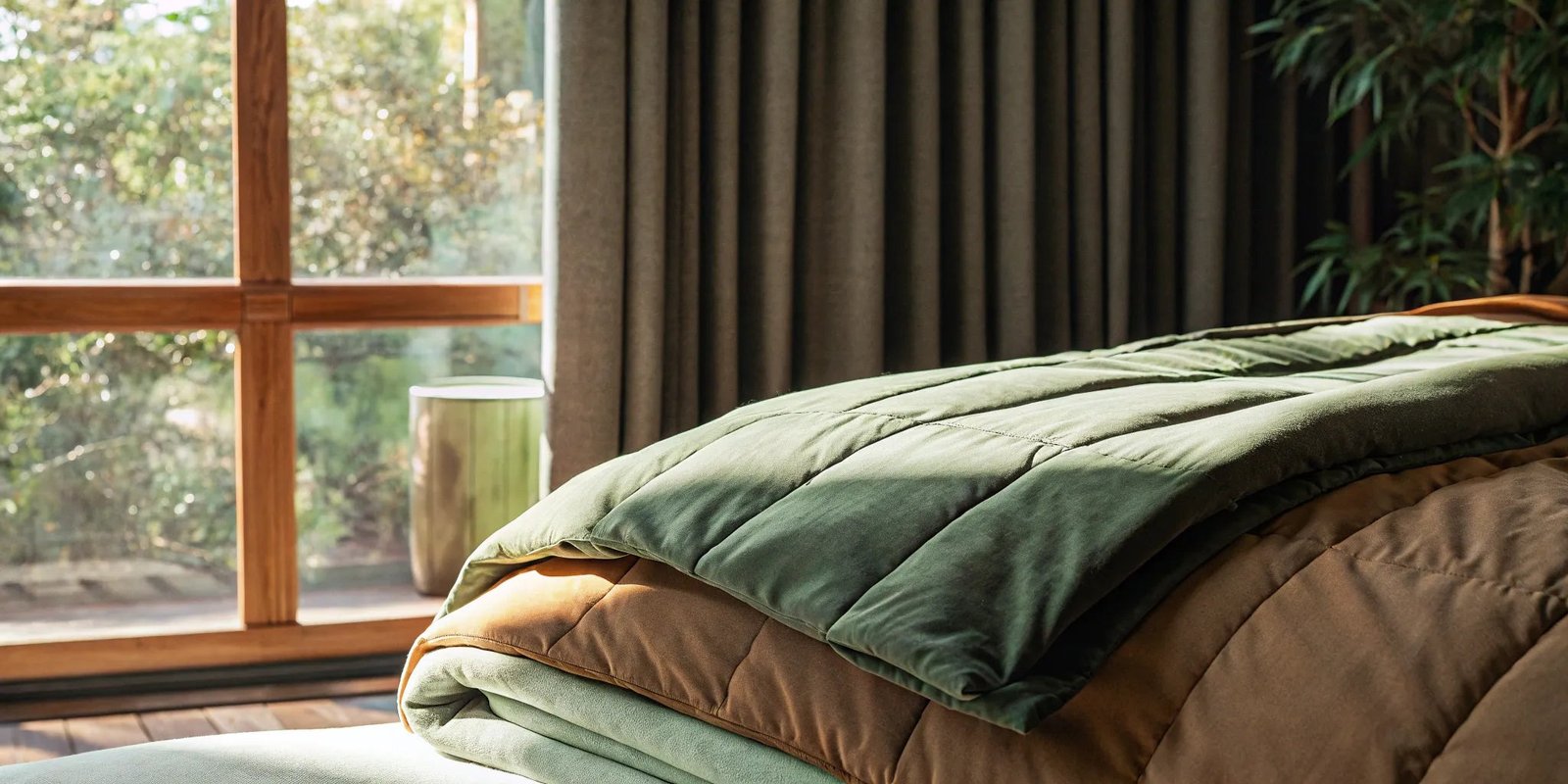
Weighted blankets are special blankets filled with materials like glass beads, plastic pellets, or sometimes small metal chains. This gives them extra weight, usually ranging from 5 to 30 pounds. The idea comes from a therapy called deep pressure stimulation. This therapy uses gentle, firm pressure to relax the nervous system.
Most weighted blankets are designed to feel like a gentle hug across your body. The weight is spread evenly, so it doesn’t feel uncomfortable. The blankets come in different sizes, weights, and materials to fit individual preferences.
How Weighted Blankets Work
The main principle behind weighted blankets is deep touch pressure (DPT). This type of pressure signals your body to relax, much like when you get a hug or a gentle squeeze. Here’s what happens when you use a weighted blanket:
- Activates the Parasympathetic Nervous System: This system is responsible for rest and relaxation. When it’s activated, your heart rate slows, your breathing becomes deeper, and your muscles relax.
- Reduces Cortisol Levels: Cortisol is known as the “stress hormone.” High cortisol can make anxiety worse. Deep touch pressure may help lower these levels.
- Increases Serotonin and Melatonin: These are “feel good” chemicals in the brain. Serotonin helps with mood, while melatonin helps with sleep.
It’s similar to the feeling you get after a massage or when wrapped in a cozy blanket on a cold night.
Credit: www.mosaicweightedblankets.com
Anxiety Attacks: What Happens In The Body?
Before understanding how a weighted blanket might help, it’s important to know what happens during an anxiety attack (also called a panic attack):
- Your heart races
- Breathing becomes fast or shallow
- Muscles tense up
- You might sweat, feel dizzy, or shaky
- Many people feel a loss of control or fear something bad will happen
These symptoms can be very scary. People often look for quick ways to calm down and feel safe again.
The Science: Can Weighted Blankets Help With Anxiety Attacks?
Many people share positive stories about weighted blankets, but what does research say? Studies are still limited, but some results are promising.
A 2020 study published in the *Journal of Clinical Sleep Medicine* found that adults with anxiety and insomnia who used a weighted blanket for four weeks reported lower anxiety and better sleep compared to those using a regular blanket. Another study from 2015 tested deep pressure stimulation in people with anxiety and found that 63% reported lower anxiety after using a weighted blanket.
Here’s a look at some important findings:
| Study | Participants | Main Result |
|---|---|---|
| 2020 JCSM | 120 adults | Reduced anxiety and improved sleep |
| 2015 DPT Study | 32 adults | 63% had less anxiety |
| 2016 OT Study | 30 children (autism) | Calmer behavior reported |
While these studies are small, they suggest that weighted blankets may help some people feel calmer during high anxiety.
Credit: everestkitchennc.com
How Weighted Blankets May Help During An Anxiety Attack
Weighted blankets are not a cure for anxiety, but they may help people manage symptoms during an attack. Here’s how:
- Grounding Sensation: The weight of the blanket can help you feel more connected to your body and the present moment, which is important during an anxiety attack.
- Slows Down Breathing and Heart Rate: The gentle pressure helps your body relax, which can slow down rapid breathing and a racing heart.
- Comfort and Security: The feeling of being “held” can make you feel safer and less alone. This is especially helpful if you often feel isolated during anxiety attacks.
- Focus Shift: The sensation of the weight can draw your attention away from anxious thoughts and back to the physical world.
A non-obvious insight: People who use weighted blankets often report they can fall asleep faster or return to sleep more easily after waking up with anxiety.
Choosing The Right Weighted Blanket For Anxiety
Choosing the right weighted blanket is important. If the blanket is too heavy, it can feel uncomfortable or even make anxiety worse. If it’s too light, it may not give the desired effect.
Here’s a quick comparison of key factors to consider:
| Factor | Why It Matters | Recommended Choice |
|---|---|---|
| Weight | Too heavy can be overwhelming; too light may not help | About 10% of your body weight |
| Material | Comfort and breathability | Cotton for coolness; Minky for softness |
| Size | Coverage and fit | Twin for personal use; Queen for sharing |
Most experts suggest starting with a blanket that is about 10% of your body weight. For example, if you weigh 150 pounds (68 kg), try a 15-pound (7 kg) blanket.
A common mistake is choosing a blanket that’s too heavy, thinking it will work better. In reality, this can cause discomfort and make it harder to move or breathe easily.
Practical Tips For Using A Weighted Blanket During Anxiety
If you want to try a weighted blanket for anxiety attacks, here are some practical tips:
- Start Slowly: Use the blanket for short periods at first, such as 10-20 minutes, and increase as you feel comfortable.
- Use During Calming Activities: Try the blanket while reading, watching TV, or meditating.
- Don’t Cover Your Head or Face: Always keep your head and neck free to breathe easily.
- Stay Aware of Your Body: If you feel too hot, trapped, or uncomfortable, remove the blanket immediately.
- Combine with Other Strategies: Weighted blankets work best as part of a larger anxiety management plan. Consider breathing exercises, mindfulness, or talking to a therapist.
One insight beginners often miss: Weighted blankets can be too warm for some people, especially in hot climates or during summer. Look for lighter, breathable options if you’re sensitive to heat.
Who Should Avoid Weighted Blankets?
Weighted blankets are safe for most adults and older children, but they are not for everyone. Avoid using them if you:
- Have breathing problems (like asthma, COPD, or sleep apnea)
- Have circulation issues or fragile skin
- Are very young children (under 2 years old)
- Cannot move the blanket off yourself easily
If you have any medical conditions or are unsure, talk to your doctor before trying a weighted blanket.
Real-life Experiences: Stories From Users
Many people who use weighted blankets for anxiety share positive experiences. For example, Sarah, a university student, says, “During my panic attacks, I feel like I’m floating away. The weight brings me back down and helps me focus on my breathing.
” Another user, Mark, shared that he sleeps more soundly and wakes up less during the night.
However, not everyone finds relief. Some users feel too hot, while others don’t notice much difference. This shows that while weighted blankets can help many people, they are not a guaranteed solution for everyone.
Possible Side Effects And Precautions
Most side effects are mild and uncommon, but it’s good to be aware:
- Feeling too hot or sweaty
- Feeling trapped or claustrophobic
- Difficulty moving under the blanket
These problems usually go away if you use a lighter blanket or limit how long you use it. Always make sure you can move the blanket off easily.
Credit: nilds.gov.ng
Other Ways To Manage Anxiety Attacks
Weighted blankets can be helpful, but they work best alongside other strategies. Here are a few more ways to manage anxiety attacks:
- Deep Breathing: Slow, deep breaths can calm your body quickly.
- Grounding Techniques: Focus on the five senses to stay in the present.
- Regular Exercise: Physical activity helps reduce stress hormones.
- Mindfulness or Meditation: These practices train your brain to respond calmly to stress.
- Professional Help: Therapists or counselors can teach you coping skills.
For more information on anxiety management, you can visit the National Institute of Mental Health.
Frequently Asked Questions
What Weight Should I Choose For My Weighted Blanket?
Most experts recommend a blanket that is about 10% of your body weight. For example, if you weigh 130 pounds (59 kg), choose a 13-pound (6 kg) blanket. If you are between sizes, go for the lighter option to start.
Can I Use A Weighted Blanket Every Night?
Yes, most people can use weighted blankets every night. However, start with shorter periods and increase as you feel comfortable. If you notice any discomfort, stop using the blanket and speak to your doctor.
Are Weighted Blankets Safe For Children?
Weighted blankets can be safe for older children, especially those with anxiety or sensory issues. However, they should never be used for children under 2 years old or for children who cannot move the blanket by themselves.
Do Weighted Blankets Help With Other Conditions Besides Anxiety?
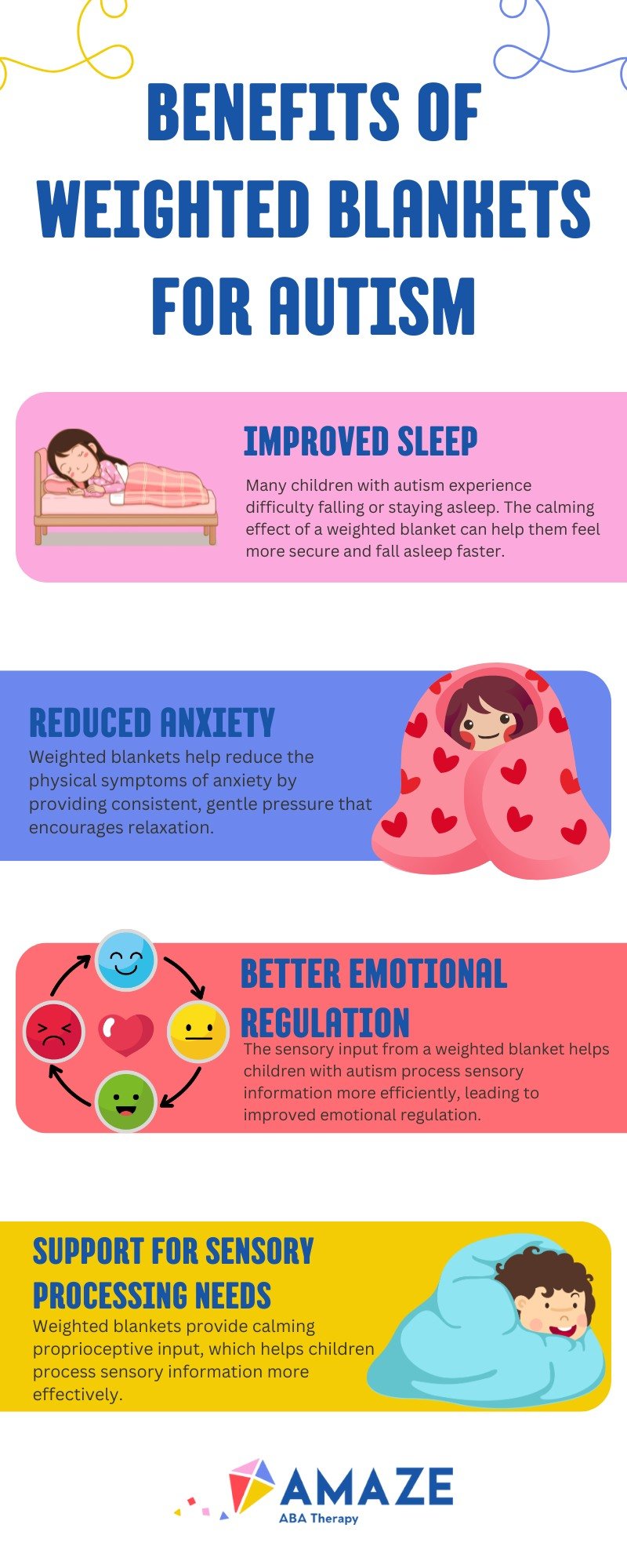
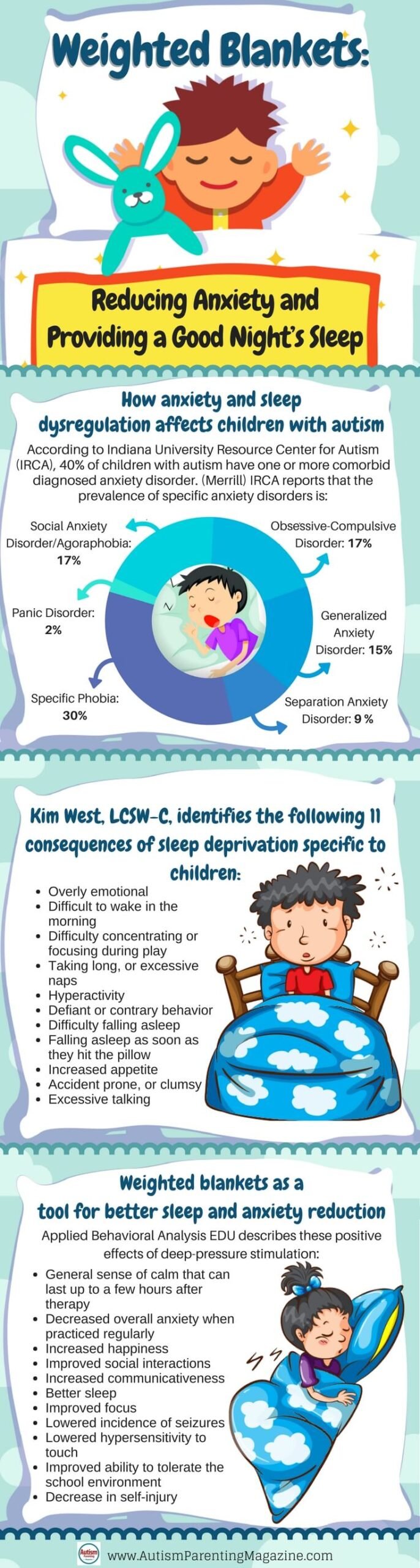
Yes, weighted blankets are also used to help with insomnia, autism spectrum disorder, and ADHD. They may also benefit people with chronic pain or sensory processing disorders, but individual results vary.
Can Weighted Blankets Replace Medication Or Therapy?
Weighted blankets can be a helpful tool, but they should not replace professional treatment for anxiety or other mental health conditions. Always talk to your doctor or therapist before making any changes to your treatment plan.
Feeling anxious can be overwhelming, but there are safe and simple tools to help. Weighted blankets offer a gentle, natural way to feel calmer during anxiety attacks for many people. They work best when combined with other healthy habits and support from professionals.
If you’re considering a weighted blanket, start with the right weight, use it safely, and see how your body responds. Everyone’s journey with anxiety is unique, but small steps like this can make a real difference.