
Faucet Water Filter Vs Pitcher Filter Comparison
Clean drinking water is a basic need, but tap water quality can vary greatly. Many people turn to home water filters to remove impurities, improve taste, and protect their health. Two of the most popular options are faucet water filters and pitcher filters. If you’re not sure which one to choose, this comparison will help you understand the differences, advantages, and limitations of each type. We’ll look at installation, effectiveness, speed, cost, maintenance, and more. By the end, you’ll be ready to select the best water filter for your home.
How Faucet Water Filters Work
Faucet water filters attach directly to your kitchen tap. They have a small cartridge inside that water passes through before it comes out of the faucet. Most use a combination of activated carbon and sometimes other filter media to trap contaminants. You usually switch between filtered and unfiltered water with a lever or button.
Benefits Of Faucet Water Filters
- Convenience: You get filtered water straight from the tap, no need to refill a pitcher.
- Continuous Filtration: As long as the filter cartridge is good, you can fill pots, glasses, or bottles as needed.
- Multiple Uses: Good for cooking, making coffee, or washing fruits with filtered water.
Limitations
- Not universal: Some faucets (like pull-out sprayers) may not fit the filter.
- Can slow down flow: Water comes out slower when the filter is on.
- Visible on sink: The unit stays attached, which some people find unattractive.
How Pitcher Water Filters Work
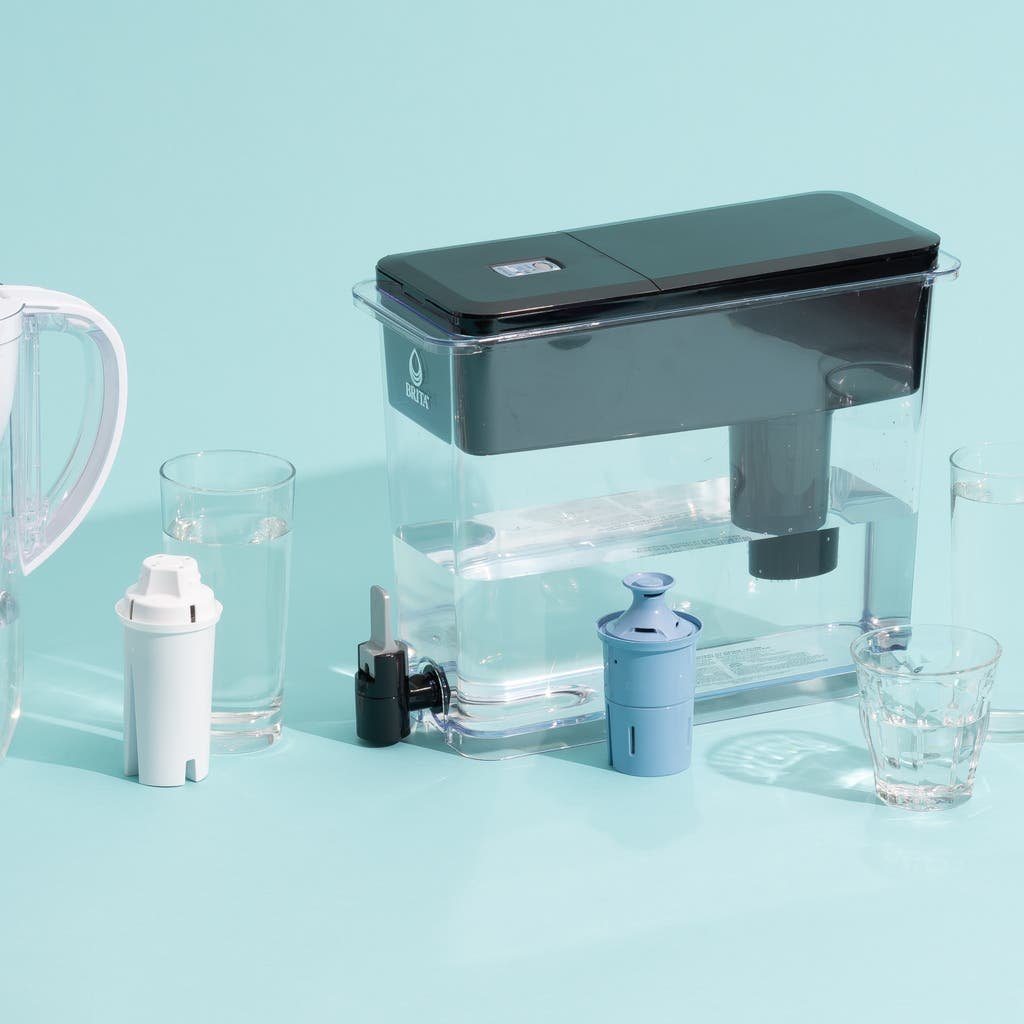
Pitcher water filters are portable jugs with a built-in filter in the lid. You pour tap water into the top, and gravity pulls it through the filter. After a few minutes, the lower part of the pitcher holds the filtered water, ready to drink.
Benefits Of Pitcher Filters
- No installation needed: Just buy, unbox, and use.
- Portable: Take it to the table, fridge, or even outdoors.
- Fits any tap: Doesn’t matter what kind of faucet you have.
Limitations
- Small capacity: Most pitchers hold 5–10 cups, so you have to refill often.
- Slow filtration: It can take several minutes to filter one pitcher.
- Limited uses: Not practical for filling large pots or using for all kitchen tasks.
:max_bytes(150000):strip_icc()/sea-product-dupont-premier-faucet-mount-abigail-clarkin-07-472ab424bbbf4896a2fc5d74588ac27e.jpeg)
Credit: www.seriouseats.com
Installation And Setup
Faucet Filter Installation
Installing a faucet filter usually takes 5–10 minutes. It involves unscrewing the faucet’s aerator and screwing on the filter adapter. Some people need a wrench, but most can do it by hand. No plumbing skills are needed, but you must check compatibility with your faucet type.
Pitcher Filter Setup
A pitcher filter needs no tools or installation. You just wash the pitcher, insert the filter cartridge, and flush the filter as directed (usually run water through it once or twice). This is ideal for renters or people who move often.
Filtration Performance
Both filters use similar technology, but their effectiveness can vary by brand and filter model.
| Contaminant | Faucet Filter | Pitcher Filter |
|---|---|---|
| Chlorine | Removes Most | Removes Most |
| Lead | Removes Most | Removes Some |
| Microplastics | Removes Some | Removes Some |
| Mercury | Removes Most | Removes Some |
| Heavy Metals | Removes Most | Removes Some |
| Fluoride | Not Usually | Not Usually |
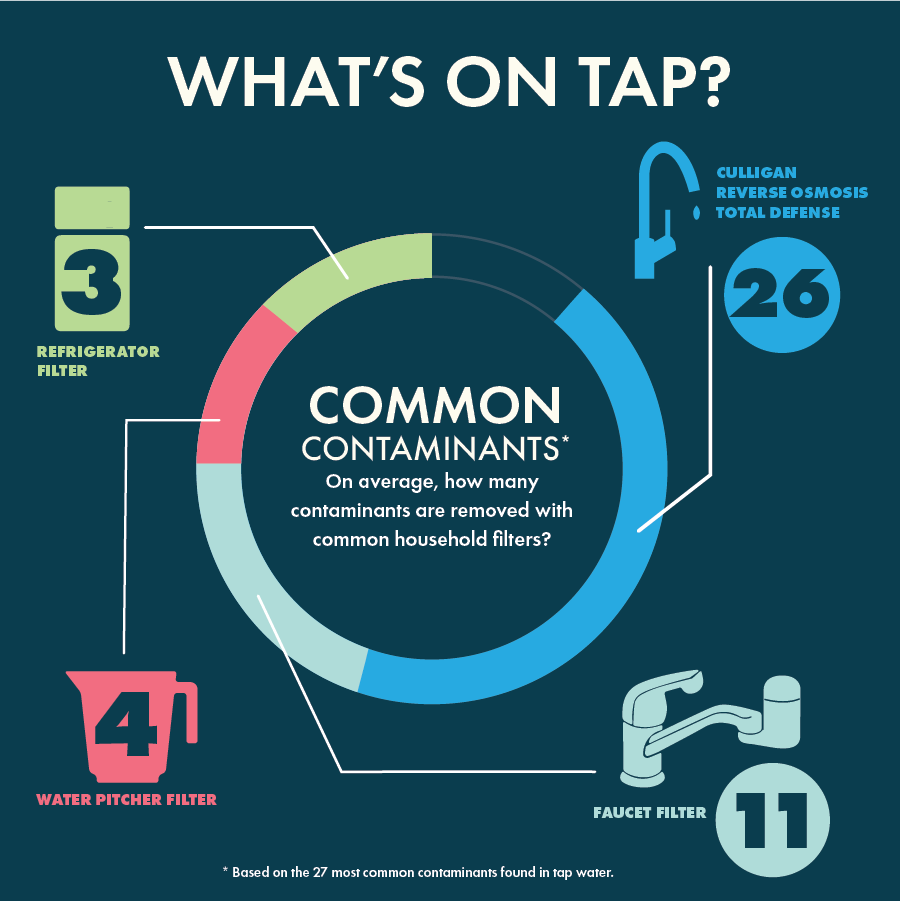
Faucet filters often have more filter media and sometimes include extra layers. This means they can remove more contaminants, especially heavy metals like lead and mercury. Some pitcher filters do a great job, but many are less effective with certain pollutants.
A non-obvious insight: If your water has a specific problem (like high lead), always check the filter’s certification label. Not all filters remove the same things, even from the same brand.
Filter Speed And Flow Rate
Speed matters if you need water for cooking, drinking, and cleaning. Faucet filters provide water on demand, while pitcher filters rely on gravity.
| Type | Average Flow Rate | Practical Use |
|---|---|---|
| Faucet Filter | 1–2 liters/minute | Fill pots, bottles, glasses quickly |
| Pitcher Filter | 0.1–0.3 liters/minute | One pitcher at a time |
If you have a big family or cook a lot, a faucet filter’s speed is a huge advantage. Pitchers can slow you down, especially if several people need water at once.
Water Taste And Odor
Both types can improve the taste and smell of tap water by removing chlorine and organic compounds. In many blind taste tests, people cannot tell the difference between water filtered by a faucet filter and a pitcher filter, as long as the filters are new.
However, taste can change as the filter nears the end of its life. A common mistake is using a filter past its replacement time, which can let bad tastes and odors come back.
Filter Cartridge Lifespan And Replacement
Filter cartridges do not last forever. You need to change them after a set amount of water or time.
- Faucet filter cartridges: Often last for 300–500 liters (about 2–3 months for a family).
- Pitcher filter cartridges: Usually last 150–200 liters (about 1–2 months for a family).
Some advanced faucet filters have reminders (lights or timers) for when to change the cartridge. Most pitchers rely on your memory or a sticker.
A practical tip: Always write the date on the cartridge or set a phone reminder. Old cartridges can grow bacteria or let contaminants through.
Cost And Value
You should consider both the upfront price and the ongoing cost of replacement filters.
Upfront Cost
- Faucet filters: $20–$50 for the unit.
- Pitcher filters: $15–$40 for the pitcher.
Replacement Filters
- Faucet filter cartridges: $8–$20 each.
- Pitcher filter cartridges: $5–$15 each.
Long-term Value
Faucet filters cost more at first, but their cartridges often last longer and filter more water per dollar. If you drink a lot of water, a faucet filter may save money over time.
| Type | Annual Cartridge Cost (Avg.) | Water Per Cartridge |
|---|---|---|
| Faucet Filter | $50–$80 | 300–500 L |
| Pitcher Filter | $60–$120 | 150–200 L |
Non-obvious insight: Pitcher filters can be more expensive if you use a lot of water, as you’ll buy more cartridges per year.
Maintenance And Cleaning
Faucet filters need little cleaning beyond changing the cartridge. You may wipe the unit now and then. Pitcher filters require you to wash the pitcher and lid regularly, as bacteria can grow in standing water. Some pitcher models are dishwasher-safe, but check before washing.
A tip: Never use hot water through either filter—most filter media are damaged by heat and will stop working properly.
Space And Aesthetics
Faucet filters are always visible on your sink, which may not suit everyone’s kitchen style. Pitchers can be stored in the fridge or put away in a cabinet. If you have a small kitchen, think about where you’ll keep the pitcher or if a faucet unit will get in the way.
Portability And Flexibility
Pitcher filters are easy to take anywhere—picnics, office, or even travel. Faucet filters stay fixed in one place. If you move frequently or don’t want to install anything, a pitcher offers more flexibility.
Environmental Impact
Both types create plastic waste from used cartridges, but faucet filters usually need fewer replacements. Some brands have recycling programs, so check before throwing cartridges in the trash. Using a home water filter reduces single-use plastic bottles, which is a big win for the environment.
Credit: www.culligannation.com
When To Choose A Faucet Water Filter
- You want fast, on-demand filtered water
- You use filtered water for cooking, cleaning, and drinking
- Your tap is compatible and you don’t mind a device on your faucet
- You have high water use or a large family
When To Choose A Pitcher Filter
- You need no installation
- You want something portable
- You have a small household or low water use
- You want cold, filtered water from the fridge
Common Mistakes And How To Avoid Them
- Ignoring cartridge change dates: Old filters can grow bacteria or let contaminants through.
- Not checking for NSF/ANSI certifications: Always look for labels to know what your filter removes.
- Using hot water in the filter: This damages most filter types and makes them useless.
- Assuming all filters are equal: Check your local water report and pick a filter that fits your needs.
- Not cleaning pitchers: Mold and bacteria can grow in dirty pitchers.
Real-world Examples
- In cities with old pipes, like parts of Chicago or Flint, faucet filters with lead removal are often the best choice.
- In small apartments or dorm rooms, students use pitcher filters because they’re easy to store and move.
- Large families often prefer faucet filters to avoid the hassle of refilling pitchers multiple times per day.
Credit: www.nytimes.com
Scientific Research And Health Considerations
According to the U.S. Environmental Protection Agency, activated carbon filters can remove many common contaminants, but not all. Always check what your filter is certified to remove. Some harmful bacteria and viruses are not removed by either type—if your water supply is risky, consider boiling or using a reverse osmosis system. For more details on water filter performance, see this Wikipedia article on water filters.
Final Thoughts
Choosing between a faucet water filter and a pitcher filter depends on your kitchen, your water needs, and your lifestyle. Faucet filters offer speed and convenience for high-use situations, while pitcher filters give flexibility and simplicity for small households or people on the move. The most important thing is to use your filter correctly—change cartridges on time, clean regularly, and pick a model certified for your specific water issues. With the right choice, you can enjoy better-tasting, safer water every day.
Frequently Asked Questions
Which Filter Removes More Contaminants?
Most faucet filters remove more contaminants than basic pitcher filters, especially heavy metals like lead. Always check the certification label to see what each filter can remove.
How Often Should I Change The Filter Cartridge?
For faucet filters, change every 2–3 months or 300–500 liters. For pitcher filters, change every 1–2 months or 150–200 liters. Check your product’s instructions for the exact schedule.
Can I Use Hot Water In These Filters?
No. Both faucet and pitcher filters are designed for cold water only. Hot water can damage the filter media and make it less effective.
Are Filtered Water Pitchers Dishwasher Safe?
Some pitchers are, but not all. Always check the manufacturer’s instructions before putting any part in the dishwasher.
Do These Filters Remove Fluoride?
Most standard faucet and pitcher filters do not remove fluoride. If you want fluoride removal, look for specialty filters or consider reverse osmosis systems.