
Choosing the right bed sheets can make a huge difference in your sleep quality and comfort. Two popular types of sheets are flannel and jersey. They both feel soft and cozy, but they have important differences. If you’ve ever wondered why one set of sheets feels warmer or stretches more than another, you’re not alone. Understanding what makes flannel and jersey sheets unique can help you pick the best bedding for your needs, climate, and sleeping style.
This guide explores the real differences between flannel and jersey sheets. We’ll look at how they’re made, how they feel, how they perform in different seasons, and what to consider before buying. You’ll also see practical tips and non-obvious insights that most beginners miss.
Whether you want to stay toasty in winter or prefer a stretchy, t-shirt-like feel, this article will clear up the confusion.
How Flannel Sheets Are Made
Flannel sheets are well-known for their warmth and fuzzy texture. They’re usually made from cotton, but sometimes from wool or synthetic fibers. The key to flannel’s softness is the special process called brushing. During manufacturing, the fabric is brushed on one or both sides. This raises tiny fibers, creating a soft, slightly fluffy surface.
Flannel’s thickness is measured in weight, not in thread count like other sheets. You’ll often see flannel labeled by weight, such as 170 GSM (grams per square meter) or 5 ounces per square yard. Heavier flannel is usually warmer and more durable.
Most flannel sheets are woven in a plain weave or twill weave. Twill weave gives a diagonal pattern that adds strength and makes the sheets less likely to pill.
How Jersey Sheets Are Made
Jersey sheets have a different story. They’re made from cotton or a cotton blend (sometimes with polyester or spandex). Instead of weaving, jersey is knitted, just like your favorite t-shirt. This knitting process gives jersey its stretchy, flexible feel.
Jersey sheets don’t have a brushed surface, but they feel smooth and soft right out of the package. The knit also means they’re less likely to wrinkle, but can sometimes lose shape over time.
Thread count is not used to rate jersey sheets because of the knit. Instead, quality is judged by the type of yarn used and the tightness of the knit.
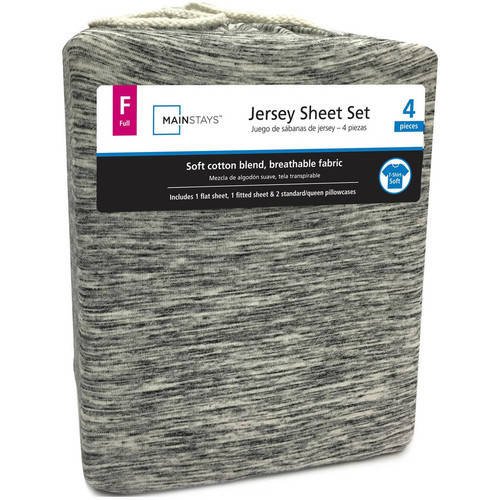
Credit: blog.cozyarray.com
Flannel Vs Jersey: Side-by-side Comparison
To make things clearer, here’s a head-to-head look at the main differences.
| Feature | Flannel Sheets | Jersey Sheets |
|---|---|---|
| Material | Cotton, wool, blends | Cotton or cotton/poly blends |
| Weave/Construction | Woven, brushed | Knit, not brushed |
| Texture | Fuzzy, soft, cozy | Smooth, stretchy, t-shirt like |
| Best For | Cold weather, winter | Year-round, mild weather |
| Wrinkle Resistance | Moderate | High |
| Pilling | Possible over time | Possible, but less common |
Warmth And Breathability
One of the biggest reasons people choose flannel or jersey sheets is for warmth and comfort. But each fabric handles heat and airflow differently.
Flannel is famous for trapping body heat. The fuzzy surface creates tiny air pockets that hold warmth. This makes flannel the go-to choice for winter or cold climates. However, flannel can feel too hot in summer, especially for those who sleep warm.
Jersey, on the other hand, is breathable. The knit structure allows air to flow through, so you won’t overheat. Jersey sheets can feel cozy but aren’t as warm as flannel. They’re a good fit for people who want something soft but not heavy.
Surprisingly, some people find jersey sheets feel cooler in winter if their bedroom is not well heated. That’s because the knit doesn’t trap as much warmth as flannel.
:max_bytes(150000):strip_icc()/SPR-guide-to-bedding-weaves-and-fabrics-350494-Flannel-a4d6669165a64c2ea8da08ad6f71a30a.jpg)
Credit: www.thespruce.com
Texture And Feel
The way sheets feel against your skin matters a lot for sleep quality. Flannel and jersey offer two very different experiences.
- Flannel feels fluffy, velvety, and slightly thick. The brushed surface is gentle, and many people love the “snuggly” sensation. Good flannel gets even softer with each wash.
- Jersey feels like a well-worn t-shirt: Smooth, stretchy, and flexible. If you like your sheets to move with you as you toss and turn, jersey is a great choice.
A detail many people miss: flannel can sometimes shed lint or fuzz at first, while jersey might feel clingy if you sweat a lot at night.
Durability And Lifespan
How long your sheets last depends on quality and how you care for them. But flannel and jersey have different strengths and weaknesses.
- Flannel is tough, especially high-quality cotton flannel. However, the brushed surface can eventually pill (form small fabric balls) if washed with rough items or on high heat. Wool flannel is even more durable but harder to care for.
- Jersey is flexible and resists wrinkling, but cheaper versions can stretch out or lose shape. Over time, jersey may look less crisp, but won’t pill as much as low-quality flannel.
A non-obvious tip: If you want flannel sheets to last longer, wash them separately from towels and avoid fabric softener. For jersey, buy a higher GSM (weight) to avoid sagging.
Care And Maintenance
Good care can add years to your sheets. Here’s how flannel and jersey compare in daily use.
Flannel sheets need gentle washing. Hot water or over-drying causes pilling and reduces softness. Use cold or warm water, mild detergent, and low-heat drying. Avoid bleach or fabric softeners.
Jersey sheets are easygoing. You can wash them like a t-shirt: cold or warm water, tumble dry low. They rarely need ironing, and wrinkles disappear on the bed. But keep an eye on stretching—fold neatly after drying to keep their shape.
For both types, washing before first use removes factory chemicals and boosts softness.
Cost Differences
Price can vary a lot, but some trends are clear.
- Flannel sheets cost more than jersey, especially if made from 100% cotton or imported from Portugal (famous for high-quality flannel). Expect to pay $40–$150 for a queen set.
- Jersey sheets are usually budget-friendly. Cotton blends can be as low as $20–$60 per set, though luxury brands cost more.
Remember, price often reflects quality, especially with flannel. Cheap flannel tends to pill quickly and lose softness.
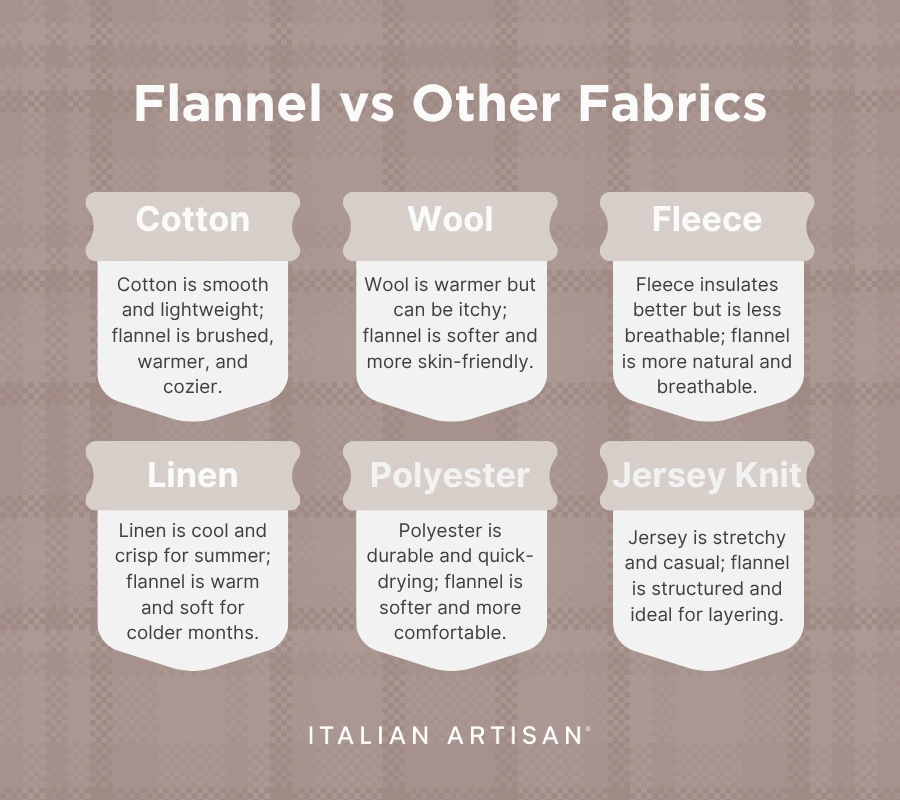
Credit: italianartisan.com
Common Uses And Seasonal Suitability
If you’re not sure which type to buy, think about your climate and how you sleep.
- Use flannel sheets if you want maximum warmth in winter, live in a cold area, or like a heavy, comforting feel.
- Choose jersey sheets for year-round use, especially if your bedroom stays at a moderate temperature.
Some people rotate sheets by season: flannel in winter, jersey (or percale/sateen) in warmer months.
Here’s a quick seasonal overview:
| Season | Flannel Sheets | Jersey Sheets |
|---|---|---|
| Winter | Excellent choice | Good in mild climates |
| Spring | Can be too warm | Comfortable |
| Summer | Often too hot | Good for most people |
| Fall | Very cozy | Comfortable |
Environmental Impact
Both flannel and jersey sheets can be eco-friendly if made from organic cotton. But there are subtle differences.
- Flannel uses more material (heavier weight), so it may have a larger footprint unless made from sustainable fibers.
- Jersey can include synthetic blends, which may not biodegrade.
If you care about the environment, look for GOTS-certified organic flannel or jersey sheets and avoid polyester blends.
Allergies And Skin Sensitivity
Both flannel and jersey sheets are good for sensitive skin if made from pure cotton. But the brushed surface of flannel can sometimes trap more dust, which may bother people with allergies.
Jersey’s smooth knit is less likely to hold dust, but blends with polyester can cause irritation for very sensitive people.
Washing sheets weekly in hot water helps remove allergens, whatever type you choose.
Common Mistakes When Choosing
Many shoppers make simple mistakes when picking sheets:
- Ignoring weight (GSM) for flannel – Higher weight means more warmth and durability.
- Choosing jersey blends without checking the content – Too much polyester can feel hot and sticky.
- Not considering climate – Flannel is great for cold places, but uncomfortable in hot weather.
- Expecting jersey to last as long as woven cotton – Jersey is cozy but may stretch out faster.
- Washing flannel with towels – This increases pilling.
When To Choose Flannel Vs. Jersey
Here are practical examples to guide your choice:
- If you live in Minnesota and your room gets chilly in winter, flannel sheets will keep you warm.
- If you live in Texas and want sheets that breathe and feel like a t-shirt, jersey is the better pick.
- For children’s beds, jersey sheets can be easier to handle and fit snugly on the mattress.
- For guest rooms that aren’t used often, flannel offers a welcoming, “hotel” feel in cold weather.
User Experiences: What People Say
Many people who try both types develop a strong preference. Some say flannel helps them sleep better in winter and feels luxurious. Others love jersey’s laid-back, casual comfort and hate the “fuzziness” of flannel.
One thing beginners often miss: both fabrics get softer with every wash, but low-quality versions can disappoint quickly. Reading reviews and checking for trusted brands can help you avoid common pitfalls.
Popular Brands And Where To Buy
Some top brands for flannel sheets include L.L.Bean, Eddie Bauer, and Boll & Branch. These companies are known for high-quality cotton flannel, often made in Portugal or Germany.
For jersey sheets, brands like Riley, Brooklinen, and Target’s Room Essentials are popular. Jersey sheets are easy to find in most department stores and online.
If you want to learn more about how sheets are rated and what matters most, check resources like the New York Times Wirecutter.
Frequently Asked Questions
What’s The Main Difference Between Flannel And Jersey Sheets?
The main difference is in their construction. Flannel sheets are woven and brushed for warmth and softness, while jersey sheets are knitted and stretchy, feeling like a t-shirt.
Which Is Warmer: Flannel Or Jersey Sheets?
Flannel sheets are warmer. Their brushed surface traps heat, making them perfect for winter. Jersey sheets are cozy but not as warm, making them better for year-round use or mild climates.
Do Flannel Or Jersey Sheets Pill More?
Both can pill, but low-quality flannel is more likely to pill due to its brushed surface. Jersey sheets can pill if made from low-quality yarn or blends, but this is less common.
Are Jersey Sheets Good For People With Allergies?
Jersey sheets made from pure cotton are generally good for allergy sufferers, as they trap less dust. Avoid polyester blends if you have sensitive skin or allergies.
How Can I Make My Flannel Sheets Last Longer?
Wash your flannel sheets separately from rough fabrics, use gentle detergent, and avoid high heat. Skip fabric softeners and bleach, as these can damage the brushed fibers and cause pilling.
A good night’s sleep starts with the right sheets. By understanding the true differences between flannel and jersey, you can choose what’s best for your comfort and climate—and wake up feeling refreshed every day.
