
Rust stains on a bathtub can make even the cleanest bathroom feel old and neglected. You may scrub and scrub, but those reddish-brown marks often refuse to go. The good news is: you can remove rust stains from your bathtub safely and effectively, without damaging the surface. Whether your tub is porcelain, enamel, or acrylic, there’s a method that works. This guide will show you practical steps, smart tips, and important things to avoid. By the end, you’ll know how to restore your bathtub’s shine—and keep it that way.
Why Do Rust Stains Form In Bathtubs?
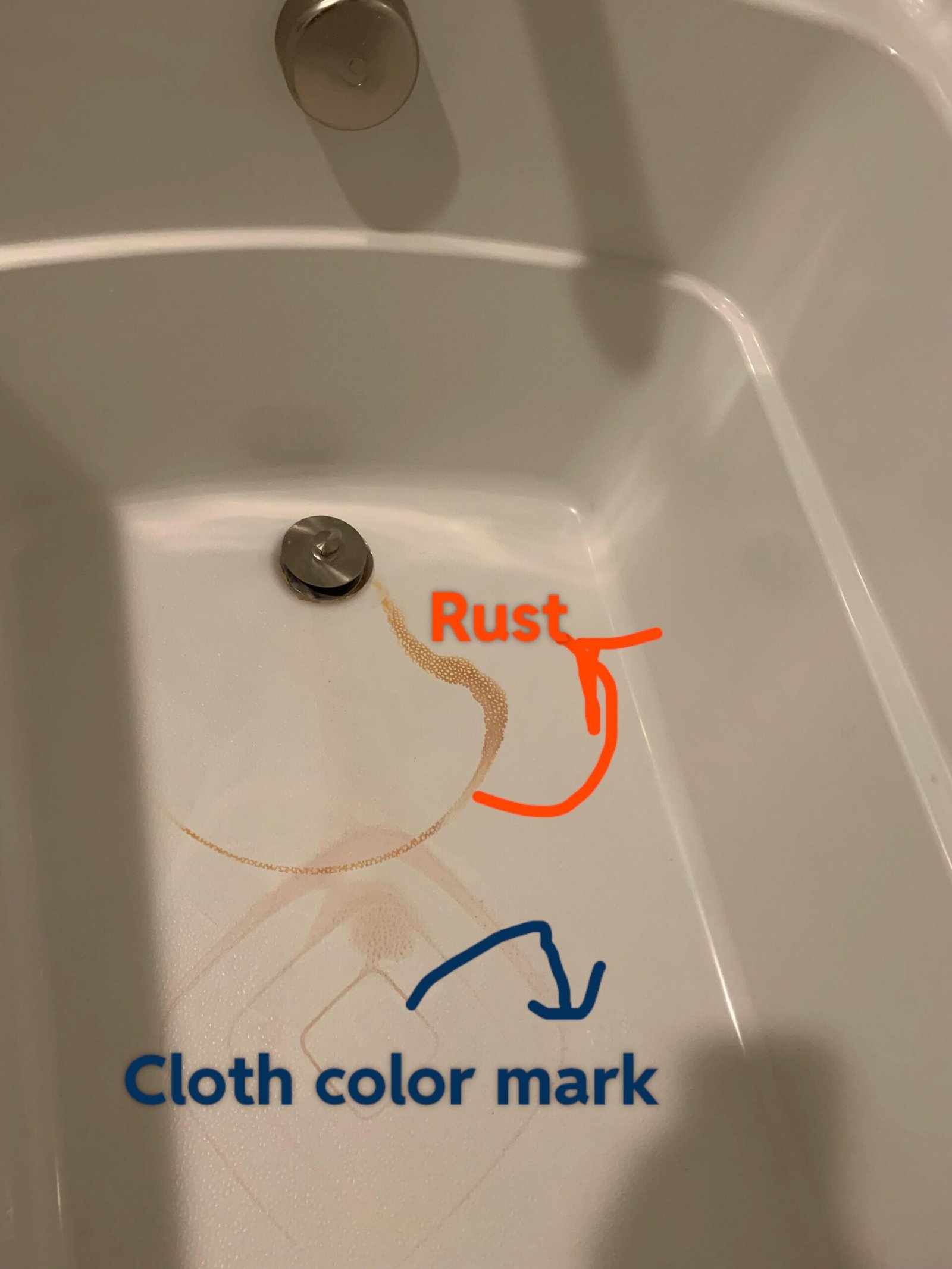
Rust stains usually appear due to iron in your water or from metal objects left on wet surfaces. When water with high iron content contacts your bathtub, it can react with oxygen and leave iron oxide—the scientific term for rust. Even a small metal shaving from a razor or a can of shaving cream can cause a stain.
Many people are surprised to learn that rust stains can form on porcelain, enamel, and acrylic tubs—even though these materials don’t rust themselves. The stains are from rust in the water or from metal objects, not the tub itself. If your home has old pipes or a water heater with corrosion, rust stains may appear more often.
Understanding Your Bathtub Surface
Before you start cleaning, check what your tub is made of. The cleaning method depends on the surface:
| Surface Type | Common Risks | Best Cleaning Approach |
|---|---|---|
| Porcelain | Chips easily, acid-sensitive | Mild abrasives, avoid harsh chemicals |
| Enamel | Scratches, can lose shine | Gentle cleaners, avoid steel wool |
| Acrylic/Fiberglass | Scratches, dulls quickly | Non-abrasive, baking soda-based solutions |
Porcelain tubs feel cold to the touch and sound “hard” when tapped. Acrylic and fiberglass tubs feel warmer and lighter. If you’re unsure, check the manufacturer’s label or consult a professional.
Credit: www.reddit.com
Essential Tools And Products For Rust Removal
You don’t need to buy expensive products. Most rust stains can be treated with household items you already have. Here’s what you’ll need:
- Baking soda – gentle abrasive, lifts stains
- White vinegar – dissolves mineral buildup
- Lemon juice – natural acid, effective on rust
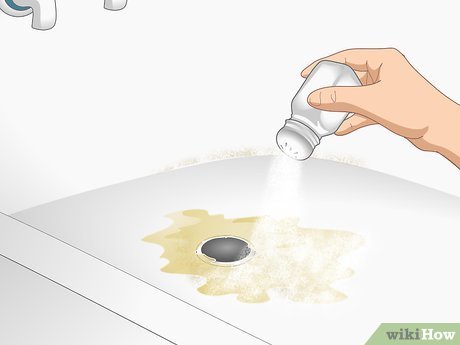
- Table salt – boosts scrubbing power
- Cream of tartar – often used for stubborn stains
- Hydrogen peroxide – mild bleach, for brightening
- Commercial rust remover – for severe stains (use with caution)
- Soft sponge or cloth – prevents scratching
- Rubber gloves – protects your skin
- Old toothbrush – for scrubbing small areas
Pro Tip: Never use steel wool or highly abrasive pads, especially on acrylic or enamel tubs. They will scratch and damage the surface.
Home Remedies To Remove Rust Stains
Baking Soda And Vinegar Method
This is the most popular way to remove rust stains, especially on porcelain and enamel tubs.
- Sprinkle a generous layer of baking soda over the rust stain.
- Spray or pour white vinegar onto the baking soda. It will fizz.
- Let the mixture sit for 15–30 minutes. The fizzing helps break down the rust.
- Scrub gently with a soft sponge or old toothbrush.
- Rinse with warm water. Repeat if needed.
This method works well for light and medium stains. If the stain remains, try again or increase the soak time.
Lemon Juice And Salt Paste
Lemon juice is a natural acid and salt adds scrubbing power.
- Cut a lemon in half and squeeze the juice onto the stain.
- Sprinkle table salt over the juice. It should make a paste.
- Let it sit for 15–45 minutes (longer for tough stains).
- Scrub with a sponge or brush, then rinse.
This method is gentle and effective for most tubs, especially acrylic.
Cream Of Tartar And Hydrogen Peroxide
For old or stubborn stains, try this approach.
- Mix cream of tartar and a few drops of hydrogen peroxide into a thick paste.
- Apply the paste to the stain.
- Let it sit for 30 minutes.
- Scrub gently, then rinse.
This combination is safe for most surfaces but always test a small area first.
Using Commercial Rust Removers
Sometimes, home remedies aren’t enough. There are commercial products designed for rust removal. Look for brands that say “safe for bathtubs” or “non-abrasive.” Products with oxalic acid are common and effective.
How to Use Commercial Rust Remover:
- Read the label and make sure it’s safe for your tub’s material.
- Wear rubber gloves and open a window for ventilation.
- Apply the product as directed, usually with a cloth or sponge.
- Let it sit for the specified time—never longer.
- Rinse thoroughly with water.
- Wipe the area to remove any residue.
| Product Type | Strength | Surface Safety |
|---|---|---|
| Oxalic acid-based | High | Porcelain, enamel (test acrylic first) |
| Gel removers | Medium | All surfaces (check label) |
| Spray cleaners | Low–medium | Most surfaces |
Warning: Never mix chemicals. For example, don’t use a rust remover right after bleach—you could create dangerous fumes.
Common Mistakes To Avoid
Many homeowners accidentally damage their tubs while trying to remove rust. Here are some common mistakes:
- Using steel wool or metal brushes: This scratches and exposes more surface to rust.
- Mixing cleaners: This can produce toxic gas, especially with bleach and ammonia.
- Leaving acidic or chemical cleaners on too long: Prolonged exposure can dull or etch the surface.
- Skipping a spot test: Always test any new product on a hidden area first.
- Not rinsing thoroughly: Leftover cleaner can cause new stains or surface damage.
One non-obvious insight: Even “gentle” cleaners can cause problems if used too often. Space out cleaning sessions and avoid over-scrubbing.
Preventing Rust Stains In The Future
Once you’ve removed the stains, you want to keep your tub clean. The most effective steps are simple:
- Dry the tub after use: Wipe down with a towel to prevent standing water.
- Remove metal objects: Don’t leave razors, cans, or tools on the edge of the tub.
- Install a water softener or filter: If your water has high iron content, this will help prevent stains.
- Clean regularly: Use a mild bathroom cleaner weekly.
- Fix leaks quickly: Dripping faucets can create constant damp spots, which attract rust.
A surprising tip: Even decorative metal shower baskets or soap holders can cause stains. Choose plastic or rust-resistant stainless steel accessories instead.
When To Call A Professional
Most rust stains can be handled at home. But there are times when professional help is needed:
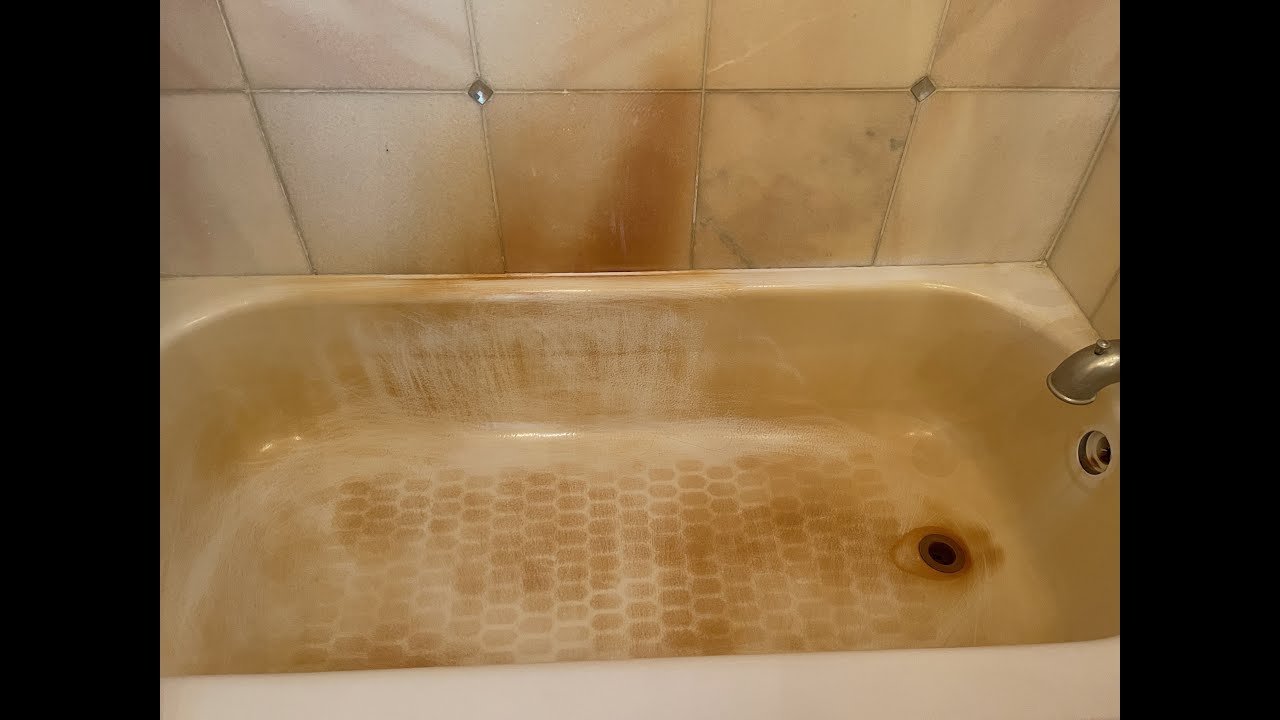
- The stain covers a large area and won’t budge.
- The tub’s surface is deeply scratched, pitted, or peeling.
- You notice rust coming from behind the tub or around the drain.
A professional can assess if the tub needs refinishing or deeper repair. This is especially important if you have a vintage porcelain tub, which can be valuable.
Credit: www.youtube.com
How Rust Stain Removal Differs By Bathtub Material
Not all tubs react the same way to cleaning. Here’s a quick comparison:
| Material | Best Methods | What to Avoid |
|---|---|---|
| Porcelain | Baking soda & vinegar, commercial rust remover | Strong acids, steel wool |
| Enamel | Lemon & salt, mild gel cleaner | Harsh abrasives, bleach |
| Acrylic/Fiberglass | Baking soda paste, gentle scrubbing | Rough pads, strong chemicals |
If your tub is old, or you’re unsure of the material, always start with the gentlest method.
Environmental And Health Considerations
Some rust removers contain strong chemicals that can irritate your skin, eyes, or lungs. Always wear gloves and ensure good ventilation. If you prefer eco-friendly solutions, stick with baking soda, vinegar, or lemon juice.
If you have children or pets, store all cleaning products out of reach and rinse the tub well before use.
For more details on rust chemistry and household solutions, visit this Wikipedia article on rust.
Credit: www.wikihow.com
Frequently Asked Questions
What Causes Rust Stains To Keep Coming Back?
Rust stains often return if the source isn’t fixed. Common causes are iron in water, old pipes, or leaving metal objects on the tub. Check your water supply and avoid leaving razors or cans in the tub.
Is It Safe To Use Bleach On Rust Stains?
Bleach is not effective on rust and can actually make stains worse. It reacts with iron and can set the stain permanently. Use other methods like baking soda, vinegar, or a commercial rust remover instead.
How Can I Tell If My Tub Is Porcelain Or Acrylic?
Tap the side of the tub. Porcelain feels cold and hard, and makes a ringing sound. Acrylic feels warmer and is lighter. If in doubt, check the manufacturer’s label or user manual.
Can I Use The Same Rust Remover For Sinks And Toilets?
Most bathtub rust removers are also safe for sinks and toilets, but always check the label. Test a small area first, especially on colored porcelain or enamel.
Will Removing Rust Stains Damage My Bathtub?
If you use gentle methods and avoid strong abrasives or harsh chemicals, your bathtub will not be damaged. Always rinse well and do a spot test with any new cleaner.
Rust stains can be frustrating, but with the right approach, your bathtub can look bright and welcoming again. Take action early, clean gently, and your bathroom will stay fresh for years to come.