
Living with eczema is more than dealing with dry, itchy skin. The condition can make everyday tasks uncomfortable, especially when it comes to getting a good night’s sleep. For many, sleeping with eczema feels like a nightly battle — the sheets can scratch, retain heat, or even trap allergens, making symptoms worse.
The right bedding can make a big difference. Choosing materials and designs that soothe sensitive skin and help you wake up refreshed is not just a luxury, but a necessity for eczema sufferers. But what bedding really works best? Let’s look closely at the science, materials, and smart choices that can help you sleep better, itch less, and improve your skin health.
Understanding Eczema And Its Triggers At Night
Eczema, also called atopic dermatitis, is a chronic skin problem that causes inflammation, dryness, and intense itching. While the exact cause is still not fully understood, experts know that genetics, immune response, and environmental factors play a role.
Nighttime is often when eczema feels worst. This happens for a few reasons:
- The body’s natural cortisol (an anti-inflammatory hormone) drops at night, making inflammation and itching stronger.
- Heat and sweat build up under the covers, irritating skin.
- Friction from sheets and pillowcases can trigger scratching.
Understanding these triggers helps guide bedding choices. The right bedding can reduce friction, control temperature, and keep moisture balanced — all key for managing eczema overnight.
Key Factors When Choosing Bedding For Eczema
Not all bedding is created equal. Eczema sufferers need to pay attention to several factors that go beyond color or style.
1. Fabric Material
Some fabrics are naturally soothing, while others can make eczema worse. Here’s what to look for:
- Natural fibers (like cotton, bamboo, or silk) are usually best because they are soft, breathable, and less likely to cause irritation.
- Synthetic materials (like polyester or microfiber) often trap heat and may feel rough on sensitive skin.
2. Thread Count And Weave
Many people believe that higher thread count means softer sheets, but this is not always true for eczema.
- Medium thread count (between 200-400) is often softer and more breathable. Very high counts can make fabric dense and less airy.
- Sateen weave feels smooth and gentle, while percale is crisp and cool.
3. Moisture Management
Sweat and moisture can make eczema worse. Good bedding should wick away moisture and dry quickly.
4. Hypoallergenic Properties
Bedding that resists dust mites, mold, and allergens is important because these can trigger eczema flares.
5. Easy To Wash
Frequent washing is needed to remove skin flakes, sweat, and allergens. Bedding should handle regular washing without breaking down.
Credit: www.dustmiteallergysolutions.com.au
Best Bedding Materials For Eczema Sufferers
Let’s look at the most recommended bedding fabrics, their pros and cons, and how they compare for eczema relief.
| Material | Breathability | Softness | Hypoallergenic | Ease of Care |
|---|---|---|---|---|
| Cotton | High | Very Soft | Good | Easy |
| Bamboo | Very High | Silky Soft | Excellent | Easy |
| Silk | High | Luxuriously Soft | Excellent | Delicate |
| Linen | Excellent | Crisp, Softens Over Time | Good | Easy |
| Microfiber/Polyester | Low to Medium | Varies | Poor | Easy |
Cotton
Cotton sheets are a classic choice for eczema. They are breathable, soft, and easy to wash. Look for 100% organic cotton to avoid pesticides or chemical treatments. Egyptian or Pima cotton is especially gentle, but even standard cotton is a good option as long as it is not blended with irritating synthetics.
Bamboo
Bamboo bedding has become popular for people with sensitive skin. It is naturally hypoallergenic and wicks moisture well. Bamboo is also antibacterial, which helps keep dust mites and other allergens away. Some people find bamboo sheets even softer than cotton, with a cool, silky feel.
Silk
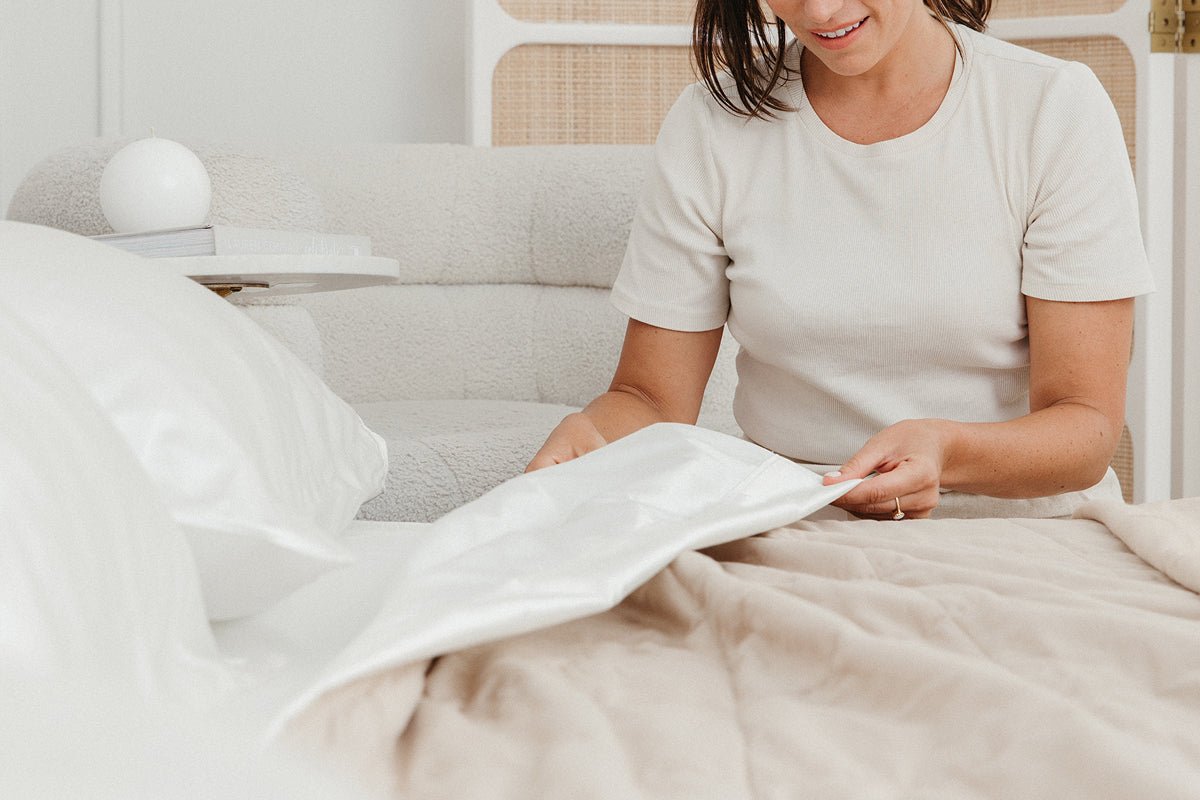
Silk pillowcases and sheets are often recommended for eczema, especially for facial eczema. Silk is naturally smooth, reducing friction and helping prevent skin irritation. It’s also hypoallergenic. The main downside is care: silk needs gentle washing and can be expensive.
Linen
Linen bedding is made from flax fibers and is known for its breathability. It absorbs moisture well and grows softer with each wash. Some eczema sufferers find linen a bit rough at first, but high-quality linen will become gentle over time.
Avoid: Microfiber And Polyester
Synthetic fabrics like microfiber or polyester are often less expensive but can make eczema worse. They trap heat and moisture, creating a warm, damp environment that can trigger itching and irritation.
Choosing The Right Pillowcases And Duvet Covers
Sheets aren’t the only bedding to consider. Pillowcases and duvet covers touch the skin for hours each night, so their material matters too.
- Use the same fabric for pillowcases as your sheets (cotton, bamboo, silk).
- For facial eczema, silk pillowcases reduce friction, helping prevent redness and flare-ups.
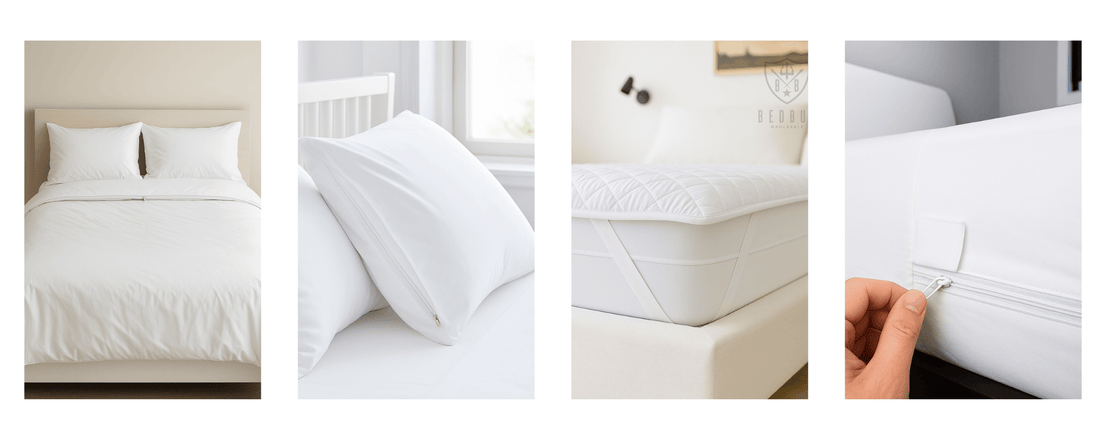
- Choose zippered covers for pillows and duvets to keep out dust mites.
A small but powerful tip: wash pillowcases at least twice a week. This reduces oil, sweat, and bacteria that can build up and irritate skin.
Credit: smartsilk.com
How Mattress Protectors Affect Eczema
Mattress protectors are often forgotten in eczema care, but they are important for keeping your sleep surface clean and allergen-free. Look for hypoallergenic mattress encasements that:
- Fully cover the mattress (not just the top)
- Are made from natural or breathable materials
- Can be washed at high temperatures (at least 60°C/140°F) to kill dust mites
Avoid protectors with plastic or vinyl coatings, as these can trap heat and moisture.
Comparing Bedding Weaves For Sensitive Skin
The way fabric is woven can affect its feel and performance.
| Weave Type | Texture | Best For |
|---|---|---|
| Percale | Crisp, Cool | Hot sleepers, summer |
| Sateen | Silky, Smooth | Year-round, sensitive skin |
| Jersey | Stretchy, Soft | Cool climates, comfort |
| Linen | Textured, Breathable | Hot sleepers, humid areas |
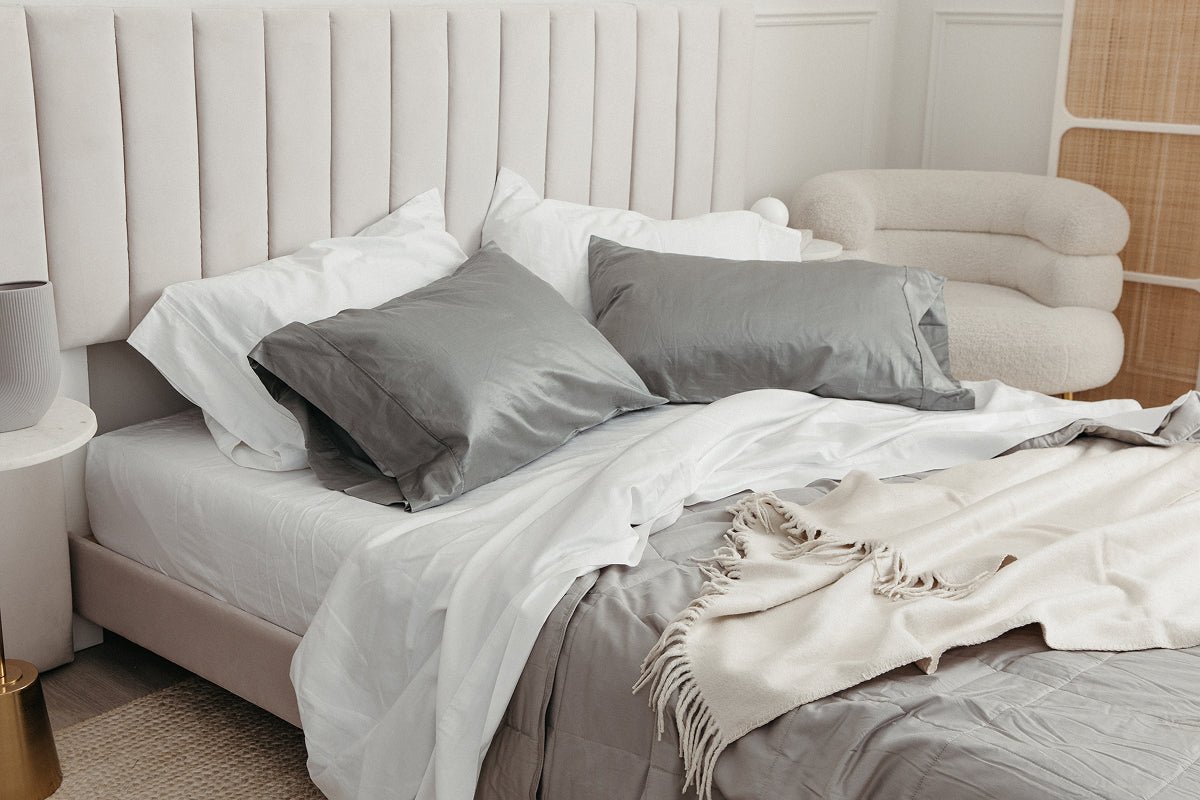
Sateen is often the top choice for eczema, as its smooth surface reduces friction. Percale is also good, especially for those who get hot at night.
Credit: smartsilk.com
The Role Of Allergens And Dust Mites
Dust mites are a common trigger for eczema. They feed on skin flakes and thrive in bedding. Symptoms can get worse if bedding is not kept clean and allergen-proof.
- Use allergen-proof covers for pillows and mattresses.
- Wash all bedding weekly in hot water.
- Avoid down-filled comforters and pillows, as they can harbor mites.
A non-obvious tip: Air out your bedding in sunlight when possible. UV light can kill dust mites and bacteria naturally.
Bedding Care Tips For Eczema Relief
How you care for your bedding is just as important as the bedding itself.
- Wash sheets weekly in hot water (at least 60°C/140°F) to kill dust mites and remove skin cells.
- Use fragrance-free, gentle laundry detergent. Avoid fabric softeners, as they can leave irritating residues.
- Dry bedding completely before use to prevent mold and mildew.
- Change pillowcases at least twice a week, especially if you sweat at night or use creams on your face.
- Replace pillows every 1-2 years; old pillows collect dust mites and allergens.
Common Mistakes To Avoid
Even with good bedding, some habits can make eczema worse:
- Choosing blended fabrics (like cotton-polyester blends) which trap heat and moisture.
- Using colored or printed sheets with harsh dyes or chemicals.
- Overloading the washing machine so bedding doesn’t get clean.
- Skipping regular washing, which allows allergens to build up.
- Ignoring pillow and mattress protectors.
Cost Vs. Comfort: Is Expensive Bedding Worth It?
Many eczema-friendly bedding options, like organic cotton or silk, are more expensive. Is the price justified? For many, investing in high-quality bedding pays off in better sleep and fewer flares. However, you don’t need the most expensive brand. Focus on:
- 100% natural fibers
- Hypoallergenic properties
- Easy care instructions
Even basic cotton sheets can be soothing if they are washed often and kept clean.
Real-life Example: How Bedding Changed Sleep For One Eczema Sufferer
Maria, age 32, struggled with eczema flare-ups every night. She used standard polyester sheets and often woke up scratching. After switching to bamboo bedding and a silk pillowcase, she noticed her skin was less red and she slept more soundly. “I thought bedding was just about comfort,” Maria says, “but the right sheets made a bigger difference than some of my creams.”
Simple Buying Checklist For Eczema-friendly Bedding
- 100% cotton, bamboo, linen, or silk (no blends)
- Hypoallergenic and dust mite-resistant
- Sateen or percale weave for smoothness
- No harsh dyes or chemical finishes
- Machine washable at high temperature
- Zippered pillow and mattress protectors
When To Replace Your Bedding
Old bedding can be a hidden trigger for eczema flares. Replace when you notice:
- Sheets feel rough or lose softness
- Pillows are flat or smell musty
- Mattress protectors are torn or stained
As a rule, sheets should be replaced every 1-2 years, pillows every 1-2 years, and protectors every 2-3 years.
Eczema And Bedding: Scientific Evidence
Research supports the link between bedding and eczema. One study found that using allergen-proof bedding covers reduced eczema symptoms in children by over 50%. Another showed that silk bedding improved comfort and reduced itching for adults with atopic dermatitis. For more on the science, visit the National Institutes of Health.
Frequently Asked Questions
What Is The Best Fabric For Eczema Sufferers?
Cotton, bamboo, and silk are the best fabrics because they are soft, breathable, and less likely to irritate sensitive skin. Avoid synthetic materials like polyester.
How Often Should Bedding Be Washed For Eczema?
Wash all bedding at least once a week in hot water. Pillowcases may need to be washed 2-3 times per week, especially if you sweat at night.
Are Hypoallergenic Sheets Necessary For Eczema?
Hypoallergenic sheets are not required, but they help reduce exposure to dust mites and allergens, which can trigger eczema. They are a smart choice for sensitive skin.
Is Silk Really Better For Eczema-prone Skin?
Silk is very smooth and reduces friction, which is helpful for facial eczema or sensitive areas. However, it can be expensive and requires gentle washing.
Can Fabric Softener Make Eczema Worse?
Yes. Fabric softeners often leave residues and contain fragrances that can irritate eczema-prone skin. Use a fragrance-free, gentle detergent instead.
Finding the right bedding can transform sleep for people with eczema. With smart choices and careful care, you can reduce night-time itching, enjoy better rest, and help your skin heal. Remember, bedding is not just about comfort—it’s a powerful tool in your eczema management plan.