
When the summer heat arrives, sleeping can become a real challenge. The choice of your bed sheets makes a big difference in how comfortable you feel at night. Two of the most popular choices are microfiber sheets and cotton sheets. Both have passionate fans, but which one is truly better for hot weather? This guide will help you understand the strengths and weaknesses of each, using clear examples and real data, so you can choose the best sheets for your summer nights.
What Are Microfiber Sheets?
Microfiber is a synthetic material made from very thin fibers, usually polyester or nylon. The fibers are much finer than a strand of silk. Manufacturers weave these tiny threads tightly together, which gives microfiber sheets their smooth feel.
Microfiber sheets are known for being soft, lightweight, and affordable. They are often used in hotels and budget-friendly bedding sets. Some people describe them as feeling almost “silky” or “buttery” on the skin.
One thing many beginners miss is that microfiber is not a single type of fabric. Quality can vary a lot depending on the fiber thickness and how tightly they are woven. Cheaper microfiber sheets may feel rough or even trap heat more than higher-quality options.
What Are Cotton Sheets?
Cotton is a natural fiber grown from the cotton plant. It has been used for bedding for hundreds of years. Cotton sheets are available in many styles, from budget to luxury, and in different weaves like percale and sateen.
Cotton is famous for its breathability and softness. High-quality cotton sheets get softer with every wash. They are also known for being gentle on sensitive skin and long-lasting if cared for properly.
Many people do not realize that the type of cotton and the weave make a big difference. For example, Egyptian cotton is prized for its strength and smoothness, while percale weave is crisp and cool—perfect for summer.
Credit: amerisleep.com
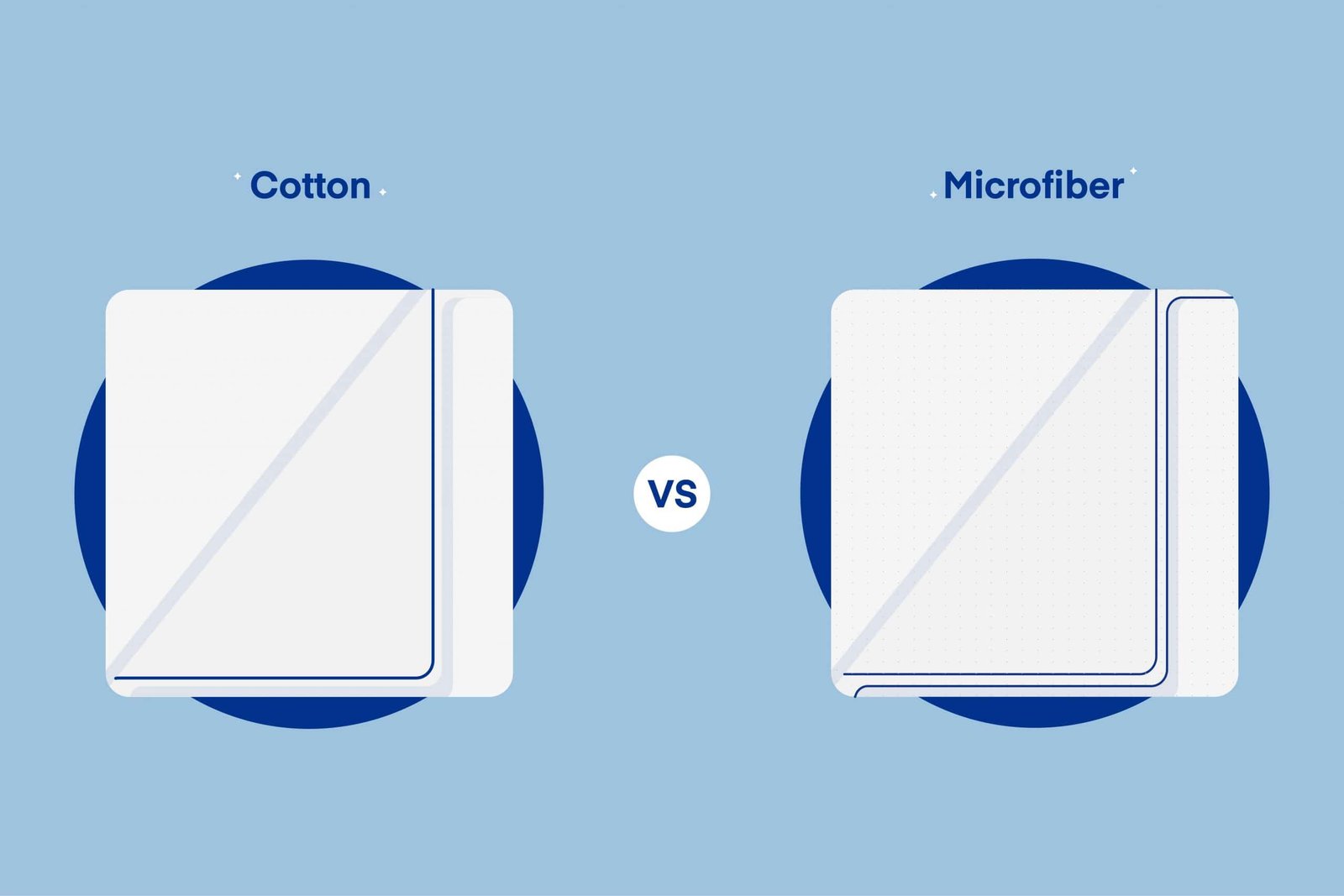
Key Differences: Microfiber Vs Cotton Sheets
To make things clearer, here’s a direct comparison of the main points that matter in summer.
| Feature | Microfiber Sheets | Cotton Sheets |
|---|---|---|
| Material | Synthetic (polyester/nylon) | Natural (cotton plant) |
| Breathability | Low to medium | High |
| Moisture Wicking | Good, but can trap heat | Excellent (especially percale) |
| Softness | Very soft, silky | Soft, gets softer with time |
| Durability | Good, less pilling if high quality | Excellent with proper care |
| Allergy Friendly | Good (dust mite resistant) | Better for sensitive skin |
| Care | Easy, quick-drying | Easy, but may wrinkle |
| Price | Usually less expensive | More range (from budget to luxury) |
How Microfiber Sheets Perform In Summer
Many people choose microfiber sheets because they are soft and affordable. But are they a good choice for hot nights? Here is what you should know:
- Heat Retention: Microfiber’s tightly woven threads can trap body heat. This means you might feel warmer, especially if you are a hot sleeper or live in a humid area.
- Moisture Wicking: High-quality microfiber can wick away sweat, but cheaper versions often do not breathe well. You might wake up feeling sticky.
- Lightweight Feel: Microfiber sheets are very thin and light. This feels nice at first, but it can sometimes give a “plastic” sensation, which not everyone likes.
- Easy Care: These sheets dry quickly and resist wrinkles. They are a good choice if you do not want to iron your sheets.
Non-obvious insight: Not all microfiber sheets are the same. Look for those labeled as “brushed” or “double-brushed” for a softer, cooler touch. Avoid very cheap options, as they may feel hot and uncomfortable.
How Cotton Sheets Perform In Summer
Cotton is often called the “king of cool” for bedding. This is because of its natural properties:
- Breathability: Cotton fibers allow air to flow freely. This helps your body stay cool and sweat evaporate quickly.
- Moisture Absorption: Cotton can absorb up to 27 times its weight in water. This means it pulls sweat away from your skin, keeping you dry.
- Comfort: High-quality cotton sheets become even softer with each wash. They are gentle on sensitive skin, which is important in hot weather.
- Versatility: Different weaves can change how cool the sheet feels. Percale is crisp and cool, while sateen is softer but warmer.
Non-obvious insight: The thread count is less important than the type of cotton and the weave. A 250-thread-count percale cotton sheet can feel cooler than a 600-thread-count sateen.
Weave Type: Why It Matters In Summer
The way a sheet is woven affects how it performs in heat.
- Percale: A simple, tight weave that creates a crisp, lightweight sheet. Percale cotton sheets are known for their cool feel and matte finish.
- Sateen: A looser weave that feels silkier and a bit heavier. Sateen cotton sheets are smoother but can trap more heat.
- Brushed Microfiber: This weave adds softness but can make the sheet warmer.
Here’s a quick look at how weave changes the summer feel:
| Weave Type | Best For | Summer Comfort |
|---|---|---|
| Percale (Cotton) | Hot sleepers | Excellent |
| Sateen (Cotton) | People who want softness | Good, but warmer |
| Brushed Microfiber | People who like silky feel | Medium, can be hot |
Durability And Longevity In Summer Conditions
Hot weather and frequent washing can shorten the life of your sheets. Both microfiber and cotton have their own strengths:
- Microfiber: These sheets are resistant to shrinking and fading. They dry quickly and usually do not wrinkle. However, cheap microfiber can pill (form tiny balls) and lose softness after many washes.
- Cotton: High-quality cotton sheets can last for years, even with heavy summer use. They become softer and more comfortable over time. Be aware: cheap cotton sheets may shrink and wear out quickly.
A practical tip: Wash sheets in cool water and avoid high heat when drying to help them last longer, no matter the material.
Allergy And Skin Considerations
Summer heat can make allergies and skin irritation worse. Here’s how each sheet type helps:
- Microfiber: The tight weave of microfiber can block dust mites and allergens. It is a good choice for people with dust allergies.
- Cotton: Cotton is naturally hypoallergenic and gentle on sensitive skin. It is the best choice for people with eczema or skin rashes, especially in hot, sweaty weather.
Important: Some microfiber sheets are treated with chemicals to resist stains or wrinkles. These can sometimes irritate sensitive skin. Always wash new sheets before using them.
Credit: americanblossomlinens.com
Environmental Impact
Many people are concerned about the environment when buying bedding.
- Microfiber: Made from plastic-based materials (polyester, nylon). These are not biodegradable. During washing, microfiber can shed tiny plastic fibers, which may pollute water.
- Cotton: As a natural fiber, cotton is biodegradable. However, growing cotton can use a lot of water and pesticides. Organic cotton is a better choice for the environment.
If sustainability matters to you, look for certified organic cotton sheets or recycled microfiber options.
Price: What Should You Expect?
Price often makes the final decision for many buyers. Here’s what you need to know:
- Microfiber sheets are usually less expensive. You can often find a queen set for $20–$30.
- Cotton sheets range from $25 for basic to $100+ for high-quality Egyptian or organic cotton.
Do not assume higher price means better quality. Check the weave, fiber type, and brand reputation before buying.
Credit: www.amazon.com
Real User Experiences
Let’s look at a few real-world examples:
- Ana, Miami: “I switched to percale cotton sheets for summer. My room stays cool, and I don’t wake up sweaty like I did with microfiber.”
- Ravi, India: “Microfiber sheets are good for the price, but they sometimes feel hot when humidity is high. I use them in winter, not summer.”
- Linda, UK: “I love how easy microfiber is to wash and dry. But for July and August, I always go back to cotton for a cooler sleep.”
These stories show that there is no single “best” sheet for everyone. Your climate, how much you sweat, and your budget all play a role.
Making The Right Choice For Your Summer Sheets
When choosing between microfiber and cotton sheets for summer, think about these key points:
- Climate: If you live in a hot, humid area, cotton (especially percale) will keep you cooler.
- Sweating: Cotton absorbs sweat better, so you stay dry. Microfiber may trap moisture.
- Allergies/Skin: Cotton is safer for sensitive skin. Microfiber can block dust mites but may irritate some people.
- Budget: Microfiber is cheaper but may not last as long. Cotton is more expensive but gets better over time.
- Care: Microfiber is easy to wash and dries fast. Cotton may wrinkle and take longer to dry.
For most people, cotton sheets—especially percale weave—are the best choice for summer comfort. If you are on a tight budget or want something low-maintenance, microfiber can work, but pick a high-quality version.
How To Identify Quality Sheets
No matter which material you choose, look for:
- Tight, even stitching: This means the sheet will last longer.
- Good return policy: Try the sheets for a few nights. If you sweat or feel itchy, return them.
- Brand reputation: Established brands usually have better quality control.
A common mistake is to choose the highest thread count. For summer, a thread count of 200–400 in cotton is often best for breathability.
If you want to learn more about the science of sheets, you can check this resource: Wikipedia: Bed sheet.
Frequently Asked Questions
Are Microfiber Sheets Cooler Than Cotton Sheets In Summer?
Usually, cotton sheets are cooler in hot weather. Cotton breathes better, allowing air to move and sweat to evaporate. Microfiber can feel soft and cool at first, but it often traps heat, making you warmer during the night.
Do Microfiber Sheets Make You Sweat?
Some people find that microfiber sheets make them sweat, especially if they are low quality. This is because the tight weave can trap body heat and moisture. Higher-quality microfiber may wick moisture, but cotton is usually better for sweaty sleepers.
What Is The Best Weave For Cotton Sheets In Summer?
Percale weave is the best for summer. It is a simple, tight weave that feels crisp and cool. Sateen weave is softer but warmer, so it is less ideal for hot nights.
Are Microfiber Sheets Bad For The Environment?
Microfiber sheets are made from synthetic materials and can shed tiny plastic fibers when washed. These microplastics can pollute water and harm wildlife. Cotton is a better choice for the environment, especially if it is organic.
How Often Should You Wash Summer Sheets?
It is best to wash your sheets every week in summer. Sweat, skin oils, and dust build up faster in hot weather. Both microfiber and cotton sheets should be washed regularly for comfort and hygiene.
Choosing the right sheets for summer can transform your sleep. By understanding the differences between microfiber and cotton, you can make a smart choice for cool, comfortable nights—even when the temperature rises.