
Keeping your comforter clean isn’t just about appearance—it’s also about health and sleep quality. Many people wonder, “How often should you wash comforters? ” The answer isn’t as simple as once a year or every month. It depends on several factors, including your lifestyle, allergies, the type of comforter you own, and even your local climate.
Understanding the right washing frequency helps extend your bedding’s life and keeps your bedroom a healthier place.
In this article, you’ll learn the right schedule for washing comforters, what affects the timing, and how to do it properly. We’ll also address common mistakes, give practical tips, and answer the most frequent questions people have. By the end, you’ll know exactly how to care for your comforter and keep your sleep space fresh and inviting.
Why Comforter Washing Frequency Matters
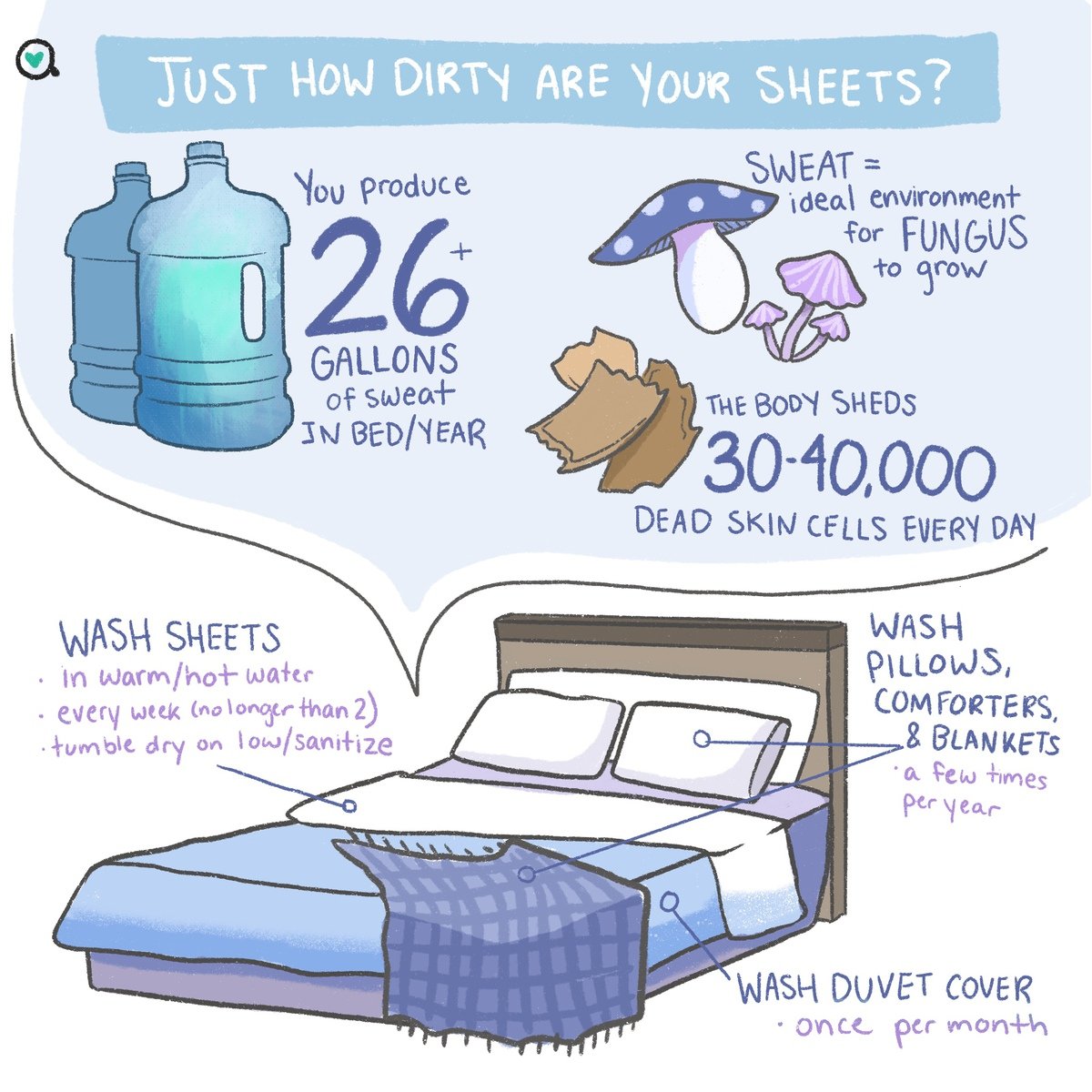
Most people wash sheets often but ignore comforters for months, or even years. However, comforters collect dead skin cells, body oils, dust mites, and sometimes even sweat. Over time, these can cause odors, trigger allergies, and reduce the comforter’s warmth and fluffiness.
Allergy sufferers are especially affected by dirty bedding. Dust mites, tiny creatures that feed on dead skin, thrive in unwashed comforters. For people with asthma or sensitive skin, washing bedding regularly is essential to avoid flare-ups.
Another reason to wash your comforter is to keep it looking new. Body oils and dirt can stain the fabric, making it look dull and worn out. Regular cleaning also prevents the buildup of odor-causing bacteria.
Factors That Affect How Often You Should Wash Comforters
There is no universal rule for everyone. The ideal washing schedule depends on your habits, comforter material, and more. Here are the main factors to consider:
1. Type Of Comforter
- Down comforters (filled with goose or duck feathers) can be damaged by frequent washing. They need gentle care.
- Synthetic comforters are usually more durable and easier to wash often.
- Wool or silk-filled comforters may need professional cleaning.
2. How You Use It
- If you use a duvet cover over your comforter, you can go longer between washes. The cover protects the comforter from dirt and oils.
- If you sleep directly under the comforter, wash it more frequently.
3. Allergies Or Asthma
- People with allergies or asthma should wash bedding more often, sometimes every few weeks, to remove dust mites and allergens.
4. Pets And Children
- If pets or children share your bed, dirt, fur, and accidents are common. Wash your comforter more often to keep it hygienic.
5. Climate And Season
- In hot, humid weather, sweat and moisture build up faster, so you might need to wash your comforter more often.
- During dry, cool months, you may need fewer washes.
6. Illness Or Spills
- After sickness or any spill, always wash your comforter right away, even if it’s before your regular schedule.
General Guidelines: How Often To Wash Comforters
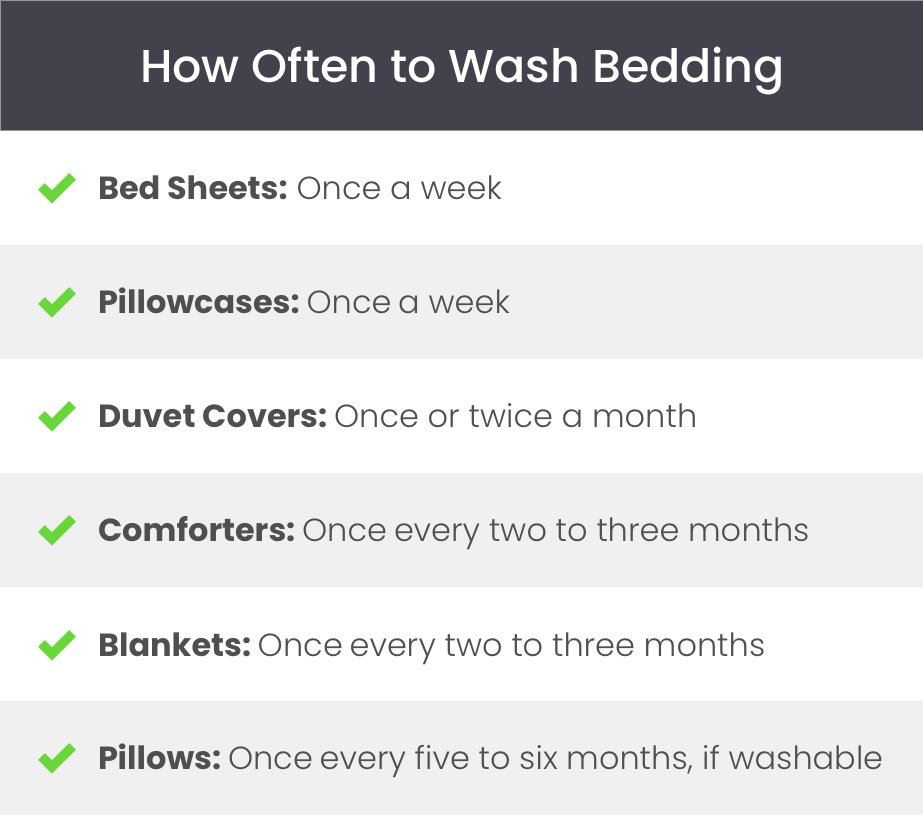
Most experts recommend washing comforters every 2-3 months under normal conditions. However, your needs might be different. Here’s a quick guide:
| Situation | Recommended Wash Frequency |
|---|---|
| Normal use, with duvet cover | Every 3-4 months |
| Normal use, no cover | Every 1-2 months |
| Allergy sufferers | Every 2-4 weeks |
| Pets in bed | Every 1 month |
| After illness/spill | Immediately |
Remember, these are average guidelines. Always check your comforter’s care label before washing.
How To Wash A Comforter Properly
Washing a comforter isn’t as simple as tossing it in with your regular laundry. Comforters are large, heavy, and often delicate. Here’s how to do it right:
Step 1: Check The Label
Look for washing instructions on the comforter’s tag. Some must be dry-cleaned or have special care instructions.
Step 2: Use A Large Washer
Most home machines can handle a twin or full comforter. For queen or king sizes, use a high-capacity washer at a laundromat. Overcrowding can lead to uneven cleaning or even damage the comforter.
Step 3: Choose The Right Detergent
Use a mild, gentle detergent. Avoid bleach, which can harm the fabric and filling.
Step 4: Select The Correct Cycle
- Use a gentle or delicate cycle with cold or warm water.
- Avoid hot water, which can shrink or damage the filling.
Step 5: Add Extra Rinse
Comforters hold detergent. Run an extra rinse cycle to remove all soap.
Step 6: Dry Carefully
- Use a low-heat setting in the dryer.
- Add clean tennis balls or dryer balls to prevent clumping.
- Make sure the comforter is completely dry before using or storing.
A damp comforter can grow mold or mildew, which creates musty smells and health risks.
Step 7: Fluff And Air Out
After drying, shake and fluff the comforter to restore its shape. If possible, air it outside for a few hours to remove any leftover moisture and odors.
How Washing Frequency Differs By Comforter Material
Different materials require different care. Here’s how washing frequency can change based on filling and outer fabric:
| Comforter Material | Washing Frequency | Special Notes |
|---|---|---|
| Down/Feather | Every 3-6 months | Use gentle detergent, dry thoroughly |
| Synthetic/Polyester | Every 2-3 months | Can handle more frequent washing |
| Wool | Once or twice a year | Often dry-clean only |
| Silk | Once or twice a year | Hand wash or dry clean |
| Cotton | Every 2-3 months | Usually machine-washable |
Non-obvious insight: Many people think frequent washing is always better. For down or wool comforters, too much washing can break down the filling and reduce warmth. Always balance cleanliness with fabric care.
Practical Tips For Keeping Comforters Clean Between Washes
Regular washing is important, but you can keep your comforter cleaner for longer with smart habits:
- Use a duvet cover: This acts as a shield, catching most dirt and oils. Wash the cover weekly with your sheets.
- Air out your comforter: On sunny days, hang it outside for a few hours. Sunlight helps kill bacteria and dust mites.
- Spot clean spills: Don’t wait for your next wash. Dab stains right away with a mild detergent and water.
- Keep pets off the bed: If possible, this reduces fur and dirt.
- Shower before bed: Clean skin means less body oil and fewer dead skin cells on your bedding.
- Rotate your comforter: Turn it regularly to even out wear and prevent flat spots.
Non-obvious insight: Some people overlook the importance of drying. Even if your comforter feels dry on the outside, the inside could be damp. Always check the thickest part for moisture.
Credit: laylasleep.com
Common Mistakes To Avoid
Washing comforters seems easy, but people make mistakes that can ruin them or make the cleaning less effective. Here’s what to watch out for:
- Overloading the washer: Stuffing in a large comforter prevents proper cleaning and can break your machine.
- Not drying completely: A comforter that isn’t fully dry can develop mold or mildew.
- Using too much detergent: Extra soap doesn’t clean better—it can actually build up inside the filling.
- Washing too often: Especially for down or wool, this reduces loft and warmth.
- Ignoring the care label: Following general advice can be risky if your comforter needs special treatment.
Dry Cleaning Vs. Home Washing
Some comforters, especially those filled with wool, silk, or special down, are labeled “dry clean only.” Dry cleaning uses chemicals instead of water, which can be gentler for certain fabrics and fillings. If your comforter’s label says dry clean only, don’t risk home washing. You could ruin the fabric, cause shrinkage, or destroy the filling.
However, many synthetic and cotton comforters are safe to wash at home. For delicate items, professional cleaning offers peace of mind.
Comforter Storage Tips
If you store your comforter during warmer months, wash it first. Make sure it’s completely dry to prevent mold. Store in a cotton bag or breathable container, not plastic, which traps moisture. Add a few cedar chips or lavender sachets to keep pests away and your bedding smelling fresh.
Signs It’s Time To Wash Your Comforter
Wondering if you’re waiting too long? Here are signs your comforter needs washing:
- Visible stains or discoloration
- Musty or sour smell
- Allergy symptoms like sneezing or itchy eyes
- Loss of fluffiness or heavy feeling
- Pet hair or dander buildup
Don’t wait for these signs—regular cleaning keeps your comforter in top shape.
Credit: www.dublinschool.org
How Long Do Comforters Last?
With proper care, a good comforter can last 5 to 10 years. Down comforters may last even longer if washed gently and not too often. Synthetic comforters might wear out faster. If your comforter is flat, lumpy, or no longer provides warmth, it’s time for a replacement.
When To Replace Instead Of Wash
Sometimes, washing won’t save an old comforter. Replace your comforter if:
- The filling is clumped or uneven and won’t fluff up
- There are tears or holes in the fabric
- It no longer keeps you warm
- Stains or smells won’t come out after washing
Investing in a new comforter improves both sleep quality and hygiene.

Credit: patanjalisannyasashram.com
Frequently Asked Questions
How Often Should You Wash A Down Comforter?
Down comforters should be washed every 3 to 6 months with gentle care. Too much washing can damage the feathers. Always use a mild detergent, rinse well, and dry thoroughly.
Can I Wash My Comforter At Home Or Do I Need To Use A Laundromat?
You can wash a comforter at home if your machine is large enough for it to move freely. For king or queen sizes, or very thick comforters, a laundromat’s high-capacity washer is usually better.
What Happens If I Don’t Wash My Comforter Often Enough?
Dust mites, bacteria, and odors will build up. This can cause allergy symptoms, skin irritation, and a musty smell. Over time, it can also reduce the comforter’s life and comfort.
Is It Safe To Use Bleach On My Comforter?
Usually, no. Bleach can damage both the fabric and filling, especially for down or colored comforters. Use a gentle detergent and only bleach if the care label says it’s safe.
Where Can I Learn More About Dust Mites And Bedding Hygiene?
For more on dust mites and healthy bedding, visit the CDC’s household cleaning guide.
Keeping your comforter clean is about more than just looks—it’s about creating a healthy, restful sleep environment. With the right washing schedule, smart habits, and a little extra care, your comforter will stay fresh, fluffy, and comfortable for years to come.