
Absolutely, let’s create a comprehensive, detailed, and clear article about “Is 800 Thread Count Sheets Worth It? ” that helps readers understand everything they need about thread counts, sheet quality, and smart buying decisions.
—
Is 800 Thread Count Sheets Worth It?
Many people believe higher thread count sheets are always softer, smoother, and better. You see “800 thread count” on a package, and it sounds luxurious. But is it really worth paying more for 800 thread count sheets? The answer is not as simple as it seems.
Let’s look at what thread count means, how it affects your sleep, and what really matters when buying sheets.
What Does Thread Count Mean?
Thread count is the number of horizontal (weft) and vertical (warp) threads woven into one square inch of fabric. For example, if a sheet has 400 threads one way and 400 the other, the thread count is 800. Many brands use high thread count as a selling point, making you think more is always better.
But thread count alone doesn’t tell the whole story. The type of cotton, the way it’s woven, and the quality of the threads matter just as much—sometimes even more.
Why Do People Want High Thread Count?
Most people want soft, strong, and smooth sheets. Advertisers say high thread counts give you all these things. The idea is: more threads packed tightly together make a better sheet. In reality, that’s only true up to a point.
Does Higher Thread Count Mean Better Sheets?
Not always. This is a common misunderstanding. After a certain point, adding more threads does not always mean a better sheet.
Where Is The “sweet Spot”?
For most people, sheets in the 300–500 thread count range are very comfortable, soft, and strong—if the cotton is good. Above 500, the difference is often small, and sometimes the sheet can even feel heavy or less breathable. Some luxury hotels use sheets with thread counts between 250 and 400.
Example: Egyptian Cotton Vs. Regular Cotton
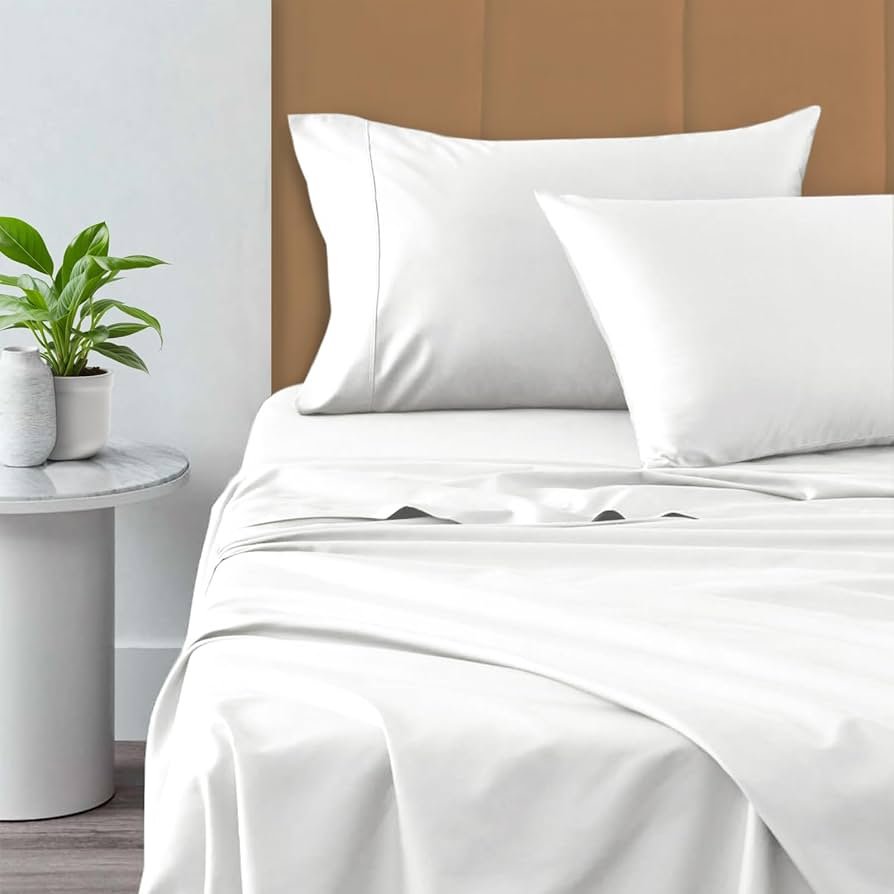
If you have 400-thread-count Egyptian cotton sheets, they will usually feel better and last longer than 800-thread-count sheets made from regular cotton or polyester blends. That’s because Egyptian cotton has longer fibers, so the fabric feels smoother and is more durable.
Credit: www.amazon.com
How Do Brands Get Such High Numbers?
Not all 800 thread count sheets are created equal. Some brands use “multi-ply yarns. ” They twist two or three thinner threads together, then count each ply as a separate thread. So, a 400-thread-count sheet with two-ply yarns is suddenly called “800 thread count.
” The sheet is not actually denser or stronger, but the number looks more impressive.
Real Vs. Inflated Thread Counts
High-quality manufacturers use “single-ply” yarns. This means each thread is counted only once. With single-ply, you get a true, more breathable, and often softer sheet. If the label says “800 thread count” but the price seems low, it’s probably using cheaper, multi-ply threads.
The sheet may feel thick at first, but it’s not as soft or durable as you expect.
Non-obvious Insight 1
Just because a sheet is labeled “800 thread count” does not mean the threads are high quality. Sometimes, the manufacturer uses thin, weak fibers twisted together. These can pill (form little balls of fabric) or wear out faster.
Non-obvious Insight 2
In hot climates, sheets above 500 thread count can trap more heat and feel less cool at night. Many people actually sleep better with lower thread count sheets made from higher quality cotton.
How Thread Count Affects Sleep
You spend about one-third of your life in bed. Sheets touch your skin for hours every night. The right sheets can make sleep feel cooler, more comfortable, and more restful. But comfort is not just about thread count.
Breathability
Sheets with very high thread counts, like 800 or more, can sometimes feel heavier and less breathable. This is because the weave is tighter, so less air passes through. If you get hot at night or live somewhere warm, these sheets may feel too warm.
On the other hand, sheets with a thread count between 300 and 500 are usually more breathable and still soft, especially if made from good cotton.
Softness
High thread count sheets can feel soft, but only if the cotton or fibers are good quality. Cheap cotton with high thread counts often feels stiff or rough after washing. Long-staple cotton—like Egyptian or Pima cotton—feels softer and smoother, even at lower thread counts.
Durability
A higher thread count can make a sheet stronger, but only if the threads themselves are strong. Single-ply yarns made from long cotton fibers last longer. Multi-ply sheets may feel thick, but often break down faster.
What Really Matters When Buying Sheets?
If you want soft, comfortable, and long-lasting sheets, don’t just look at thread count. Here’s what actually matters:
1. Type Of Cotton
- Egyptian Cotton: Known for long, strong fibers. Feels smooth, lasts long, rarely pills.
- Pima/Supima Cotton: Similar to Egyptian, grown in the US. Soft, smooth, durable.
- Regular Cotton: Shorter fibers, less smooth, less durable.
- Blends (Cotton/Polyester): Cheaper, but less breathable and can feel less soft.
Choosing sheets with long-staple cotton is more important than a high thread count. Look for “100% Egyptian cotton” or “Supima cotton” on the label.
2. Weave Type
The way sheets are woven affects how they feel.
- Percale: Crisp, cool, and breathable. Good for hot sleepers. Usually 200–400 thread count.
- Sateen: Silky and smooth, a little heavier. Looks shiny. 300–600 thread count is common.
- Jersey: Feels like a soft T-shirt. Stretchy, but not as cool or crisp.
- Linen: Not about thread count. Feels cool, strong, and gets softer with use. Good for hot climates.
3. Fiber Quality
Longer cotton fibers (called “staples”) make smoother, stronger threads. Sheets made with long-staple cotton are less likely to pill and feel better against your skin.
4. Finishing And Stitching
High-quality sheets are finished with care. The seams are strong, the dye is even, and the sheets hold up after many washes. Cheaper sheets may lose their color or softness.
5. Price Vs. Value
Very cheap 800 thread count sheets are usually too good to be true. High-quality materials and careful weaving cost money. If you find “luxury” sheets at a super low price, they may cut corners on cotton quality or use tricks to inflate the thread count.
Should You Buy 800 Thread Count Sheets?
It depends on your needs and budget.
When 800 Thread Count Makes Sense
- If you like thicker, heavier sheets and don’t sleep hot.
- If the sheets are made from single-ply, long-staple cotton and you can confirm the quality.
- If you want sheets that feel very smooth and don’t mind less breathability.
When 800 Thread Count Is Not Worth It
- If you live somewhere warm or tend to get hot at night.
- If the price is low and the label does not say the cotton type—likely low quality.
- If you prefer crisp, cool-feeling sheets (percale at lower thread counts is better).
Credit: www.californiadesignden.com
Comparing 800 Thread Count To Other Options
Here’s how 800 thread count sheets compare to other common choices:
| Feature | 400 Thread Count Percale | 600 Thread Count Sateen | 800 Thread Count Sateen |
|---|---|---|---|
| Feel | Crisp, cool | Smooth, heavier | Very smooth, thick |
| Breathability | High | Medium | Low to medium |
| Durability | High (if good cotton) | High | High, but can pill |
| Price | Moderate | Higher | Highest |
| Best For | Hot sleepers, summer | Year-round use | Cold climates, winter |
Common Buyer Mistakes
- Focusing only on thread count. High thread count does not always mean better sheets.
- Ignoring fiber quality. Sheets made with poor cotton won’t feel good, no matter the thread count.
- Falling for marketing. Some brands use tricks to inflate thread counts.
- Not checking the weave. Percale and sateen feel very different.
- Buying based on price alone. Very cheap “luxury” sheets are often disappointing.
Practical Buying Tips
- Always check the label for cotton type and weave.
- If you can, touch the sheets before buying. Good sheets feel soft and smooth right away.
- Read reviews that mention breathability, softness after washing, and durability.
- Stick with well-known brands or stores with good return policies.
- If you sweat at night or live in a warm place, choose percale with a thread count between 250 and 400.
- For a silky feel, sateen at 400–600 thread count is usually enough.
- If you see “800 thread count” sheets at a bargain price, look for details about fiber and weave. If it’s missing, be careful.
Experience-based Insight
Many people who buy 800 thread count sheets expecting hotel luxury are disappointed. They feel heavy, or lose softness after a few washes. In contrast, well-made 400 thread count Egyptian cotton sheets stay soft and breathable for years.
Expert Opinion
Textile experts and sleep specialists agree: After about 500 thread count, the feel and quality of sheets do not improve much—unless the cotton is extremely high quality. It’s better to choose good cotton and the right weave for your sleep style.
For deeper information on how fabric quality affects sleep, the Sleep Foundation offers useful advice on [choosing sheets](https://www.sleepfoundation.org/best-sheets).
Final Verdict
800 thread count sheets can be worth it—but only if they use top-quality, single-ply, long-staple cotton and are made by a trusted brand. For most people, sheets in the 300–500 thread count range, made from high-quality cotton, will feel just as good (or even better), cost less, and last longer.
Don’t get fooled by big numbers. Focus on cotton type, weave, and trusted brands for the best sleep.
Sleep is important. The right sheets help you rest deeply and wake up refreshed. Choose wisely, and enjoy every night.
Credit: www.target.com