
Many people struggle to sleep well because they get too hot at night. If you’re a hot sleeper, your bedding matters more than you think. The material inside your comforter or pillow can make a big difference. Two of the most popular options are down and down alternative. But which one is better for hot sleepers? The answer is not as simple as you might expect.
Down is famous for being soft, light, and warm. Down alternative uses synthetic materials and is often cheaper, easy to clean, and good for people with allergies. If you wake up sweating or feel uncomfortable under your blanket, you need to know which fill will keep you cool and dry.
This article explains the differences, benefits, downsides, and real-life performance of down and down alternative for hot sleepers. You’ll also learn about common mistakes, expert tips, and how to choose the right bedding for your needs.
What Does “hot Sleeper” Really Mean?
A hot sleeper is someone who feels warm or sweats during sleep, even in a cool room. This is not just a small problem—studies show that about one in three people report sleeping hot at least a few nights a week. Factors that affect how hot you sleep include:
- Room temperature and humidity
- Mattress material (memory foam holds heat)
- Bedding fabric and fill type
- Personal metabolism and health
If your bedding traps heat or moisture, it can make things worse. That’s why choosing the right comforter or pillow is so important.
Understanding Down And Down Alternative
Let’s look at what makes these two fills different.
What Is Down?
Down is the soft layer of fine feathers found under the tougher exterior feathers of ducks and geese. It’s prized for its:
- Lightness: Feels fluffy, not heavy
- Warmth: Excellent insulation
- Breathability: Air moves through easily
The best down comes from mature geese, but duck down is also common. Down is measured by “fill power”—the higher the number, the fluffier and warmer the material.
What Is Down Alternative?
Down alternative is made from synthetic materials like polyester, microfiber, or gel fibers. These are designed to copy the feel of real down but with some differences:
- Hypoallergenic: Good for people with allergies
- Less expensive: Costs less than real down
- Machine washable: Easier to clean
Some brands use advanced fibers that mimic the warmth and fluff of down, but the performance can vary widely.
How Down And Down Alternative Affect Hot Sleepers
Heat Retention
Down is a natural insulator. It traps air, which keeps you warm. This is perfect for cold climates, but it can be too effective for hot sleepers. When your body heat gets trapped, you may feel sweaty or uncomfortable.
Down alternative, especially lighter versions, tends to trap less heat. This is because synthetic fibers are often less dense and allow more airflow. Some modern down alternatives are designed to be cooling and wick away moisture.
Real-world Example
Imagine two people—one uses a 700 fill power goose down comforter, and the other uses a lightweight polyester down alternative. On a warm night, the down comforter will likely feel hot and stuffy, while the down alternative will feel cooler.
Moisture Control
Sweat can make sleeping hot much worse. Down naturally absorbs some moisture but dries slowly. If down gets damp, it can clump and lose its fluffiness, making things less comfortable.
Down alternative is usually better at wicking moisture away and dries faster. This helps hot sleepers stay dry, especially during summer or in humid climates.
Breathability
Breathability means how well air moves through the bedding. Good breathability lets your body heat escape. Down generally has excellent breathability, especially with a low fill power (less fluffy, less hot). However, if the cover fabric is not breathable, even down can feel hot.
Down alternative’s breathability depends on the fiber type and weave. Some budget versions use thick polyester, which can trap heat. High-quality alternatives use microfibers that let air flow.
Comparing Down And Down Alternative: Key Factors For Hot Sleepers
Below is a side-by-side look at the main differences, focusing on what matters for hot sleepers.
| Feature | Down | Down Alternative |
|---|---|---|
| Warmth | Very warm | Moderate to light |
| Breathability | Excellent | Varies (good with microfibers) |
| Moisture Control | Absorbs but dries slowly | Wicks moisture, dries fast |
| Allergy Friendly | No (unless specially treated) | Yes |
| Care | Dry clean only (usually) | Machine washable |
| Price | High | Low to moderate |
Credit: zamathome.com
Advantages Of Down For Hot Sleepers
Some hot sleepers prefer down, but this is rare. If you want down and sleep hot, look for:
- Low fill power (under 500) for less warmth
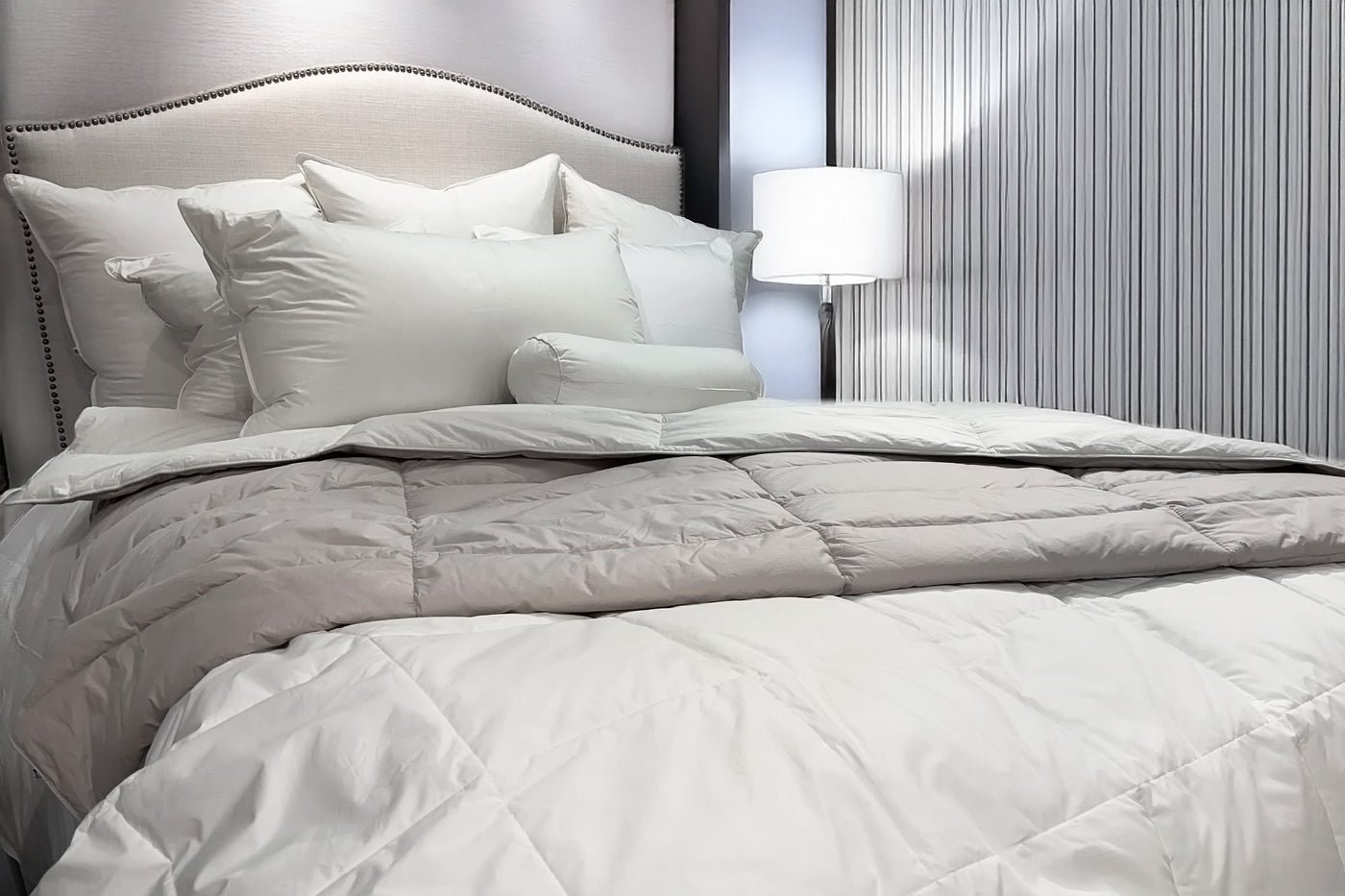
- Lightweight summer or “all-season” down comforters
- 100% cotton or bamboo covers for better breathability
Down is also natural and lasts a long time if cared for. Some high-end down is treated to resist moisture, but this is not common.
Non-obvious Insight 1
Many people think “down equals hot,” but fill power matters. A low fill power down comforter can actually be cooler than a heavy synthetic one. Always check the fill power before buying.
Advantages Of Down Alternative For Hot Sleepers
Most hot sleepers do better with down alternative, for several reasons:
- Many down alternatives are labeled “cooling” or “moisture wicking”
- They dry quickly, so sweat is less likely to build up
- They’re easy to wash—so you can keep things fresh if you sweat a lot
Modern technology has improved down alternative fibers. Some now use gel-infused microfibers or bamboo-blend fills for better airflow.
Non-obvious Insight 2
Not all down alternatives are cool. Cheaper versions may use thick polyester batting that traps heat. Look for products that mention “breathable,” “cooling,” or “moisture control” on the label.
Credit: down-direct.com
Common Mistakes Hot Sleepers Make When Choosing Bedding
- Ignoring the cover fabric: Even the best fill won’t help if the cover is polyester or not breathable.
- Choosing too much loft: Big, fluffy comforters look nice but trap more heat.
- Not checking the product label: Marketing can be misleading. Always look for details on warmth level and breathability.
- Thinking price always equals quality: Some mid-priced down alternatives outperform expensive down for hot sleepers.
- Using winter-weight comforters year-round: Switch to a lighter option in summer.
How To Choose The Right Comforter Or Pillow For Hot Sleepers
Check The Fill Weight And Power
For both down and down alternative, lighter fill means cooler sleep. If the product says “summer weight” or “lightweight,” that’s a good sign.
Pick The Right Cover Material
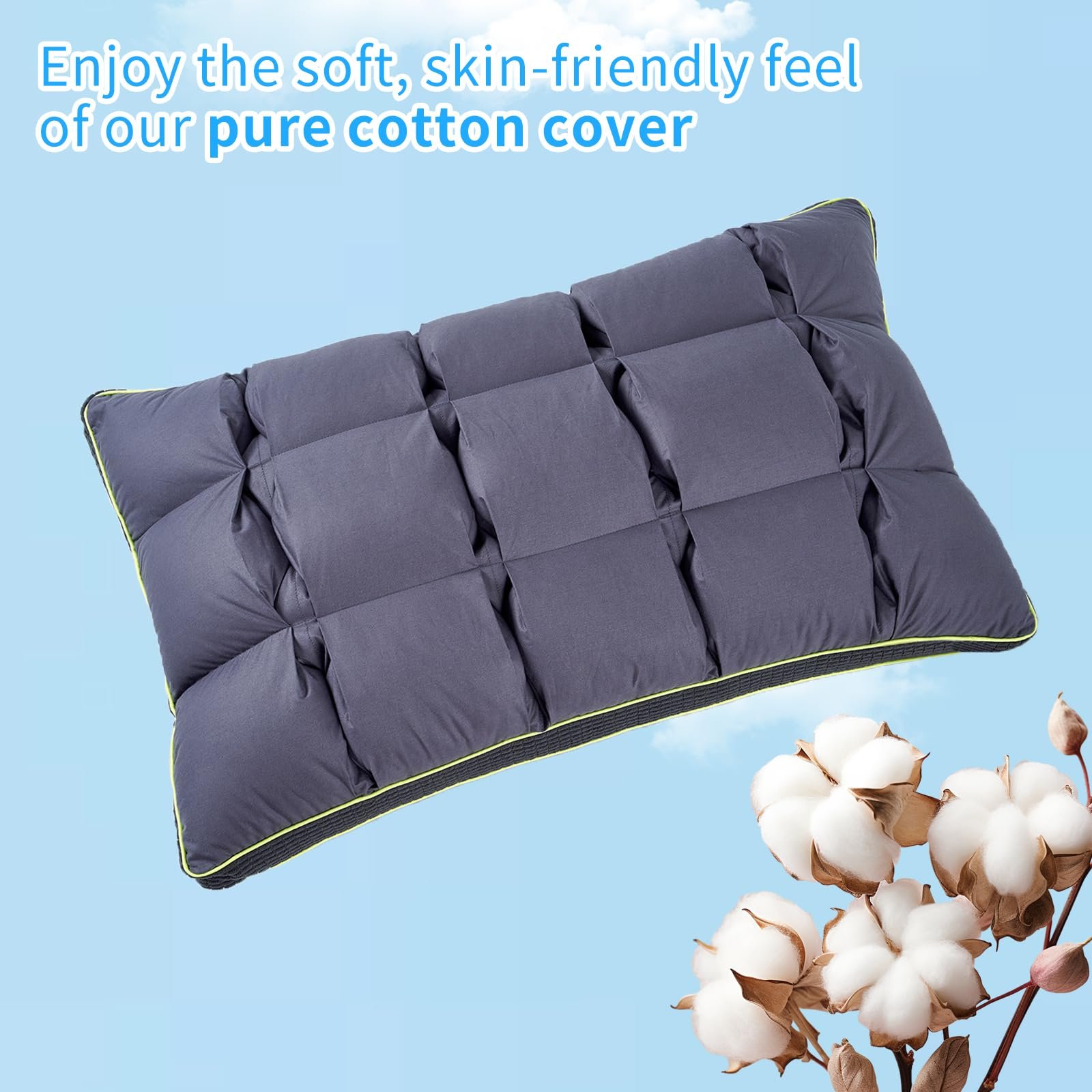
Covers made from 100% cotton, bamboo, or Tencel are best for hot sleepers. These fabrics breathe better than polyester.
Consider Moisture Wicking Features
Some down alternatives are made with cooling gel fibers or moisture-wicking technology. These can make a big difference if you sweat at night.
Read Customer Reviews
Look for real-life feedback from other hot sleepers. Their experience can reveal if the product runs hot or cool.
Test When Possible
If you can, try sleeping with the comforter or pillow for a few nights. Many brands now offer trial periods or easy returns.
Credit: www.gemefindustries.com
Down Vs. Down Alternative: Real User Experiences
Here’s a summary of what hot sleepers often report about each fill type.
| Down | Down Alternative |
|---|---|
| “Feels warm even in air conditioning, gets sweaty in summer.” | “Stays cooler, easy to wash after sweaty nights.” |
| “Very cozy, but only works for me in winter.” | “Lighter and more comfortable for year-round use.” |
| “Expensive, but lasts for years.” | “Affordable, easy to replace if needed.” |
Environmental And Health Factors
Down is a natural material, but not all down is ethically sourced. Look for certifications like Responsible Down Standard (RDS). Some people are allergic to down or dust mites that live in natural fibers.
Down alternative is made from synthetic materials, which are not biodegradable. However, some brands use recycled polyester to reduce environmental impact.
When Should Hot Sleepers Choose Down?
Down is best if:
- You live in a cooler climate
- You want a natural product and are not allergic
- You choose a lightweight, low fill power option
Otherwise, most hot sleepers find down alternative more comfortable.
When Should Hot Sleepers Choose Down Alternative?
Down alternative is best if:
- You want machine-washable bedding
- You need something hypoallergenic
- You want a cooling or moisture-wicking product
- Price is a concern
Some high-end down alternatives now rival down in comfort and breathability.
Expert Tips For Hot Sleepers
- Use a lightweight comforter in summer and switch to a heavier one only in winter
- Pair your comforter with breathable sheets like cotton or linen
- Avoid plastic mattress protectors, which trap heat
- Keep your bedroom cool and use a fan if needed
Final Thoughts: Which Is Better For Hot Sleepers?
For most hot sleepers, down alternative is the better choice. It offers better moisture control, is easier to wash, and is less likely to trap heat—especially if you pick a product with cooling or breathable features. Down can work for hot sleepers, but only if you choose the right fill power and cover material.
The most important thing is to look at the whole bedding system—including sheets and mattress covers—not just the fill. Test different options and pay attention to how your body feels at night. With the right bedding, you can finally get cool, comfortable sleep.
If you want to dive deeper into the science of sleeping hot and bedding materials, check research from the Sleep Foundation.
Frequently Asked Questions
Why Do Some People Sleep Hotter Than Others?
Body temperature at night depends on many things—metabolism, hormones, health, and even stress. Some people naturally produce more heat or sweat more during sleep. Bedding that traps heat can make this worse.
Are There “cooling” Down Comforters?
Yes, some down comforters are designed for cooling, using low fill power and lightweight construction. However, even these may feel too warm for very hot sleepers, especially in summer.
Can Down Alternative Trigger Allergies?
Down alternative is usually hypoallergenic, making it a safer choice for people with allergies or asthma. Real down can sometimes cause reactions, especially if it’s not specially treated.
How Often Should I Wash My Comforter?
Down alternative comforters can be washed every few months, or more often if you sweat a lot. Down comforters need less frequent washing—once or twice a year—and may require professional cleaning.
Is Price A Sign Of Cooling Quality?
Not always. Some affordable down alternatives offer excellent cooling features. Expensive down is not always cooler—what matters more is fill weight, breathability, and cover material. Always check product details and reviews before buying.
