
Choosing between a mattress topper and a new mattress can be confusing. Both promise better sleep, but they solve different problems and come with unique costs. Many people wake up feeling tired, with a sore back, or just not refreshed. Sometimes, the solution is simple. Other times, it needs a bigger change. If you’re stuck between adding a mattress topper or investing in a new mattress, you’re not alone. This guide will help you understand which is best for your needs, budget, and sleep quality.
Understanding Mattress Toppers And Mattresses
Before you decide, it’s important to know what each product really is.
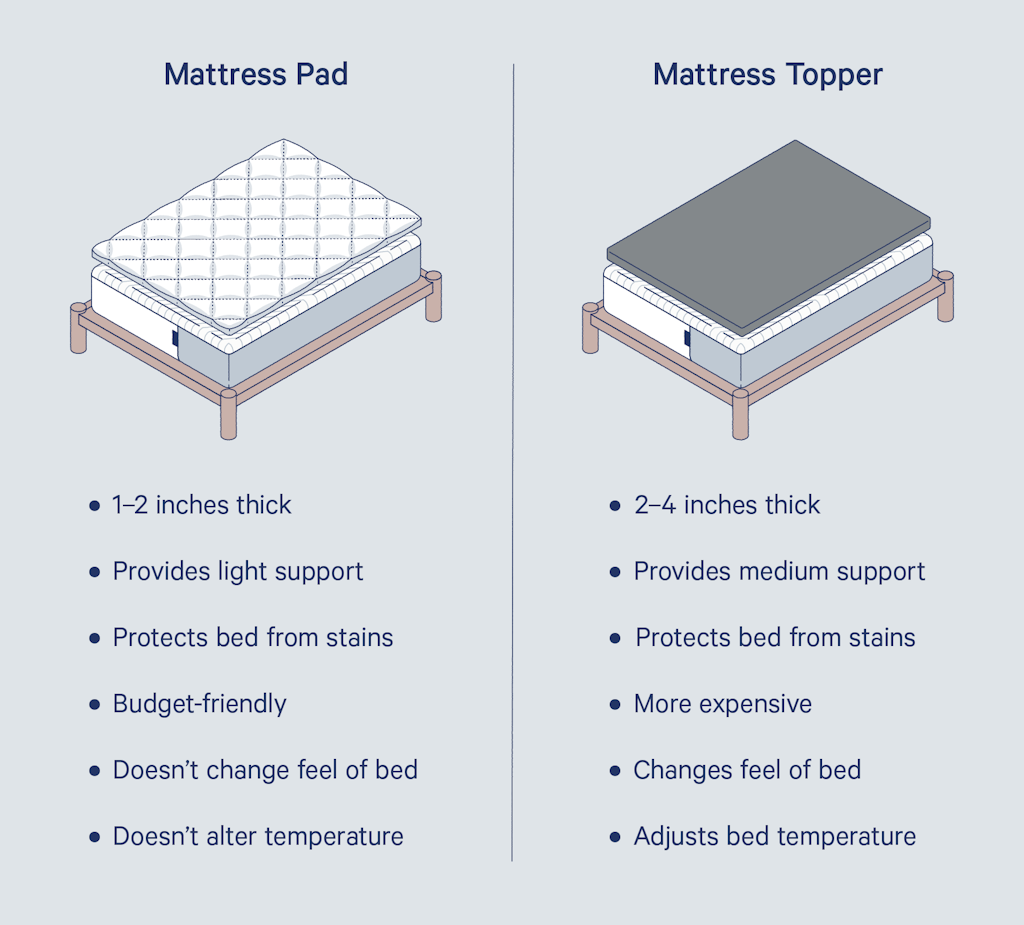
A mattress topper is a removable layer that goes on top of your mattress. It’s usually 1 to 4 inches thick and made from materials like memory foam, latex, feather, or fiberfill. The main purpose is to change the feel of your bed—making it softer, firmer, cooler, or more supportive.
A mattress, on the other hand, is the main support system you sleep on every night. Mattresses are much thicker (often 8–14 inches), and they’re designed to last for years, providing support, comfort, and spinal alignment.
When A Mattress Topper Makes Sense
A topper is a smart choice in certain situations:
- Your mattress is still in good shape: If your mattress is less than 7–8 years old, with no sagging or broken springs, a topper can give it new life.
- You want to adjust firmness: Maybe your bed is too firm or too soft. A topper can quickly change the comfort level.
- You have a tight budget: Toppers are far cheaper than new mattresses, making them a cost-effective upgrade.
- You need a temporary fix: If you’re renting or waiting to buy a new mattress, a topper is a practical short-term solution.
- You have special needs: Some people need extra cooling, pressure relief, or allergy protection. Many toppers offer these features.
Example: If your bed feels a bit too hard, a 3-inch memory foam topper can make it much softer and help you sleep better.
When You Need A New Mattress
Sometimes, only a new mattress will solve your sleep problems. Here’s when to seriously consider one:
- Visible sagging or lumps: Toppers can’t fix deep dips, broken springs, or uneven surfaces.
- Mattress age: Mattresses usually last 7–10 years. If yours is older, it may not support your body well anymore.
- Waking up sore or tired: If you have pain every morning, your mattress may be the cause, even if you add a topper.
- Allergies or hygiene issues: Old mattresses collect dust mites, mold, and bacteria. A topper won’t fix these problems.
- Noisy springs or broken parts: Mechanical problems can’t be covered up with a topper.
Example: If you can feel the coils poking through your bed, it’s time to invest in a new mattress.
Key Differences: Mattress Topper Vs New Mattress
Let’s compare them side-by-side to make the choice clearer.
| Feature | Mattress Topper | New Mattress |
|---|---|---|
| Cost | $50–$400 | $300–$2000+ |
| Longevity | 2–5 years | 7–10 years |
| Support | Improves comfort only | Full support & comfort |
| Ease of Setup | Very easy (minutes) | Needs delivery & setup |
| Customizability | High (can change often) | Fixed until replaced |
| Addressing Old Mattress Issues | Limited | Full solution |
Pros And Cons Of Mattress Toppers
Advantages:
- Affordable: Much cheaper than buying a new mattress.
- Easy to install: Just unroll and place on top.
- Flexible: Can be removed or changed as needed.
- Variety: Many materials and thicknesses to choose from.
- Good for minor comfort issues: Great for small adjustments.
Drawbacks:
- Shorter lifespan: Most toppers last 2–5 years.
- Limited support: Won’t fix deep mattress problems.
- Can shift around: May need to adjust or secure often.
- Less impact for serious issues: Not a solution for sagging or broken mattresses.
Non-obvious insight: Many people overlook that toppers can trap heat, especially cheap memory foam types. If you sleep hot, look for gel-infused or ventilated toppers.
Pros And Cons Of A New Mattress
Advantages:
- Long-term investment: Lasts much longer than a topper.
- Better support: Helps with spinal alignment and pressure relief.
- Healthier sleep environment: New materials are cleaner and often hypoallergenic.
- Solves deep issues: Gets rid of sagging, lumps, or broken parts.
- Wider technology options: Modern mattresses offer cooling, motion isolation, and more.
Drawbacks:
- High cost: Can be a major expense.
- More effort: Delivery, setup, and sometimes removal of the old mattress.
- Permanent choice: Harder to change if you don’t like it.
Non-obvious insight: Many buyers forget to check mattress return policies. Always choose brands with a trial period, so you can return if it’s uncomfortable.
When Is A Topper Enough?
A topper is usually enough if:
- Your mattress is firm but not sagging.
- You want to change the feel (softer, firmer, cooler).
- You need a solution for 1–2 years.
- You’re a student, renter, or moving soon.
- You have a new mattress that feels just a bit “off.”
One practical example: If you bought a new mattress online and it’s too firm, a plush topper can make it much more comfortable without the hassle of exchanging the whole bed.
When A New Mattress Is The Only Solution
Go for a new mattress if:
- Your current mattress has clear sagging, dips, or springs poking out.
- You wake up with new or worsening pain.
- You’ve already tried a topper and still sleep poorly.
- There are hygiene issues (like bed bugs or mold).
- The mattress is older than 8–10 years.
If you notice your mattress makes noise when you move, or you roll toward the center, these are strong signs it’s time for a replacement.
Credit: www.turmerry.com
Comfort, Support, And Sleep Quality
Support is the most critical factor for long-term sleep health. Toppers add comfort but do not change the core support of your bed. If your mattress is unsupportive, a topper is only a short-term fix.
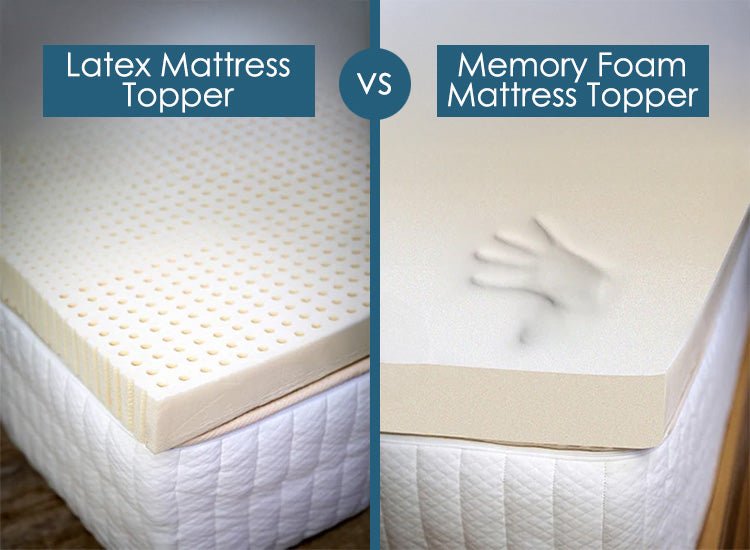
Comfort refers to how soft or firm the bed feels. Toppers are excellent at adjusting this. For example, memory foam toppers reduce pressure on hips and shoulders.
Sleep quality depends on both comfort and support. If you sleep hot, sweat at night, or wake up with pain, it’s important to address the real cause, not just the symptoms.
Here’s a quick view of how each option affects different aspects of sleep:
| Aspect | Topper Impact | New Mattress Impact |
|---|---|---|
| Comfort | High | High |
| Support | Low | High |
| Temperature Control | Depends on material | Usually better |
| Hygiene | Improves slightly | Improves a lot |
| Pain Relief | Temporary | Long-term |
Costs: What To Expect
On average:
- Topper: Most popular models cost $100–$250. Premium ones may reach $400.
- New Mattress: Entry-level foam mattresses start around $300–$500. Quality hybrid or memory foam mattresses usually cost $700–$1500. Premium brands can go over $2,000.
Hidden costs: Don’t forget about delivery, removal of old mattresses, or possible new bedding for thicker beds.
Pro tip: If your mattress is more than 7 years old and you’re thinking of buying a pricey topper ($200+), it may be smarter to put that money toward a new mattress instead.
Credit: www.youtube.com
How To Choose The Right Mattress Topper
If you decide on a topper, keep these tips in mind:
- Material matters: Memory foam for contouring, latex for bounce and cooling, feathers for softness, down alternatives for allergies.
- Thickness: 2–3 inches is best for most people. Thicker toppers change the feel more but may trap more heat.
- Density: Higher density (4+ lbs/ft³) means more support, but also more heat.
- Certifications: Look for CertiPUR-US or similar certifications for safety and emissions.
Common mistake: Buying a cheap, thin topper (less than 1.5 inches). These rarely make a real difference.
How To Choose The Right Mattress
If you’re ready for a new mattress:
- Type: Memory foam for pressure relief, innerspring for bounce, hybrid for a mix of both.
- Firmness: Side sleepers often prefer medium-soft, back and stomach sleepers need more support (medium-firm).
- Return policy: Aim for at least a 30-night trial.
- Warranty: Quality mattresses offer 10+ year warranties.
- Reputation: Read real customer reviews, not just the top ratings.
Common mistake: Focusing only on price or brand. The most expensive mattress isn’t always the best for your body.
Real-life Scenarios
Let’s consider two common situations:
Scenario 1: Maria’s mattress is four years old, but it feels too hard. She wakes up with sore shoulders. She buys a 3-inch memory foam topper for $120. Her sleep improves, and she gets two more comfortable years from her mattress.
Scenario 2: John’s mattress is 10 years old, with sagging in the middle. He tries a $180 topper, but still wakes up stiff and sore. He finally buys a new hybrid mattress for $900 and finds real relief.
These examples show that toppers are great for small problems, but not for deep mattress issues.
Environmental And Health Considerations
Buying a new mattress means your old one needs to be recycled or disposed of. Many cities now offer mattress recycling programs. Toppers create less waste but also need replacing every few years.
Health tip: Old mattresses can harbor dust mites and allergens. If you have asthma or allergies, a new mattress may give you a cleaner, healthier sleep.
For more on mattress materials and safety, see this resource from the U.S. Environmental Protection Agency.
Frequently Asked Questions
What Is The Main Difference Between A Mattress Topper And A New Mattress?
A mattress topper is a thin, removable layer that changes the comfort of your existing mattress. A new mattress replaces your entire bed, offering both new support and comfort.
Can A Mattress Topper Fix A Sagging Mattress?
No, a topper cannot fix major sagging or structural problems. It can only mask minor comfort issues. If your mattress is sagging, it’s time for a replacement.
How Long Do Mattress Toppers Last Compared To Mattresses?
Most toppers last 2–5 years, depending on use and material. Quality mattresses usually last 7–10 years.
Which Is Better For Back Pain: A Topper Or A New Mattress?
A new mattress is better for chronic back pain, especially if your current mattress is old or sagging. A topper may help with minor discomfort if the mattress is still supportive.
Is It Worth Spending Money On A High-end Topper?
It’s worth it only if your mattress is in good shape and you want to change the comfort level. If your mattress is old or uncomfortable, save your money for a new mattress instead.
Making Your Choice
Choosing between a mattress topper and a new mattress depends on your budget, the condition of your current bed, and your sleep needs. If your mattress is still supportive but uncomfortable, a topper is a smart, budget-friendly fix. If your bed is old, sagging, or causing pain, investing in a new mattress is the best path to better sleep and health.
Take a close look at your sleep problems before you buy—this way, you’ll make a decision that helps you wake up feeling truly rested.
Credit: casper.com