
Wool Rug Vs Synthetic Rug Comparison
Choosing a rug can seem simple—until you see all the options. One big decision is between a wool rug and a synthetic rug. These two types may look similar, but they behave very differently in daily life. Understanding the details can help you avoid costly mistakes and make your home more comfortable and beautiful.
Some buyers focus just on price or color. But there are other important factors, like how long the rug lasts, how easy it is to clean, and how it feels underfoot. This article will help you compare wool and synthetic rugs in every way that matters. You’ll learn which is best for your needs, your family, and your budget.
What Are Wool Rugs?
Wool rugs are made from the soft, thick hair of sheep. This natural fiber has been used in carpets for thousands of years. Wool fibers are elastic, which means they bounce back after being pressed. This is why wool rugs keep their shape for a long time.
One thing that surprises many people: wool can hold up to 30% of its own weight in moisture without feeling wet. This helps wool rugs stay comfortable and resist static electricity.
Types Of Wool Rugs
- Hand-knotted wool rugs: These are made by skilled workers tying each knot by hand. They are often expensive but can last for generations.
- Tufted wool rugs: These are made by pushing wool through a backing fabric. They are faster to make, so they cost less, but may not last as long as hand-knotted versions.
- Wool blends: Sometimes, wool is mixed with other fibers like silk or polyester to reduce cost or change the texture.
What Are Synthetic Rugs?
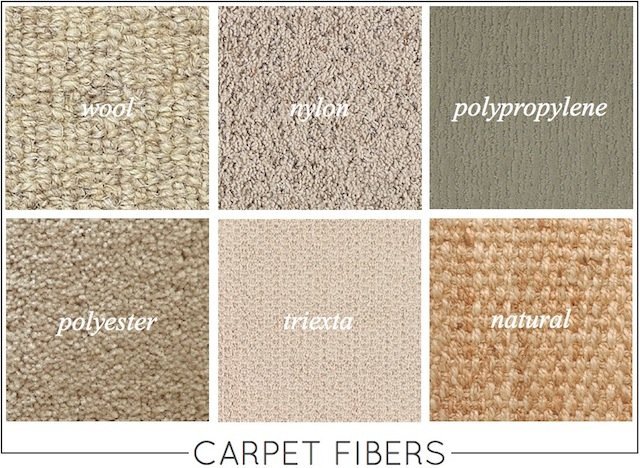
Synthetic rugs are made from man-made fibers. The most common types are nylon, polypropylene (olefin), polyester, and acrylic. These materials are produced in factories using chemicals and oil-based products.
Synthetic rugs are often chosen because they are affordable and come in many colors and patterns. Manufacturers can create almost any look with synthetic materials.
Types Of Synthetic Rugs
- Nylon rugs: Very strong and often used in busy areas.
- Polypropylene (olefin) rugs: Popular for being cheap and stain-resistant.
- Polyester rugs: Soft and colorful, but can flatten in high-traffic areas.
- Acrylic rugs: Sometimes used to mimic wool’s feel but not as durable.
Appearance And Style
Both wool and synthetic rugs offer beautiful designs, but there are differences in how they look and feel.
Wool Rugs
- Color depth: Wool absorbs dyes well, so colors look rich and deep.
- Texture: Wool fibers have a soft, springy feel. They can be plush or flat, depending on the weave.
- Pattern detail: Hand-knotted wool rugs can show very detailed patterns that last a long time.
Synthetic Rugs
- Color range: Synthetic fibers are easy to dye, allowing for bright and bold colors.
- Texture: Some synthetics can feel soft, but they usually lack the natural springiness of wool.
- Pattern detail: Machine-made synthetic rugs can show very clear patterns, but the design can fade faster with wear.
Durability And Lifespan
A rug is an investment, so you want it to last. Let’s compare how well each type stands up to daily use.
| Rug Type | Average Lifespan | Best Use |
|---|---|---|
| Wool | 20+ years (hand-knotted) | Living rooms, bedrooms, high-traffic |
| Synthetic (nylon) | 5-10 years | Playrooms, rental homes, busy areas |
| Synthetic (polypropylene) | 3-6 years | Outdoors, kitchens, short-term use |
Wool rugs can last for decades if properly cared for. They resist crushing from furniture and foot traffic. In fact, some hand-knotted wool rugs last over 50 years and even become family heirlooms.
Synthetic rugs usually wear out faster. Nylon is the most durable synthetic, but even the best synthetic fibers do not bounce back like wool. Polypropylene and polyester rugs often flatten and lose their look after a few years, especially in busy areas.
Cleaning And Maintenance
How easy is it to keep your rug clean? This often depends on the material.
Wool Rugs
- Stain resistance: Wool naturally repels spills because of the lanolin (a natural oil) in the fibers. Quick cleanup is still important, but stains are less likely to become permanent.
- Vacuuming: Wool sheds a bit at first, but this decreases over time. Regular vacuuming (without a beater bar) keeps it looking fresh.
- Deep cleaning: Wool can be professionally cleaned every few years. Avoid too much water, as wool can shrink if soaked.
Synthetic Rugs
- Stain resistance: Some synthetics, like polypropylene, are very stain-resistant. They do not absorb liquids easily.
- Vacuuming: Synthetic rugs don’t shed much. Regular vacuuming is simple.
- Deep cleaning: Synthetics can often be steam cleaned or even washed with water and mild soap. However, heat can sometimes damage the fibers.
Non-obvious tip: Some synthetic rugs can trap oily stains (from shoes or pets) that are hard to remove, even though they resist water-based stains well.
Comfort And Feel
A rug is something you touch every day. How does each type feel under your feet?
| Rug Type | Feel Underfoot | Warmth |
|---|---|---|
| Wool | Soft, springy, luxurious | Excellent insulator |
| Nylon | Firm, some spring | Average |
| Polypropylene | Flat, less soft | Poor |
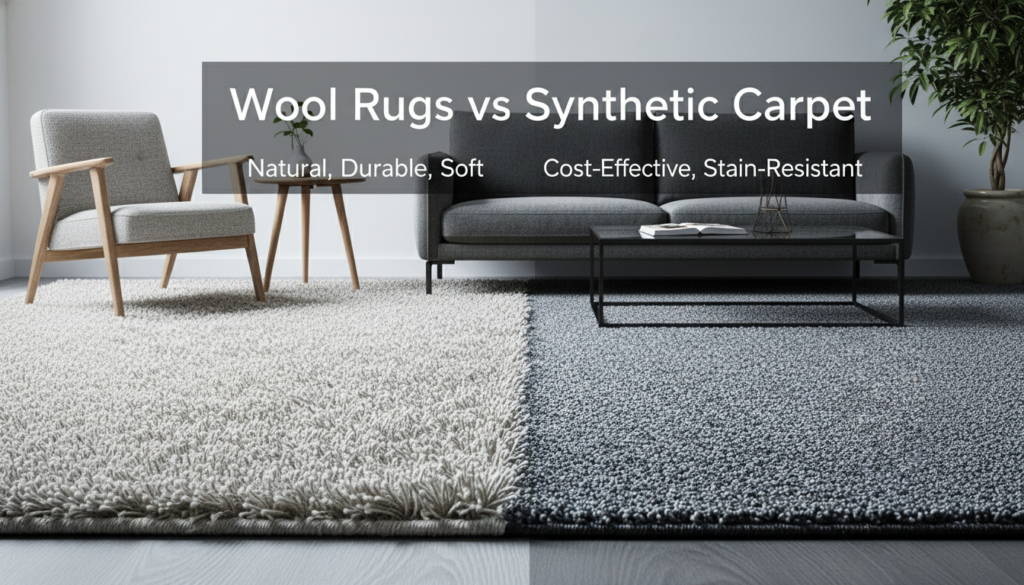
Wool rugs are famous for their cozy, plush feel. They insulate well, keeping rooms warmer in winter and cooler in summer. Wool’s natural fibers can even absorb sound, making your space quieter.
Synthetic rugs can be soft (especially polyester), but they usually feel less warm and can be slippery if not anchored with a rug pad. Thinner synthetic rugs may feel rough or hard, especially on bare feet.
Credit: silkroadrugswa.com.au
Cost And Value
Price is often the first thing people check—but it’s not the only thing that matters.
Wool Rugs
- Higher price: Wool costs more because the fiber is natural and more expensive to produce. Hand-knotted wool rugs can cost hundreds or even thousands of dollars.
- Long-term value: A well-made wool rug can last 20 years or more, which means the yearly cost may be less than buying several synthetic rugs over the same period.
Synthetic Rugs
- Lower price: Synthetics are much cheaper to make. You can find large synthetic rugs for a fraction of the price of wool.
- Short-term value: If you want a quick style change, or you’re renting, a synthetic rug may make sense. But be ready to replace it sooner.
Non-obvious insight: Cheap synthetic rugs often lose their shape, causing trip hazards as they wrinkle or curl at the edges.
Environmental Impact
More people are thinking about how products affect the planet.
Wool Rugs
- Renewable resource: Wool comes from sheep, which grow new wool every year.
- Biodegradable: Wool breaks down naturally in the environment.
- Low emissions: Traditional hand-made wool rugs use less energy to produce.
Synthetic Rugs
- Made from petroleum: Most synthetic fibers are created from oil, a non-renewable resource.
- Not biodegradable: Old synthetic rugs can sit in landfills for decades.
- Recycling: Some companies are starting to recycle synthetic rugs, but the process is complex and not widely available.
If you want an eco-friendly home, wool is usually the better choice.
Allergen Concerns
Do you or your family have allergies? The right rug can make a difference.
- Wool rugs: Wool can trap dust, pollen, and pet hair, but it also holds these particles until you vacuum—so they don’t float in the air as much. Wool contains lanolin, which can repel dust mites. Still, regular cleaning is important.
- Synthetic rugs: These do not naturally trap allergens, but static electricity can cause dust to stick to the surface.
If someone in your home is very sensitive, choose a low-pile rug and vacuum regularly, no matter the material.
Placement And Usage
Where do you plan to put the rug? The right choice depends on the room.
Good Places For Wool Rugs
- Living rooms
- Bedrooms
- Formal dining rooms
Wool’s rich look and cozy feel make it ideal for relaxing spaces.
Good Places For Synthetic Rugs
- Kids’ playrooms
- Kitchens
- Outdoor patios
- Entryways
Synthetic rugs are tough enough for messy or wet areas. They are also easier to replace if damaged.
Credit: www.artisticcleaners.net
Common Buyer Mistakes
Some shoppers regret their rug purchase because they miss key details. Avoid these mistakes:
- Ignoring foot traffic: High-traffic areas need durable rugs. Don’t put a cheap synthetic in a busy hallway.
- Forgetting about pets: Some pets chew or scratch wool rugs, while others may leave stains that are hard to remove from synthetics.
- Neglecting rug pads: Both wool and synthetic rugs can slip. Always use a quality rug pad to prevent accidents and extend rug life.
- Not checking for off-gassing: Some new synthetic rugs release chemical smells when new. Air them out before use, especially in bedrooms.
- Choosing style over function: A bright white synthetic rug may look great but show dirt quickly in a busy space.
Comparing Wool And Synthetic Rugs Side By Side
Here is a quick summary to help you compare:
| Feature | Wool Rug | Synthetic Rug |
|---|---|---|
| Durability | Excellent (20+ years) | Good to fair (3-10 years) |
| Stain Resistance | Very good | Excellent (polypropylene) |
| Comfort | Soft and warm | Varies, less warm |
| Price | High | Low to medium |
| Eco-friendliness | Natural & biodegradable | Petroleum-based, not biodegradable |
Credit: www.jaipurrugs.com
Which Should You Choose?
If you want a rug that will last, feels soft, and adds classic beauty, a wool rug is a smart investment. It costs more upfront but pays off over the years. Wool is also better for the environment and for homes where style matters.
If you need a budget-friendly rug, want bold colors, or need something for a messy space, a synthetic rug can be a good choice. Just remember, you may need to replace it sooner.
A final tip: Before buying, check the exact fiber content and ask about cleaning methods. Not all wool or synthetic rugs are created equal.
For more detailed information about rug materials and their impact, you can visit the Wikipedia Carpet page.
Frequently Asked Questions
What Is The Main Difference Between Wool And Synthetic Rugs?
The main difference is that wool rugs are made from natural sheep wool, while synthetic rugs are made from man-made fibers like nylon or polyester. Wool is more durable and eco-friendly, while synthetics are usually cheaper and easier to clean.
Are Wool Rugs Better For The Environment?
Yes, wool rugs are made from a renewable, biodegradable resource. Synthetic rugs are made from petroleum and do not break down easily, making wool the greener choice.
Can Synthetic Rugs Look As Good As Wool Rugs?
Modern technology allows synthetic rugs to imitate the look of wool, including colors and patterns. However, wool rugs usually have a richer, more natural appearance and feel.
Which Is Easier To Clean: Wool Or Synthetic?
Synthetic rugs are generally easier to clean, especially from stains. Wool resists stains but needs gentle care and should not be soaked with water.
Do Wool Rugs Shed More Than Synthetic Rugs?
Wool rugs often shed fibers when new, but this decreases over time. Synthetic rugs usually do not shed much, making them better for those who want low-maintenance flooring.
Choosing between a wool and a synthetic rug is about more than style—it’s about how you live. Take time to consider your needs, and you’ll find the perfect rug for your space.
