
Choosing the right bed sheets can make a huge difference in your sleep quality and comfort. But with so many options—percale, sateen, and flannel among the most popular—it’s easy to feel lost. Each fabric brings its own feel, look, and set of benefits. Some are crisp and cool, others silky smooth, and a few are perfect for cozy winter nights. Which one fits your needs? In this in-depth guide, you’ll discover how percale, sateen, and flannel sheets compare side-by-side. We’ll cover what makes each unique, their pros and cons, how they perform in different climates, and which might be best for you.
What Are Percale, Sateen, And Flannel Sheets?
Understanding these three types starts with how they’re woven and the fibers used. Here’s what sets them apart.
Percale Sheets
Percale refers to a plain weave—one thread over, one thread under. It’s usually made from cotton, sometimes blended with polyester. Percale sheets feel crisp, cool, and lightweight. They’re popular in hotels and with people who like a matte, smooth finish.
Sateen Sheets
Sateen uses a sateen weave—four threads over, one under. This weaving technique gives sateen sheets a silky, lustrous surface. Sateen is also made from cotton but has a heavier, softer feel than percale. It’s the go-to for those who want a touch of luxury and warmth.
Flannel Sheets
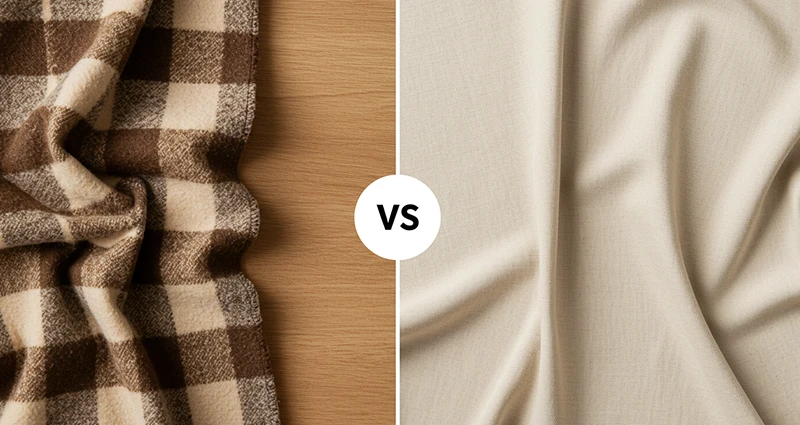
Flannel is different: it’s not about the weave, but how the fabric is brushed. Typically made from cotton or wool, flannel sheets are brushed to create a soft, fuzzy surface. They trap heat and feel cozy—ideal for cold weather.
Key Differences At A Glance
Let’s look at the most important differences in a quick side-by-side view.
| Feature | Percale | Sateen | Flannel |
|---|---|---|---|
| Weave | Plain (1 over, 1 under) | Sateen (4 over, 1 under) | Brushed fabric |
| Texture | Crisp, matte | Silky, smooth, lustrous | Soft, fuzzy |
| Warmth | Cool | Warm | Very warm |
| Best For | Hot sleepers, summer | Cool sleepers, luxury feel | Winter, cold climates |
Credit: www.coyuchi.com
Percale Sheets: Detailed Overview
Percale sheets are known for their cool, crisp feel. Many people describe sleeping on percale as similar to a freshly ironed shirt. This comes from the tight, simple weave. Percale is often 100% cotton but may include a small percentage of polyester for wrinkle resistance.
Advantages Of Percale
- Breathable and Cool: The open weave allows air to flow, making percale a top choice for hot weather or people who sweat at night.
- Durability: Percale sheets get softer with each wash and resist pilling. High-quality percale can last for years.
- Crisp Feel: If you like sheets that don’t cling to your skin and have a matte finish, percale is unmatched.
- Easy Care: Most percale sheets are machine washable and resist shrinking.
Drawbacks Of Percale
- Wrinkles Easily: The same weave that keeps percale cool also means it can wrinkle, especially if you leave it in the dryer.
- Less Softness at First: New percale sheets can feel stiff, but they soften over time.
Who Should Choose Percale?
- Hot sleepers or those living in warm climates
- People who prefer a crisp, hotel-like feel
- Those who want sheets that last and get softer with age
Sateen Sheets: Detailed Overview
Sateen sheets are made for those who love a luxurious, smooth touch. The unique weave gives sateen its signature shine and drape. Sateen is usually heavier than percale, which adds to its warmth and softness.
Advantages Of Sateen
- Softness: Sateen sheets feel silky and gentle against the skin, making them a favorite for sensitive sleepers.
- Lustrous Appearance: Their slight sheen can make your bedding look more elegant and upscale.
- Fewer Wrinkles: Sateen naturally resists wrinkles better than percale.
- Warmth: The tight weave traps more heat, which is ideal for cool sleepers.
Drawbacks Of Sateen
- Less Breathable: Sateen can feel too warm for hot sleepers.
- Prone to Snags: The longer threads are more likely to catch or pill.
- May Fade Over Time: The sheen may dull after many washes.
Who Should Choose Sateen?
- Cool sleepers or those in cooler climates
- People who want luxury and softness
- Anyone who dislikes ironing sheets
Flannel Sheets: Detailed Overview
Flannel sheets are made for maximum warmth and comfort. The fabric is brushed on one or both sides to raise fine fibers, creating a plush, fuzzy texture. Flannel is measured by weight (grams per square meter, or GSM) rather than thread count.
Advantages Of Flannel
- Exceptional Warmth: Flannel traps body heat, keeping you warm even during the coldest nights.
- Soft, Cozy Feel: The brushed surface makes flannel inviting and gentle, perfect for snuggling.
- Durable: High-quality flannel holds up well and gets softer with every wash.
- Less Likely to Wrinkle: Flannel’s fuzziness hides wrinkles and creases.
Drawbacks Of Flannel
- Too Warm for Summer: Flannel can overheat you in warm climates or seasons.
- Pilling: Lower-quality flannel can pill, especially after repeated washes.
- Heavier Weight: Some may find flannel too thick or heavy.
Who Should Choose Flannel?
- Cold sleepers or those living in cold regions
- People who want a soft, plush feel
- Anyone who wants bedding that feels inviting in winter
Comparing Comfort And Feel
How do these sheets actually feel at night? Here’s a closer look.
| Sheet Type | First Impressions | Long-Term Comfort |
|---|---|---|
| Percale | Crisp, cool, smooth | Softens with washes, stays cool and lightweight |
| Sateen | Silky, smooth, heavy | Remains soft, can feel warmer over time |
| Flannel | Fuzzy, plush, warm | Gets softer, feels cozier after washes |
Credit: www.nytimes.com
Durability And Maintenance
Caring for your sheets the right way can extend their life. But each type has different needs.
Percale
- Machine washable, easy care
- Gets softer but may wrinkle easily
- Avoid bleach to preserve fibers
Sateen
- Wash with mild detergents to keep sheen
- Less prone to wrinkling but can snag
- Use gentle cycles to avoid pilling
Flannel
- Use cool or warm water to prevent shrinkage
- Avoid fabric softeners—they reduce fluffiness
- Watch for pilling (choose high-quality, tightly woven flannel)
Climate And Season Suitability
Your local weather and sleeping habits matter more than you think.
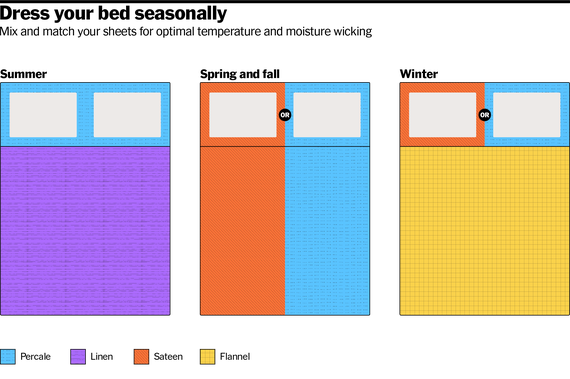
- Percale: Best for hot climates, summer, or year-round if you sleep warm.
- Sateen: Great for spring and fall, or cool bedrooms.
- Flannel: Top choice for winter, mountain cabins, or chilly homes.
A non-obvious tip: Many people mix and match, using percale in summer and flannel in winter, storing out-of-season sheets to save space and improve comfort.
Price And Value
Prices for these sheets can vary widely based on cotton quality (Egyptian, Pima, or standard cotton), brand, and country of origin.
- Percale: Typically mid-range. Basic sets start around $40, while luxury versions can reach $200+.
- Sateen: Often slightly more expensive due to the weaving process. Expect $50–$250 per set.
- Flannel: Quality flannel can cost between $40 and $150, depending on weight and cotton quality.
A key insight: Thread count is not as critical for flannel (look for GSM or oz/yd²). For percale and sateen, thread counts of 200–400 are ideal—higher isn’t always better and can sometimes reduce breathability.
Common Buying Mistakes To Avoid
- Ignoring Climate: Many buyers pick sheets for style, not comfort. Always match your sheet type to your climate or sleeping temperature.
- Chasing High Thread Count: For percale and sateen, high thread count isn’t always softer. Focus on cotton quality and weave.
- Not Reading Labels: Many “sateen” or “flannel” sheets are blends. If you want 100% cotton, read the label carefully.
- Skipping Care Instructions: Some sheets need special care. Neglecting this can shorten their lifespan.
- Buying Cheap Flannel: Low-quality flannel pills quickly. Look for tightly woven, heavier fabric for better durability.
How To Choose The Right Sheets For You
Still unsure which to pick? Here’s a step-by-step way to decide.
- Consider Your Sleeping Temperature: Do you wake up hot or cold? Hot sleepers should look for percale, while cold sleepers will love flannel.
- Think About Feel: Prefer crisp or smooth? Percale is crisp, sateen is silky, and flannel is fuzzy.
- Look at Climate: In hot areas, percale is best. For year-round comfort, sateen works well. Flannel shines in cold places.
- Maintenance: If you dislike ironing, sateen or flannel will save you time.
- Budget: All three are available in different price ranges, but quality matters more than thread count alone.
Real-world Examples
- Hotels: Many luxury hotels choose percale for its crisp feel and durability.
- Luxury Bedding Brands: Sateen is a favorite for brands that market “hotel luxury at home.”
- Winter Cabins: Flannel is almost always the go-to for vacation homes in cold regions.
A useful resource for further research is the Wikipedia Bedding Guide.
Credit: wellfabric.com
Frequently Asked Questions
Are Percale Sheets Better Than Sateen For Hot Sleepers?
Yes, percale sheets are usually better for hot sleepers. Their plain weave lets air pass easily, keeping you cool at night.
Do Flannel Sheets Pill Over Time?
Lower-quality flannel sheets can pill after several washes. Choosing high-quality, tightly woven flannel reduces pilling and keeps sheets soft longer.
Is A Higher Thread Count Always Better For Percale And Sateen?
No, after about 400 thread count, you often get denser, less breathable sheets. Focus on quality cotton and weave instead of just thread count.
Can I Use Flannel Sheets In Summer?
Flannel sheets are usually too warm for summer. If you live in a cool climate or keep your bedroom cold, light flannel may work, but most people switch to percale or sateen.
How Do I Prevent Sateen Sheets From Losing Their Shine?
Wash sateen sheets in cold water with mild detergent, and avoid bleach or harsh chemicals. This helps preserve their sheen and softness.
Switching between percale, sateen, and flannel sheets can transform how you sleep. By understanding the differences, you can pick the perfect bedding for your comfort, climate, and style. Great sleep starts with the right sheets—choose wisely, and you’ll notice the difference every night.