
If you share your home with pets, you know that pet hair finds its way everywhere—on your clothes, your furniture, and especially your blankets. Washing a blanket covered in pet hair can be frustrating. Sometimes, even after a wash, you notice hair still clinging to the fabric. This guide will show you practical steps to remove pet hair and wash your blanket in the washing machine effectively. You’ll also learn how to protect your washing machine and keep your blanket fresh and hair-free.
Why Pet Hair Is Hard To Remove
Pet hair is different from dust or lint. It’s often static-charged, which makes it cling tightly to fabric fibers. When wet, these hairs can become even more stubborn, sometimes sticking to the blanket or even clogging your washing machine. Some types of hair, like cat undercoat, are very fine and almost invisible until they gather in clumps. Understanding why hair sticks helps you choose the right removal methods.
Preparing Your Blanket Before Washing
It’s important to remove as much pet hair as possible before placing your blanket in the washing machine. If you skip this step, the hair can go into the washer’s drain or stick to other clothes. Here’s how to prepare your blanket:
Shake It Outside
Take your blanket outside and give it several strong shakes. This removes loose hair and dirt, preventing them from entering your washing machine.
Use A Lint Roller Or Brush
A lint roller is a sticky tool that picks up hair quickly. Roll it over both sides of the blanket. For larger or heavier blankets, a pet hair brush or rubber glove can be more effective. Rub your gloved hand or brush in short strokes to lift hair.
Vacuuming
If you have a handheld vacuum or a vacuum with an upholstery attachment, run it over the blanket. This step helps lift deep-set hair that shaking or rolling misses.
Tape Method
You can also wrap wide packing tape around your hand, sticky side out, and pat it over the blanket. This works well for stubborn areas where hair is deeply embedded.
Non-obvious tip: Never skip pre-removal even if you think the washer will do the job. Machine washing alone often causes hair to stick more tightly due to water and detergent.
Choosing The Right Washing Machine Settings
Blankets need a gentle but thorough clean, especially when covered in hair. Here’s what you need to know:
Water Temperature
Use warm water for most blankets (unless care label says cold only). Warm water helps loosen hair and dirt without damaging the fabric.
Cycle Type
Select the bulky or large load cycle if your washer has one. This cycle uses more water and slower agitation, which is ideal for blankets.
Spin Speed
A medium spin speed is best. Too fast can damage the blanket, and too slow won’t remove enough water.
Detergent Choice
Use a liquid detergent. Powdered detergents sometimes leave residue, especially on thick fabrics.
Adding Vinegar
Add half a cup of white vinegar to the rinse cycle. Vinegar helps loosen pet hair and makes fabric softer. It also helps reduce static, so less hair will stick after drying.
How To Load Your Washing Machine
Never overload your washer. Washing a blanket with pet hair needs plenty of space for water to move through the fabric. If you cram the blanket in, hair will get trapped and won’t rinse away.
- For a standard top-loader: Wash one blanket at a time.
- For a front-loader: Make sure the drum is no more than two-thirds full.
Pro tip: If your blanket is very large, try washing it at a laundromat with commercial-size machines.
Credit: www.amazon.com
Using Pet Hair Removal Aids
Some products are designed to catch hair in the wash:
- Pet hair remover balls are small, rubbery balls you toss in with your laundry. They attract and trap hair as the machine agitates.
- Washing machine filters or lint traps can be installed to catch hair before it clogs your drain.
- Dryer sheets (if you use a dryer later) help reduce static, so less hair sticks to the blanket.
Here’s a quick comparison of common aids:
| Product | How It Works | Best For | Cost |
|---|---|---|---|
| Pet Hair Remover Balls | Trap hair in the wash | All types of blankets | Low |
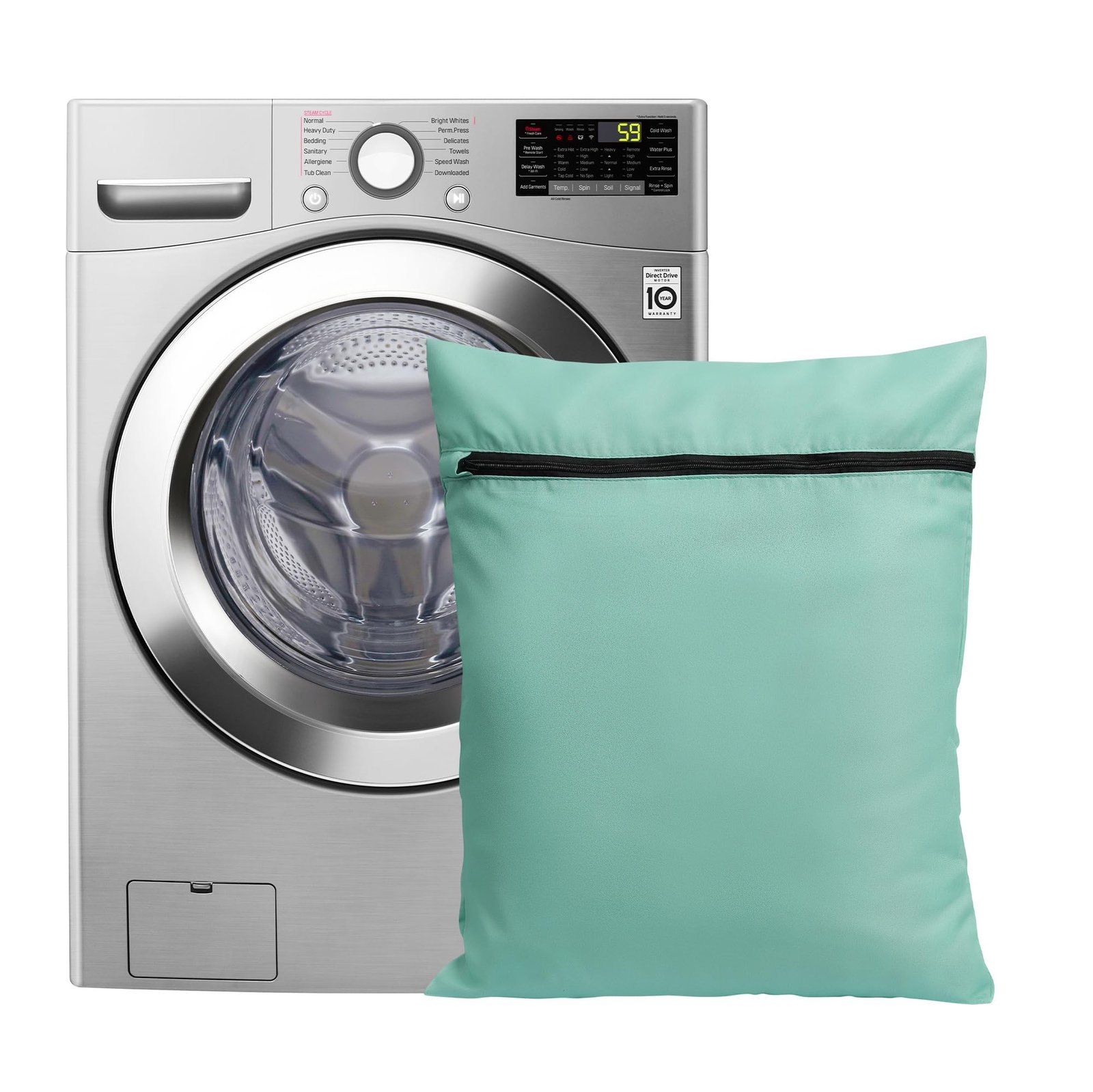
| Mesh Laundry Bags | Contain hair, easy removal | Small blankets | Low |
| Washing Machine Lint Filters | Catches hair in drain | Heavy shedding | Medium |
Washing The Blanket: Step-by-step
Once your blanket is prepared and you’ve set up your washing machine, follow these steps:
- Check the care label. Some blankets need special handling, like cold water or no tumble drying.
- Remove as much hair as possible (see above).
- Load the blanket loosely into the washer.
- Add detergent—use the recommended amount, not extra. Too much detergent can make rinsing harder.
- Pour half a cup of white vinegar into the fabric softener compartment or directly during the rinse cycle.
- Add pet hair remover balls or a mesh laundry bag if you have one.
- Start the cycle with the right settings (warm, bulky, medium spin).
- Check after washing. If hair remains, shake the blanket outside and repeat the wash if needed (no detergent this time).
Drying Your Blanket After Washing
Proper drying removes leftover hair and keeps your blanket soft. Here are the best methods:
Air Drying
Hang your blanket outside or over a large drying rack indoors. Sunlight helps kill bacteria and freshen the fabric. After the blanket is nearly dry, give it a strong shake to release any remaining hair.
Using A Dryer
If your blanket’s care label allows, tumble dry on low heat. Add dryer sheets or dryer balls—they help lift and trap hair. Clean the dryer lint filter immediately after use, as pet hair can block airflow.
Comparison: Air Vs. Machine Drying
| Method | Pros | Cons |
|---|---|---|
| Air Drying | No energy cost, gentle on fabric | Slower, needs space |
| Machine Drying | Quick, removes more hair | May damage delicate blankets if too hot |
Extra tip: For thick or large blankets, finish with air drying even if you use a dryer. This prevents trapped moisture and bad odors.
Cleaning Your Washing Machine After Pet Hair
Pet hair can build up inside your washing machine, leading to clogs, odors, or even breakdowns. After washing a hairy blanket, clean your washer as follows:
- Run an empty rinse and spin cycle. This helps flush out any remaining hair.
- Wipe the drum, door seal, and detergent drawer with a damp cloth.
- Check and clean the lint filter (if your machine has one).
- Every few washes, run a cleaning cycle with hot water and one cup of white vinegar.
For more on washer maintenance, see this helpful Consumer Reports guide.
Preventing Pet Hair Buildup On Blankets
The best way to keep your washing machine and blankets clean is to reduce pet hair in your home. Here are some strategies:
- Brush your pet regularly. This removes loose hair before it sheds.
- Use washable throws on furniture. These catch hair and are easier to clean.
- Vacuum often, especially where your pet sleeps.
- Wash blankets more frequently. Waiting too long allows hair to get deeply embedded.
Common Mistakes To Avoid
Many people make simple errors that make pet hair harder to remove:
- Skipping pre-wash removal. Machine washing alone won’t solve heavy hair buildup.
- Using too much detergent. This can trap hair in fabric.
- Overloading the washer. Hair needs room to rinse away.
- Forgetting to clean the dryer lint filter. This can cause fires and reduce efficiency.
- Washing pet hair with other laundry. Hair can transfer to other items.
Credit: kolchakpuggle.com
What To Do If Hair Remains After Washing
Sometimes, even after careful washing, you’ll see hair on your blanket. Don’t worry—there are a few more tricks:
- Use a damp rubber glove to rub over the blanket. Hair will stick to the glove.
- Try a second rinse cycle without detergent.
- Tumble dry briefly with dryer balls and a damp washcloth. The washcloth attracts hair in the dryer.
If hair is still present, repeat the removal process before the next wash.
How Often Should You Wash Pet Hairy Blankets?
Frequency depends on your pet’s shedding and your comfort. As a rule of thumb:
- Weekly if you have heavy shedders or allergies.
- Every two weeks for light to moderate shedding.
- Monthly if your pet rarely sleeps on the blanket.
Frequent washing prevents buildup and makes each wash easier.
Best Types Of Blankets For Pet Owners
Some blankets are easier to keep clean than others. Consider these options:
- Microfiber blankets: Hair slides off easily, and they dry fast.
- Fleece throws: Less static, but still can collect some hair.
- Cotton blankets: Natural fibers are less likely to hold static, making hair removal easier.
- Avoid wool or heavy knits, which trap hair and are harder to wash.
Here’s a quick comparison:
| Blanket Material | Hair Removal | Care Difficulty |
|---|---|---|
| Microfiber | Easy | Low |
| Fleece | Moderate | Low |
| Cotton | Easy | Low |
| Wool | Difficult | High |
Frequently Asked Questions
How Do I Keep Pet Hair From Clogging My Washing Machine?
Wipe as much hair as possible off the blanket before washing. Use a rinse cycle after washing pet-hairy items. Clean your lint filter and run a cleaning cycle monthly.
Can I Use Fabric Softener With Pet Hair Blankets?
It’s better to use white vinegar instead of fabric softener. Vinegar softens fabric and helps release hair, while some softeners can trap hair in fibers.
Is It Safe To Put Pet Hair Blankets In The Dryer?
Yes, if the care label allows. Use low heat and clean the lint filter after every use. Dryer balls or dryer sheets help remove more hair.
What If My Pet’s Hair Is Very Short Or Fine?
Short or fine hair can be even harder to remove. Use a rubber glove, vacuum, or sticky tape before washing. Repeat the process if needed.
Can I Wash Other Clothes With My Pet’s Blanket?
It’s best not to. Pet hair will transfer to other clothes, especially towels or dark fabrics. Wash pet hair blankets separately.
Washing a blanket with pet hair in the washing machine takes a bit more effort, but with the right steps, you can keep your bedding clean, soft, and free of stubborn hair. Remember, preparation and proper machine care make all the difference.
Your pets can keep their favorite spot, and you’ll enjoy a fresher, cleaner home.
Credit: www.amazon.com
