
Making a small space work for kids’ toys can feel like a daily battle. Toys seem to multiply overnight, and finding a home for each one is tough when every inch matters. But with smart strategies, even tiny rooms or apartments can stay tidy and fun.
This guide shares practical tips, creative ideas, and proven systems for parents hoping to reclaim their floors and give kids a sense of order.
Why Toy Organization Matters In Small Spaces
When space is limited, clutter builds up quickly. Toys on the floor can cause accidents, make cleaning hard, and even stress kids. Studies show that children focus better and play longer when their environment is organized. Plus, teaching children to put things away helps build lifelong habits of responsibility.
Many families struggle with toy clutter because they lack a system. The key isn’t just buying more boxes—it’s using smart organization, choosing the right storage, and getting the whole family involved.
Assess And Declutter First
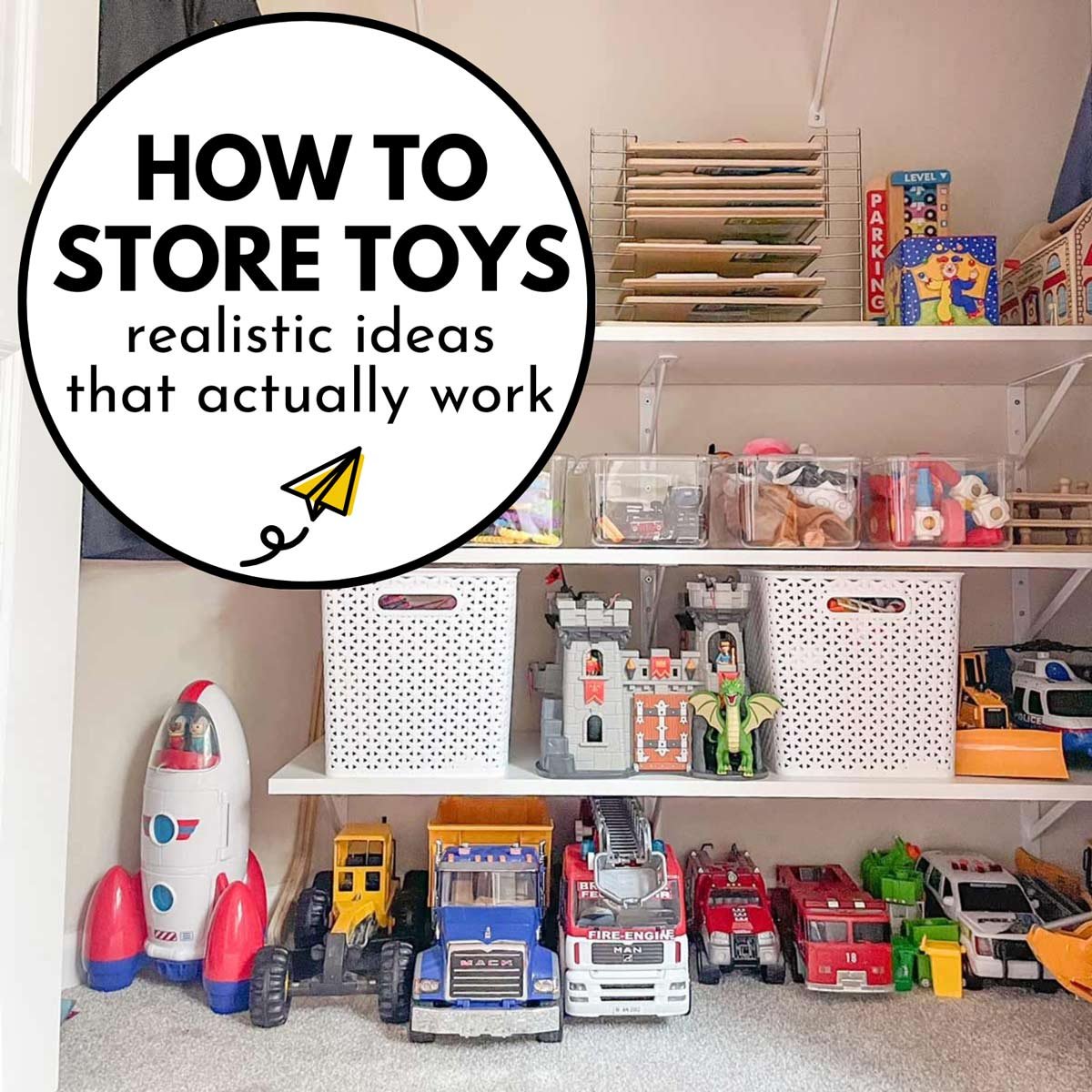
Before you buy containers or shelves, take a hard look at what you have. In a small space, less is more. Start by sorting toys into categories:
- Favorites: Toys your child plays with every day.
- Sometimes-used: Used occasionally, but still loved.
- Outgrown or broken: No longer age-appropriate or missing pieces.
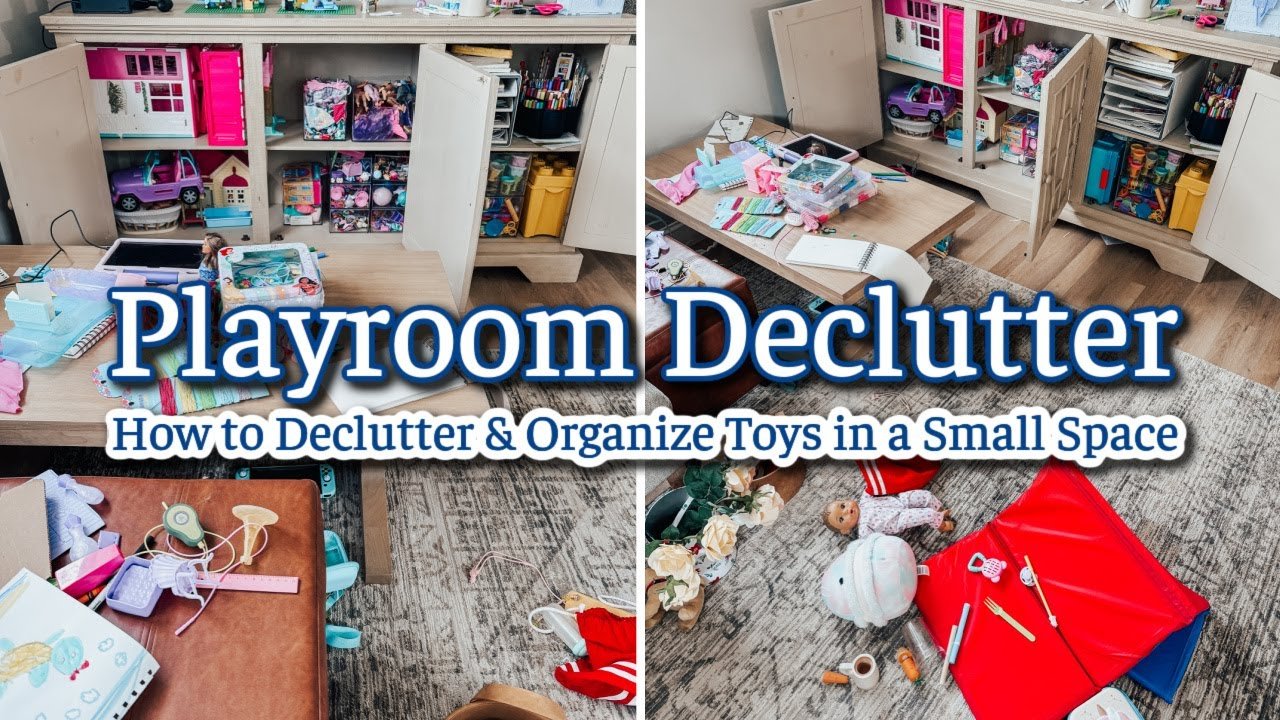
Involve your child in this process. Let them help decide what stays. Donate or recycle items from the third category. A 2022 survey found that the average child uses only 15% of their toys regularly. Decluttering first frees up precious room for what really matters.
Credit: busytoddler.com
Smart Storage Solutions For Small Spaces
The best toy storage for small rooms is flexible, vertical, and easy for kids to use. Here are some of the most effective options.
1. Use Vertical Space
Walls are often wasted in kids’ rooms. Vertical storage keeps the floor clear and makes use of every inch.
- Floating shelves: Great for books, puzzles, or display toys.
- Wall-mounted baskets: Hold stuffed animals, cars, or art supplies.
- Pegboards: Hang bins or hooks for items like dress-up clothes or building blocks.
2. Multi-functional Furniture
Furniture that doubles as storage is a game-changer in tight quarters.
- Storage benches: Sit and stash at the same time.
- Ottomans with lids: Perfect for blocks or dolls.
- Beds with drawers: Hide larger toys or board games.
3. Under-bed Storage
The space under a child’s bed is often underused. Use low-profile bins, rolling drawers, or zippered bags to store toys that don’t need daily access. Label each bin clearly.
4. Baskets, Bins, And Boxes
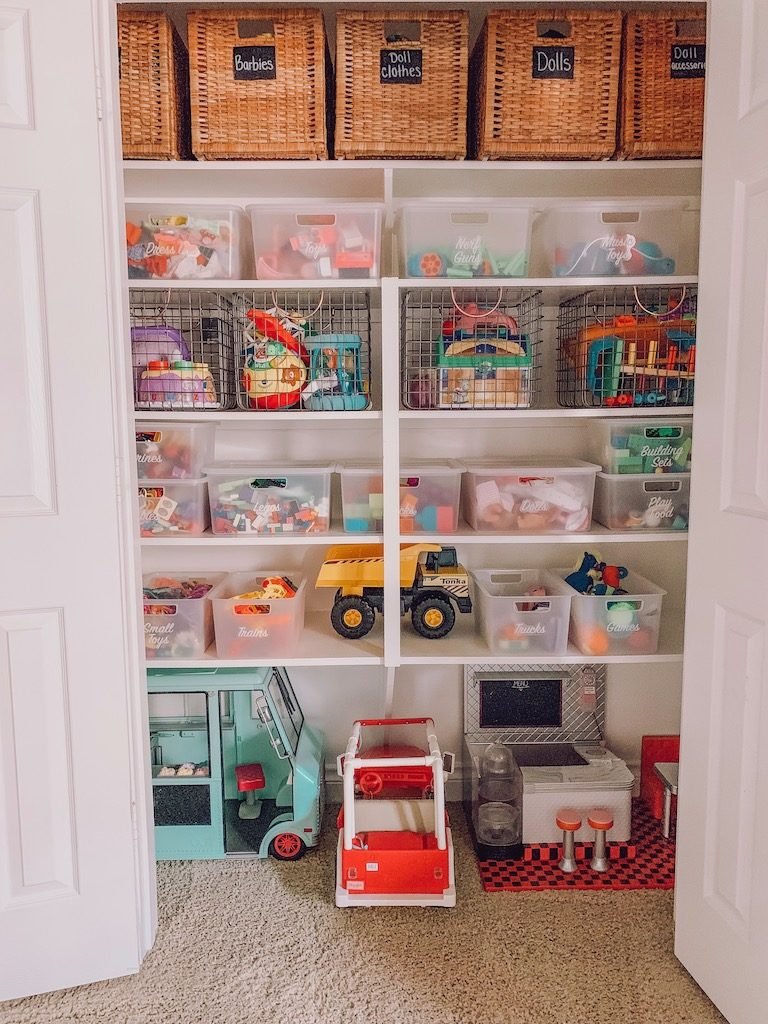
Clear, labeled containers make it simple for kids to clean up. Use smaller bins for small toys and larger ones for bulky items. Stackable boxes save space and keep things neat.
5. Over-the-door Organizers
These slim organizers can hang on closet or bedroom doors. They’re perfect for small dolls, art supplies, or cars. Choose clear pockets so kids can see what’s inside.
6. Closet Organization
If your child has a closet, maximize it:
- Add a low-hanging rod for dress-up clothes.
- Install extra shelves for labeled bins.
- Use hanging sweater organizers for plush toys or puzzles.
7. Rotating Toys
If space is tight, store some toys out of sight and rotate them every few weeks. This keeps playtime interesting and reduces the number of toys out at once.
Organizing By Category
Grouping toys by type makes it easier for kids to find what they want and put things away. Here’s a simple system:
| Toy Type | Best Storage Solution |
|---|---|
| Building Blocks | Stackable bins with lids |
| Art Supplies | Clear caddies or drawer organizers |
| Board Games | Vertical shelf storage |
| Stuffed Animals | Hanging nets or over-the-door pockets |
| Small Figures | Drawer dividers or small boxes |
Label each bin with words and pictures if your child isn’t reading yet. This helps even young kids know where things go.
Credit: lifebyleanna.com
Creating Play Zones
Even in a small room, dividing the area into mini “zones” helps contain mess and gives each type of play its own spot.
- Book Nook: A corner with a basket of books and a soft pillow.
- Art Station: Table with supplies in a caddy.
- Building Area: Rug for blocks with a nearby bin.
Physical boundaries—like a small rug or shelf—help define each space. This makes cleaning up less overwhelming for young children.
Tips For Keeping Organization Simple
Staying organized isn’t just about the setup. Daily habits matter. Here are some ways to make tidy-up time easy:
- Limit the number of toys out at once: Store extras out of sight.
- Set a daily cleanup routine: Five minutes before dinner or bedtime.
- Make it fun: Play a favorite song or make it a race.
- Model the behavior: Tidy up together until it becomes a habit.
Many parents find that fewer toys means deeper, more creative play. Kids aren’t overwhelmed by choices and learn to care for what they have.
Credit: www.youtube.com
Comparing Toy Storage Options
Choosing the right storage depends on your space, budget, and your child’s age. Here’s a quick comparison:
| Storage Type | Pros | Cons |
|---|---|---|
| Baskets | Easy access, affordable | Can look messy, less stackable |
| Plastic Bins | Stackable, dust-proof | Kids need help to open heavy lids |
| Shelves | Good for display, easy reach | Limited by wall space |
| Closet Organizers | Hidden, uses vertical space | May require adult help |
| Under-bed Drawers | Hidden, large items fit | Not ideal for daily-access toys |
Involving Kids In Organization
Children are more likely to put things away if they help set up the system. Let your child choose labels, pick their favorite bins, or decide where things go. This gives them ownership and makes organizing feel less like a chore.
Two insights many parents miss:
- Keep storage at child’s height. If bins are too high, kids won’t use them.
- Use visual cues. Pictures on bins are powerful for non-readers and make cleanup faster.
Dealing With Tiny Toys And Loose Pieces
Small pieces are the hardest to organize in a tight space. Use:
- Drawer dividers for puzzles, cards, or game pieces.
- Zip-top bags inside bins for sorted sets.
- Magnetic strips on walls for metal cars or figures.
Always check that small items are out of reach for babies or toddlers.
Making The Most Of Shared Spaces
If your child’s toys live in the living room or another shared area, keep the system simple and stylish. Neutral baskets, fabric bins, or coffee tables with hidden storage blend into adult spaces. Use one dedicated shelf or corner and return all toys there at the end of the day.
When To Re-evaluate Your System
Life changes fast with kids. Revisit your storage every few months. As children grow, their play changes—what worked for toddlers won’t work for school-age kids. If toys start overflowing again, do a quick declutter.
Budget-friendly Toy Organization Ideas
Getting organized doesn’t have to be expensive. Many smart solutions cost little or nothing:
- Repurpose containers: Use shoe boxes, jars, or old baskets.
- DIY shelves: Simple wall brackets and boards work well.
- Dollar store bins: Affordable and come in many sizes.
- Upcycle old furniture: An unused nightstand can become a toy station.
Safety Tips For Toy Storage
Safety should always come first. Here’s what to check:
| Tip | Why It Matters |
|---|---|
| Anchor shelves to the wall | Prevents tipping if kids climb |
| Avoid heavy lids | Little fingers can get trapped |
| Choose rounded corners | Reduces bumps and bruises |
| Keep choking hazards high | Protects babies and toddlers |
Sustainable Organization Choices
Consider eco-friendly bins made from bamboo or recycled materials. Donate outgrown toys to local charities or preschools instead of throwing them away. This keeps clutter down and teaches kids about giving.
When To Ask For Help
If you feel overwhelmed, don’t hesitate to ask for advice. There are professional organizers who specialize in small spaces. Online communities and parenting blogs also share real-life tips. For more detailed inspiration, check out this Apartment Therapy guide.
Bringing order to a small space takes effort, but the rewards are big: less stress, easier cleaning, and happier playtimes.
Frequently Asked Questions
How Do I Keep My Child From Dumping All The Toys Out At Once?
Limit how many toys are accessible. Store extras out of reach and rotate them. Use smaller bins so only one type of toy comes out at a time. Setting a tidy-up routine also helps kids learn to clean as they go.
What Should I Do With Toys My Child Has Outgrown?
Donate toys in good condition to local charities, schools, or friends. Broken or incomplete toys should be recycled if possible. Keeping only age-appropriate items makes organizing easier.
Is It Better To Use Open Or Closed Storage In Small Rooms?
Open storage (like baskets or shelves) is easier for kids to use and makes cleanup fast. Closed storage (like bins with lids) keeps things looking neat but may need adult help. Many families use a mix: open for daily toys, closed for extras.
How Often Should I Reorganize My Child’s Toys?
Check your system every few months or after birthdays/holidays. If clutter builds up or your child’s play habits change, it’s time to adjust your setup.
How Can I Organize Toys If I Don’t Have A Playroom?
Use part of a living room, hallway, or even a closet. Choose storage that fits your style, like fabric bins or benches with hidden space. Always put toys away in the same spot to keep clutter under control.
Keeping toys organized in a small space is possible with thoughtful systems, regular decluttering, and a little creativity. By involving your child and adjusting as they grow, you can create a tidy, happy place to play—no matter how small your home may be.