
Creating a peaceful bedroom is more than choosing pretty colors. For many people, the right shades can change how well they sleep. Feng Shui, an ancient Chinese art, teaches that the energy of a room affects your health and mood. Choosing the best bedroom colors for sleep with Feng Shui in mind can help you rest better, feel calm, and wake up refreshed. Whether you want to improve your sleep or simply want a cozy space, understanding which colors work best—and why—can make a big difference.
How Feng Shui Influences Sleep
Feng Shui means “wind and water.” This tradition believes that everything has energy, or chi. In Feng Shui, your bedroom should be a place where energy flows softly and calmly. Strong colors, clutter, and harsh lights can disturb your sleep. But the right bedroom colors for sleep Feng Shui bring balance and peace.
Key Feng Shui Principles For Bedroom Colors
Before choosing a paint, bedding, or decor, it helps to know some basics. Feng Shui uses five elements—Wood, Fire, Earth, Metal, Water—and each connects to certain colors. Balance is important; no single color should dominate. Feng Shui also values personal taste, so a color should make you feel relaxed, not just fit a rule.
The Five Elements And Their Colors
- Wood: Green, teal, light blue
- Fire: Red, orange, strong pink
- Earth: Beige, tan, brown, soft yellow
- Metal: White, gray, silver
- Water: Deep blue, black
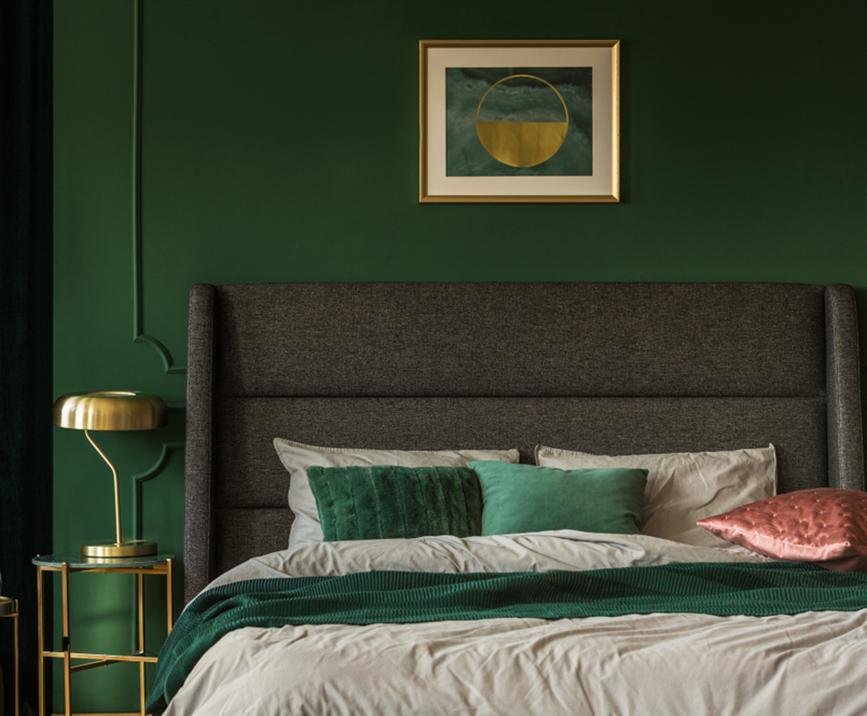
For sleep, calming colors from the Wood, Earth, and Water elements are best. Bright Fire colors are usually avoided in bedrooms.
Credit: www.citymattress.com
Top Feng Shui Bedroom Colors For Sleep
Let’s explore which colors Feng Shui experts recommend for better sleep and why these shades help you rest.
1. Soft Blue
Soft blue is one of the most peaceful choices. In Feng Shui, blue connects to the Water element, which brings calm and clarity. Studies show that blue lowers blood pressure and slows the heart rate, helping you fall asleep faster. Choose lighter shades like sky blue or powder blue for walls, bedding, or curtains. Too much dark blue can feel cold or sad, so balance it with white or beige.
2. Pale Green
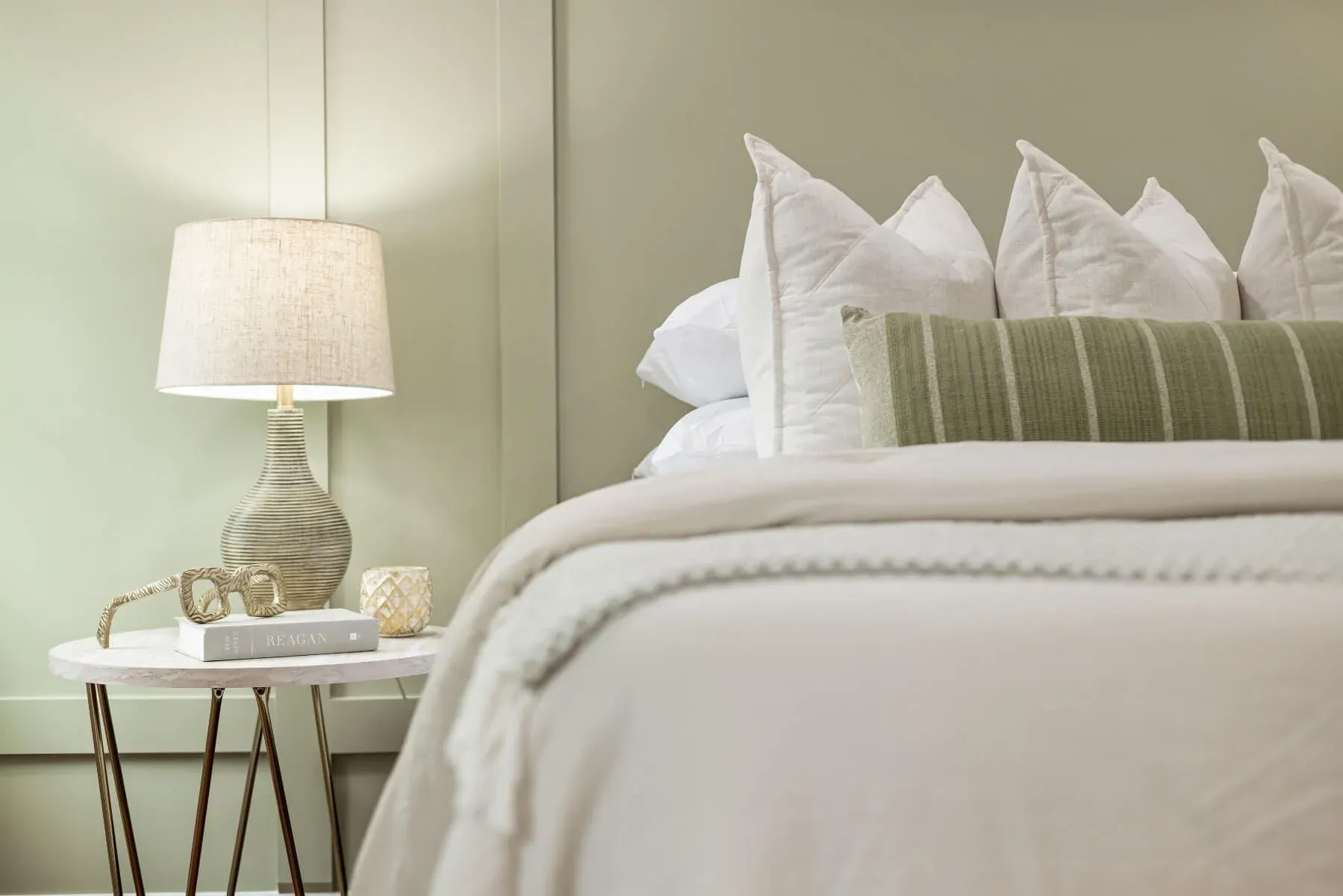
Pale green relates to the Wood element, which means growth and renewal. This color is gentle on the eyes and makes the room feel fresh and alive. Green is proven to reduce stress, making it ideal for sleep. Use mint, sage, or light moss green. Avoid harsh or neon greens, as they can be too stimulating.
3. Warm Beige
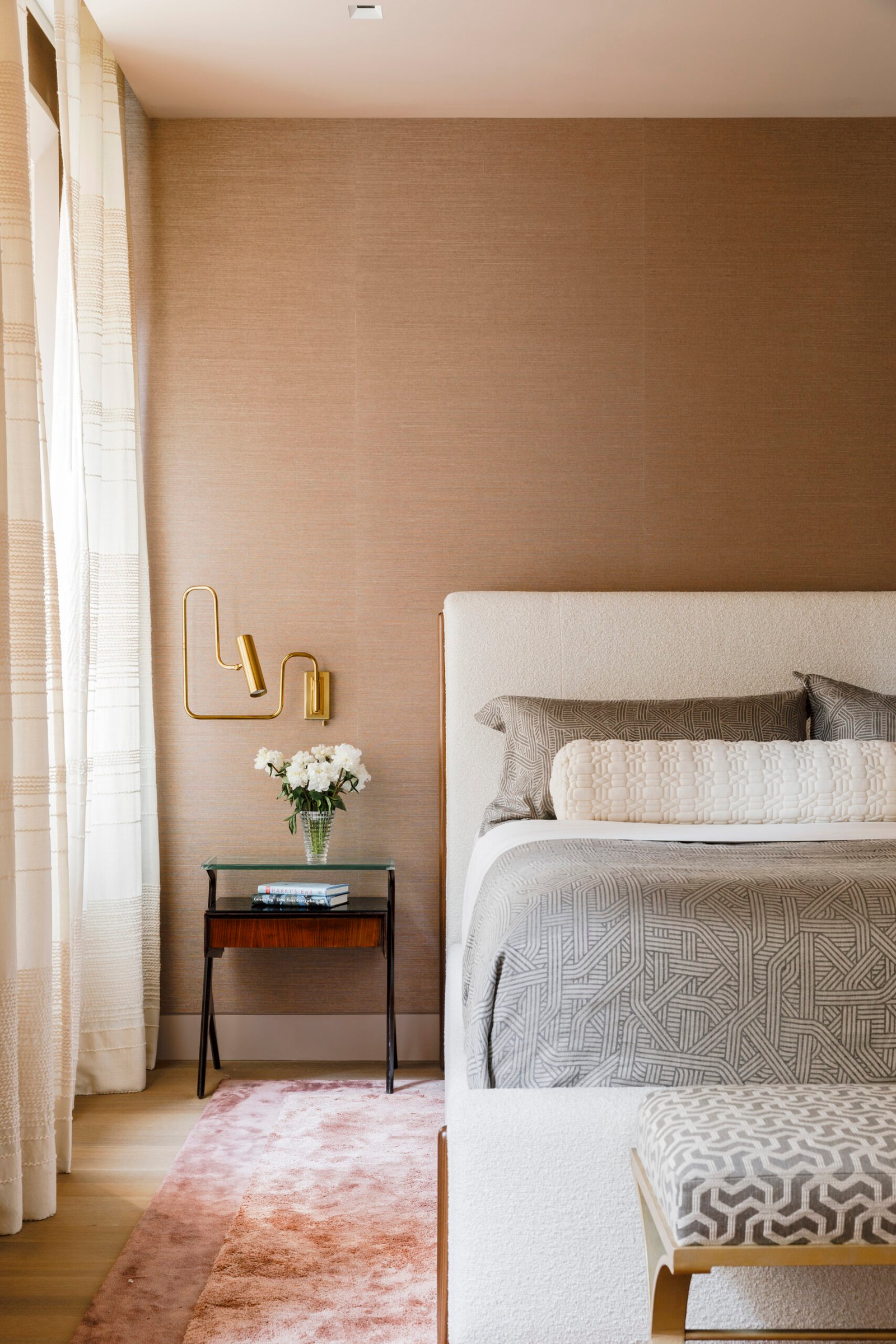
Warm beige and soft tans are classic Feng Shui bedroom colors. They come from the Earth element, which grounds and centers you. Earth tones support stability, making you feel safe at night. Beige works well with almost any other color, so it’s easy to add in pillows or artwork in your favorite shades.
4. Muted Gray
Muted gray fits the Metal element. It’s simple, clean, and very modern. Gray is calming, especially in lighter shades like dove or pearl gray. It’s a good choice if you want a neutral look. However, too much gray can feel dull—mix in some soft blue or green to add life.
5. Light Lavender
Light lavender combines the calm of blue with the gentle energy of red. It’s often used for stress relief. In Feng Shui, lavender links to both Wood and Fire, but in pale shades, it’s relaxing. Use it for bedding, throws, or a small accent wall. Strong purple, however, can be too active for sleep.
6. Soft White
Soft white reflects the Metal element and brings clarity and simplicity. White makes a room feel open and clean. In Feng Shui, pure white can be too “empty,” but creamy or off-white shades are comforting. Add warm lighting and natural textures to avoid a cold feeling.
7. Gentle Pink
Gentle pink is not the bright pink you see in children’s rooms. Instead, Feng Shui suggests dusty rose or blush. These colors are linked to Fire but, in soft tones, they promote love and harmony. Pink is a good accent color for pillows or art, especially for couples.
8. Soft Earthy Yellow
Soft yellow connects with the Earth element. It brings warmth and gentle cheer, like sunlight. Choose pale or muted yellows to avoid too much energy at night. Too much bright yellow can make it hard to rest.
9. Cool Teal
Cool teal is a blend of blue and green, joining the Wood and Water elements. It’s both refreshing and calming. Teal works well for accent walls or bedding, especially in small bedrooms.
10. Light Taupe
Light taupe is a mix of gray and brown. This Earth tone is grounding and soft, making your bedroom feel like a safe retreat. Taupe pairs well with white, blue, or green for a balanced look.
Feng Shui Bedroom Color Mistakes To Avoid
Not all colors are equal when it comes to sleep. Here are some common mistakes:
- Using bright red or orange: These colors are too active and can disturb sleep.
- Too much black: While black is calming, too much can make a room feel heavy or depressing.
- Strong contrast: Sharp black-and-white stripes or patterns can create tension.
- Glossy finishes: Shiny paints reflect too much light, making it harder to relax.
- Ignoring natural light: Colors look different in daylight and at night. Always test your chosen paint in different lighting.
Credit: www.livingetc.com
Comparing Bedroom Colors For Feng Shui Sleep
To help you choose, here’s a simple comparison of popular Feng Shui colors for sleep:
| Color | Feng Shui Element | Sleep Effect | Best Use |
|---|---|---|---|
| Soft Blue | Water | Very calming | Walls, bedding |
| Pale Green | Wood | Stress relief | Accents, decor |
| Warm Beige | Earth | Grounding | Walls, flooring |
| Muted Gray | Metal | Soothing | Walls, furniture |
| Light Lavender | Wood/Fire | Relaxing | Bedding, accents |
How To Choose The Right Feng Shui Bedroom Color
Choosing a color is personal. Here are steps to find the best match for your space and sleep:
- Check your room’s natural light. North-facing rooms suit warmer colors, while south-facing rooms look good with cool tones.
- Consider your personal energy. If you are anxious, choose earth or water colors like beige or blue. If you feel tired, add gentle yellow or green.
- Test small areas first. Paint a small wall section or use fabric samples before committing to a full room.
- Balance with furniture and decor. Don’t use just one color. Mix with wood, soft fabrics, or gentle patterns for harmony.
Credit: sleep.me
Combining Feng Shui Colors: What Works Best?
Mixing colors carefully can give you the benefits of several elements. For example:
- Pair soft blue walls with beige bedding for calm and grounding.
- Use light gray furniture with pale green curtains to blend Metal and Wood energies.
- Try gentle pink pillows on a taupe bedspread for harmony and warmth.
Here’s a quick guide to some effective combinations:
| Main Color | Accent Color | Feng Shui Effect |
|---|---|---|
| Soft Blue | Warm Beige | Peace + Stability |
| Pale Green | Muted Gray | Renewal + Calm |
| Light Taupe | Gentle Pink | Grounding + Love |
Non-obvious Tips For Using Feng Shui Bedroom Colors
Most people know to pick soft colors, but here are tips beginners often miss:
- Ceiling color matters: Painting the ceiling a very pale blue or soft white can make your bedroom feel more open and sky-like, which relaxes the mind.
- Don’t forget the floor: Rugs in earth tones can help ground the energy, especially if you have cool wall colors.
- Artwork and accessories: If repainting isn’t possible, use art, bedding, or curtains in the right colors to shift the energy.
Real-world Example: Transforming A Bedroom With Feng Shui Colors
Consider a couple who struggled with sleep in a bold red bedroom. After switching to soft blue walls and beige bedding, both reported falling asleep faster and waking up less often. They added pale green plants for freshness and used light gray curtains to filter sunlight. This simple change improved their sleep quality and mood, supporting what Feng Shui experts have advised for centuries.
The Science Behind Bedroom Colors And Sleep
While Feng Shui is ancient, modern science supports the idea that colors affect sleep. According to a 2018 study, people who sleep in blue rooms fall asleep 15% faster than those in red rooms. Soft, muted colors help lower stress hormones like cortisol, which can keep you awake.
This shows that color choice is not just tradition—it’s backed by research.
For more on how color impacts sleep, see this summary by the Sleep Foundation.
Frequently Asked Questions
What Is The Worst Bedroom Color For Sleep According To Feng Shui?
Bright red is the worst color for sleep in Feng Shui. Red is too stimulating and increases heart rate, making it hard to relax. It’s best saved for living rooms or creative spaces.
Can I Use Black In My Feng Shui Bedroom?
A little black is fine, as it represents the Water element and can add depth. But too much black creates heavy energy and may lead to sadness or insomnia. Use it only in small accents, like frames or pillows.
Are White Walls Good For Feng Shui Sleep?
Soft white walls are good, especially when combined with warm textures and colors. Avoid pure, cold white, as it can feel empty and sterile. Off-white or creamy white is more relaxing.
Do I Have To Repaint My Room To Follow Feng Shui?
No, you can bring in Feng Shui color energy with bedding, curtains, rugs, or artwork. Small changes can have a big effect on the room’s mood and your sleep.
How Often Should I Change My Bedroom Color For Feng Shui?
There’s no set rule. If you feel restless or notice poor sleep, try changing colors or adding new accents. It’s more important to adjust the room to your needs than to follow a schedule.
A restful bedroom supports a healthy life. Using the best Feng Shui bedroom colors for sleep can help you create a space that calms your mind and body, night after night. Remember, the right color is one that feels peaceful to you.
Try these ideas and enjoy deeper, more refreshing sleep.