
Choosing the right office chair can transform your workday. Many people spend hours sitting, so comfort and support are not luxuries—they are essentials. The debate between a task chair and an executive chair is common, especially as more people set up home offices or upgrade their workspace. While both are designed for desk work, they serve different needs and preferences. Understanding their differences can help you make a smart investment in your health and productivity.
What Is A Task Chair?
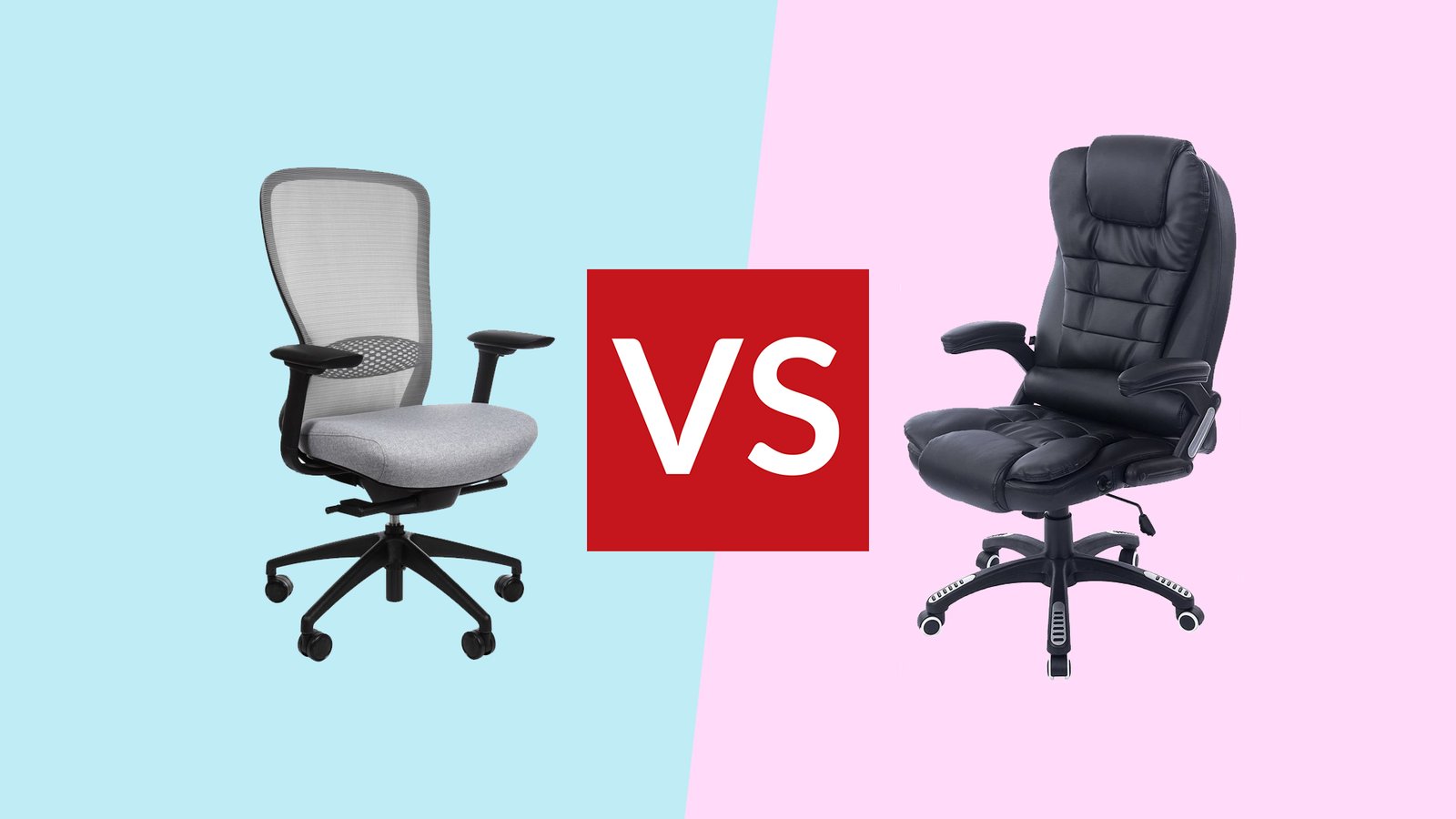
A task chair is a functional, ergonomic seat made for daily desk work. These chairs are typically smaller, lighter, and easy to move around. They focus on flexibility and support, making them ideal for people who need to switch tasks often.
Task chairs usually feature:
- Adjustable height to fit different desks and users
- Swivel base for movement and access to different areas
- Minimal padding for a lightweight build
- Basic lumbar support
Many modern task chairs offer extra ergonomic features like adjustable arms and backrests. These chairs are common in open offices, schools, and home offices. Their design encourages active sitting, letting users shift positions throughout the day.
What Is An Executive Chair?
An executive chair is designed for top-level comfort and a strong presence. These chairs are larger, heavier, and often covered in leather or high-quality fabric. The goal is to provide luxury, status, and support for long meetings or extended computer work.
Executive chairs usually include:
- High backrest for full spine support
- Thick padding for extra comfort
- Headrest and padded armrests
- Tilt and recline functions
They are common in private offices, boardrooms, or anywhere image and comfort matter. These chairs are less mobile and can take up more space but offer a plush seating experience.

Credit: www.freedmansonline.com
Key Differences: Task Chair Vs Executive Chair
Understanding the main differences helps you choose the right chair for your needs. Here’s a side-by-side look:
| Feature | Task Chair | Executive Chair |
|---|---|---|
| Design | Simple, compact | Large, impressive |
| Padding | Minimal | Thick and plush |
| Back Support | Mid-back | High-back with headrest |
| Adjustability | Height, armrests, some tilt | Height, tilt, recline, often less arm adjustability |
| Mobility | Highly mobile | Less mobile |
| Space | Fits small areas | Needs more space |
| Price | Budget-friendly | Premium cost |
Ergonomics: Which Chair Supports Better Posture?
Both chairs offer support, but in different ways.
Task chairs focus on ergonomics. Many let you adjust the seat height, armrests, and sometimes the back angle. This flexibility fits users of different heights and body types. The smaller backrest encourages you to sit upright. For people who move or shift positions often, a task chair can help prevent fatigue.
Executive chairs give a more relaxed experience. Their high backs, thick padding, and built-in headrests cradle the whole body. This is great for long meetings or when you lean back to think. However, not all executive chairs offer fine-tuned adjustments. Some are more about comfort and style than perfect posture.
Non-obvious Insight
Many buyers believe thick padding means better support. In reality, too much padding can lead to heat build-up and less active sitting. Task chairs, with less padding but more adjustability, often keep users more comfortable during very long work sessions.
Materials And Build Quality
Material choice changes the look, feel, and durability of your chair.
- Task chairs often use breathable mesh or basic fabric. This keeps you cool and cuts down on sweat during long hours.
- Executive chairs usually feature leather (real or faux), high-quality fabric, or synthetic blends. These materials look professional but can be warmer and need more care.
The frame is important, too. Metal frames last longer, while plastic is lighter and cheaper. Wheels and base quality can affect mobility and stability.
Example
A mesh task chair might last 5-7 years with daily use, while a high-end executive chair with leather can last over a decade if cared for properly.
Adjustability: Finding The Right Fit
Adjustability is key for comfort. Here’s how the two compare:
| Adjustment | Task Chair | Executive Chair |
|---|---|---|
| Seat Height | Yes | Yes |
| Armrests | Often adjustable | Usually fixed, sometimes padded |
| Backrest Tilt | Basic tilt or lock | Advanced tilt/recline, sometimes lockable |
| Lumbar Support | Sometimes adjustable | Often built-in, rarely adjustable |
| Seat Depth | Occasionally adjustable | Rarely adjustable |
Task chairs generally win on adjustability, letting you personalize the fit. Executive chairs provide comfort out of the box but may not fit all body types perfectly.
Credit: www.t3.com
Comfort: Sitting For Hours
Comfort is subjective, but some patterns are clear.
- Task chairs are best for active work. They encourage movement and support short breaks. For people who get up often or switch between tasks, these chairs help keep energy up.
- Executive chairs are ideal for long, stationary work sessions. If you spend hours in meetings or prefer to lean back and relax, the extra padding and high back offer the most comfort.
Important Tip
Try to test any chair before you buy, if possible. People often overlook seat width and depth, which are just as important as cushioning. A chair that feels good for five minutes may not support you after four hours.
Appearance And Professional Image
The look of your chair can affect your workspace.
- Executive chairs look impressive and signal authority. They are often chosen by managers or anyone who wants a classic, high-status office.
- Task chairs are neutral and fit in any modern office. Their simple design blends into busy, open workspaces.
If you have a home office, think about how the chair will look on video calls. Executive chairs can help you look more professional, while task chairs keep things simple.
Space And Mobility
Space matters, especially in small offices or shared workspaces.
- Task chairs are light, easy to move, and fit under most desks.
- Executive chairs are larger, heavier, and may not roll as easily. They need more room, which could be a problem in small areas.
Here’s a quick size comparison:
| Type | Average Width | Average Height | Weight |
|---|---|---|---|
| Task Chair | 19-22 inches | 35-40 inches | 15-25 lbs |
| Executive Chair | 24-28 inches | 40-50 inches | 35-55 lbs |
Price Range: What Can You Expect?
Cost is a big factor.
- Task chairs range from $50 to $300, depending on features and materials.
- Executive chairs usually start at $150 and can go over $1000 for luxury models.
Remember, price does not always equal comfort. Some mid-range task chairs outperform expensive executive chairs for long-term ergonomics.
Non-obvious Insight
Many buyers spend too much on style and padding, ignoring ergonomic features. Investing in proper adjustability gives more value than paying for leather or a famous brand.
Maintenance And Durability
Maintenance needs differ:
- Task chairs with mesh or fabric are easy to clean and rarely need special care.
- Executive chairs with leather or faux leather need regular cleaning and conditioning to stay in top shape.
If durability is a priority, check the warranty and user reviews before buying. Metal frames last longer, while plastic can crack or wear down.
Who Should Use Each Chair?
Not everyone needs the same chair. Here’s a guide:
- Choose a task chair if: You work in a small space, move often, want flexibility, or need a budget-friendly option.
- Choose an executive chair if: You want maximum comfort, need a professional look, spend long hours at the desk, or hold meetings in your office.
Example
A graphic designer who moves between a drawing table, computer, and meeting area will benefit from a task chair. A CEO who spends hours in video calls and client meetings may prefer the executive chair’s comfort and image.
Common Mistakes When Choosing
- Ignoring adjustability. Many people focus on looks and forget to check if the chair fits their body.
- Overestimating padding. Thicker is not always better. Too much padding can cause heat and poor posture.
- Forgetting about space. Large executive chairs can crowd small rooms.
- Choosing price over comfort. A cheap chair may cost more in the long run if it causes back pain.
- Not testing first. If possible, sit in the chair before buying. Five minutes can reveal a lot.
Practical Buying Tips
- Measure your desk and space before shopping.
- Check the return policy in case the chair does not fit you.
- Read reviews to see real experiences with comfort and durability.
- Look for a warranty of at least 1-2 years.
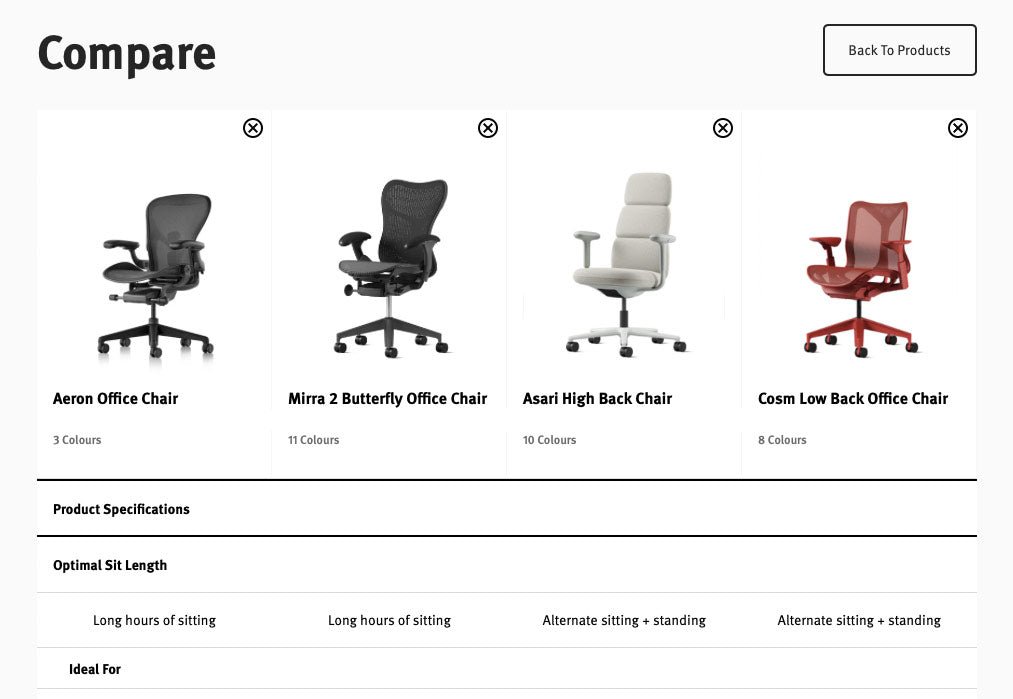
For more details about chair ergonomics, see this guide: Verywell Health.
Credit: eustore.hermanmiller.com
Frequently Asked Questions
What Is The Main Difference Between A Task Chair And An Executive Chair?
Task chairs are simple, adjustable, and designed for active work. Executive chairs are larger, more padded, and focus on luxury and comfort, often used by managers and in private offices.
Are Executive Chairs Better For Back Pain?
Not always. Some executive chairs offer good back support, but task chairs with adjustable lumbar and backrest features can be better for posture and long-term comfort if set up correctly.
Can A Task Chair Be Used In A Home Office?
Yes. Task chairs are a great fit for home offices, especially if you have limited space or move between different tasks during the day.
Which Chair Is More Durable?
Durability depends on materials and build quality. Executive chairs often use leather and strong frames, but task chairs made with quality mesh and metal bases can last just as long.
How Do I Choose The Right Chair For Me?
Consider your workspace size, how many hours you sit, your budget, and whether you need adjustability or a professional look. Always try to sit in the chair before buying to check comfort and support.
Making the right choice between a task chair and an executive chair can improve your health, comfort, and productivity. Focus on your real needs, not just style, and you’ll enjoy your workspace every day.