
Oil stains can ruin your favorite clothes in seconds. Whether it’s cooking oil, motor oil, or salad dressing, these stains are stubborn and hard to remove. Many people panic and wash the clothes right away, but this often makes the stain worse.
The good news is, oil stains can be removed if you act quickly and use the right methods. This guide shows you step-by-step how to get rid of oil stains from clothes, so you don’t have to throw them away or feel embarrassed wearing them.
You will learn how oil stains behave, why regular washing isn’t enough, and which tools and products really work. We’ll also cover common mistakes and give practical advice for different types of fabric. Let’s restore your clothes to their best condition.
Why Oil Stains Are Difficult To Remove
Oil is a hydrophobic substance, meaning it repels water. This is why normal laundry detergent and water often fail to remove oil stains. The oil sticks to the fibers of the fabric, making the stain look shiny and greasy. Unlike other stains, oil doesn’t dissolve easily in water.
Oil stains also tend to spread if not treated quickly. If you let the stain sit, it can become permanent, especially after drying or ironing. Understanding this will help you choose the best cleaning method.
Immediate Actions: What To Do When You Notice An Oil Stain
Acting fast is critical. Here’s what you should do right after discovering the stain:
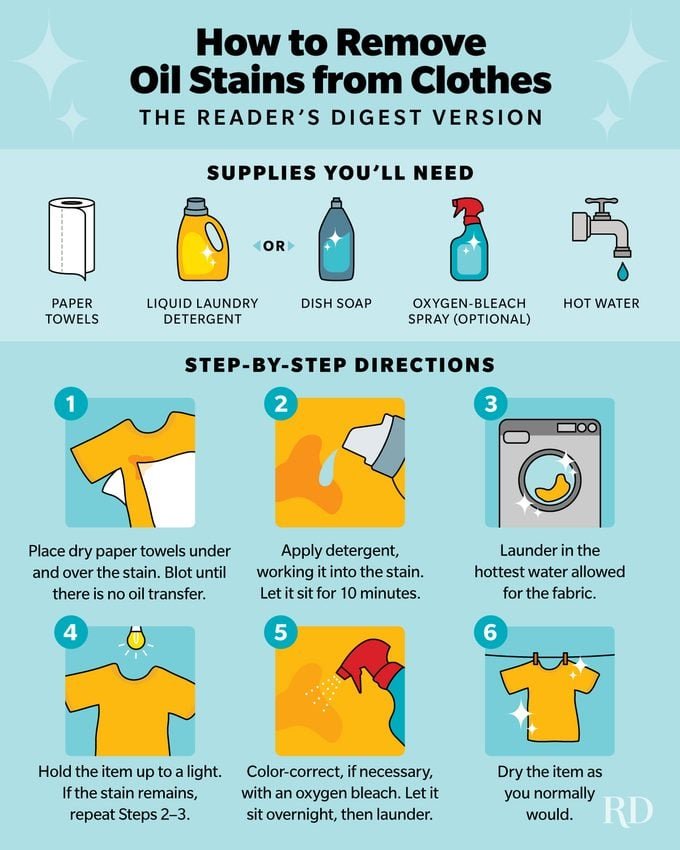
- Blot the stain: Use a paper towel or a clean cloth to blot as much oil as possible. Don’t rub, as this spreads the oil further.
- Sprinkle absorbent powder: Apply baking soda, cornstarch, or talcum powder to the stained area. These powders soak up oil and prevent it from setting deeper.
- Let it sit: Leave the powder on for at least 30 minutes, preferably 1 hour. It will absorb oil from the fabric.
- Brush off powder: Use a soft brush or your fingers to gently remove the powder.
These steps don’t remove the stain completely but make it easier to treat later.
Pre-treatment Methods: Preparing Clothes For Washing
After blotting and applying powder, you need to pre-treat the stain before washing. This step helps break down the oil.
Using Dish Soap
Dish soap is designed to cut through grease. It works well on oil stains.
- Apply a small amount of dishwashing liquid directly to the stain.
- Gently rub the fabric together, or use a soft brush.
- Let it sit for 10–15 minutes.
Liquid Laundry Detergent
Some detergents are made to handle tough stains.
- Use a liquid detergent (avoid powder detergent for pre-treatment).
- Pour directly onto the stain and rub gently.
- Wait 5–10 minutes before washing.
Commercial Stain Removers
Products like OxiClean or Shout can help.
- Follow instructions on the packaging.
- Apply the stain remover, let it sit, then wash as usual.
Homemade Solutions
For those who prefer natural options:
- Mix vinegar and water (1: 1 ratio), dab onto the stain.
- Combine baking soda and dish soap to make a paste, apply to the stain.
Washing: Best Practices For Oil Stain Removal
Once you pre-treat the stain, it’s time to wash. Here are the key steps:
- Use the hottest water safe for the fabric: Hot water helps dissolve oil better. Check the care label first.
- Add extra detergent: Use a bit more detergent than usual to boost cleaning power.
- Avoid fabric softener: It can lock in oil and make stains harder to remove.
- Wash separately: Don’t mix with regular laundry. Oil can transfer to other clothes.
Comparing Water Temperature Effectiveness
Here’s a quick reference for how water temperature impacts oil stain removal:
| Fabric Type | Recommended Water Temp | Effectiveness |
|---|---|---|
| Cotton | Hot | High |
| Polyester | Warm | Moderate |
| Delicate (Silk/Wool) | Cold | Low |
Always check the care label to prevent damage.
Drying: Why You Should Never Use Heat Before The Stain Is Gone
Heat can set an oil stain permanently. If you use a dryer or iron before the stain is completely removed, the oil bonds with the fabric fibers, making it nearly impossible to remove later. Always air-dry stained clothes until you are sure the stain is gone.
Hold the fabric up to the light; oil stains often appear darker or shiny.
Removing Old Or Set-in Oil Stains
If the oil stain is old or has gone through the dryer, it’s harder to remove but not impossible. Here’s what to do:
Step-by-step For Stubborn Stains
- Apply baking soda or absorbent powder
- Cover the stain, leave for several hours or overnight.
- Brush off powder
- Remove as much as possible.
- Add dish soap or stain remover
- Work it into the stain with a brush.
- Let sit for 30 minutes
- The longer, the better.
- Wash in hot water
- Use heavy-duty detergent.
- Air-dry and inspect
- Repeat if needed.
Example: Motor Oil Vs. Cooking Oil
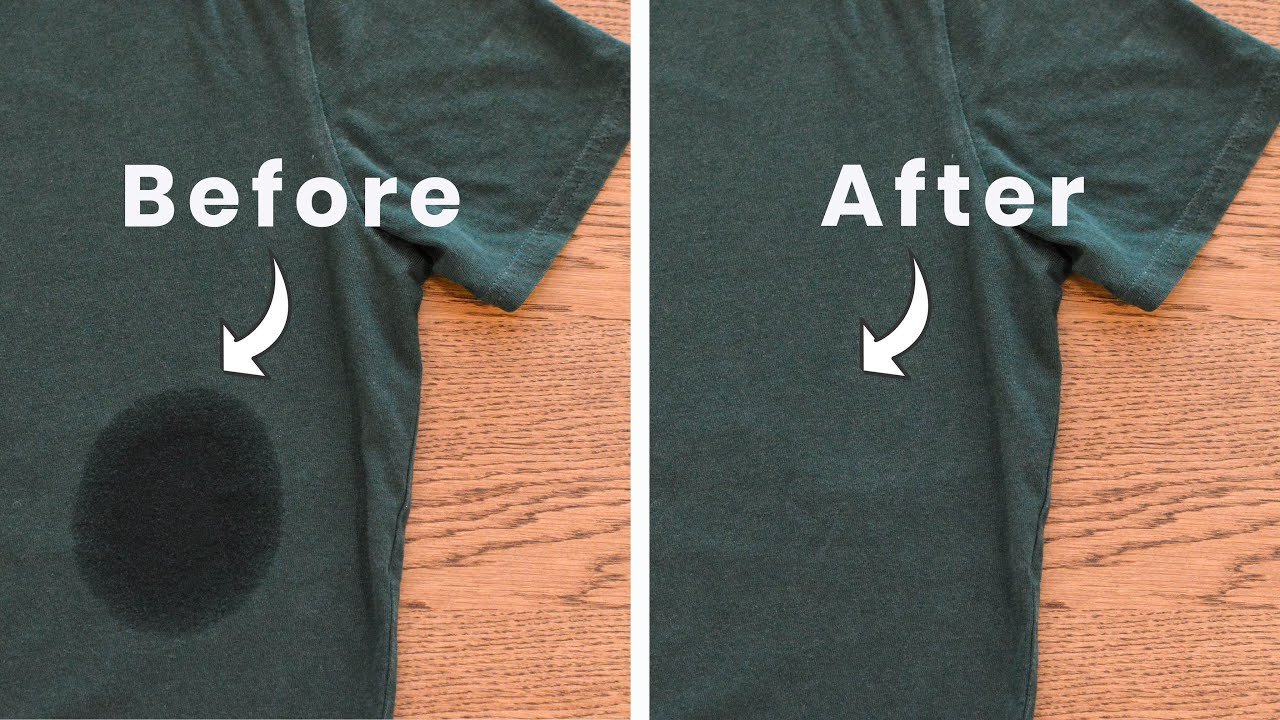
Motor oil is thicker and often darker. It needs stronger cleaners like degreaser or heavy-duty laundry detergent. Cooking oil is lighter and can be treated with dish soap and baking soda.
| Type of Oil | Recommended Cleaner | Difficulty |
|---|---|---|
| Cooking Oil | Dish Soap | Moderate |
| Motor Oil | Degreaser/Laundry Detergent | High |
| Salad Dressing | Baking Soda + Dish Soap | Moderate |
Credit: www.youtube.com
Cleaning Different Types Of Fabrics
Not all fabrics react the same way to oil and cleaning agents.
Cotton
Cotton is durable. You can use hot water, strong detergents, and scrubbing.
Polyester
Polyester holds oil tightly. Use dish soap and warm water. Avoid harsh scrubbing as it can damage fibers.
Silk And Wool
These are delicate. Use cold water and mild detergent. Avoid dish soap and abrasive powders, as they can ruin the fabric.
Synthetic Blends
Check the care label. Some blends tolerate hot water; others need gentle treatment.
Denim
Denim is sturdy. Use baking soda, dish soap, and hot water. Scrub with a soft brush for best results.
| Fabric | Best Treatment | Precautions |
|---|---|---|
| Cotton | Hot water, dish soap | Check for color fading |
| Silk | Cold water, mild detergent | Avoid scrubbing |
| Polyester | Warm water, dish soap | No harsh brushes |
| Denim | Baking soda, dish soap, hot water | Check for shrinking |
Common Mistakes People Make
Many beginners make errors that make oil stains worse:
- Rubbing the stain: Spreads oil deeper.
- Using hot water on delicate fabrics: Causes damage.
- Drying before stain is gone: Sets the stain.
- Skipping pre-treatment: Reduces cleaning power.
- Using powder detergent for pre-treatment: Doesn’t break down oil well.
Avoid these mistakes to increase your chances of success.
:max_bytes(150000):strip_icc()/1901027-RemovingCookingAndVegetableOilStains-ede16ed6ba9c4f39ac9ba14c7409a709.png)
Credit: www.thespruce.com
Non-obvious Insights For Beginners
Some helpful tips most people don’t know:
- Timing matters: The faster you treat an oil stain, the higher the chance of complete removal. Waiting even an hour can make a big difference.
- Absorbent powders: Using baking soda or cornstarch before washing isn’t just for fresh stains. They also work on old stains by pulling oil out of the fabric.
- Two-stage cleaning: For tough stains, use dish soap followed by a commercial stain remover. This combination is more effective than using one product alone.
- Spot test: Always test cleaners on a hidden part of the fabric to avoid color loss or damage.
Eco-friendly And Safe Alternatives
Many people want to avoid harsh chemicals. Here are safer options:
- Baking soda: Non-toxic and highly effective.
- White vinegar: Good for pre-treating, but don’t mix with bleach.
- Castile soap: Gentle and safe for most fabrics.
- Cornstarch: Absorbs oil without leaving residue.
These methods are good for sensitive skin and children’s clothes.
Professional Help: When To Seek It
Some stains are too tough for home cleaning. If you have:
- Expensive garments (wool, silk, suits)
- Large or old oil stains
- Stains that don’t budge after multiple attempts
Consider professional dry cleaning. Experts use solvents and tools not available at home. This is often the safest option for delicate or valuable clothes.
Preventing Oil Stains In The Future
Prevention is easier than cleaning. Here’s how to avoid oil stains:
- Wear aprons while cooking
- Use napkins or towels when eating oily food
- Handle oils carefully in workshops or garages
- Treat stains immediately
Keeping stain removers and powders handy makes quick action possible.
Frequently Asked Questions
How Do I Remove Oil Stains From Clothes That Have Already Been Washed And Dried?
Stains set by heat are harder to remove. Apply baking soda, let sit overnight, brush off, and treat with dish soap. Repeat washing in hot water. You may need several attempts. Some stains may never fully come out.
Can I Use Vinegar To Remove Oil Stains?
Yes, vinegar can help loosen oil. Mix equal parts white vinegar and water, dab on the stain, and follow with dish soap. However, vinegar isn’t as strong as dish soap for oil stains.
Is It Safe To Use Bleach On Oil Stains?
Bleach does not remove oil and can damage fabrics or cause discoloration. Use dish soap or a stain remover instead. Bleach is only for sanitizing, not for oil removal.
What Is The Best Stain Remover For Oil Stains?
Dish soap is most effective for fresh stains. For older stains, try a combination of baking soda and a commercial stain remover. Heavy-duty laundry detergents also work well.
Can Professional Cleaning Guarantee Oil Stain Removal?
Dry cleaners have special solvents and equipment, but even they cannot guarantee removal of old or set-in stains. However, their chances of success are higher, especially with delicate or valuable fabrics. For more details, see Wikipedia: Dry Cleaning.
Restore Confidence In Your Clothes
Oil stains don’t have to ruin your wardrobe. With the right steps, most stains can be removed completely. Remember to act fast, use the correct products, and always check your fabric type. If a stain proves stubborn, don’t be afraid to repeat the process or ask for professional help.
Careful handling, proper pre-treatment, and avoiding common mistakes will keep your clothes looking their best. Now you can tackle oil stains with confidence, knowing your favorite shirts and pants are safe from greasy accidents.
Credit: www.rd.com