
A sagging mattress can ruin your sleep, cause back pain, and make you feel tired every morning. Many people think they have to buy a new mattress when this happens. But you may be able to fix a sagging mattress at home with some simple solutions.
Before you spend hundreds of dollars, try these methods to restore comfort and extend the life of your bed. With the right steps, you can often fix the sagging and sleep better without breaking your budget.
Why Do Mattresses Sag?
Mattresses sag over time for many reasons. The most common cause is wear and tear. When you sleep in the same spot every night, the materials (foam, springs, or both) start to lose their shape. Memory foam and latex mattresses can develop body impressions. Innerspring mattresses can have broken or weakened coils. Hybrid mattresses, which use both foam and springs, can show both problems. Other reasons for sagging include a poor-quality foundation, high humidity, or using the wrong type of bed frame.
Some data: According to the Sleep Foundation, most mattresses last 7-10 years before showing sagging or other major issues. Cheaper mattresses may start to sag after just 3-5 years, especially if used heavily or not properly supported.
Signs Your Mattress Is Sagging
Not all dips or soft spots mean your mattress is beyond repair. Here are the main signs you have a sagging mattress:
- You see visible dips, valleys, or uneven spots, especially in the middle or where you sleep.
- You feel like you roll into a “hole” or can’t stay on the sides.
- You wake up with back, hip, or neck pain.
- The mattress feels less supportive than before.
- Your partner feels your movements more than before.
If you notice these problems, it’s time to take action. Quick fixes can help, but the earlier you address sagging, the better your chances of saving your mattress.
Quick Checks Before Fixing
Before you start, do a few checks:
- Remove bedding and check the mattress surface for dips or soft spots.
- Check the bed frame and foundation. A weak, broken, or unsupportive base can cause or worsen sagging.
- Measure the depth of the sag. Most mattress warranties cover sags deeper than 1.5 inches.
If your mattress is still under warranty and the sag is serious, consider contacting the manufacturer. Otherwise, try these home solutions.
How To Fix A Sagging Mattress At Home
You don’t always have to replace a sagging mattress. Here are practical ways to fix it at home, grouped by the type and cause of sagging.
1. Rotate And Flip Your Mattress
Most people forget this simple step. Rotating means turning the mattress 180 degrees so the head becomes the foot. Flipping means turning it over. Not all mattresses can be flipped—check the label. Most memory foam and pillow-top mattresses are one-sided.
Traditional innerspring mattresses are often double-sided.
- How often: Rotate every 3-6 months. Flip if allowed, every 6 months.
- Why it helps: It spreads out wear and gives sagging areas a break, helping the mattress recover.
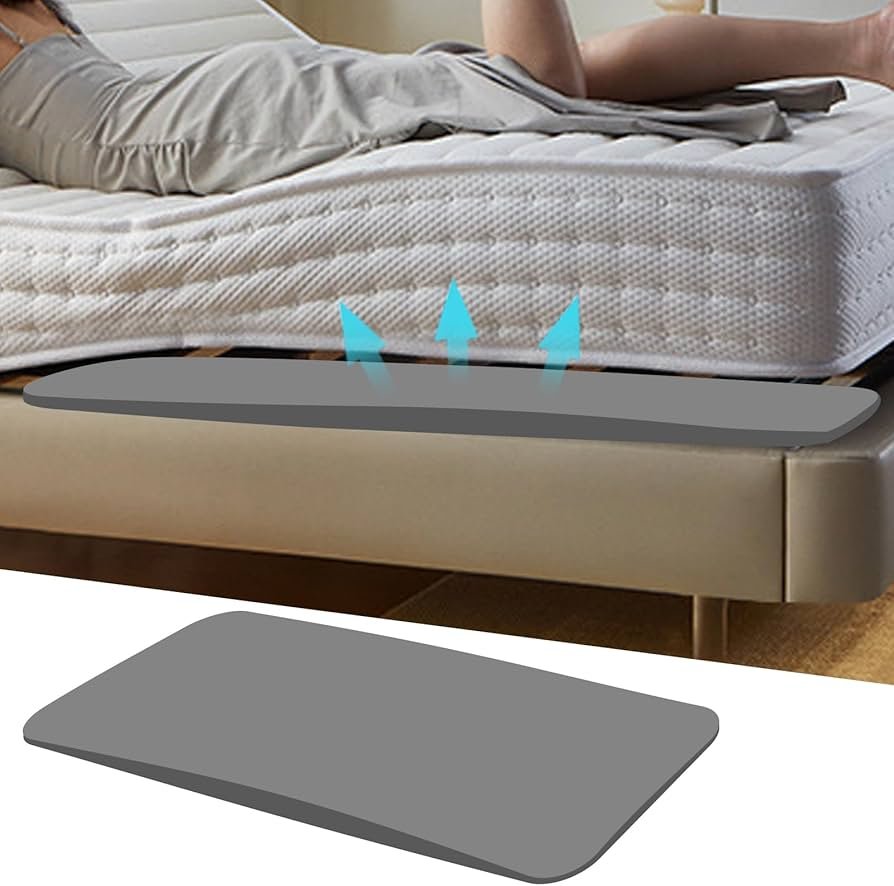
2. Add Extra Support Under The Sagging Area
If your mattress sags in the middle or sides, you can add support under it.
Diy Support Methods
- Plywood board: Place a piece of plywood (cut to fit) between the mattress and the foundation or box spring. This gives firmer support and helps reduce sagging.
- Folded towels or blankets: Roll up towels or fold blankets and tuck them under the sagging spot. This can temporarily lift dips.
A study by Consumer Reports found that adding a plywood board improved firmness by about 10-15% in many sagging mattresses.
Best Support For Different Mattress Types
| Mattress Type | Best Support Method | Can Be Flipped? |
|---|---|---|
| Innerspring | Plywood, slats, or flip | Usually Yes |
| Memory Foam | Plywood, rotate only | No |
| Hybrid | Plywood, rotate | No |
| Latex | Plywood, rotate | Sometimes |
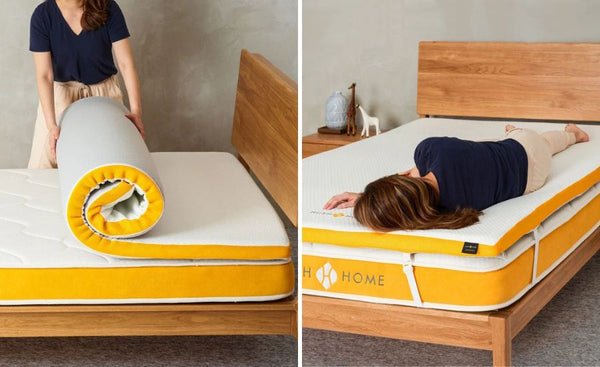
3. Use A Mattress Topper
A thick, high-quality mattress topper can mask mild to moderate sagging. Memory foam or latex toppers work best because they add both softness and support. Choose a topper at least 2-3 inches thick for best results.
- How it helps: It creates a smoother, more even sleeping surface and adds comfort.
- Downside: Toppers cannot fix deep sags. They only help if the sag is less than 1.5 inches.
4. Repair Or Replace The Bed Foundation
Sometimes, the problem is not the mattress but the support system under it. A broken or worn-out foundation can cause or worsen sagging.
- Check slats: Wooden slats should be less than 3 inches apart. Replace cracked or warped slats.
- Box spring: If it squeaks, creaks, or feels weak, it may need replacing.
- Platform beds: Make sure the platform is flat and stable.
If you can’t afford a new foundation, use a plywood board as a temporary solution.
5. Fill In The Sagging Area
Some people fix minor dips by filling in the sunken area. You can use:
- Foam inserts: Buy foam pieces and cut them to fit the sagging spot. Place under the mattress cover.
- Mattress helper products: Special supports are sold online for this purpose.
This is a quick, low-cost fix for small sags, especially for side sleepers who need extra hip support.
6. Adjust Humidity And Air Out The Mattress
Humidity can affect foam and even innerspring mattresses. High moisture makes foam soft and less supportive.
- Air out your mattress: Remove all bedding and let the mattress breathe for a few hours, especially in a dry, sunny room.
- Use a dehumidifier: If your room is damp, a dehumidifier can help keep the mattress firm.
7. Try Mattress Pads Or Comfort Layers
A mattress pad is thinner than a topper but can still help if the sag is very mild. Wool or cotton pads add softness. Some pads also have a bit of firmness, which can help mask small dips.
8. Re-stuff A Pillow-top Mattress
If you have a pillow-top mattress with a sagging top layer, you can sometimes unzip the cover and redistribute or add more stuffing. Use polyester fiberfill or foam pieces. Be sure to keep the surface even.
9. Use Pillows For Temporary Relief
For quick comfort, place a firm pillow under the sagging area, such as under your hips or lower back. This can help you sleep better until you find a longer-term solution.
10. Lose Excess Moisture And Odors
Mattresses can sag more quickly if they absorb sweat and moisture. Sprinkle baking soda on the mattress, let it sit for a few hours, then vacuum it off. This keeps the foam fresher and firmer.
Credit: www.hushhome.com
When To Replace Your Mattress
Sometimes, fixes don’t work. Here’s when you should consider buying a new mattress:
- The sag is deeper than 1.5 inches and cannot be fixed.
- You wake up with pain every day, even after trying all fixes.
- The mattress is over 10 years old.
- There are broken springs, strong odors, or visible mold.
Investing in a good mattress is important for your health. But always try home fixes first if your mattress is not too old.
Common Mistakes When Fixing A Sagging Mattress
Many people make errors when trying to fix a sagging mattress. Avoid these mistakes:
- Using the wrong support: Make sure the plywood or boards you use are smooth and fit your bed. Rough boards can damage the fabric.
- Ignoring the foundation: If the box spring or slats are weak, they will ruin even a new mattress.
- Overloading the mattress: Too many heavy objects or thick toppers can make sagging worse.
- Not rotating regularly: This simple habit prevents deep sags.
- Trying to fix a mattress that’s too old: Sometimes, replacement is the only real solution.
Comparing Fixes: Cost, Difficulty, And Effectiveness
Here is a quick comparison of the most popular home fixes for a sagging mattress:
| Fix | Approx. Cost | Difficulty | How Long It Lasts | Best For |
|---|---|---|---|---|
| Rotate/Flip | $0 | Easy | Months | All sagging |
| Plywood Board | $10-40 | Easy | 1-2 years | Foam/Hybrid/Innerspring |
| Mattress Topper | $50-200 | Easy | 2-3 years | Mild sagging |
| Foam Inserts | $10-30 | Medium | 6-12 months | Small dips |
| Replace Foundation | $100-300 | Hard | 5-10 years | Severe sagging |
How To Prevent Mattress Sagging In The Future
You can’t stop all sagging, but these steps will help your mattress last longer:
- Rotate your mattress every 3-6 months.
- Use a strong, proper foundation or platform.
- Avoid sitting on the same spot (like the edge) for long periods.
- Keep your mattress dry and clean.
- Use a mattress protector to guard against spills and moisture.
Credit: www.amazon.com
Non-obvious Insights Most Beginners Miss
- Your body weight matters: Heavier people put more pressure on a mattress, causing faster sagging. Choosing a firmer mattress or extra support can prevent this.
- Humidity is a hidden enemy: Many don’t realize that high humidity can soften and damage mattress materials, leading to faster sagging. Keep your bedroom dry for better mattress health.
When Diy Fixes Are Not Enough
If you have tried every method and your mattress still feels uncomfortable or causes pain, it’s time to move on. A bad mattress can harm your health, sleep quality, and even your mood. Don’t risk long-term pain to save money. Many mattress companies now offer trial periods and warranties, so research before buying your next one. For more tips and mattress guides, check out Sleep Foundation.
Credit: www.youtube.com
Frequently Asked Questions
How Do I Know If My Mattress Sag Is Covered By Warranty?
Most mattress warranties cover sagging deeper than 1 to 1. 5 inches. Check your warranty details. Take a photo and measure the dip with a ruler. If your warranty is still valid, contact the manufacturer for instructions.
Can I Fix A Memory Foam Mattress That Is Sagging?
You can try rotating it, adding a plywood board underneath, or using a thick mattress topper. Deep sags in memory foam are hard to fix completely, but these methods can improve comfort for a while.
Is It Safe To Use Plywood Under My Mattress?
Yes, using plywood is safe for most mattresses. Make sure the edges are smooth and the board is not damp. This extra support can help reduce sagging, especially for foam and hybrid beds.
Will A Mattress Topper Completely Fix A Sagging Mattress?
A mattress topper helps mask mild sags but cannot fix deep dips. If your mattress sags more than 1. 5 inches, a topper may not provide enough support or comfort.
How Often Should I Rotate Or Flip My Mattress?
Rotate your mattress every 3-6 months. Flip it only if it is made to be used on both sides (check the label). Regular rotation prevents uneven wear and helps your mattress last longer.
A sagging mattress doesn’t have to mean the end of good sleep. With these practical tips, you can fix many problems at home and extend the life of your bed. Always focus on comfort and support—your sleep is worth it.