
Buying fresh bedsheets feels great, but after a few months, you may notice small fuzzy balls forming on the fabric. These are called pills, and they can make even expensive sheets look old and feel rough. If you’ve ever wondered how to keep your bedsheets smooth and comfortable, you’re not alone. Pilling is a common problem, but with the right steps, you can prevent it and extend the life of your bedding.
This guide explains everything you need to know about preventing pilling on bedsheets. We’ll cover why pilling happens, how to choose the right sheets, washing and drying tips, and smart habits to keep your sheets looking their best. Even if you’re new to caring for bedsheets, you’ll find easy steps you can start today.
What Is Pilling And Why Does It Happen?
Pilling happens when tiny fibers on the surface of fabric break, tangle together, and form small balls. Bedsheets are especially at risk because we move around in bed every night. Here’s why it occurs:
- Friction: Movement from your body, tossing and turning, or even rubbing against rough skin or pajamas can cause fibers to break.
- Low-quality fibers: Short or weak fibers are more likely to break away and pill.
- Improper washing: Harsh detergents, hot water, or overloading the machine can damage fabric.
- Drying methods: High heat and tumbling can roughen fibers, making pilling worse.
Understanding these causes helps you pick the best prevention methods.
Choose The Right Bedsheets To Prevent Pilling
Not all sheets are created equal. Some materials are much more likely to pill than others. Here’s what to look for when shopping:
1. Select Long-staple Cotton
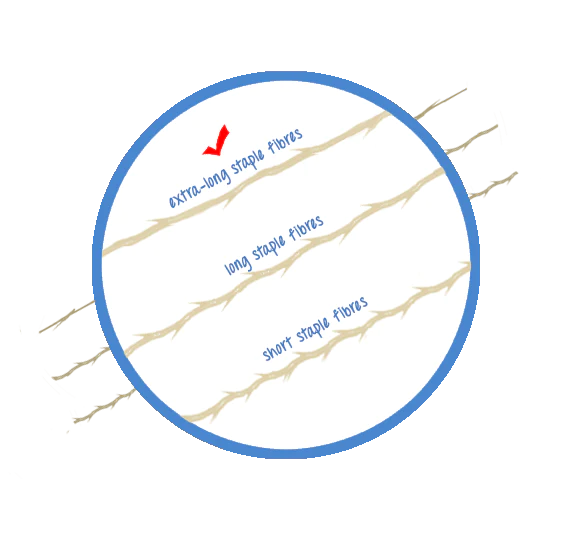
Long-staple means the cotton fibers are longer and stronger. Examples are Egyptian cotton and Pima cotton. These fibers stay smooth and resist pilling better than short-staple cotton. If the label says “100% cotton” but not “long-staple,” it may pill faster.
2. Check The Weave
The way sheets are woven affects their strength and feel.
- Percale: Tight, plain weave. Crisp and durable. Less likely to pill.
- Sateen: Smoother and silkier, but the looser weave means a higher risk of pilling if not cared for gently.
- Flannel: Soft but pills easily unless made with high-quality fibers.
3. Avoid Microfiber Or Cheap Blends
Synthetic fibers like polyester or low-cost cotton blends tend to pill quickly. High-quality natural fibers last longer.
4. Look For Higher Thread Count (but Not Too High)
A thread count of 200-400 is usually strong enough for durability. Very high counts can sometimes mean weaker, thinner threads, which may pill.
| Material | Pill Resistance | Comfort | Cost |
|---|---|---|---|
| Egyptian Cotton | High | Soft, breathable | High |
| Pima Cotton | High | Very soft | Medium-High |
| Microfiber | Low | Soft, less breathable | Low |
| Polyester Blend | Low | Varies | Low |
| Percale Weave | High | Crisp | Medium |
Insight: Many people believe higher thread count always means better sheets, but quality of the cotton and the weave matter more.
Credit: weavvehome.com
Smart Washing Habits That Prevent Pilling
How you wash your sheets makes a huge difference in keeping them pill-free. Even the best fabric can pill if handled roughly.
1. Wash Sheets Separately
Wash bedsheets alone—not with towels, jeans, or clothes with zippers. Rough fabrics or hardware can rub against your sheets and break fibers.
2. Use A Gentle Cycle
Choose the gentle or delicate cycle on your washing machine. This reduces the amount of agitation, so the fibers stay smooth.
3. Cold Or Warm Water Only
Hot water can weaken fibers and cause pilling. Stick to cold or warm water (no hotter than 40°C / 104°F).
4. Use Mild Detergent
Harsh detergents and bleach can damage fabric. Use a mild, liquid detergent without strong chemicals or optical brighteners.
5. Don’t Overload The Machine
Give your sheets space to move. Overloading increases friction, which leads to pilling.
6. Skip Fabric Softeners
Liquid fabric softeners and dryer sheets can leave a coating that makes pilling worse over time. If you want softer sheets, use a small amount of white vinegar during the rinse cycle.
| Washing Habit | Effect on Pilling | Recommended? |
|---|---|---|
| Hot Water Wash | Increases pilling | No |
| Gentle Cycle | Reduces pilling | Yes |
| Fabric Softener | Can worsen pilling | No |
| Separate Wash | Prevents extra friction | Yes |
Insight: Many people think more detergent means cleaner sheets, but using too much can actually damage fibers and speed up pilling.
Drying Techniques That Protect Your Sheets
Drying is as important as washing. Improper drying can undo all your other efforts.
1. Air Dry When Possible
Hang sheets outside or inside on a line. Air drying is gentle and prevents heat damage. If you can’t air dry, use the lowest heat setting on your dryer.
2. Remove Sheets While Slightly Damp
Take sheets out of the dryer before they are fully dry. This reduces friction and heat exposure.
3. Avoid Over-drying
High heat and long drying times weaken fibers and cause pilling. Always use a low heat or air-dry setting.
4. Shake Out And Smooth Before Folding
When sheets are dry, give them a good shake and smooth them out. This keeps fibers straight and reduces tangling.
Credit: weavvehome.com
Everyday Habits For Long-lasting Sheets
How you use your sheets every day matters, too. Simple habits can prevent extra friction and damage.
1. Keep Skin And Pajamas Smooth
Dry, rough skin, stubble, or rough pajamas can rub against sheets and cause pilling. Try to:
- Moisturize your skin, especially feet and elbows.
- Shave or trim body hair that might snag fabric.
- Wear soft, smooth sleepwear.
2. Trim Pet Nails
If your pets sleep with you, keep their nails short. Claws can pull fibers and start pilling.
3. Rotate Your Sheets
Have at least two sets of sheets. Rotate them each week. This gives each set a rest and reduces wear.
4. Avoid Eating In Bed
Crumbs and spills can stick to sheets, making you wash them more often and rougher.
5. Address Pilling Early
If you see a few pills, gently remove them with a fabric shaver or a small pair of scissors. Don’t pull them by hand, or you could cause more damage.
How To Remove Pills From Bedsheets
Even with care, some pilling may happen over time. Here’s how to safely remove them:
- Fabric shaver: Electric or manual shavers gently cut off pills without hurting the fabric.
- Lint remover: Some lint rollers or brushes can help, but avoid sticky tape as it can pull fibers.
- Fine scissors: For small areas, carefully snip off pills. Be gentle and avoid cutting the sheet.
Do this only when needed. Removing pills too often can thin out the fabric.
How Often Should You Replace Bedsheets?
No sheet lasts forever. Even with perfect care, sheets wear out. Signs it’s time for new sheets:
- The fabric feels thin or rough, even after washing.
- There are many pills or holes.
- Elastic on fitted sheets is stretched out.
Quality sheets can last 2-5 years with good care. Lower-quality sheets may need replacing every year.
Common Myths About Pilling
Some advice about pilling is misleading. Let’s clear up a few myths:
- “All sheets pill eventually.” Not true. With the right material and care, some sheets can stay smooth for years.
- “High thread count means no pilling.” As mentioned earlier, quality of fibers and weave matter more than just numbers.
- “Fabric softener protects sheets.” It can actually coat fibers and encourage pilling over time.
The Science Behind Pilling
Pilling happens because of the way fibers react to stress and friction. Cotton, for example, is made of natural fibers, which can break if they are short or weak. Synthetic fibers like polyester can be strong but tend to form pills that stick to the fabric, making them harder to remove.
A study by the American Association of Textile Chemists and Colorists found that longer, stronger fibers and tighter weaves significantly reduce the risk of pilling. This is why luxury hotels use high-quality, long-staple cotton sheets—they last longer and stay smooth.
Summary: Your Pill-free Sheet Routine
If you want to prevent pilling on bedsheets, remember these key steps:
- Choose quality sheets (long-staple cotton, percale weave)
- Wash gently with mild detergent
- Avoid high heat in dryer
- Rotate sheets and care for your skin and pets
- Remove pills carefully if they appear
With these habits, you can enjoy soft, smooth sheets for years. If you’re unsure about the best sheet materials, check resources like the NY Times Wirecutter for expert reviews.
Credit: weavvehome.com
Frequently Asked Questions
What Is The Main Cause Of Pilling On Bedsheets?
Friction is the main cause. Movement during sleep, rough fabrics, or improper washing can break fibers and cause pills to form. Low-quality fibers or loose weaves increase the risk.
Does Thread Count Really Matter For Pilling?
Thread count matters, but only to a point. A count of 200-400 is strong and smooth. Overly high counts can mean thinner, weaker threads, which might pill. Focus on fiber quality and weave more than just numbers.
Can I Fix Pilling Once It Starts?
Yes, you can remove pills with a fabric shaver or fine scissors. However, prevention is easier than repair. Once fabric thins from repeated pilling, it’s time to replace the sheets.
Are Microfiber Sheets Good For Avoiding Pilling?
Microfiber is smooth at first, but it’s made of synthetic fibers that tend to pill quickly with use and washing. High-quality cotton with a tight weave is usually better for long-term durability.
How Often Should I Wash My Sheets To Prevent Pilling?
Wash your sheets every 1-2 weeks. Washing too often can cause wear, but leaving sheets dirty allows sweat and oils to weaken fibers. Always wash gently and avoid harsh detergents.
With these steps, you can keep your bedsheets comfortable and looking new. Small changes in your routine can make a big difference in how your bedding feels and lasts.