
When you buy new bed sheets, it’s easy to focus on the color, fabric, or thread count. But there’s one detail that often surprises people: the sheet pocket depth. If your sheets keep popping off or won’t stay tucked in, the pocket depth might be the reason. Understanding the standard sheet pocket depth can save you frustration and help you choose sheets that fit perfectly.
What Is Sheet Pocket Depth?
Sheet pocket depth is the measurement of how deep the fitted sheet’s corners are. In simple words, it shows how thick a mattress the sheet can cover without slipping off. This depth is measured from the elastic edge to the corner seam. Pocket depth is important because mattresses come in many heights, especially with pillow tops or mattress toppers. If you choose the wrong pocket depth, your fitted sheet may not fit or will keep sliding off.
Why Pocket Depth Matters
Many people think all mattresses are the same height. But modern beds can be extra thick or even quite thin. Using the wrong pocket depth can lead to common problems:
- Loose sheets: Too much fabric bunches up.
- Tight sheets: Sheet corners pop off during the night.
- Wrinkles: Poor fit causes uncomfortable ridges.
- Wasted money: You may need to buy new sheets sooner.
Choosing the right pocket depth ensures your bed looks tidy, feels comfortable, and stays safe from dust or allergens under the mattress.
Standard Sheet Pocket Depths Explained
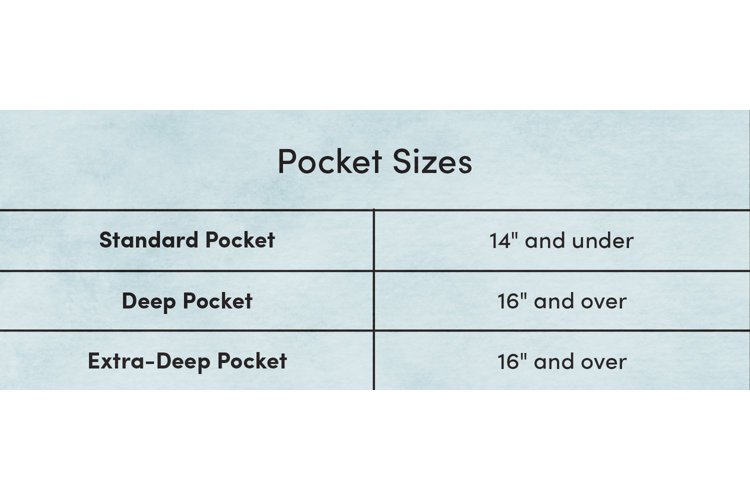
Sheet pocket depths usually fit into a few standard categories. These sizes may vary by region or brand, but the most common are:
1. Standard Pocket
A standard pocket sheet fits mattresses up to 12 inches (about 30 cm) high. This is the most common size for basic mattresses without thick toppers or extra padding. If your mattress is thin or you do not use mattress pads, this is usually enough.
2. Deep Pocket
Deep pocket sheets fit mattresses between 13 to 17 inches (33 to 43 cm) high. Many modern mattresses, especially memory foam or hybrids, fall into this range. Deep pocket sheets are popular because they suit most beds with pillow tops, foam layers, or mattress protectors.
3. Extra Deep Pocket
For mattresses that are 18 to 25 inches (46 to 64 cm) high, you need extra deep pocket sheets. These are less common and often cost more, but they are essential for luxury beds or thick toppers. If your fitted sheet always slides off, you may need this size.
4. Custom Or Specialty Pocket
Some mattresses, such as hospital beds or custom-made beds, need specialty pocket depths. These are made to order and can be any depth. They are not standard but can be found from specialty bedding stores.
Common Sheet Pocket Depths: Quick Comparison
Here’s a simple comparison of pocket depths and the mattress sizes they fit.
| Sheet Pocket Type | Fits Mattress Height | Common Use |
|---|---|---|
| Standard Pocket | Up to 12″ (30 cm) | Classic spring mattresses |
| Deep Pocket | 13″ – 17″ (33-43 cm) | Pillow top, memory foam |
| Extra Deep Pocket | 18″ – 25″ (46-64 cm) | Luxury, thick toppers |
How To Measure Your Mattress For Pocket Depth
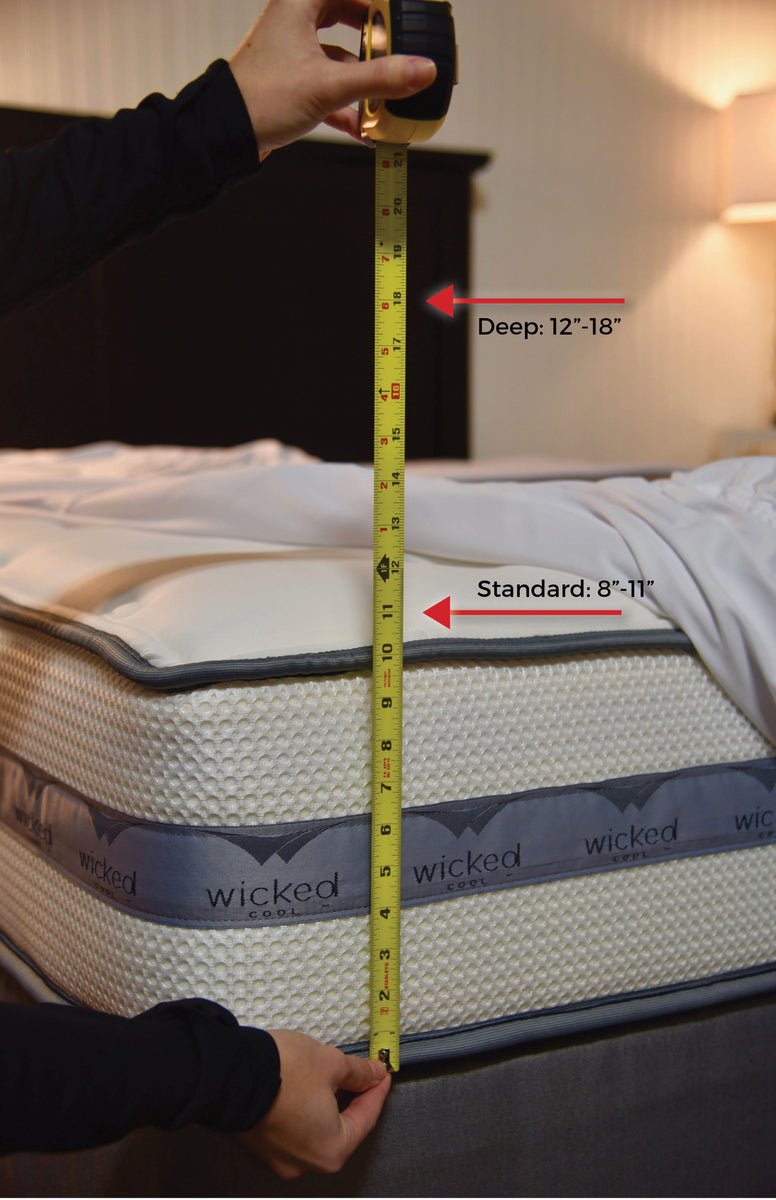
To find the right fitted sheet, you need to measure your mattress correctly. Here’s how to do it:
- Remove all bedding and mattress toppers.
- Use a hard ruler or measuring tape.
- Start at the bottom edge and measure up to the highest point, including any mattress pads or toppers you always use.
- Write down the height in inches or centimeters.
Important tip: If your mattress is between sizes (for example, 12.5 inches), always choose the next larger pocket depth. This avoids stress on the fabric and makes fitting easier.
How To Read Sheet Pocket Depth Labels
Sheet packaging often uses terms like “deep pocket” or “fits up to 16 inches.” But these labels are not always clear. Here are some things to check:
- Look for the exact height the sheet fits, not just “deep” or “extra deep.”
- Check if the measurement includes the elastic or just the sewn pocket.
- Some brands add 1-2 inches extra to allow for shrinkage after washing.
Not all “deep pocket” sheets are the same. For example, one brand’s deep pocket might fit 15-inch mattresses, while another fits 17 inches.
International Variations In Pocket Depth
Sheet pocket depths can be different in the US, UK, Australia, and other countries. For example, UK standard sheets often fit mattresses up to 10 inches (25 cm), while US standards are usually 12 inches or more. Always check the measurements, especially if you buy sheets from another country.
Sheet Pocket Depth Vs. Sheet Size
It’s easy to confuse sheet size (twin, queen, king, etc.) with pocket depth. These are not the same:
- Sheet size: The length and width of the sheet for your mattress size.
- Pocket depth: How thick a mattress the fitted sheet can cover.
You need both the correct size and the right pocket depth for a good fit.
Credit: wickedsheets.com
Types Of Mattresses And Pocket Depth Needs
Different mattresses need different pocket depths. Here’s a closer look:
Innerspring Mattresses
Most traditional innerspring mattresses are 8-12 inches high. Standard pocket sheets usually fit well.
Memory Foam Mattresses
These can be 10-14 inches, sometimes more with toppers. Deep pocket sheets are often needed.
Pillow Top Mattresses
With extra padding on top, these are often 14-20 inches high. Deep or extra deep pocket sheets are best.
Adjustable Beds
These beds can change shape, so sheets with stretchy elastic and extra depth work better.
Air Mattresses
Height varies, but extra deep pockets are helpful for tall air beds.
Practical Examples
Let’s say you have a 15-inch hybrid mattress with a 2-inch topper. Your total height is 17 inches. A deep pocket sheet (up to 17 inches) will fit, but if you add another topper, you’ll need an extra deep pocket.
Or, if you have a thin guest bed (8 inches), using extra deep pocket sheets will leave too much loose fabric.
Sheet Pocket Depth: A Visual Guide
Understanding how different pocket depths look on your mattress helps avoid mistakes.
| Pocket Depth | Result on 12″ Mattress | Result on 18″ Mattress |
|---|---|---|
| Standard (up to 12″) | Perfect fit | Too small—corners pop off |
| Deep (up to 17″) | Loose, may wrinkle | Good fit |
| Extra Deep (up to 25″) | Very loose, excess fabric | Best fit |
Choosing The Right Pocket Depth
When you buy sheets, consider these points:
- Measure your mattress including any toppers or pads you always use.
- Check the sheet packaging for exact pocket depth, not just the name.
- When in doubt, choose a deeper pocket, especially if your mattress is close to the maximum height.
- Avoid “one size fits all” claims—these rarely fit thick or unusual mattresses well.
- Consider sheet material. Cotton sheets may shrink after washing, so extra space is helpful.
Credit: www.amazon.com
Mistakes To Avoid
Many people make these errors:
- Guessing mattress height instead of measuring.
- Ignoring toppers or pads in the total height.
- Assuming all deep pocket sheets are the same.
- Buying sheets from another country without checking measurements.
Non-obvious Insights
- Elastic quality matters: Not all fitted sheets have strong elastic all around. A sheet with full-perimeter elastic hugs the mattress better, even if pocket depth is not perfect.
- Shrinkage after washing: Most cotton sheets shrink 1-2 inches after the first wash. If your pocket depth is exact, your sheet may get tighter over time.
- Mattress protectors add height: Even a thin protector can add half an inch. Always include every layer you keep on the bed.
- Deeper pockets don’t always mean better fit: Too much loose fabric can bunch up and feel uncomfortable.
- Label confusion: Some brands use “deep pocket” as a marketing term even for sheets that fit only 14 inches, so always check the actual measurements.
How To Make Sure Sheets Stay On
If you have trouble with sheets slipping off:
- Use sheet suspenders or corner straps.
- Look for sheets with extra-strong elastic.
- Make sure you tuck the sheet under the mattress well.
- Wash new sheets before first use for better grip.
Sheet Pocket Depth And Bedding Trends
Modern mattresses are getting thicker because of extra layers and comfort features. As a result, bedding brands now offer more deep and extra deep pocket options. Some even make “flex” sheets that stretch to fit a range of depths, but these may fit loosely on thinner mattresses.
If you’re buying luxury mattresses or adding thick toppers, always double-check pocket depth before buying new sheets. This small step can make a big difference in your sleep comfort.
Where To Find More Information
If you want to learn more about mattress sizes and bedding standards, the Wikipedia Bed Sheet Guide has detailed information.
Frequently Asked Questions
What Is The Most Common Sheet Pocket Depth?
The most common pocket depth is up to 12 inches (30 cm), called standard pocket. This fits most traditional mattresses without added toppers or pads.
How Do I Measure My Mattress For Pocket Depth?
Use a tape measure from the bottom to the highest point of your mattress, including any toppers or pads you always use. Add an extra inch for safety.
Can Deep Pocket Sheets Fit A Standard Mattress?
Yes, deep pocket sheets can fit standard mattresses, but they may be loose and wrinkle. For the best look and feel, match the pocket depth to your mattress height.
Are All Deep Pocket Sheets The Same?
No, “deep pocket” can mean different things for different brands. Always check the exact inches or centimeters on the label.
Will My Sheets Shrink And Affect Pocket Depth?
Most cotton sheets shrink 1-2 inches after washing. If your sheet barely fits before washing, it may become too tight later. Choose a slightly deeper pocket if you are unsure.
Finding the right sheet pocket depth is simple but important. With a little care, you can enjoy smooth, comfortable sheets that stay in place every night.
Credit: www.wayfair.com