
Small kitchen appliances make life easier, save time, and help us prepare a wide range of foods and drinks. However, if you want your toaster, blender, coffee maker, and other gadgets to last, proper maintenance is essential. Many people only clean their appliances when they look dirty or break down, but regular care prevents problems, saves money, and keeps your kitchen running smoothly. In this guide, you’ll discover practical steps to maintain small kitchen appliances, avoid common mistakes, and get the most from your investment.
Why Appliance Maintenance Matters
Small kitchen appliances are not cheap. The average American household owns more than eight small kitchen gadgets, spending over $500 on them each year. When appliances break early, you pay for replacements and may face safety risks like electrical fires or food contamination.
Regular maintenance can extend the life of your devices by 50% or more, according to the Association of Home Appliance Manufacturers.
Another reason for maintenance is food safety. Appliances that are not cleaned well can harbor bacteria, mold, and old food particles, which may affect your health. Clean appliances also work more efficiently, saving energy and time.
General Care Tips For All Small Appliances
Most kitchen appliances have some basic needs in common. If you follow these simple habits, you’ll avoid many common problems:
1. Unplug Before Cleaning
Always unplug the appliance before you clean it. This prevents electric shock and keeps you safe.
2. Wipe Down After Use
Use a damp cloth to wipe the outside of the appliance after each use. This removes splatters, crumbs, and grease before they become hard to clean.
3. Check For Damage
Look for frayed cords, loose parts, or cracks. If you find any issues, stop using the device until it’s fixed.
4. Read The Manual
Every appliance is a little different. The manufacturer’s instructions often include special cleaning and maintenance advice.
5. Store Properly
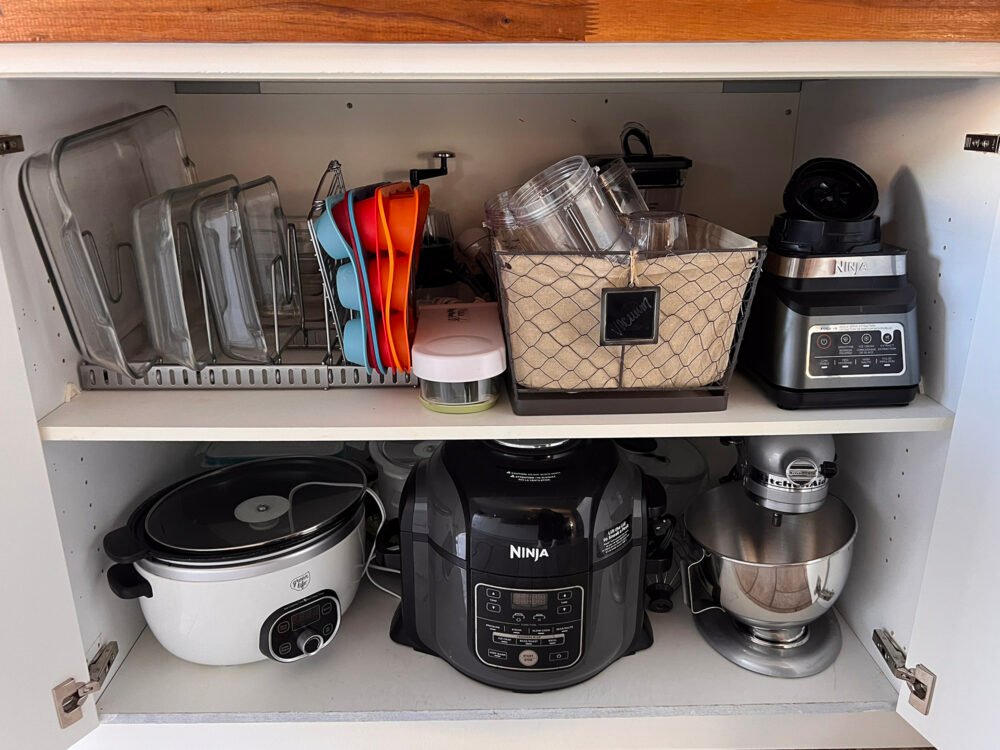
Keep appliances in dry places, and don’t wrap cords too tightly, as this can cause them to break.
Credit: www.amazon.com
How To Maintain Common Small Kitchen Appliances
Each appliance requires a unique approach. Let’s look at how to maintain the most popular kitchen gadgets.
Coffee Maker
Coffee makers can build up mineral deposits (scale) and bacteria if not cleaned regularly.
- Daily: Rinse and dry the carafe and filter basket after each use.
- Monthly: Run a cleaning cycle with equal parts water and white vinegar. Fill the reservoir, run a brew cycle, then flush with clean water two or three times.
- Check: Replace water filters as recommended by the manufacturer.
Blender
Blenders often trap food in blades and seals, which can lead to bad smells and mold.
- After Use: Fill halfway with warm water and a drop of dish soap. Run the blender for 30 seconds, then rinse well.
- Weekly: Remove the blade and gasket for a deeper clean. Dry all parts before reassembling.
- Check: Inspect for cracks in the jar and dull blades.
Toaster
Toasters collect crumbs, which can cause burning or even fires.
- Weekly: Unplug and shake out crumbs over the sink. Remove the crumb tray and wash it with soapy water.
- Monthly: Use a soft brush to clean the inside (never use metal objects). Wipe the exterior with a damp cloth.
- Check: Make sure the lever and buttons work smoothly.
Microwave Oven
Microwaves get splattered with food and grease, which can lead to odors and uneven heating.
- Weekly: Wipe the inside with a damp cloth. For stuck-on food, heat a bowl of water and lemon slices for five minutes, then wipe away loosened residue.
- Monthly: Remove and wash the turntable. Clean the exterior and control panel.
- Check: Make sure the door seals tightly and the vents are clear.
Food Processor
Food processors are used for chopping, slicing, and mixing, so they often get sticky and clogged.
- After Use: Disassemble and wash all removable parts in warm soapy water. Dry completely.
- Monthly: Check the blades for sharpness and inspect seals for wear.
- Check: Never submerge the motor base in water—wipe it with a damp cloth.
Stand Mixer
Mixers handle heavy doughs and batters, which can dry and harden on the machine.
- After Use: Wipe the mixer and attachments with a damp cloth. Remove and wash the bowl and beaters.
- Monthly: Check the attachment hub and gears for food build-up.
- Check: Inspect the cord and plug for wear.
Electric Kettle
Hard water can cause scale buildup inside kettles.
- Weekly: Rinse and dry the inside.
- Monthly: Fill with a mix of half vinegar and half water, boil, then rinse well to remove scale.
- Check: Make sure the lid and spout are clean, and the cord is in good shape.
Rice Cooker
Starch can build up and cause sticking or bad odors.
- After Use: Wash the pot, lid, and accessories in warm soapy water.
- Monthly: Wipe the heating plate and sensor with a damp cloth.
- Check: Make sure the vent is clear and the cord is not damaged.
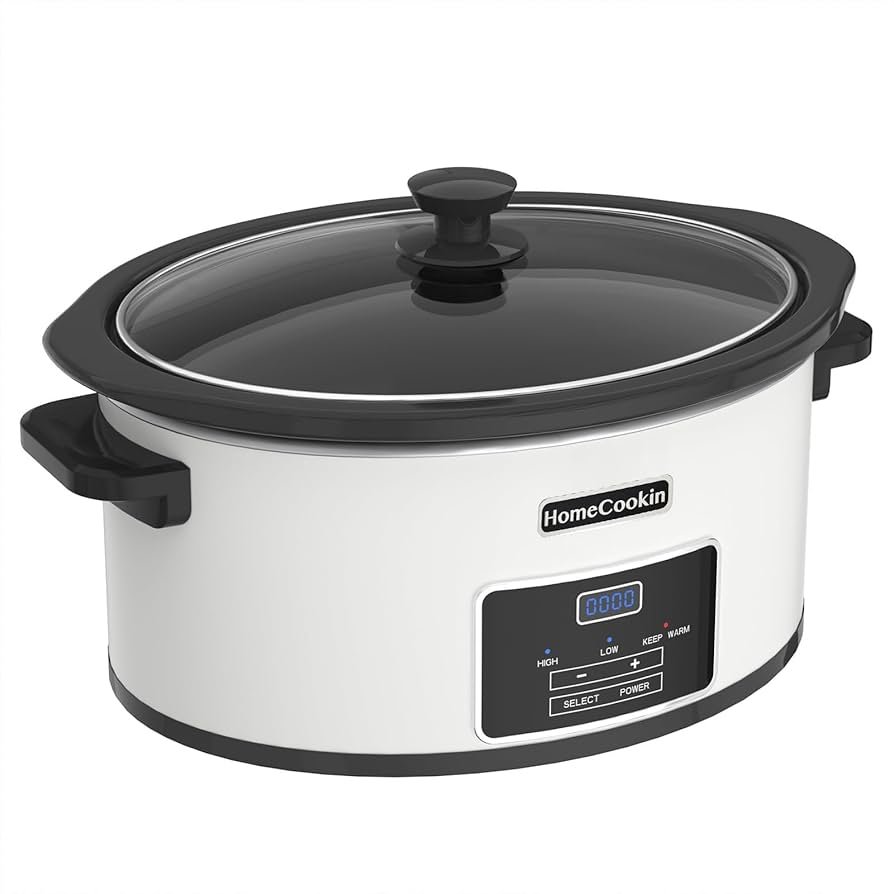
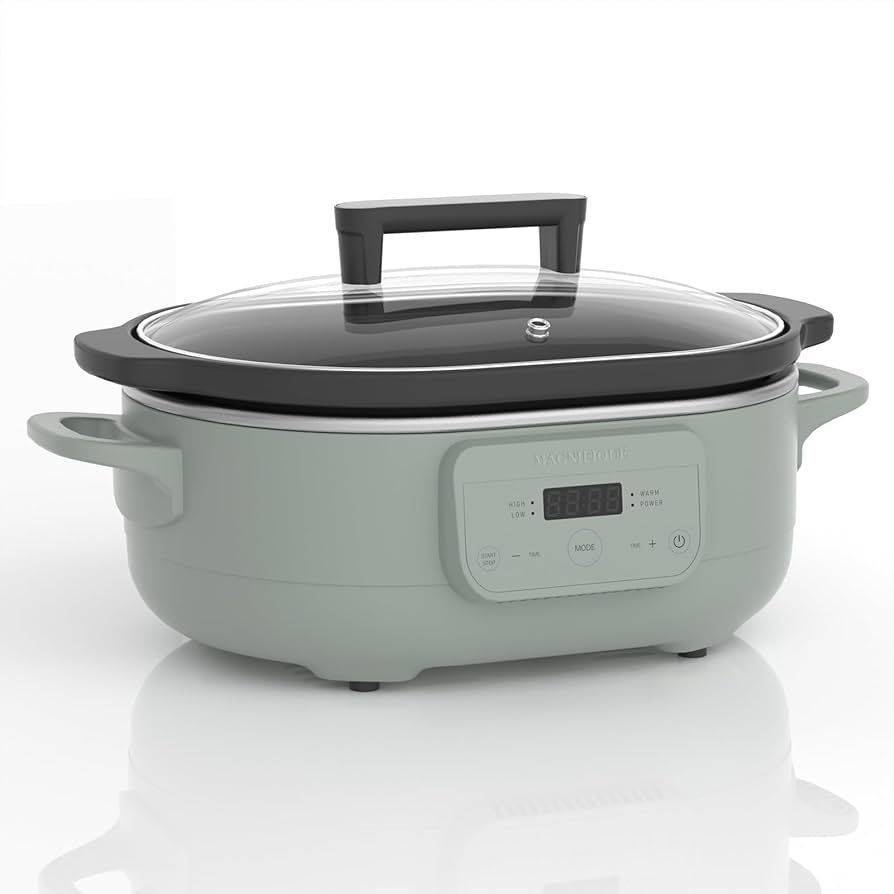
Slow Cooker
Slow cookers often have food spills and stains.
- After Use: Wash the removable crock and lid. Wipe the heating base with a damp cloth.
- Monthly: Check the gasket and handles for damage.
- Check: Make sure the control panel works properly.
Air Fryer
Air fryers get greasy quickly, which can lead to smoke and bad smells.
- After Use: Wash the basket and tray in warm soapy water.
- Weekly: Wipe the heating coil and exterior.
- Check: Make sure the air vents are clear.
Common Mistakes To Avoid
Many people skip important steps or use the wrong cleaning methods. Here are mistakes to watch out for:
- Using Harsh Chemicals: Strong cleaners can damage coatings and plastic parts.
- Ignoring Removable Parts: Crumb trays, filters, and gaskets often need extra care.
- Washing Motor Bases: Never submerge electric parts; just wipe with a damp cloth.
- Storing Wet: Always dry parts before putting appliances away to prevent mold and rust.
- Forgetting Regular Deep Cleaning: Surface cleaning is not enough; schedule monthly deep cleans.
Signs Your Appliance Needs Maintenance
Sometimes, your appliance gives you warnings before it fails. Watch for these signs:
- Strange noises or smells during operation
- Longer cooking or blending times
- Uneven results (e.g., toast burns on one side)
- Buttons or dials that stick or don’t work
- Visible buildup of grease, food, or mineral deposits
If you notice any of these, clean or check the appliance immediately.
How To Make Cleaning Easier
Most people avoid cleaning because it feels like a big job. Here are ways to make it simpler:
- Clean as You Go: Don’t let food dry and harden.
- Use the Right Tools: Small brushes, microfiber cloths, and gentle dish soap work best.
- Set a Schedule: Attach a sticky note to your appliance to remind you of monthly cleaning.
- Keep Instructions Handy: Tape the most important care tips inside a cabinet door.
Comparison Of Cleaning Needs
Some appliances need more frequent cleaning than others. Here’s a quick overview:
| Appliance | Daily | Weekly | Monthly |
|---|---|---|---|
| Coffee Maker | Rinse carafe, filter | – | Descale, deep clean |
| Blender | Quick rinse | Deep clean blades | – |
| Toaster | – | Crumb removal | Interior brush clean |
| Microwave | – | Wipe interior | Clean vents, turntable |
This table shows why some appliances, like coffee makers, need regular deep cleaning, while others can go longer between major cleanings.
How Proper Maintenance Saves Money
You might not realize how much you save by maintaining your appliances. For example, replacing a broken coffee maker costs $50–$150, but regular descaling can add 2–3 years to its life. The same goes for blenders and toasters, where a $10 replacement part or regular cleaning can prevent a $100 replacement.
Here’s a look at the potential savings:
| Appliance | Average Lifespan | With Good Maintenance | Replacement Cost |
|---|---|---|---|
| Coffee Maker | 3 years | 5+ years | $100 |
| Blender | 4 years | 7 years | $120 |
| Toaster | 3 years | 6 years | $40 |
| Rice Cooker | 4 years | 8 years | $80 |
Spending a few minutes each week on care can double the life of your appliances and save hundreds of dollars.
Credit: www.amazon.com
Two Insights Most People Miss
First, regular maintenance improves food taste and safety. Old food, oil, or scale can change the flavor of your coffee, rice, or toast, and even lead to food poisoning. Many people only think about cleaning when something smells bad, but by then, bacteria may already be growing.
Second, most small appliances are not waterproof. Even a few drops of water in the wrong place can short-circuit the device. Always keep the motor and electrical parts dry, and never wash them under the faucet.
When To Call A Professional
If you see sparks, smell burning, or find serious electrical problems, unplug the appliance right away. Some repairs, like replacing a frayed cord, are best left to professionals. Don’t risk your safety for a small repair—call an authorized service center or check the manufacturer’s website for help.
Credit: homemadelovely.com
Where To Find More Help
Most manufacturers provide care guides online. For more safety tips and appliance maintenance advice, visit the Association of Home Appliance Manufacturers.
Frequently Asked Questions
How Often Should I Clean My Small Kitchen Appliances?
It depends on the appliance and how often you use it. For example, wipe blenders and coffee makers daily, and do deep cleaning monthly. Check your appliance manual for exact recommendations.
Is It Safe To Put All Parts In The Dishwasher?
No. Many parts, such as motor bases and some blades, should not go in the dishwasher. Always check the manual. Dishwasher heat and detergent can damage certain materials.
What’s The Best Way To Remove Stubborn Stains Or Odors?
Use a mix of baking soda and water for stains. For odors, white vinegar or lemon juice can help. Run a cleaning cycle or soak removable parts as needed.
How Can I Prevent Mold In My Appliances?
Dry all parts fully before storing. Clean after every use, especially with appliances that use water, like coffee makers and kettles. Leave lids off for a few hours to let moisture escape.
When Should I Replace My Small Kitchen Appliance?
Replace it if it has electrical problems, cracked or damaged parts, or if cleaning no longer removes stains or odors. Also, if it’s not working as well as before, a new one may be safer and more efficient.
Taking care of your small kitchen appliances is not just about cleanliness—it’s about safety, saving money, and enjoying better-tasting food. With these simple steps, you can keep your favorite kitchen helpers working well for years to come.
