
Jute Rug Pros And Cons For Home Use
A rug can change the look and feel of any room. Among many rug choices, jute rugs are popular for their earthy style and eco-friendly qualities. But are they right for your home? Choosing a rug is not just about style. You need to think about durability, care, cost, comfort, and how it fits your lifestyle. Jute rugs have both strong points and weak spots. Many people love them for their natural look, but there are important details you should know before buying.
This article will guide you through the pros and cons of jute rugs for home use. You’ll learn what makes jute rugs special, where they shine, and where they may not be the best fit. If you want a clear, honest view before making a decision, keep reading.
What Is A Jute Rug?
Jute is a natural fiber that comes from the stem of the jute plant. Most of the world’s jute is grown in Bangladesh and India. The fiber is spun into strong threads and woven to make carpets, sacks, rope, and especially rugs.
A jute rug usually has a rough, textured surface with a golden-brown color. Some jute rugs are mixed with other fibers for added strength or softness. Because jute is a plant-based material, it is biodegradable and renewable, making it a good choice for those who care about the environment.
Jute rugs are often chosen for:
- Living rooms
- Bedrooms
- Entryways
- Dining rooms
But their use depends on your needs and where you want to place the rug.
Main Pros Of Jute Rugs
Jute rugs offer several clear advantages, which explain their growing popularity in homes worldwide. Here’s a closer look at their main benefits.
1. Eco-friendly And Sustainable
Jute is considered one of the most eco-friendly rug materials. The plant grows fast, needs little fertilizer, and uses less water compared to cotton. After harvest, jute stalks decompose quickly without harming the environment. If you want to reduce your home’s impact on the planet, jute is a smart choice.
2. Natural Beauty And Versatile Style
Jute rugs have a unique, earthy look. Their natural colors—from light tan to golden brown—blend easily with almost any decor. Whether your home style is modern, rustic, coastal, or bohemian, a jute rug adds warmth and texture. Jute rugs can act as a subtle background or a main feature in a room.
3. Affordable Price
Compared to wool or high-end synthetic rugs, jute rugs are usually less expensive. This makes them a good option if you want style without a big price tag. You can find a wide range of sizes, from small mats to large area rugs, at a budget-friendly price.
4. Soft Underfoot (compared To Other Natural Fibers)
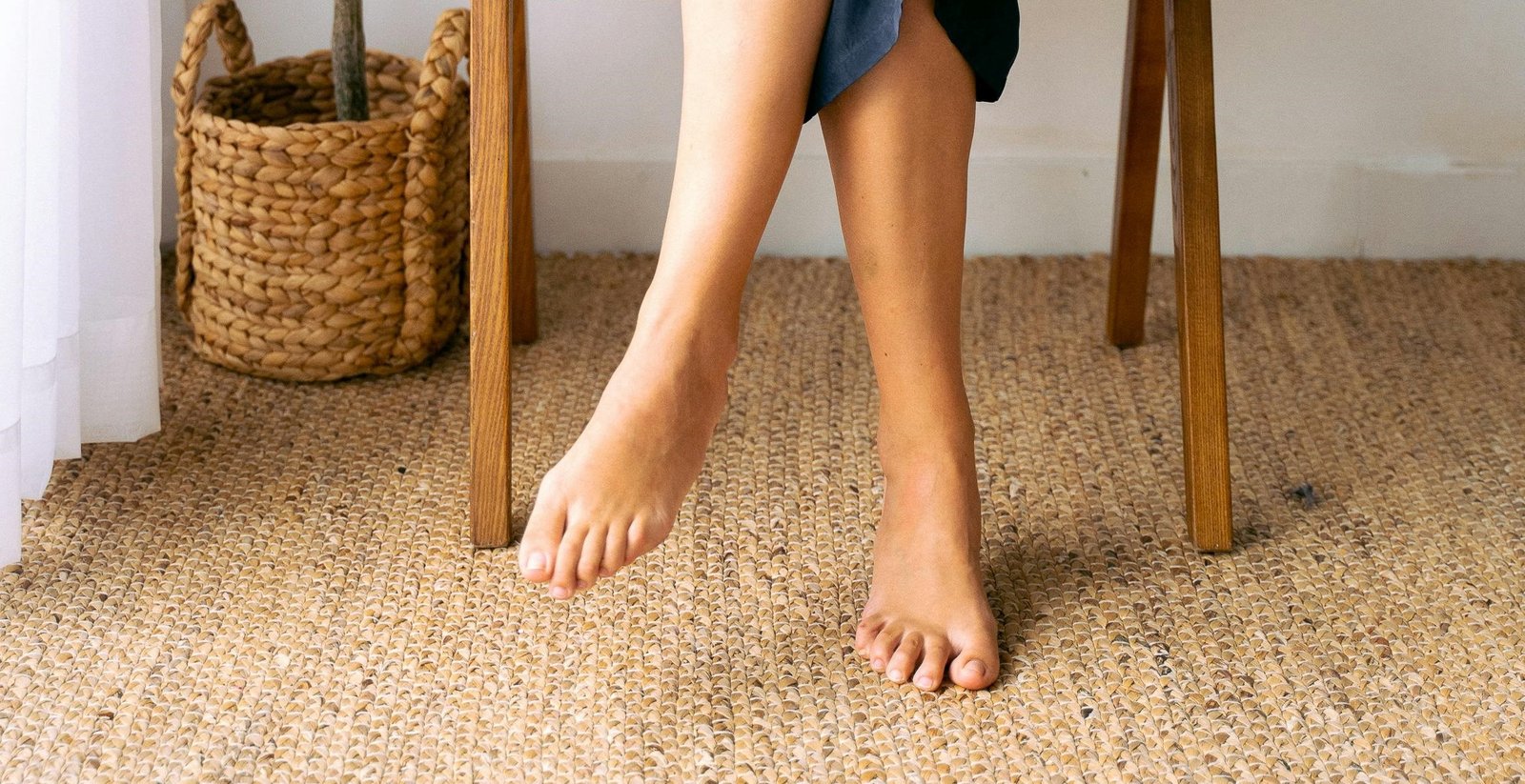
Many people expect jute to feel rough, but it is actually softer than sisal or seagrass. This makes it more comfortable to walk or sit on, especially in living rooms or bedrooms. Families with children or pets may find this softness appealing.
5. Good For Layering
Jute rugs work well for layering—placing a smaller, colorful rug on top to add depth and interest. This design trick is often used to create a cozy, custom look. Because jute rugs are usually neutral in color, they make a perfect base.
6. Non-toxic And Safe
Since jute is a natural fiber, these rugs are usually made without harsh chemicals. This means low VOCs (volatile organic compounds), which is better for indoor air quality, especially important in homes with children or people with allergies.
7. Biodegradable And Easy To Dispose
Jute rugs break down naturally at the end of their life. Unlike synthetic rugs, they won’t sit in a landfill for decades. This makes them a smart choice for people who want their purchases to be more environmentally responsible.
8. Good Sound Absorption
Jute’s rough texture helps to absorb sound, making rooms quieter. If you live in a busy home or an apartment building, a jute rug can help reduce echoes and noise.
9. Holds Its Shape Well
A well-made jute rug is strong and doesn’t stretch out of shape easily. Unlike cheaper synthetic rugs that can curl or warp, jute tends to stay flat and maintain its structure.
Main Cons Of Jute Rugs
While jute rugs have many advantages, there are important downsides you should know before buying. Here are the main drawbacks:
1. Not Water-resistant
Jute is highly absorbent. If it gets wet, the fibers can weaken, stain, or even start to break down. This means jute rugs are not a good choice for bathrooms, kitchens, or any place that might get wet often. Even a spilled drink can leave a mark if not cleaned up quickly.
2. Can Be Hard To Clean
Unlike synthetic rugs that are stain-resistant, jute rugs can be tricky to clean. They don’t handle harsh cleaners, steam cleaning, or too much water. Most spills need to be blotted immediately, and deep stains can be permanent.
3. Shedding And Fiber Loss
New jute rugs often shed fibers, especially in high-traffic areas. You may notice dust or small fibers on your floor. While this shedding slows down over time, it never stops completely.
4. Rougher Texture Than Wool
Although softer than other natural fibers, jute is still not as soft as wool or cotton. Some people find the texture a bit scratchy, especially for children who crawl or play on the floor.
5. Not Good For High Moisture Areas
If you live in a humid climate or want a rug for a basement, jute is a risky choice. High moisture can cause mold or mildew to grow. Over time, this can damage the rug and affect air quality.
6. Fades In Direct Sunlight
Jute rugs can fade if exposed to strong sunlight over time. If you want to place a rug in a sunroom or near a bright window, another material might be better.
7. Attracts Stains And Dirt
The rough, open weave of most jute rugs can trap dirt and dust. These particles can be hard to remove with a regular vacuum, and deep cleaning is usually not possible.
8. Not Ideal For Pets
Pet accidents (especially from cats or dogs) are hard to clean from jute. The odor and stain can stay, and the fibers may break down. Also, pets that scratch or dig may pull up the fibers.
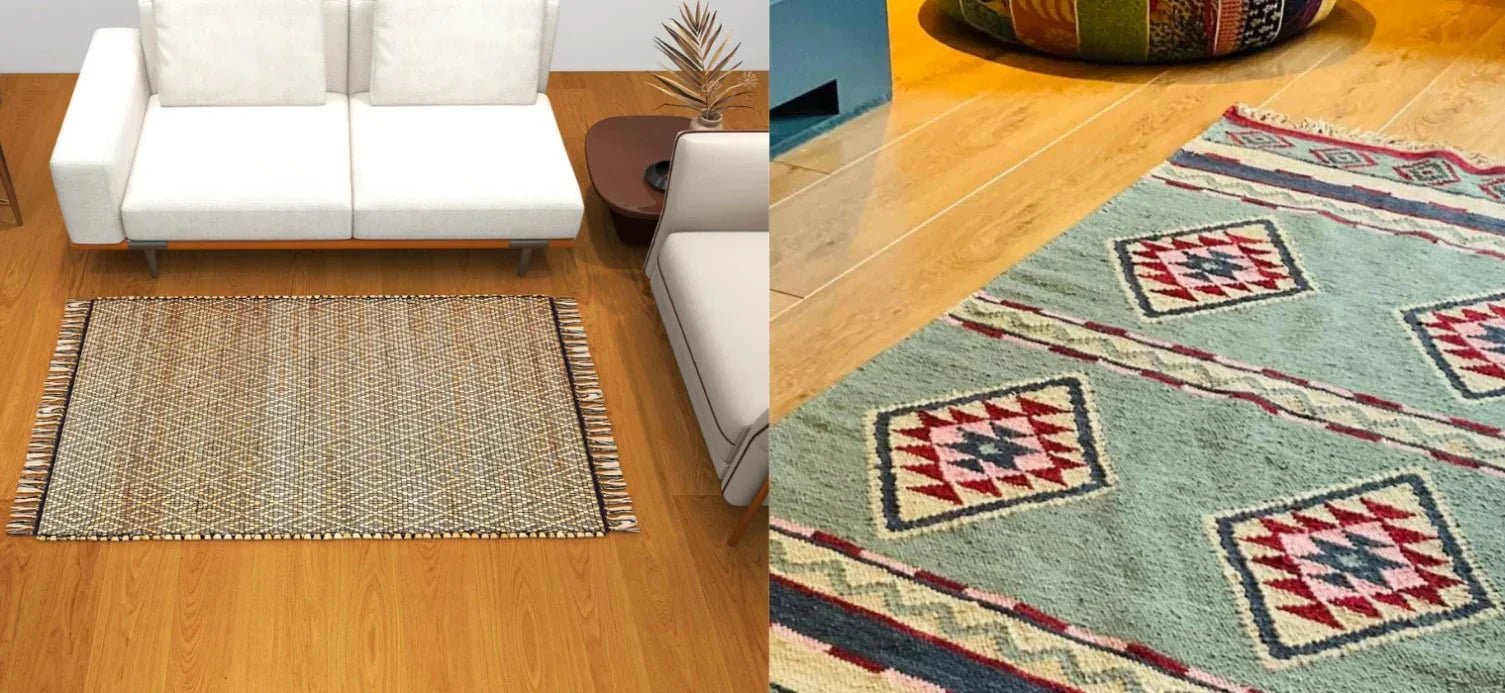
9. Limited Color And Pattern Choices
Most jute rugs come in natural colors and simple weaves. If you want bold colors or detailed patterns, jute may not offer enough variety. Some options are available, but they are less common than with synthetic or wool rugs.
Jute Rug Comparison: Jute Vs. Other Rug Materials
To help you decide, here is a comparison between jute and other common rug materials.
| Feature | Jute | Wool | Synthetic (Polypropylene) | Sisal |
|---|---|---|---|---|
| Eco-Friendliness | High | Medium | Low | High |
| Softness | Medium | High | Medium | Low |
| Durability | Medium | High | High | High |
| Water Resistance | Low | Medium | High | Low |
| Price | Low-Medium | High | Low | Medium |
As you can see, jute rugs are a great choice for eco-conscious buyers but are less suitable for wet or messy areas.
Credit: procareofnashville.com
Where Jute Rugs Work Best In Your Home
Not every room is right for a jute rug. Here’s where they shine:
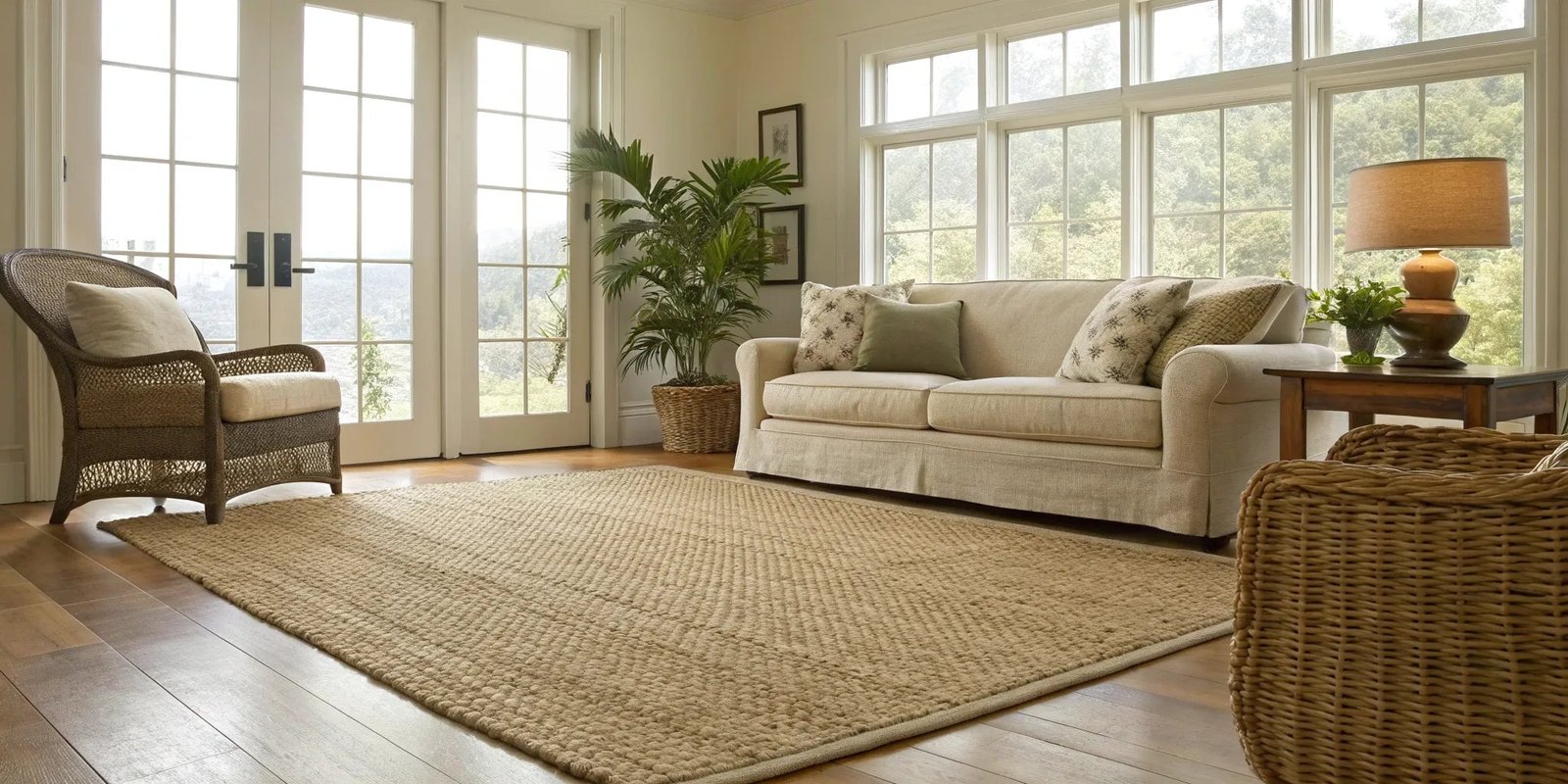
- Living room: Adds warmth and texture, works well under coffee tables or couches.
- Bedroom: Feels cozy underfoot, especially in low-traffic spots.
- Entryway: Good for dry, indoor entrances. Just avoid if people come in with wet shoes.
- Dining room: Looks great under a table, but be careful with food and drink spills.
Where to avoid:
- Bathroom or kitchen: High risk of water damage and stains.
- Basement or damp rooms: Mold and mildew can develop.
- Patio or outdoor use: Jute won’t last outside, unless in a fully covered area.
Practical Tips For Using Jute Rugs
To make the most of your jute rug, keep these tips in mind:
- Use a rug pad: This prevents slipping and adds a bit of extra softness.
- Vacuum often: Use a suction-only vacuum (no beater bar) to avoid pulling up fibers.
- Blot spills fast: Use a clean, dry cloth. Don’t rub, and avoid water.
- Rotate regularly: This helps the rug wear evenly and reduces fading.
- Keep out of direct sun: If possible, place your rug away from bright windows.
Credit: therugdistrict.ca
Common Mistakes When Buying Or Using Jute Rugs
Many people make these mistakes with jute rugs:
- Placing them in wet or humid areas, which leads to early damage.
- Using strong cleaners or steam, which break down the fibers.
- Expecting a jute rug to last as long as a synthetic or wool rug in high-traffic areas.
- Not using a pad, which causes slipping and faster wear.
- Ignoring shedding, leading to frustration for people sensitive to dust.
Cost And Value: Is A Jute Rug Worth It?
Jute rugs usually cost less than wool or high-quality synthetics. On average, a 5×8-foot jute rug costs between $70 and $200, depending on brand and weave quality. While this is budget-friendly, remember that jute rugs may not last as long in busy areas.
Jute rugs offer great value if:
- You want a natural look for a low price.
- You can keep the rug dry and clean.
- You are willing to replace it every few years in high-traffic spots.
If you need a long-lasting, easy-to-clean rug, another material might be better.
Jute Rug Durability: Real-life Examples
To give you a sense of how long jute rugs last, here’s a look at typical lifespans in different rooms:
| Room | Expected Lifespan |
|---|---|
| Bedroom (low traffic) | 4-7 years |
| Living Room (medium traffic) | 2-5 years |
| Entryway (high traffic) | 1-3 years |
These numbers depend on care, humidity, and how much wear the rug receives.
Non-obvious Insights
- Jute rugs can act as “air filters.” The coarse texture traps dust, which can reduce airborne dust levels. But you must vacuum often to avoid buildup.
- Many jute rugs have a “new rug” smell. This is not a chemical odor but the plant’s natural scent. It fades after a few days in a well-ventilated room.
- Layering a small, washable rug on top of a jute rug can help protect it in dining areas or near entryways.
Environmental Impact
Jute rugs are among the most environmentally friendly options available. The jute plant absorbs large amounts of carbon dioxide, helping reduce greenhouse gases. After use, a jute rug will break down naturally. This makes it a better choice than most synthetic rugs, which are made from petroleum-based products. You can learn more about the environmental benefits of jute from this Wikipedia article on jute.
Frequently Asked Questions
Are Jute Rugs Suitable For Homes With Pets?
Jute rugs are not ideal for homes with pets that have accidents or scratch floors. Pet stains are hard to remove, and claws can pull up fibers. If you have well-trained pets and want a natural look, use the rug in areas where your pets spend less time.
Can I Clean A Jute Rug With Water?
It’s best to avoid using water on jute rugs. Water can weaken the fibers and cause stains. For small spills, blot with a dry cloth right away. For deeper cleaning, use a dry carpet cleaner made for natural fibers.
Do Jute Rugs Smell?
New jute rugs often have a natural, earthy smell. This is not harmful and usually goes away after a few days. Airing the rug outside or in a well-ventilated room can help remove the scent faster.
Are Jute Rugs Comfortable For Sitting Or Playing?
Jute is softer than sisal but not as soft as wool or cotton. While most adults find jute rugs comfortable enough to walk on, they may not be the best choice for children who spend a lot of time playing on the floor.
How Long Do Jute Rugs Last?
With proper care, jute rugs can last 2–7 years, depending on where you use them and how much traffic they get. They last longer in bedrooms and low-traffic areas, but wear out faster in busy entryways or living rooms.
A jute rug brings warmth and nature into your home, but it’s not for every situation. By understanding the pros and cons, you can make a smart choice that suits your style, needs, and budget.
Credit: ecocraveworld.com