
Mixing and matching bedding patterns and colors can turn a plain bedroom into a stunning retreat. Many people feel nervous about using different designs and shades on their bed. They worry it will look too busy, childish, or uncoordinated. The good news is, with some simple guidelines and a bit of confidence, anyone can create a stylish, inviting bed that feels both personal and polished.
Bedding is more than just sheets and comforters. It’s the heart of your bedroom’s style. By layering colors and patterns, you can express your taste, bring warmth, and even improve your sleep environment. Whether you love bold florals, classic stripes, or gentle neutrals, the right mix can make your bed a true focal point.
Let’s explore how to mix and match bedding patterns and colors like a pro, avoid common mistakes, and create a look that’s uniquely yours.
Why Mixing Bedding Patterns And Colors Matters
Choosing the right bedding is not just about comfort. The colors and patterns you select can change the mood of your room. For example, cool tones like blue and gray feel calming, while bright colors like yellow or orange add energy.
Patterns add depth and interest, breaking up large areas of solid color and making the space feel more dynamic.
Most people stick to plain bedding because they are unsure how to combine different designs. However, when done correctly, a mix of patterns and colors can:
- Make your bed the star of the room
- Reflect your personality
- Help you change the look with simple updates
- Hide small stains or wrinkles better than solids
Understanding The Basics: Patterns And Color Theory
Before you start shopping or rearranging, it’s important to understand a few basics about patterns and color theory.
What Are Bedding Patterns?
Bedding patterns include:
- Stripes: Lines of different widths and colors
- Florals: Flowers and leaves, from tiny prints to large blooms
- Plaids and checks: Crisscrossing lines or squares
- Geometric: Shapes like circles, triangles, or diamonds
- Abstract: Swirls, splashes, or unusual designs
- Solids: No pattern, just one color
Simple Color Theory
Colors are grouped into:
- Warm colors: Red, orange, yellow (feel energetic)
- Cool colors: Blue, green, purple (feel calming)
- Neutrals: White, beige, gray, taupe, black (work with anything)
To mix bedding successfully, choose a color palette. A palette is a group of 2-4 colors that work well together. You can pick colors that are close together on the color wheel (analogous), opposite each other (complementary), or all neutral.
A non-obvious tip: If you already have wall paint or curtains, use those colors as a starting point for your bedding palette.
Steps To Mix And Match Bedding Patterns And Colors
1. Start With A Base
Begin with a neutral base. For most people, this means plain white, ivory, or gray sheets. Neutrals keep everything grounded and allow patterns to stand out without looking chaotic.
For example, if you have a patterned duvet cover, use solid sheets in a matching or neutral color.
2. Choose A Main Pattern
Pick one dominant pattern for your bedding. This will be the star—often a duvet cover or comforter. Make sure the pattern uses the colors you want for your palette. Big patterns (like large flowers or wide stripes) work well as the main feature.
3. Add Supporting Patterns
Choose 1-2 smaller patterns for pillow shams, throw pillows, or a blanket. These should be different from the main pattern but share at least one color. For example, if your duvet has navy and white stripes, you could add pillows with small navy dots or a geometric print.
Avoid repeating the same pattern in different sizes. Instead, mix scale and style: pair large florals with thin stripes or small checks.
4. Layer In Solids
Mixing solids with patterns gives the eyes a place to rest. Add solid pillowcases, a plain quilt, or a simple throw to balance out busy designs. Solids in your palette colors tie everything together.
5. Use The 60-30-10 Rule
A classic decorator tip: use 60% of your main color, 30% of a secondary color, and 10% as a bold accent. For bedding, this might look like:
- 60% white (sheets, main pillowcases)
- 30% blue (duvet cover, shams)
- 10% yellow (throw pillow, small blanket)
This keeps the look balanced and prevents overload.
6. Play With Texture
Texture adds another layer of interest without extra patterns. A chunky knit throw, velvet cushions, or a quilted coverlet can make even all-white bedding feel special.
7. Test And Adjust
Before buying, lay out all pieces together. Most stores allow you to bring pillowcases or fabric swatches to compare in person. At home, arrange everything on your bed and step back. Move items around until you love the look.
Real-life Examples And Combinations
Mixing bedding can sound tricky, so here are a few sample combinations for different styles:
Modern Minimalist
- Main color: White
- Main pattern: Thin black stripes (duvet)
- Supporting pattern: Small black dots (pillow shams)
- Accent: Solid gray throw blanket
Boho Chic
- Main color: Cream
- Main pattern: Large floral print (duvet)
- Supporting pattern: Multicolor tribal print (sham)
- Accent: Rust orange velvet pillow
Classic Cozy
- Main color: Navy blue
- Main pattern: Plaid (duvet)
- Supporting pattern: Small houndstooth check (pillow)
- Accent: Solid burgundy knit throw
Kids’ Room
- Main color: Sky blue
- Main pattern: Cartoon animals (duvet)
- Supporting pattern: Yellow stars (sheet)
- Accent: Solid green pillow
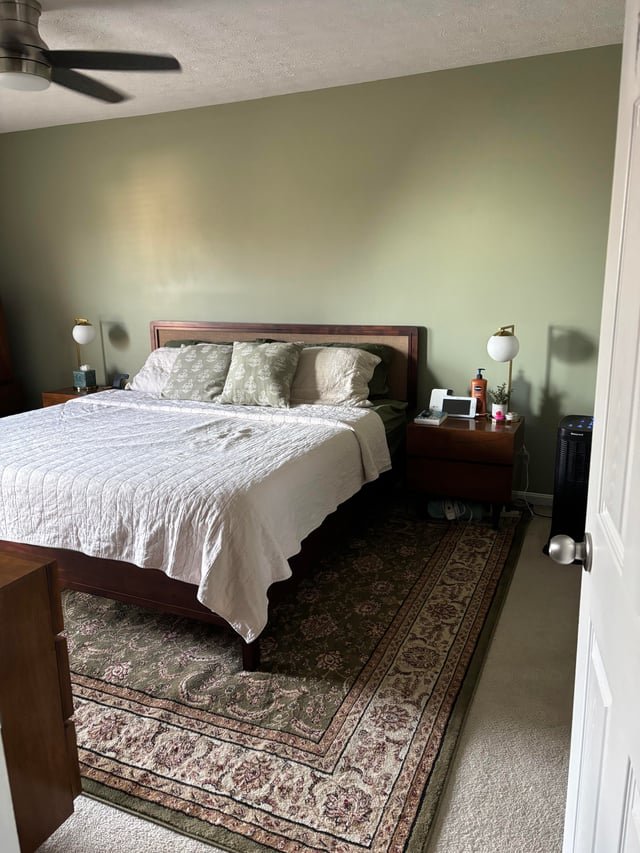
Credit: www.reddit.com
Common Mistakes And How To Avoid Them
Choosing Too Many Patterns
A big mistake is using too many strong patterns at once. Stick to 2-3 per bed. More than that can look messy.
Ignoring Color Harmony
Mixing patterns only works if your colors fit well together. Test the palette before making final choices.
Forgetting About Scale
Pair large and small patterns. Three bold, large prints will fight for attention. Mix a big pattern with a tiny one for harmony.
Not Considering Room Style
Bedding should match your room’s overall style. For example, vintage rooms look great with florals, while modern spaces suit clean lines and geometrics.
Overusing Bold Colors
Too many bright colors can feel overwhelming. Use bold shades as small accents, not the main event.
Practical Tips For Success
Use Bedding Sets As A Starter
Many brands now sell mix-and-match bedding sets. These include coordinated pieces with different patterns and colors, making it easier for beginners to start.
Invest In Reversible Pieces
Some duvets and shams are reversible, giving you two looks in one. Flip them for a quick style change without buying new bedding.
Swap With Seasons
Use lighter, brighter patterns in spring and summer, and deeper, richer colors in fall and winter. This keeps your room feeling fresh.
Take Photos
When mixing at home, take a picture of your bed. Sometimes, it’s easier to spot what works (or doesn’t) in a photo than in real life.
Washability Matters
Busy patterns can hide stains, but check care instructions before buying. Some intricate designs may need special washing.

Credit: sheetstory.com
Comparing Bedding Patterns: What Works Together
To make mixing easier, here’s a quick comparison of which patterns pair well:
| Main Pattern | Good Matches | Usually Avoid |
|---|---|---|
| Large Florals | Thin stripes, small dots | Other large florals |
| Wide Stripes | Small checks, solids | Other bold stripes |
| Geometric | Abstract, small florals | Large geometrics |
| Plaid | Solids, thin stripes | Other plaids |
How To Build A Color Palette For Bedding
If you’re unsure about colors, here’s a simple guide based on mood:
| Desired Mood | Main Colors | Accent Colors |
|---|---|---|
| Calm & Relaxing | Light blue, gray, white | Soft green, lavender |
| Cozy & Warm | Beige, taupe, caramel | Rust, deep orange |
| Modern & Fresh | White, charcoal, navy | Yellow, teal |
| Playful & Bold | Bright blue, lime, pink | Yellow, orange |
When To Break The Rules
While guidelines help, sometimes breaking the rules creates the most beautiful results. If you love a wild mix of prints and it feels right in your space, go for it. Personal comfort matters more than perfection.
A non-obvious insight: The best bedding mixes often come from trial and error. Trust your instincts and don’t be afraid to experiment.
Caring For Mixed Bedding
Patterned bedding can show wear differently. To keep your bed looking great:
- Rotate pillows and throws regularly.
- Wash according to care labels—some fabrics fade faster.
- Store out-of-season pieces in a cool, dry place.
This helps your bedding last longer and keeps your bedroom looking fresh year-round.
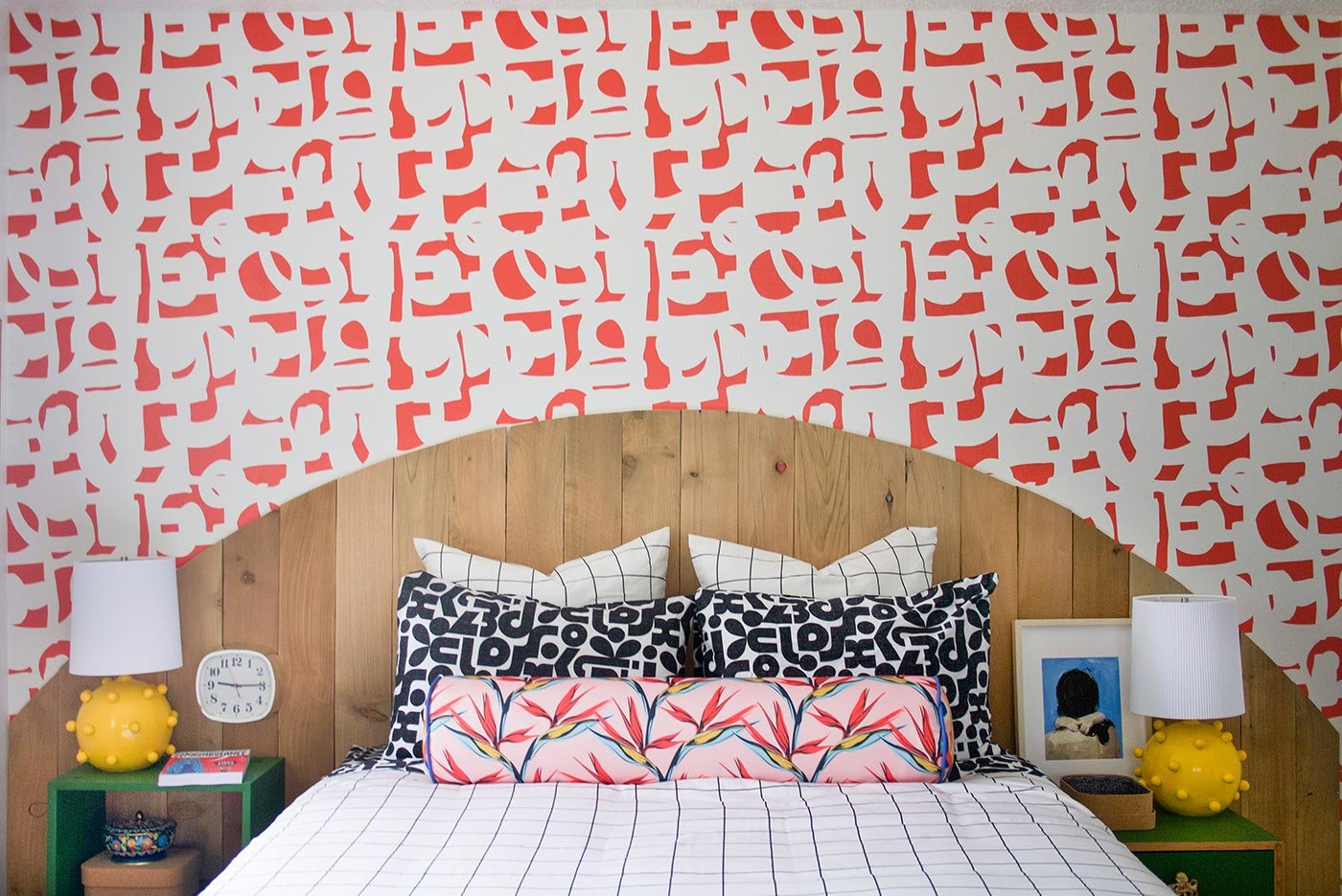
Credit: banyanbridges.com
Where To Find Inspiration
If you need ideas, look at home design magazines, Pinterest, or bedding brand websites. Hotel rooms are also great for inspiration—they often use simple but effective pattern and color combos. For a deeper dive into color and pattern mixing, check out resources like Architectural Digest.
Frequently Asked Questions
How Many Patterns Should I Use On One Bed?
Most designers recommend using 2-3 patterns. This keeps the look interesting but not overwhelming. Start with one main pattern, add a smaller supporting one, and use solids to balance.
Can I Mix Warm And Cool Colors In My Bedding?
Yes, you can mix warm and cool colors. The key is to use one as the main color and the other as an accent. For example, navy blue with a pop of mustard yellow works well.
What If I Have Patterned Curtains Or Wallpaper?
If your room already has strong patterns on the walls or windows, keep bedding patterns simple. Use mostly solids and one subtle pattern to avoid a crowded look.
Is It Okay To Use All Solid Colors?
Using all solids is safe and can feel calm, but mixing in at least one pattern adds interest and depth. Even a simple stripe or small dot can make a big difference.
How Often Should I Change My Bedding Style?
There’s no set rule. Some people like to switch for each season, while others keep the same look all year. Change when you want a fresh feel or if your bedding shows signs of wear.
Mixing and matching bedding patterns and colors is a creative way to refresh your bedroom. With a little planning and confidence, you can build a space that’s both stylish and comfortable—one that feels like home every time you climb into bed.
