
Many home cooks and professional chefs choose anodized aluminum cookware for its durability, nonstick surface, and even heat distribution. But when questions about safety arise, confusion can quickly set in. Is it really safe to cook daily meals with these pots and pans? Does the anodizing process make a difference, or are there hidden risks? Understanding the facts about anodized aluminum cookware is important for anyone who spends time in the kitchen. In this article, you’ll get clear answers, practical insights, and reliable guidance to help you make safe choices for your kitchen and your health.
What Is Anodized Aluminum Cookware?
Anodized aluminum cookware is made from aluminum that has gone through a special process called anodization. This process uses electricity and chemicals to create a hard, non-reactive layer on the surface of the aluminum. This layer is much thicker and stronger than regular aluminum oxide, making the cookware more durable and resistant to scratches and corrosion.
Aluminum itself is lightweight and an excellent heat conductor, which is why it’s so popular in cookware. However, untreated aluminum can react with acidic foods, sometimes causing a metallic taste or pitting in the pan. The anodized coating prevents this reaction.
Most hard-anodized cookware is also nonstick, which means you can use less oil and clean up faster.
It’s important to note that the anodized coating is not just painted on; it’s part of the metal itself. This makes it very different from regular nonstick coatings like Teflon.
Why Do People Worry About Aluminum Cookware?
Concerns about aluminum cookware safety have existed for decades. The main worries are:
- Aluminum leaching: Some people fear that aluminum from cookware can get into food, especially with acidic dishes like tomato sauce or citrus-based recipes.
- Health effects: There have been rumors and old studies linking high levels of aluminum to health problems like Alzheimer’s disease or bone disorders.
- Nonstick coatings: Some nonstick surfaces can break down at high temperatures, releasing chemicals into the air or food.
It’s important to separate fact from fear. Not all aluminum cookware is the same, and anodized aluminum is specifically designed to address some of these safety concerns.
The Science Behind Anodization
Anodization is a process where the surface of aluminum is oxidized using an acid bath and an electrical current. This forms a thick, stable layer of aluminum oxide that bonds with the metal underneath. This layer is:
- Harder than stainless steel
- Non-reactive, so it won’t interact with most foods
- Resistant to corrosion and scratching
This means that anodized aluminum cookware does not leach significant amounts of aluminum into food under normal cooking conditions. In fact, the amount is so low that it’s generally considered safe by health organizations.
How Anodization Improves Safety
- Prevents leaching: The thick oxide layer acts as a barrier.
- Reduces reactivity: Safe with acidic and alkaline foods.
- Increases durability: Less likely to chip or flake.
A 2017 study published in the “International Journal of Electrochemical Science” found that anodized aluminum released about 80% less aluminum into food compared to untreated aluminum cookware.
Comparing Anodized Aluminum With Other Cookware
Understanding how anodized aluminum compares with other popular cookware materials can help you make a safer choice.
| Cookware Material | Reactivity with Food | Durability | Ease of Cleaning | Typical Safety Concerns |
|---|---|---|---|---|
| Anodized Aluminum | Low (non-reactive) | High | Easy | Minimal leaching |
| Stainless Steel | Very low | High | Moderate | Nickel/chromium exposure |
| Cast Iron | Can react with acidic foods | Very high | Requires seasoning | Iron leaching |
| Nonstick (Teflon) | Non-reactive | Low (coating can scratch) | Very easy | PTFE/PFOA fumes at high heat |
As the table shows, anodized aluminum offers a good balance of safety and performance when used correctly.
Potential Safety Concerns Of Anodized Aluminum Cookware
Even with the benefits, there are a few safety points to keep in mind:
1. Scratched Or Damaged Coating
If the anodized layer gets deeply scratched or worn away, the bare aluminum underneath could become exposed. This can happen if you use metal utensils, scouring pads, or put the cookware in the dishwasher often.
Tip: Use only wooden, silicone, or plastic utensils with anodized cookware to protect the surface.
2. High-temperature Cooking
Anodized aluminum can handle higher heats than most nonstick pans, but it’s best not to use it for broiling or over open flames. Extreme heat can still damage the nonstick properties or warp the pan.
3. Not Dishwasher-safe
Most manufacturers recommend hand-washing anodized aluminum cookware. The harsh detergents and hot water in dishwashers can wear down the anodized coating over time, leading to reduced nonstick performance and possible exposure of raw aluminum.
4. Poor Quality Or Imitations
Not all anodized aluminum cookware is made with the same standards. Cheaper brands may use thinner coatings or lower quality aluminum, which can wear out faster and possibly leach more aluminum.
Look for reputable brands and check for certifications or independent testing when possible.
5. Nonstick Additives
Some anodized aluminum cookware is coated with an extra nonstick layer, like PTFE (Teflon). These coatings can break down at high temperatures, releasing fumes that may be harmful to birds and potentially irritating to humans.
Read the manufacturer’s details to know what type of nonstick surface you’re getting.
What Do Health Authorities Say?
Major health organizations generally agree that anodized aluminum cookware is safe for everyday use. The U.S. Food and Drug Administration (FDA) and the European Food Safety Authority (EFSA) both state that the amount of aluminum you might ingest from anodized cookware is far below the threshold for health risks.
The World Health Organization (WHO) sets a tolerable weekly intake for aluminum at 2 mg per kilogram of body weight. For most people, the aluminum absorbed from anodized cookware is a small fraction of this amount.
If you want more details, you can read official guidelines at the World Health Organization.
Common Myths And Misunderstandings
Many myths about aluminum cookware safety are still common. Here are a few, with the facts:
- Myth: All aluminum cookware is unsafe.
Fact: Anodized aluminum is non-reactive and safe for most people.
- Myth: Cooking acidic foods in aluminum causes dangerous levels of metal in food.
Fact: The anodized layer prevents this. Only raw aluminum poses a risk.
- Myth: Anodized aluminum contains Teflon.
Fact: The anodized layer is different from Teflon or PTFE, though some pans add extra nonstick coatings.
Understanding these differences can help you avoid worry and make better choices.
How To Use Anodized Aluminum Cookware Safely
To get the most from your cookware, follow these best practices:
- Use low to medium heat. High heat isn’t necessary and can damage nonstick properties.
- Avoid metal utensils. Choose wood, silicone, or plastic tools to prevent scratches.
- Hand-wash only. Mild soap and a soft sponge will keep your pans in good shape.
- Store with care. Don’t stack heavy items on top of your anodized pans.
- Check for damage. If the surface is badly worn or pitted, replace the pan.
These steps will maximize your cookware’s lifespan and safety.
Practical Tips Most People Miss
Even experienced cooks sometimes overlook these details:
- Seasoning is not required for anodized aluminum. Unlike cast iron, the surface is naturally nonstick and doesn’t need oil baked in.
- Avoid cooking sprays with propellants. These can create a sticky residue that’s hard to remove and may damage the nonstick layer.
- Let pans cool before washing. Sudden temperature changes can warp the metal or damage the surface.
Real-world Performance: What Users Say
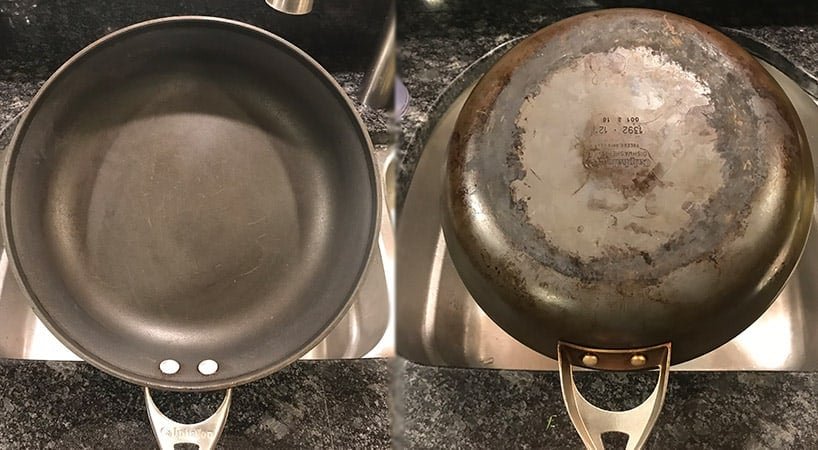
Reviews from home cooks and chefs show that most people are happy with anodized aluminum pans. They praise the even heat, easy release of food, and long lifespan. However, complaints sometimes mention:
- Surface becoming less nonstick after dishwasher use
- Pans warping if left empty on hot burners
- Scratches from metal spatulas
These issues can often be avoided with careful use.
Credit: prudentreviews.com
How Anodized Aluminum Affects Food Taste And Quality
One benefit of anodized aluminum is that it does not react with food, so you don’t get a metallic taste. This makes it a good choice for tomato sauces, lemon-based dishes, or recipes with wine and vinegar.
Some cooks notice that anodized pans heat up more quickly and evenly than stainless steel, which can improve browning and reduce sticking.
Cost And Value Compared To Other Cookware
Is anodized aluminum worth the price? Here’s a quick comparison:
| Cookware Type | Typical Price Range (USD) | Average Lifespan | Value for Money |
|---|---|---|---|
| Anodized Aluminum | $30 – $150 per piece | 5-10 years | High (with proper care) |
| Stainless Steel | $20 – $200 per piece | 10-20 years | Very high |
| Cast Iron | $25 – $100 per piece | Decades | Very high |
| Nonstick (Teflon) | $15 – $80 per piece | 1-5 years | Moderate |
Anodized aluminum is not the cheapest option, but it offers good durability and performance for the price—especially if you follow care instructions.
Credit: shop.ttkprestige.com
Who Should Avoid Anodized Aluminum?
For most healthy adults, anodized aluminum cookware is safe. However, there are a few exceptions:
- People with kidney disease: Those with advanced kidney problems may be advised to limit aluminum intake, as their bodies may not remove it efficiently.
- People with metal allergies: Very rare, but some may react to trace metals.
- Bird owners: If the pan also has a PTFE nonstick coating, fumes at high heat can be dangerous to birds.
If you fall into these categories, consult your doctor or consider alternatives like stainless steel or ceramic cookware.
Final Thoughts
Anodized aluminum cookware is a smart choice for many kitchens. The anodization process makes the metal harder, more durable, and much safer to use with all types of foods. While no cookware is perfect, following simple care tips will keep your anodized pans safe and reliable for years. Most health concerns come from confusion with raw aluminum or misunderstanding of the science. For everyday cooking, anodized aluminum offers a safe, practical, and high-performing solution.
Credit: schaumburgspecialties.com
Frequently Asked Questions
Is Anodized Aluminum Cookware Safe For Everyday Use?
Yes, anodized aluminum cookware is considered safe for daily cooking by health authorities. The anodized layer prevents aluminum from leaching into food, making it non-reactive and durable.
Can I Use Metal Utensils With Anodized Aluminum Pans?
It’s best to avoid metal utensils. They can scratch the anodized surface, exposing raw aluminum and reducing nonstick performance. Use wooden, silicone, or plastic utensils for longer-lasting pans.
Is Anodized Aluminum Dishwasher Safe?
Most manufacturers recommend hand-washing anodized aluminum cookware. Dishwashers can wear down the coating over time, which may impact safety and performance.
Does Anodized Aluminum Contain Teflon Or Ptfe?
Not all anodized aluminum has Teflon or PTFE. Some pans add a nonstick coating, but the anodized layer itself is not Teflon. Check product labels to know what’s in your cookware.
Should People With Kidney Problems Use Anodized Aluminum Cookware?
People with kidney disease should consult their doctor before using any aluminum cookware, including anodized. While exposure is low, the body may not process aluminum as efficiently in these cases.