
When you shop for cotton sheets, you see the word “thread count” everywhere. Stores advertise sheets with high numbers, promising more comfort and luxury. But what does thread count really mean? And how do you know what’s a good thread count for cotton sheets?
If you want your bed to feel soft, cool, and last for years, understanding thread count is important. Let’s explore what matters most, clear up common myths, and help you pick the best cotton sheets for your needs.
What Is Thread Count?
Thread count is the number of threads woven together in one square inch of fabric. It includes both horizontal (weft) and vertical (warp) threads. For example, if a sheet has 150 threads running lengthwise and 150 threads running widthwise in one square inch, its thread count is 300.
Many people believe a higher thread count always means better quality. This is not fully true. The type of cotton, the way it is woven, and the finish matter just as much, if not more.
Why Thread Count Matters (and When It Doesn’t)
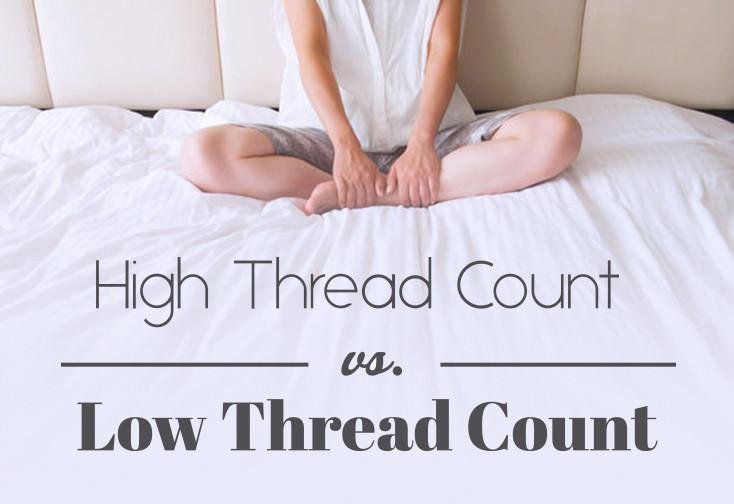
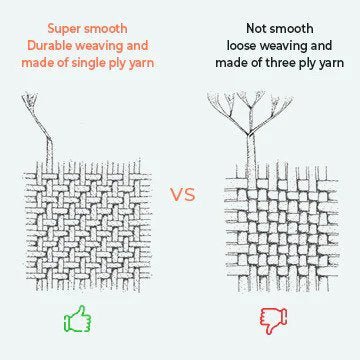
Thread count can affect how a sheet feels and performs. Generally, a moderate thread count gives you a good mix of softness, durability, and breathability. However, super high thread counts can be misleading. Sometimes manufacturers twist multiple thin threads together and count them all, making the number look higher without improving quality.
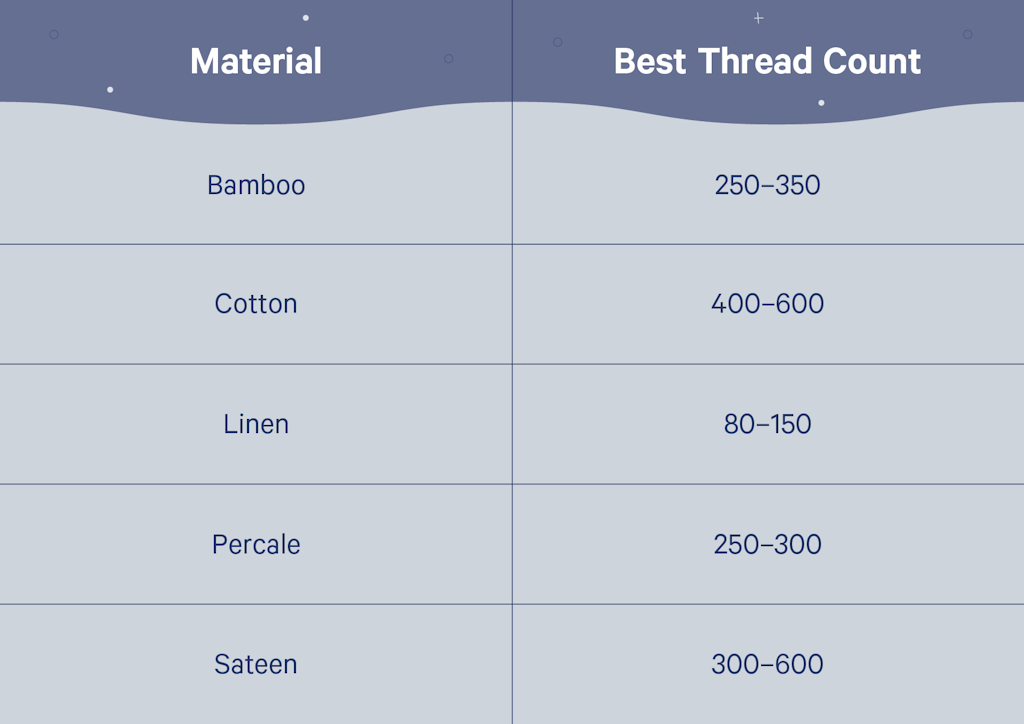
For most people, a thread count between 300 and 500 is ideal for cotton sheets. Sheets in this range are usually soft, strong, and allow air to flow, so you don’t get too hot at night.
Credit: casper.com
How Thread Count Affects Comfort
The main things you feel when you touch your sheets—softness, smoothness, and how cool or warm they are—are influenced by thread count, but also by other factors:
- Low thread count (under 200): Sheets might feel rough and wear out faster.
- Medium thread count (200-400): Usually soft and breathable, great for most sleepers.
- High thread count (400-600): Can feel smoother and heavier. If the cotton is good quality, these sheets are luxurious.
- Very high thread count (above 600): Often less breathable, and not always softer. Sometimes these sheets are made with tricks to boost the count.
Let’s look at some examples. A 250-thread count sheet made from top-quality cotton can feel much softer than a 600-thread count sheet made from cheap cotton.
Types Of Cotton And Their Role
The type of cotton used is just as important as the thread count. Here are the main types you will see:
- Egyptian cotton: Known for extra-long fibers, Egyptian cotton sheets are soft, durable, and get better with each wash.
- Pima cotton (including Supima): Also made from long fibers, Pima cotton is smooth, strong, and resists pilling.
- Upland cotton: This is the most common type, found in many affordable sheets. The fibers are shorter, so sheets may not be as soft or long-lasting.
High-quality cotton can make a big difference even at lower thread counts. For example, a 350-thread count Egyptian cotton sheet usually feels better and lasts longer than a 500-thread count upland cotton sheet.
Weave Styles: Percale Vs. Sateen
The weave is how the threads are put together. The two most popular weaves for cotton sheets are percale and sateen.
- Percale: A simple criss-cross weave. Percale sheets are crisp, cool, and matte. They are great if you get hot at night. Most percale sheets have a thread count between 200 and 400.
- Sateen: Uses more threads on the surface, giving a silky, smooth feel with a slight shine. Sateen sheets usually have a higher thread count, often from 300 to 600. They feel warmer and heavier.
Here’s a quick comparison:
| Weave Type | Feel | Best Thread Count Range | Best For |
|---|---|---|---|
| Percale | Crisp, cool, matte | 200–400 | Hot sleepers, summer |
| Sateen | Silky, smooth, slight sheen | 300–600 | Cooler sleepers, winter |
What Is A Good Thread Count For Cotton Sheets?
Most experts and bedding brands agree: a good thread count for cotton sheets is between 300 and 500. This range gives a soft, smooth feeling without making the sheets too thick or trapping heat. Here’s a more detailed breakdown:
- 200–300: Light, cool, and crisp. Feels like hotel sheets. Best for hot climates or if you sweat at night.
- 300–400: Soft, durable, and breathable. The sweet spot for most people.
- 400–500: Smoother and a bit heavier. Feels luxurious, especially in sateen.
- Above 600: Often a marketing trick. Sheets may feel heavy and less airy. Not always better.
Don’t ignore sheets with a lower thread count if they use high-quality cotton and a good weave. Some of the world’s best hotels use percale sheets with a thread count between 250 and 350.
Thread Count Myths And Marketing Tricks
Many brands push the idea that a higher thread count always means higher quality. This is not true. Some common tricks include:
- Double or triple ply: Using two or three thin threads twisted together and counting each one separately to boost the number.
- Cheap cotton: Using low-grade cotton fibers that feel rough, even at high counts.
- Added finishes: Chemical treatments to make sheets feel softer at first, but they can fade after washing.
If you see sheets with a thread count of 800, 1000, or even more, be careful. These sheets are often made with multi-ply threads or low-quality cotton. Instead, focus on the quality of the cotton and the weave.
Other Factors That Affect Sheet Quality
While thread count is important, it’s just one piece of the puzzle. Here are other things you should look for:
- Fiber length: Long-staple cotton makes stronger, softer sheets.
- Finishing: How the sheets are processed after weaving matters. Good finishing means fewer rough edges and less pilling.
- Brand reputation: Trusted brands usually offer better quality and honest descriptions.
- Care instructions: Some sheets need gentle washing. Follow the care label to keep them soft and strong.
A common mistake is ignoring care instructions. Even the best sheets can become rough if washed with harsh detergents or dried on high heat.
Credit: www.eluxury.com
Comparing Popular Thread Counts
To help you see the difference, here’s a comparison of popular thread counts and how they affect feel and performance:
| Thread Count | Softness | Breathability | Durability | Feel |
|---|---|---|---|---|
| 200 | Moderate | High | Good | Crisp, cool |
| 300 | Soft | Very high | Very good | Smooth, airy |
| 400 | Very soft | High | Excellent | Smoother, slightly heavier |
| 600 | Luxurious | Medium | Excellent | Heavy, warm |
| 800+ | Not always softer | Low | Varies | Dense, less breathable |
How To Choose The Best Cotton Sheets
Picking the right sheets can feel confusing. Here are steps to help you decide:
- Decide on feel: Do you like crisp sheets (percale) or silky sheets (sateen)?
- Check the cotton: Look for long-staple types like Egyptian or Supima.
- Pick a thread count: Stay between 300 and 500 for the best mix of comfort and durability.
- Read reviews: See what other buyers say about softness, pilling, and durability.
- Check the return policy: If you’re unsure, make sure you can return or exchange them.
Two Insights Most Beginners Miss
- The type of cotton often matters more than thread count. Long-staple cotton gives a better feel and lasts longer.
- Breathability drops at very high thread counts. Sheets above 600 can trap heat and feel less comfortable, especially in warm climates.
Common Mistakes When Buying Sheets
- Choosing only by thread count. Instead, check cotton quality and weave.
- Ignoring the weave type. Some people dislike the heavier feel of sateen, while others want that silky touch.
- Not reading care instructions. Some sheets shrink or lose softness if washed the wrong way.
Credit: comfortbeddings.in
How To Care For Cotton Sheets
To keep your sheets soft and strong for years:
- Wash in cold or warm water, not hot.
- Use gentle, mild detergent.
- Avoid bleach and fabric softeners; they can damage fibers.
- Dry on low heat or hang dry.
- Iron on low if you like a smooth look.
If you notice your sheets feel rough after washing, try adding a cup of white vinegar to the rinse cycle—this can help remove detergent residue.
The Real Value Of A Good Thread Count
A good thread count is not just about a number. It’s about balance. Between 300 and 500, with high-quality cotton and the right weave, you get comfort, breathability, and long life. Don’t be fooled by huge numbers or low prices.
Invest in quality cotton and you’ll feel the difference every night.
If you want to see more details about the science behind thread count, you can check this resource from the New York Times Wirecutter.
Frequently Asked Questions
What Is The Best Thread Count For Cotton Sheets?
For most people, 300 to 500 is the best thread count for cotton sheets. This range gives you softness, strength, and breathability. Sheets below 300 may feel rough, while those above 600 are often less comfortable.
Are Higher Thread Count Sheets Always Better?
No, higher thread count does not always mean better quality. Sometimes, brands use tricks to make the number higher without improving the sheet. Focus on the type of cotton and weave instead.
Does The Type Of Cotton Matter More Than Thread Count?
Yes, the type of cotton is very important. Long-staple cottons like Egyptian or Supima are softer and last longer than cheaper types, even at lower thread counts.
What Is The Difference Between Percale And Sateen Sheets?
Percale sheets are crisp, cool, and matte, with a lower thread count. Sateen sheets are silky, smooth, and a bit shiny, usually with a higher thread count. Choose based on how you want your bed to feel.
How Do I Make My Cotton Sheets Last Longer?
Wash in cold or warm water, use mild detergent, avoid bleach, and dry on low heat. Following care instructions helps keep your sheets soft and strong.
With this knowledge, you can confidently choose cotton sheets that are perfect for your comfort, style, and budget. A good night’s sleep truly starts with the right sheets.