
There’s a quiet revolution happening in bedrooms across the world, and it’s not about fancy duvets or high-thread-count sheets. People everywhere are talking about pillowcases—specifically, whether satin or silk pillowcases are better for sleep, skin, and hair. This may sound like a small detail, but the fabric touching your face for eight hours a night can have surprising effects. Many are switching to these smooth pillowcases, hoping for better hair days and fewer wrinkles. But which material truly delivers? Let’s dive deep into satin vs silk pillowcases, so you can make a smart choice for your sleep and beauty routine.
What Are Satin And Silk Pillowcases?
Satin and silk are both known for their soft, smooth feel. However, they are not the same thing. The main difference is in their origin and how they are made.
Silk is a natural fiber. It comes from the cocoons of silkworms, mostly in China and India. The fabric is woven from these long, fine threads. Silk has a luxurious shine and feels cool against the skin.
Satin, on the other hand, is not a fiber. It’s a type of weave that creates a glossy surface and a dull back. Satin can be made from silk, but most modern satin pillowcases use synthetic fibers like polyester or nylon. This makes satin less expensive and easier to find.
So, while all silk can be satin, not all satin is silk. This is a key point many people miss when shopping for pillowcases.
Benefits Of Silk Pillowcases
Choosing a silk pillowcase is more than just a luxury—there are real benefits for your skin, hair, and sleep quality.
1. Gentle On Skin
Silk is naturally smooth and has less friction than cotton or many synthetic fabrics. This means less tugging on your skin during the night. Over time, this can help reduce the appearance of sleep lines and wrinkles.
2. Good For Sensitive Skin
Silk is hypoallergenic and resists dust mites, mold, and other allergens. If you have allergies or sensitive skin, silk can be a better choice. Some people with eczema or acne find silk less irritating than other materials.
3. Keeps Hair Smooth
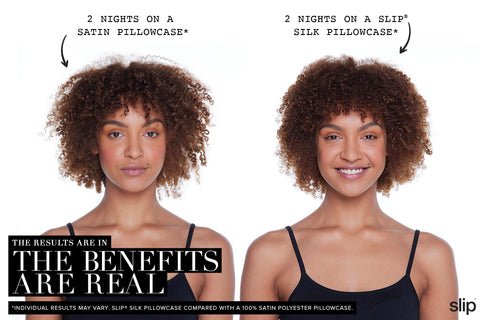
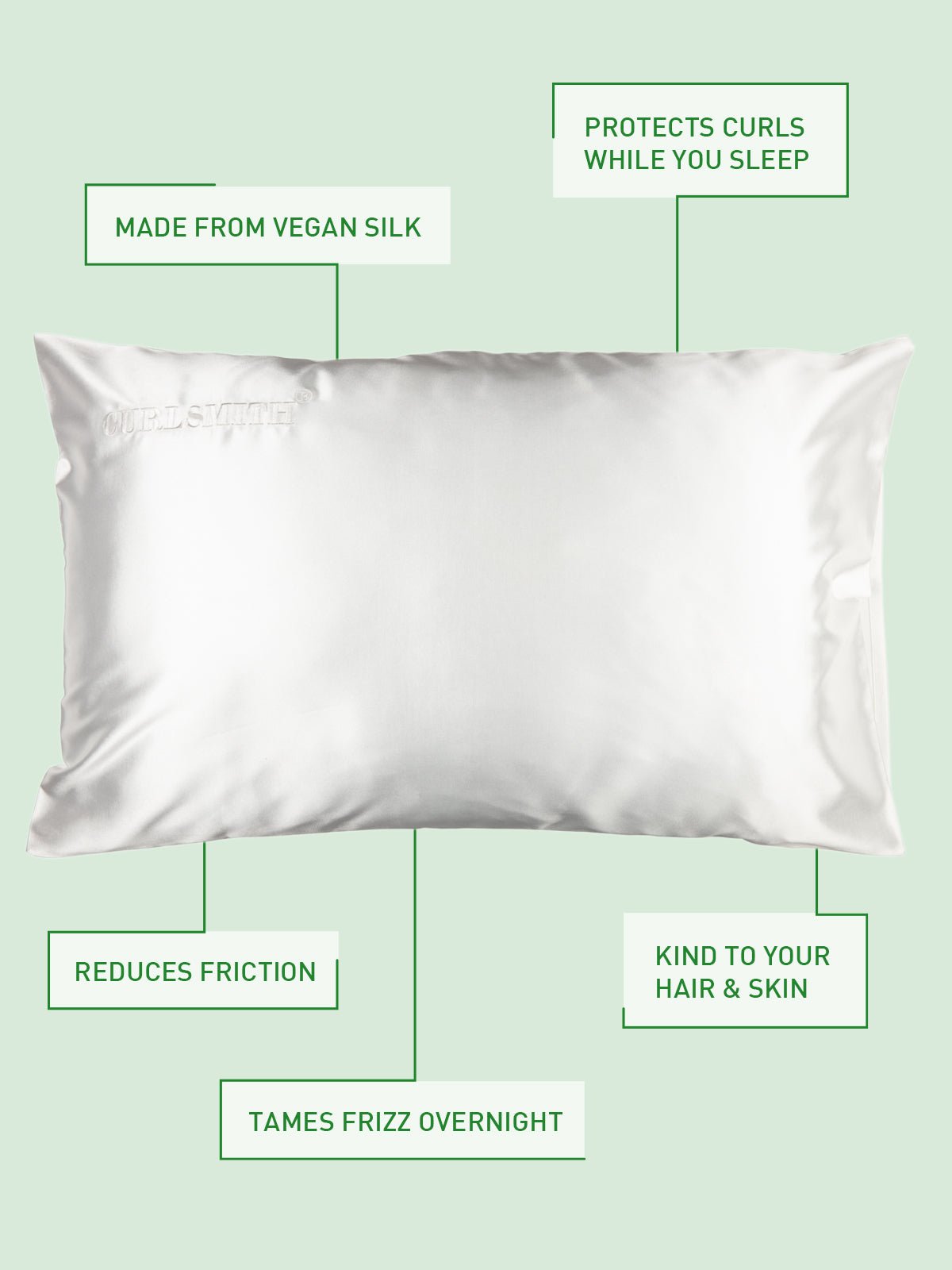
One of the biggest reasons people switch to silk pillowcases is for their hair. The smooth surface helps hair glide freely, which means fewer tangles, less breakage, and less frizz. This is especially important for people with curly, wavy, or fragile hair.
4. Moisture Retention
Silk does not absorb as much moisture from your skin and hair as cotton. This means your nighttime skincare products and natural oils stay where they belong—on your skin and hair, not on the pillow.
5. Temperature Regulation
Silk is a natural temperature regulator. It helps keep you cool in the summer and warm in the winter, making for a more comfortable sleep.
Benefits Of Satin Pillowcases
Satin pillowcases are more affordable and widely available than silk. But they also have their own unique benefits.
1. Budget-friendly
One of the main reasons people choose satin is the price. Synthetic satin pillowcases are much less expensive than pure silk. This makes them a practical choice for many households.
2. Smooth Surface
Like silk, satin has a smooth surface that reduces friction. This offers similar benefits for hair and skin, helping to prevent frizz and facial creases.
3. Easy Care
Satin pillowcases made from polyester or nylon are usually machine-washable and dry quickly. They don’t wrinkle easily, so they stay looking fresh with little effort.
4. Vegan-friendly
Since most satin pillowcases are made from synthetic fibers, they are a cruelty-free option for people who avoid animal products.
5. Color Variety
Satin is available in a wide range of colors and patterns. If you like to change your bedding style often, satin offers more options.
Key Differences: Satin Vs Silk Pillowcases
While both offer a silky feel, there are important differences between the two. Here is a side-by-side comparison to help you see the main contrasts:
| Feature | Silk Pillowcase | Satin Pillowcase |
|---|---|---|
| Material | Natural (silkworm fiber) | Synthetic (usually polyester, nylon) |
| Feel | Soft, cool, luxurious | Smooth, slippery |
| Allergy-Friendly | Hypoallergenic | Less hypoallergenic |
| Price | Expensive | Affordable |
| Care | Hand wash or gentle machine wash | Easy machine wash |
| Eco-Friendliness | Biodegradable | Not biodegradable |
| Vegan | No | Yes |
Understanding these differences helps you decide which is best for your lifestyle and values.
Impact On Hair Health
Many people first hear about satin and silk pillowcases from beauty experts or hairdressers. There’s good reason for that. The smooth surfaces of both materials can help keep your hair looking its best.
Silk For Hair
Silk is famous for its ability to reduce hair breakage. When you move your head at night, regular cotton pillowcases can create friction. This friction can pull at your hair, leading to split ends and breakage. Silk lets hair glide smoothly, making it a top choice for those with curly, textured, or fragile hair.
Satin For Hair
Satin offers similar benefits, especially when compared to cotton. It’s a good option for anyone looking to reduce frizz or tangles. While some people say silk is slightly better for hair, the difference is often small for most hair types.
A Hidden Tip
Here’s something many beginners miss: Your pillowcase isn’t a magic solution. If you go to bed with wet hair or use harsh shampoos, even the best pillowcase won’t stop all damage. But combining good hair care with a satin or silk pillowcase can make a real difference over time.
Impact On Skin Health
Your pillowcase is in direct contact with your face for hours each night. That’s why the right fabric can help keep your skin healthy.
Silk For Skin
Silk’s smoothness means less stretching and pulling on your skin. This can help slow down the appearance of wrinkles. Because silk doesn’t absorb as much moisture, your skin stays more hydrated. People with acne, eczema, or sensitive skin often find silk gentler than other fabrics.
Satin For Skin
Satin is also smooth, so it can help prevent sleep lines and facial creases. However, satin made from synthetic fibers can sometimes trap heat or oils, which isn’t ideal for people with very sensitive or acne-prone skin. Still, most people notice fewer lines and less irritation than with rougher fabrics like cotton.
A Non-obvious Insight
Here’s what many don’t realize: Cleanliness matters more than material. No matter which pillowcase you choose, washing it regularly—at least once a week—will do more for your skin than any fabric alone.
Credit: www.slip.com
Durability And Care
How you care for your pillowcase affects how long it lasts and how it feels.
Silk Pillowcase Care
Silk is delicate. It’s best to hand wash or use a gentle cycle with cold water. Never use bleach. Air drying is recommended to keep the fibers strong. Direct sunlight can cause silk to fade.
Satin Pillowcase Care
Satin, especially polyester satin, is much easier to care for. Most can go in a regular machine wash and even tumble dry on low. They resist wrinkles and dry quickly.
Durability Comparison
Let’s look at how long each type usually lasts:
| Type | Average Lifespan (with proper care) | Care Difficulty |
|---|---|---|
| Silk Pillowcase | 12-18 months | High |
| Satin Pillowcase | 18-36 months | Low |
As you can see, satin usually lasts longer because it’s less fragile and easier to clean.
Environmental Impact
For those who care about the planet, the choice between satin and silk matters.
Silk
Silk is biodegradable and comes from a natural source. However, producing silk can use a lot of water and energy, and involves silkworms, so it’s not vegan.
Satin
Most satin is made from petroleum-based fibers like polyester. These are not biodegradable and can contribute to microplastic pollution. However, satin is cruelty-free and vegan-friendly.
Sustainability Insights
One non-obvious tip: If you want silk but care about animal welfare, look for peace silk (also called Ahimsa silk), made without killing silkworms. For satin, some brands now use recycled polyester, which is slightly better for the environment.
Credit: jasmisilk.com
Cost Comparison
Price is often a deciding factor. Here’s how the two stack up:
| Type | Average Price (per pillowcase) | Availability |
|---|---|---|
| Silk Pillowcase | $40-$100 | Specialty stores, online |
| Satin Pillowcase | $8-$25 | Most bedding stores, online |
Silk is a luxury product, while satin fits most budgets.
Which Should You Choose?
So, should you pick a satin or silk pillowcase for sleep? The answer depends on your needs, values, and budget.
- Choose silk if you want the most natural, hypoallergenic option and are willing to invest in care and higher cost.
- Choose satin if you want a smooth, affordable, and easy-care pillowcase, or if you prefer vegan products.
Both can help your hair and skin, but silk offers extra benefits for those with allergies or sensitive skin. Satin wins on price and convenience.
If you’re still unsure, try starting with an affordable satin pillowcase to see if you notice a difference. If you love the feel, you can always upgrade to silk later.
Credit: uk.curlsmith.com
Frequently Asked Questions
What Is The Main Difference Between Satin And Silk Pillowcases?
The main difference is that silk is a natural fiber from silkworms, while satin is a type of weave usually made from synthetic materials like polyester. Silk is more luxurious and hypoallergenic, but satin is more affordable and easier to care for.
Are Satin Pillowcases As Good As Silk For Hair?
Both are better than cotton for reducing hair breakage and frizz. Silk is slightly better for very sensitive or fragile hair, but satin provides similar benefits at a lower price.
Can People With Allergies Use Silk Or Satin Pillowcases?
Silk is naturally hypoallergenic and resists dust mites and mold, making it a top choice for allergy sufferers. Satin is usually safe but may not provide the same level of allergy protection as silk.
How Should I Wash My Silk Or Satin Pillowcase?
Silk should be hand washed or cleaned on a gentle cycle in cold water, then air-dried. Satin pillowcases, especially those made from polyester, can usually be machine washed and dried on low heat.
Where Can I Find More Information About Silk And Satin Pillowcase Benefits?
You can find more details on reputable health and bedding sites, such as this Wikipedia article on pillowcases.
Making the right choice between satin and silk pillowcases can lead to better sleep, healthier skin, and smoother hair. Take a closer look at your needs, and you’ll find the best fabric for your nightly rest.