
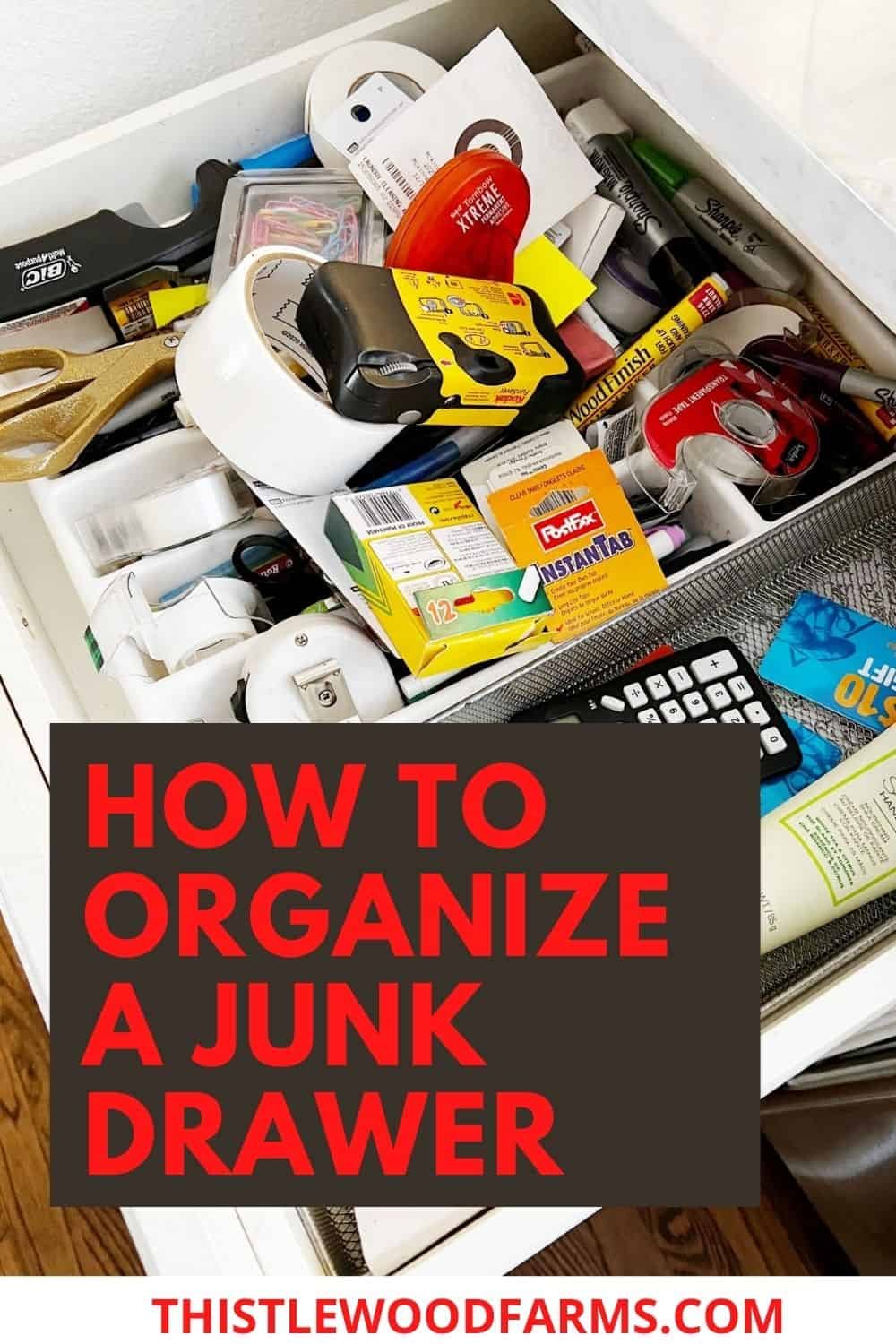
A junk drawer is a common part of most homes. It’s the place where you put all those small, random things you don’t know where else to put—batteries, pens, rubber bands, chargers, scissors, and even old receipts. Over time, this drawer turns into a cluttered mess that’s hard to open, let alone use.
If you’ve ever wasted ten minutes looking for a single paperclip, you know how frustrating a messy junk drawer can be. But organizing it is not as hard as it seems, and the results make daily life smoother and less stressful.
Whether your drawer is in the kitchen, bedroom, or office, a little planning and a few smart steps will help you turn chaos into order.
Why Organize Your Junk Drawer?
A clean junk drawer is more than just nice to look at—it saves time, reduces stress, and helps you keep track of what you own. Studies show that clutter increases anxiety and can even affect your ability to focus. An organized space makes it easier to find what you need when you need it, instead of digging through a tangle of mystery objects. You might even save money—many people buy duplicates because they can’t find what they already have. With a neat junk drawer, you’ll know exactly where everything is, so you can stop wasting time and money.
Step 1: Empty The Drawer Completely
Start by removing everything from your junk drawer. Don’t just take out the top layer—pull out every single item. Place everything on a table or countertop so you can see what you have. This step is important because it forces you to confront the full contents of the drawer.
You may be surprised by how much is hiding in there. Take out any drawer liners or organizers as well, so you’re left with an empty space. Wipe down the inside of the drawer with a damp cloth to remove dust, crumbs, or sticky spots.
Step 2: Sort And Group Items
Once everything is out, sort items into categories. Group similar things together—pens with pens, batteries with batteries, all the keys in one pile, and so on. If you’re not sure what something is, set it aside for now. You might find some items that don’t belong in a junk drawer at all, like kitchen utensils or tools that should go somewhere else. Sorting helps you see what you have, how many duplicates there are, and what needs to stay or go.
Step 3: Declutter And Decide What To Keep
Now it’s time to make choices. Go through each pile and decide if the item is useful or just taking up space. Ask yourself:
- Do I use this often?
- Is it broken, expired, or missing pieces?
- Do I have too many of this item?
Throw away anything broken or unusable. Donate or recycle items that are in good shape but you don’t need. Keep only what you actually use or might need in an emergency. Be honest—keeping old receipts, dead batteries, or dried-up pens only adds to the mess.
This is also a good time to check batteries, test pens, and see if chargers work.
Credit: thistlewoodfarms.com
Step 4: Clean The Drawer And Add Liners
With the drawer empty, take a moment to clean it thoroughly. A clean drawer will help your organizing system last longer. If you want, add a non-slip liner at the bottom. Liners protect the drawer from spills, make it easier to clean next time, and can even help items stay in place.
Step 5: Choose The Right Organizers
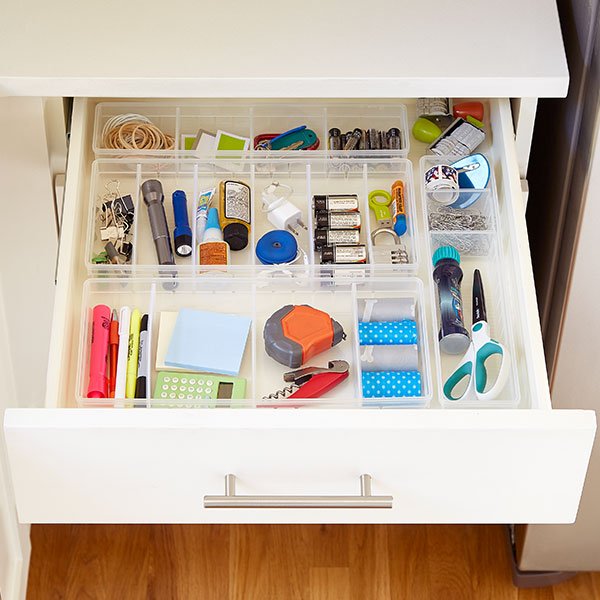
Not all junk drawers are the same, so the right organizers depend on your needs and the size of your drawer. Simple trays, small boxes, or adjustable dividers work well. You can buy plastic or bamboo organizers at most home stores, or repurpose things you already have, like small containers, muffin tins, or even empty food boxes cut to size. The main goal is to keep items separated and easy to see.
Here’s a quick comparison of common organizer options:
| Type | Best For | Pros | Cons |
|---|---|---|---|
| Plastic Trays | Office supplies, small tools | Cheap, easy to clean | May slide around |
| Bamboo Dividers | Cutlery, gadgets | Eco-friendly, stylish | Can be costly |
| DIY Boxes | Mixed items | Free, custom sizes | Less durable |
| Adjustable Inserts | Changing needs | Flexible, fits most drawers | More expensive |
Before buying anything, measure the inside of your drawer. This will help you choose organizers that actually fit and make the best use of space.
Credit: www.containerstore.com
Step 6: Assign A Home For Each Category
Give each group of items its own spot in the drawer. For example, keep all the pens and pencils together in one section, batteries in another, and so on. This makes it much easier to find things later. If there’s space, label each section—labels are a simple way to remind everyone in your household where things go.
Consider the items you use most often and place them towards the front for easy access.
Step 7: Store Bulky Or Rarely Used Items Elsewhere
Not everything needs to live in the junk drawer. Bulky items like flashlights, large tools, or extra chargers can take up too much space. If you use something only once or twice a year, like a tape measure or holiday batteries, consider moving it to a more appropriate storage spot.
This frees up room for the things you reach for regularly.
Step 8: Keep Similar Items Together
It’s tempting to just toss things in wherever they fit, but keeping like items together makes it much easier to find what you need. For example, keep all your chargers and cables in one section, and use twist ties or small zip bags to keep them from tangling. Store rubber bands, paper clips, and push pins in small containers or even empty mint tins. Grouping items this way means you’ll never have to dig through a mess to find one small object.
Step 9: Use Vertical Space
Most people only use the bottom of the drawer, but you can also use vertical organizers for certain items. Stackable trays or containers can double your storage. You can also use small jars or cups for things like pens, scissors, or screwdrivers that stand upright. This method is especially useful in deeper drawers.
Credit: www.containerstore.com
Step 10: Limit What Goes Back In
As you put items back, be selective. Only return the things that truly belong in the junk drawer and that you use often. If you find yourself with too many of the same thing—like ten pairs of scissors—choose the best ones and donate or relocate the extras.
This is a key step that many people skip, but it’s essential for keeping the drawer neat long-term.
Step 11: Label Sections For Easy Maintenance
Labels help everyone in the family know where things belong. You can use a label maker, masking tape, or even sticky notes. Labeling makes it more likely that the drawer will stay organized. It’s especially helpful for kids or guests who may not know your system yet.
Step 12: Create A Maintenance Routine
A junk drawer won’t stay organized on its own. Plan to clean it out every 3-6 months. This doesn’t have to take long—just a few minutes to remove trash, put things back in their spots, and see if anything needs to be replaced. Set a reminder on your phone or tie it to another regular task, like paying bills or cleaning the kitchen.
Step 13: Prevent Clutter From Returning
The best way to keep your drawer neat is to be careful about what you put in it. Before adding something new, ask yourself if it really belongs there. If not, find a better home for it. Teach family members the system so everyone can help maintain it.
If the drawer starts to get messy, don’t wait—spend a minute or two fixing it before the mess gets out of control.
Common Mistakes To Avoid
Many people make the same mistakes when organizing a junk drawer. Here are some to watch out for:
- Not measuring the drawer before buying organizers. This can lead to wasted money and ill-fitting trays.
- Overfilling the drawer. Even the best system fails if you try to cram in too much.
- Ignoring maintenance. Organization is not a one-time job.
- Keeping too many duplicates. You rarely need ten pens or four bottle openers.
- Storing things that don’t belong. Tools, kitchen utensils, or mail may be better elsewhere.
Non-obvious Tips For A Better Junk Drawer
Some tricks aren’t obvious to beginners but make a huge difference:
- Color-code your organizers. Use different colored trays or liners for different item types. This makes it faster to spot what you need.
- Add a mini notepad and pen. This is handy for quick notes, lists, or phone messages. Most people forget how useful this can be.
- Use clear containers. When you can see what’s inside, you won’t have to open every box to find a small item.
- Dedicate a “one-in, one-out” rule. For every new item added, remove one you no longer need. This keeps clutter in check.
Example: Before And After
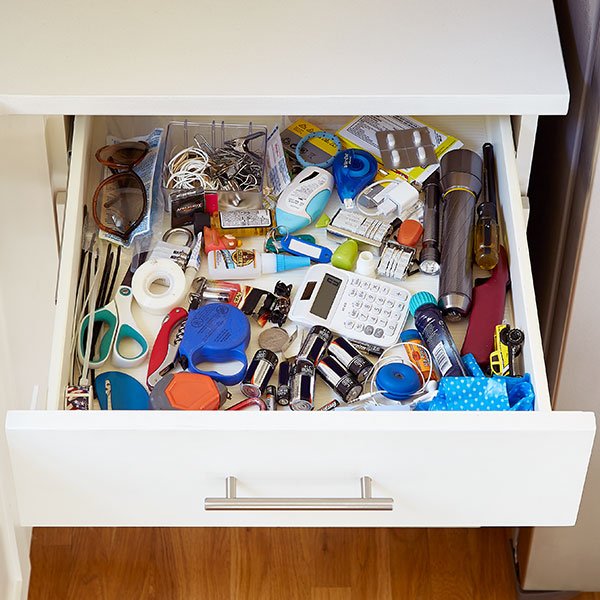
Let’s look at a real-world example. Imagine a drawer filled with random items: old receipts, half-used batteries, tangled cords, and dried-out pens. After following the steps above, it now contains:
- Pens, markers, and pencils in a small tray
- Batteries grouped by type in a labeled container
- Cords and chargers in a zip bag
- Rubber bands and paper clips in mini boxes
- Only useful, working items—no trash or mystery objects
Here’s a simple comparison:
| Before | After |
|---|---|
| – Tangled cords – Old receipts – Broken pens – Random junk | – Grouped, working items – Labeled sections – Clean drawer – Easy to find everything |
Benefits Of A Tidy Junk Drawer
The results of organizing your junk drawer go beyond just looking neat. You’ll save time searching for things, reduce stress, and avoid buying extras. According to a study by the National Association of Productivity & Organizing Professionals, organized homes reduce time spent looking for items by 40%. You’ll also feel more in control of your space, which can improve your mood and productivity.
Frequently Asked Questions
How Often Should I Reorganize My Junk Drawer?
Aim to tidy your junk drawer every 3-6 months. This keeps clutter from building up and helps you spot items that no longer belong.
What Should Never Go In A Junk Drawer?
Avoid putting food, important documents, sharp objects, or anything that can leak or cause damage. Keep the drawer for safe, everyday items.
How Do I Keep Cords And Chargers Organized?
Use small zip bags or cable ties to keep cords from tangling. Store them in a dedicated section or container within the drawer.
Can I Use Things I Already Have As Organizers?
Yes, repurpose small boxes, jars, or tins for grouping items. You don’t have to buy new organizers unless you want to.
Where Can I Find More Tips On Home Organization?
For more expert advice, visit Good Housekeeping’s organizing tips.
An organized junk drawer may seem like a small win, but it can have a big impact on your daily life. With a bit of effort and the right system, you’ll turn your junk drawer into a helpful, stress-free space that actually works for you.
