
A bright room feels more alive, welcoming, and spacious. But not every space gets enough sunlight, and sometimes even large windows can’t make a room look as bright as you want. The good news: with the right lighting strategies, you can make any room feel lighter, fresher, and more open. Many people think just adding more lamps will solve the problem, but that’s only part of the solution. The way you choose, position, and use lights has a huge impact—sometimes more than paint or furniture. In this guide, you’ll discover practical, easy-to-follow ways to use lighting to transform a dark space. Even if you know little about interior design, you’ll find simple tips, common mistakes to avoid, and examples to help you make the right choices.
Understanding Light In A Room
Before you buy more lamps, it helps to know how light works in a room. There are three main types:
- Ambient lighting: The main source—overhead lights or ceiling fixtures.
- Task lighting: Focused lights for activities like reading or cooking.
- Accent lighting: Highlights objects or areas, like artwork or shelves.
Most rooms need a mix of all three. Relying on just one type often leaves corners dark or creates shadows. Think of it like layers—blending different lights makes the whole space brighter.
Why Natural And Artificial Light Matter
Natural light changes during the day. North-facing rooms, for example, often feel cooler and dimmer. Artificial light fills in the gaps, but it can look harsh if not chosen well. The secret is to balance both for a clean, bright look.
Choosing The Right Bulbs
Not all bulbs are the same. The bulb type you pick affects brightness, color, and even your mood.
Comparing Bulb Types
Here’s a quick look at the most common bulb types for home lighting:
| Type | Brightness (Lumens) | Energy Use (Watts) | Lifespan (Hours) | Color Options |
|---|---|---|---|---|
| LED | 450–2600 | 4–22 | 15,000–25,000 | Warm to Cool |
| CFL | 400–2600 | 8–23 | 8,000–15,000 | Mostly Cool |
| Halogen | 400–2600 | 29–72 | 1,000–2,000 | Warm |
| Incandescent | 400–2600 | 40–100 | 1,000 | Warm |
LED bulbs are usually the best choice for brightening a room. They use less energy, last much longer, and come in many color temperatures.
Color Temperature Makes A Difference
Color temperature is measured in Kelvin (K). Lower numbers (2700K) are warm and yellowish, while higher numbers (4000K–6500K) are cool and white or blue.
For a brighter look, choose bulbs labeled “cool white” (4000K–5000K) or “daylight” (5000K–6500K). Warm bulbs feel cozy but can make a room look dim.
Lumen Output
Forget “watts” when shopping for bulbs. Instead, look at lumens—this measures how much light you get. A small bedroom needs at least 1000–2000 lumens overall, while a large living room may need 3000–4000 lumens.
Layering Light For Maximum Brightness
One of the most common mistakes is using just a ceiling fixture. This creates shadows and leaves areas feeling flat. Layering your lighting means using more than one source.
How To Layer Lights
- Start with ambient lighting: Ceiling lights, chandeliers, or recessed fixtures.
- Add task lighting: Table lamps, under-cabinet strips, or desk lamps where you read or work.
- Use accent lights: Wall sconces, picture lights, or LED strips to highlight shelves or corners.
This combination removes shadows and spreads brightness evenly. For example, in a living room, use a ceiling light, floor lamp near the sofa, and a wall sconce or LED behind the TV.
Placement Tips
- Place lamps in opposite corners to bounce light across the room.
- Use uplights (lamps that shine upward) to make ceilings look higher and reflect light down.
- In narrow rooms, put lights along the walls to make the space feel wider.
Using Mirrors And Reflective Surfaces
Mirrors are powerful tools for making rooms brighter. They reflect both natural and artificial light, doubling the effect.
Where To Place Mirrors
- Across from a window: Bounces sunlight deeper into the room.
- Behind lamps: Doubles the lamp’s output and spreads it further.
- On dark walls: Lightens the overall feel.
Don’t overdo it—one or two well-placed mirrors work better than covering a wall. For even more effect, use reflective surfaces like glass tables, glossy tiles, or metallic finishes.
Choosing Light-colored Decor
Lighting is not just about fixtures and bulbs. Dark furniture, rugs, and walls absorb light, making even strong lights feel weak.
Simple Changes To Boost Brightness
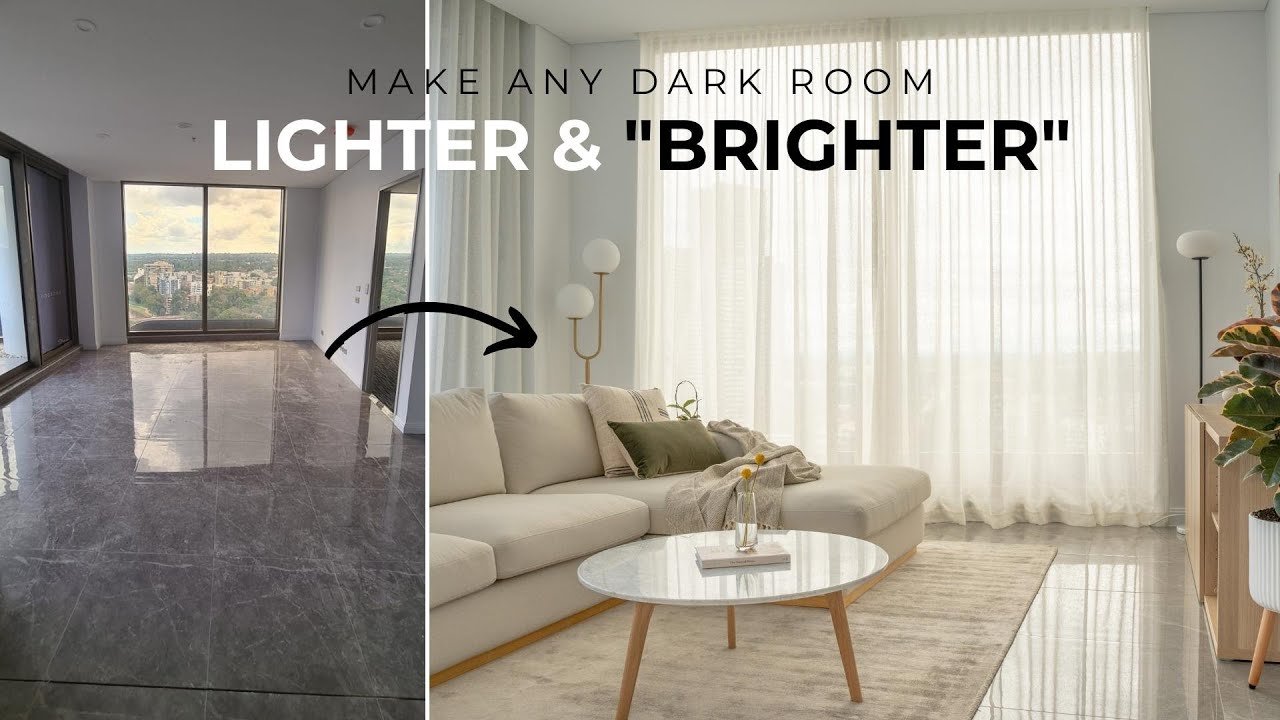
- Replace dark curtains with sheer or light fabrics.
- Use rugs in pale colors.
- Add light-colored cushions or throws to sofas.
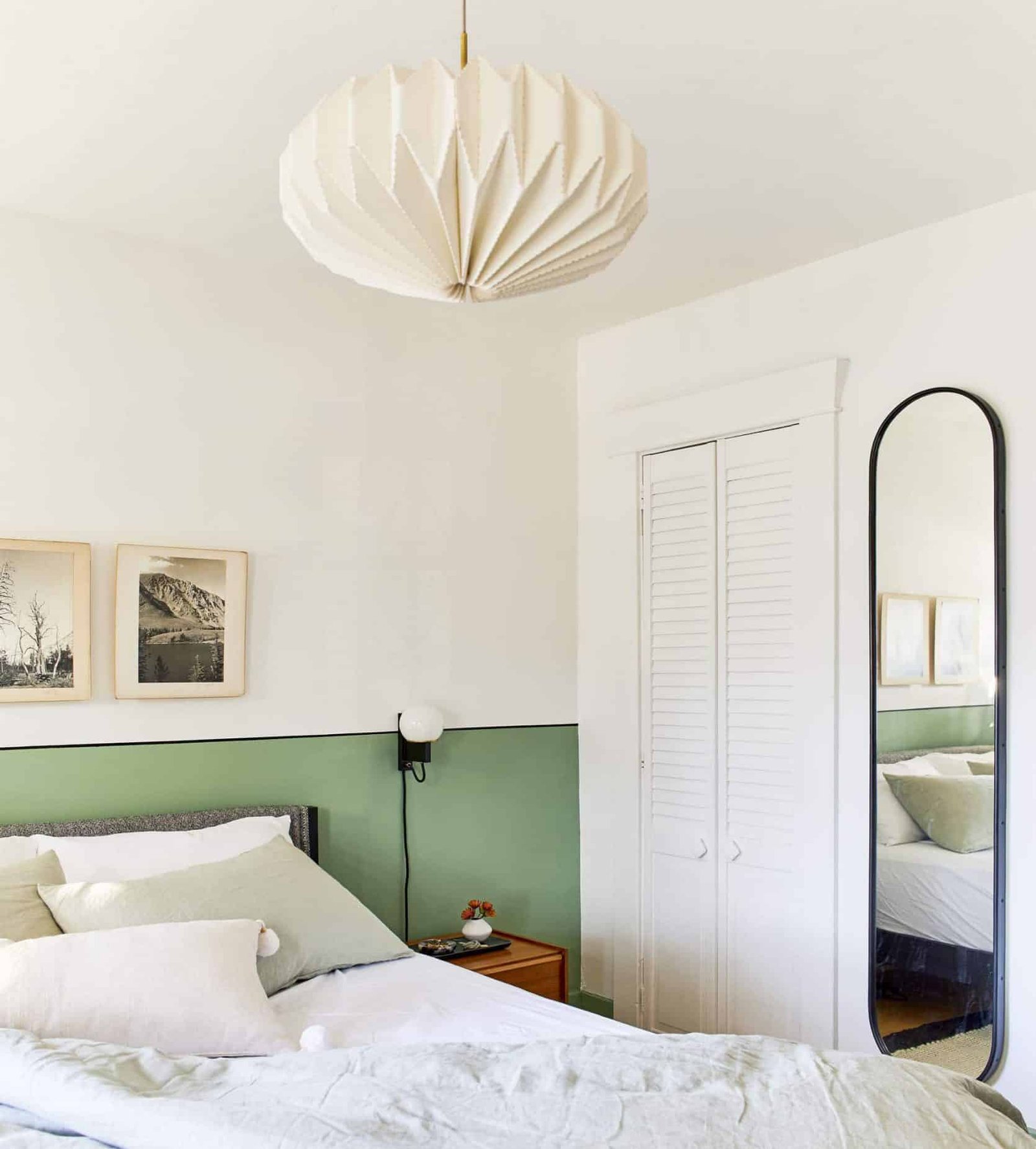
- Paint walls in white, cream, or pastel shades.
Even swapping a dark lampshade for a white one can make a noticeable difference. Remember, every light color helps reflect more light.
Window Treatments And Maximizing Daylight
If you have windows, use them! Often, heavy or dark curtains block precious sunlight.
Tips For More Natural Light
- Hang curtains above and wider than the window so they don’t cover glass when open.
- Choose sheer or semi-sheer curtains for privacy without darkness.
- Keep window sills clear of clutter.
- Clean windows often—dust and dirt block light.
If privacy is a concern, try frosted window film instead of thick drapes.
Smart Lighting Controls
Using smart bulbs and dimmers gives you more control. You can adjust brightness for the time of day or activity.
Benefits Of Smart Lighting
- Set schedules: Brighter in the morning, softer at night.
- Use voice control or phone apps.
- Change color temperature on demand.
Some systems even adjust automatically as daylight changes, keeping your room bright without effort.
Lighting Fixtures That Make A Big Impact
The style of fixture you choose changes how light spreads. Some fixtures direct light up, some down, and some all around.
Comparing Fixture Types
| Fixture Type | Light Spread | Best Use |
|---|---|---|
| Chandelier | All directions | Large rooms, dining areas |
| Pendant Light | Downward | Above tables, kitchen islands |
| Flush Mount | Wide, even spread | Bedrooms, hallways |
| Wall Sconce | Up or down | Accent lighting, hallways |
| Floor/Table Lamp | Spot or wide area | Living rooms, reading corners |
| Track/Spotlight | Adjustable | Highlight art or workspaces |
Flush mounts and chandeliers often give the most even light for main areas. Use adjustable spotlights to highlight dark corners.
Underappreciated Tricks For A Brighter Room
Some methods are rarely mentioned but work wonders:
- Use LED strips under shelves, cabinets, or behind the TV. They add invisible brightness and can be hidden easily.
- Paint the ceiling white or very light. Ceilings reflect a lot of light; a dark ceiling eats it up.
- Open shelving instead of closed cabinets in kitchens or living rooms lets light flow through.
Common Mistakes To Avoid
Many people make small errors that keep rooms looking dim:
- Using too few light sources. One fixture is rarely enough.
- Choosing the wrong bulb color. Warm bulbs can make a room yellowish and dull.
- Blocking windows with furniture or decor.
- Not cleaning light fixtures. Dust can cut brightness by 20% or more.
- Oversized lampshades. Thick or dark shades block light—pick white or pale shades instead.
Credit: www.youtube.com
Real-life Examples
- A windowless bathroom with white tiles, a large wall mirror, and LED strip under the vanity looks much brighter than one with dark paint and a single ceiling bulb.
- A small bedroom with a central flush mount, two wall sconces, and a floor lamp in the corner feels brighter than one with only a ceiling fan light.
- In an open-plan kitchen, swapping dark pendant shades for glass ones and adding under-cabinet LEDs made the space feel twice as bright.
How Lighting Impacts Mood And Health
Bright rooms are not just about style. Good lighting can:
- Reduce eye strain and headaches.
- Improve focus and energy during the day.
- Help regulate sleep by mimicking natural daylight.
For more about how lighting affects health, see this Harvard Health resource.
Credit: stylebyemilyhenderson.com
Quick Comparison: Before And After Lighting Upgrades
To show the impact, here’s a comparison of a typical dark room and after upgrading the lighting plan:
| Feature | Before | After |
|---|---|---|
| Main Light | Single ceiling fixture | Ceiling + floor lamp + wall sconces |
| Bulb Type | Warm incandescent | Cool white LEDs |
| Decor | Dark curtains, rug | Sheer curtains, pale rug |
| Mirrors | None | Large mirror opposite window |
| Overall Brightness | Dull, shadowy | Even, inviting |
Frequently Asked Questions
What Is The Best Light Bulb For Making A Room Look Brighter?
LED bulbs in the cool white (4000K–5000K) or daylight (5000K–6500K) range offer the brightest, clearest light. They also save energy and last longer than other types.
How Many Light Sources Does A Typical Room Need?
Most rooms need at least three sources: a main ceiling light, a task lamp, and an accent light. Larger rooms may need more to avoid shadows and dark spots.
Will Painting My Walls White Make The Room Look Brighter?
Yes, white and light colors reflect more light, making any lighting setup more effective. Even off-white or pale colors help if you want warmth without losing brightness.
Should I Use Dimmers If I Want A Bright Room?
Dimmers are useful because they let you adjust brightness for different times or activities. Set lights to maximum during the day, and lower them in the evening for a cozy feel.
Do Mirrors Really Help Brighten A Room?
Yes, mirrors reflect both natural and artificial light, often doubling the brightness in a space. Place them across from windows or behind lamps for best results.
A bright room can change how you feel and use your space. By combining the right bulbs, layering your lights, reflecting with mirrors, and choosing light decor, you can transform even the darkest rooms. Start small—try swapping a lampshade or moving a lamp—and you’ll see big changes. Don’t be afraid to experiment, and remember: the best lighting setup is the one that makes you feel comfortable and happy in your home.
Credit: stylebyemilyhenderson.com