
Beeswax Wrap Vs Plastic Wrap Comparison
Choosing the right food wrap can make a big difference in your kitchen and for the planet. Many people are now looking for alternatives to plastic, and beeswax wraps are becoming a popular choice. But are they really better than the classic plastic wrap? This article breaks down the differences, benefits, and drawbacks of both options, so you can decide what works best for your needs. Whether you want to reduce waste or just keep your food fresh, you’ll find clear answers here.
What Are Beeswax Wraps?
Beeswax wraps are reusable sheets made from cotton fabric coated with a mix of beeswax, resin, and oil (often jojoba or coconut oil). The waxy layer makes the fabric flexible and sticky, so it can be molded around food or containers. They come in different sizes and often feature colorful patterns.
These wraps are designed for storing cheese, bread, fruits, vegetables, and covering bowls. They are not suitable for raw meat or hot foods because the heat can melt the wax. With proper care, a beeswax wrap can last up to a year or more.
A surprising benefit is that beeswax has natural antibacterial properties, which can help keep food fresh. This is something many people do not realize when choosing between wraps.
What Is Plastic Wrap?
Plastic wrap (also called cling film or Saran wrap) is a thin, clear plastic film. It’s usually made from polyethylene or PVC. Plastic wrap sticks to itself and containers, making it easy to seal food and prevent air from getting in.
Plastic wrap is cheap, widely available, and works for almost any type of food, including raw meat and oily items. However, it’s meant for single use and is thrown away after each use.
What many people overlook is that different brands of plastic wrap can vary in stickiness, thickness, and even smell. Some wraps contain chemicals like phthalates or BPA, which have raised health concerns.
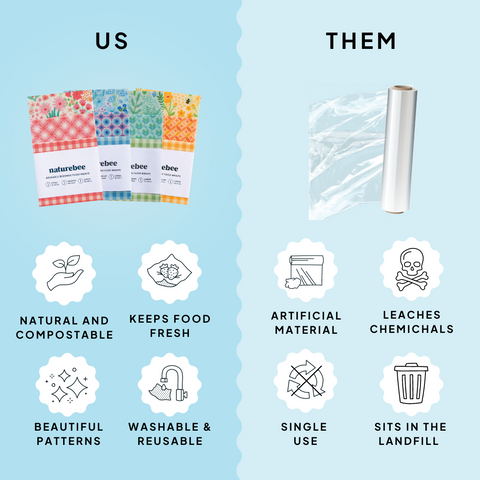
Credit: www.naturebeewraps.ca
Comparing Beeswax Wrap And Plastic Wrap: Key Factors
To understand which wrap is best, let’s look at the main factors that matter in everyday use.
1. Food Freshness And Performance
Both wraps are designed to keep food fresh by reducing air exposure.
- Plastic wrap forms a very tight seal, which helps slow down spoiling. It works well for most foods and is especially good for wet or greasy items.
- Beeswax wrap is breathable, which means it lets some air and moisture in and out. This is great for foods like bread and cheese, which can get soggy in plastic. However, it doesn’t work as well for foods that need an airtight seal.
Non-obvious insight: Beeswax wraps can sometimes keep hard cheeses from molding better than plastic, because the breathability prevents moisture build-up.
2. Reusability And Waste
This is where beeswax wraps stand out.
- Plastic wrap is single-use and creates a lot of waste. According to the Environmental Protection Agency, Americans throw away over 100 billion plastic bags and wraps each year.
- Beeswax wrap can be washed and reused many times. When it wears out, you can compost it or use it as a fire starter. This greatly reduces waste.
Practical tip: One beeswax wrap can often replace hundreds of pieces of plastic wrap during its lifetime.
3. Environmental Impact
Environmental concerns are often the main reason people look for alternatives.
- Plastic wrap is made from fossil fuels and takes hundreds of years to break down. Most is not recyclable and ends up in landfills or the ocean.
- Beeswax wrap is made from natural materials. It biodegrades in a few months and does not release toxic chemicals.
Non-obvious insight: Even the production of beeswax wrap has a much smaller carbon footprint than plastic wrap, especially if the cotton is organic.
4. Cost Over Time
The price difference can be confusing at first.
- Plastic wrap is cheap per roll, usually $2–$5 for 100–200 feet.
- Beeswax wraps cost more upfront, about $15–$20 for a pack of three wraps.
However, beeswax wraps last for up to a year or more if cared for properly. Over time, you may spend less compared to buying many rolls of plastic.
Here’s a simple cost comparison:
| Product | Typical Cost | Average Uses | Cost Per Use |
|---|---|---|---|
| Plastic Wrap | $3 per roll (200 feet) | ~100 uses | $0.03 |
| Beeswax Wrap (3-pack) | $18 | ~300 uses | $0.06 |
While beeswax wraps cost a little more per use, the environmental savings are significant.
5. Ease Of Use
- Plastic wrap is simple and familiar. It stretches, clings, and can cover almost any shape. But it can stick to itself, tear, or be hard to unroll.
- Beeswax wrap needs a little warmth from your hands to seal. It’s not as stretchy but is easy to shape around containers or food.
Common mistake: Some people try to use beeswax wrap on hot foods, which melts the wax. Always let food cool first.
6. Food Safety
- Plastic wrap is safe for most foods, but some types can contain chemicals that may leach into food, especially when heated. Avoid microwaving or wrapping fatty foods with wraps that contain plasticizers.
- Beeswax wrap is food-safe but not for raw meat or fish, as it cannot be washed in hot water. Also, those with bee allergies should avoid contact.
Non-obvious insight: If you have a bee allergy, plant-based wax wraps are available, but they do not last as long.
7. Cleaning And Maintenance
- Plastic wrap is disposable, so there’s no cleaning needed.
- Beeswax wrap should be hand-washed with cool water and mild soap. Hot water can remove the wax.
With good care, beeswax wraps can stay sticky for many months. If the wax wears off, you can refresh them by adding more beeswax at home.
8. Smell And Taste
- Plastic wrap is generally odorless. Cheap brands may have a slight chemical smell.
- Beeswax wrap has a mild honey scent at first, which usually fades after a few uses. It does not affect the taste of food.
9. Versatility
- Plastic wrap can cover anything and is heat-resistant, so you can use it in the fridge, freezer, or microwave (if labeled microwave-safe).
- Beeswax wrap is not for hot foods or the microwave. It works for most foods except raw meat, hot items, or anything very oily.
10. Appearance And Storage
- Plastic wrap is clear, so you can see your food.
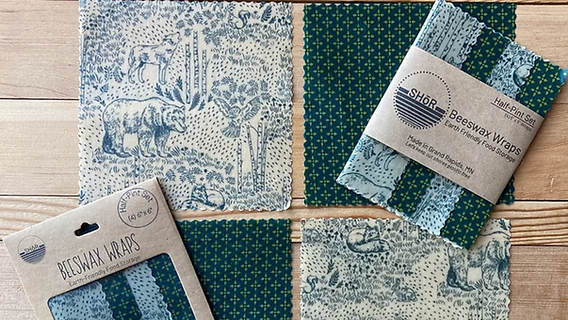
- Beeswax wraps come in many patterns and colors, adding a decorative touch to your kitchen.
Beeswax wraps can be folded or rolled for storage. Plastic wrap usually stays in a box with a cutting edge.
Real-life Examples
Let’s look at a few common kitchen tasks to see how each wrap performs.
- Wrapping a Sandwich: Beeswax wrap keeps a sandwich fresh for a few hours and is easy to open and reseal. Plastic wrap can form a tighter seal but is less reusable.
- Covering a Bowl of Soup: Plastic wrap is best because it can handle heat and forms a seal, preventing spills. Beeswax wrap is not suitable due to heat.
- Storing Cheese: Beeswax wrap works better because it lets cheese breathe, reducing mold growth. Plastic wrap can trap moisture and speed up spoilage.
- Freezing Food: Plastic wrap is better for freezing, as beeswax wrap can crack in the freezer.
Credit: www.shorproducts.com
Comparing At A Glance
Here is a quick visual summary:
| Factor | Beeswax Wrap | Plastic Wrap |
|---|---|---|
| Reusable | Yes | No |
| Compostable | Yes | No |
| Best for Hot Foods | No | Yes |
| Suitable for Raw Meat | No | Yes |
| Cost Upfront | Higher | Lower |
| Cost Over Time | Lower | Higher |
| Eco-Friendly | Yes | No |
| Variety of Sizes | Yes | Yes |
Which One Should You Choose?
The answer depends on your priorities and habits.
- Choose beeswax wrap if you want to reduce waste, care about the environment, and are willing to hand-wash your wraps.
- Choose plastic wrap if you need the cheapest, simplest option and need to wrap hot or raw foods.
Some people use both: beeswax wrap for bread, cheese, and sandwiches, and plastic wrap for the freezer or when handling raw meat. This combined approach can help you cut down on waste without giving up convenience.
Expert tip: If you switch to beeswax wrap, start with a small pack and see how you like it. Store your wraps away from heat and sunlight to make them last longer.
The Bigger Picture: Impact On The Planet
Plastic pollution is a global problem. Every piece of plastic wrap ever made still exists somewhere on the planet. Small choices, like switching to beeswax wraps, can add up if more people make the change.
A family using three beeswax wraps instead of plastic for a year can keep hundreds of feet of plastic out of landfills. If millions of families switched, the impact could be huge.
For those who want to learn more about the global effects of plastic waste, see this Wikipedia page on plastic pollution.
Frequently Asked Questions
Are Beeswax Wraps Better Than Plastic Wrap For Food Storage?
Beeswax wraps are better for some foods, like bread and cheese, because they let food breathe and reduce mold. However, plastic wrap is better for sealing wet or oily foods and for use in the freezer or microwave.
How Long Do Beeswax Wraps Last?
With proper care, beeswax wraps last about 6 months to 1 year. When they lose their stickiness, you can refresh them with more wax or compost them.
Can I Use Beeswax Wrap For Raw Meat Or Fish?
No, beeswax wraps are not recommended for raw meat or fish. They can’t be washed in hot water, which is needed to kill bacteria. Use plastic wrap for these foods.
Is Plastic Wrap Safe To Use?
Most plastic wraps sold today are safe for cold food. However, avoid using plastic wrap in the microwave unless labeled microwave-safe, and avoid wrapping fatty foods with wraps containing plasticizers.
How Do I Clean And Store Beeswax Wraps?
Wash beeswax wraps in cool water with a little mild soap. Let them air dry, then store them flat or rolled. Avoid heat, which can melt the wax.
Choosing between beeswax wrap and plastic wrap doesn’t have to be all or nothing. By understanding the strengths and limits of each, you can make smart choices for your kitchen and the environment.

Credit: ideaexchange.uakron.edu