
Mattress odor is a problem most people face at some point. Whether from sweat, spills, pets, or just daily use, your bed can slowly start to smell less than fresh. But before you reach for harsh chemicals or expensive sprays, it’s worth knowing that you can get rid of mattress odor naturally—and safely.
Natural methods are better for your health, kinder to the environment, and often just as effective as store-bought solutions.
In this guide, you’ll find clear, step-by-step advice for removing unwanted smells from your mattress using common household items. You’ll also learn why odors happen, how to prevent them, and a few advanced tips that many people miss. If you want to sleep better and breathe easier, keep reading.
Why Mattresses Smell: The Main Causes
Understanding the source of mattress odor helps you choose the right solution. Here are the most common reasons mattresses start to smell:
- Sweat and Body Oils: Over time, sweat and oils soak into mattress fibers.
- Spills and Stains: Accidents with drinks or food can cause long-lasting odors.
- Pets: If pets sleep on your bed, fur, dander, and even urine can leave smells.
- Humidity and Mold: In damp climates, moisture can lead to mold growth.
- Dust and Bacteria: Mattresses collect dust, dead skin, and bacteria, all of which can cause odors.
Most odors come from a mix of these sources. Natural cleaning methods can target all of them without damaging your mattress.
Preparing Your Mattress For Cleaning
Before you start any deodorizing method, it’s important to prepare your mattress properly. This step is often skipped, but it makes a big difference.
- Strip the Bed: Remove all sheets, pillows, blankets, and mattress protectors.
- Vacuum Thoroughly: Use a vacuum cleaner with an upholstery attachment. Pay extra attention to seams and edges where dust collects.
- Check for Moisture: If the mattress feels damp, let it air out for a few hours before cleaning. Direct sunlight helps kill bacteria and mold.
A clean, dry mattress allows natural cleaning agents to work more effectively.
The Best Natural Ways To Get Rid Of Mattress Odor
1. Baking Soda: The Classic Odor Absorber
Baking soda is famous for its ability to absorb and neutralize odors. It’s non-toxic and safe for most mattress types.
How to use:
- Sprinkle a generous layer of baking soda over the entire mattress surface.
- Let it sit for at least 2 hours. For strong odors, leave it for 8 hours or overnight.
- Vacuum up all the baking soda slowly, making sure to get it out of seams and corners.
For extra freshness, you can mix a few drops of essential oil (like lavender or eucalyptus) with the baking soda before spreading it.
2. White Vinegar Spray
White vinegar is a natural disinfectant and odor neutralizer. It works well for sweat, urine, and food smells.
How to use:
- Mix equal parts white vinegar and water in a spray bottle.
- Lightly mist the surface—do not soak the mattress.
- Allow the mattress to dry completely, preferably in sunlight.
The vinegar smell will fade as it dries, taking other odors with it.
3. Sunlight And Fresh Air
Few things are as effective for removing mattress odor as fresh air and sunlight.
- Place the mattress in direct sunlight for 3–6 hours.
- Flip it halfway through to expose both sides.
- If you can’t move the mattress outside, open windows and use fans to increase airflow in the room.
Sunlight kills bacteria and mold, and fresh air carries away musty smells. This method is especially powerful in humid climates.
4. Activated Charcoal
Activated charcoal is used in hospitals and air filters because it absorbs toxins and smells.
How to use:
- Place activated charcoal bags or loose charcoal in breathable pouches on and around the mattress.
- Leave them for 24–48 hours.
This method is slow but very effective for deep, stubborn odors.
5. Cornstarch For Moisture And Oil
Cornstarch is great for absorbing body oils and moisture that cause odor.
How to use:
- Sprinkle cornstarch directly on the mattress, focusing on stained or oily areas.
- Leave for 1–2 hours, then vacuum completely.
For best results, combine cornstarch with baking soda in equal parts.
6. Essential Oils For Lasting Freshness
Essential oils don’t remove odor by themselves, but they add a pleasant scent and have mild antibacterial properties.
How to use:
- Add 10–20 drops of essential oil (like tea tree, lavender, or lemon) to a spray bottle filled with water.
- Lightly spray the mattress after other cleaning steps.
Be careful: never use undiluted oils, and test a small spot first to avoid stains.
7. Lemon Juice For Spot Cleaning
Lemon juice is a natural deodorizer and stain remover.
How to use:
- Mix equal parts lemon juice and water.
- Dab onto smelly or stained spots with a clean cloth.
- Let it sit for 15–30 minutes, then wipe with a damp cloth and let dry.
The acidity of lemon helps break down stains and odors.
8. Hydrogen Peroxide (for Tough Stains)
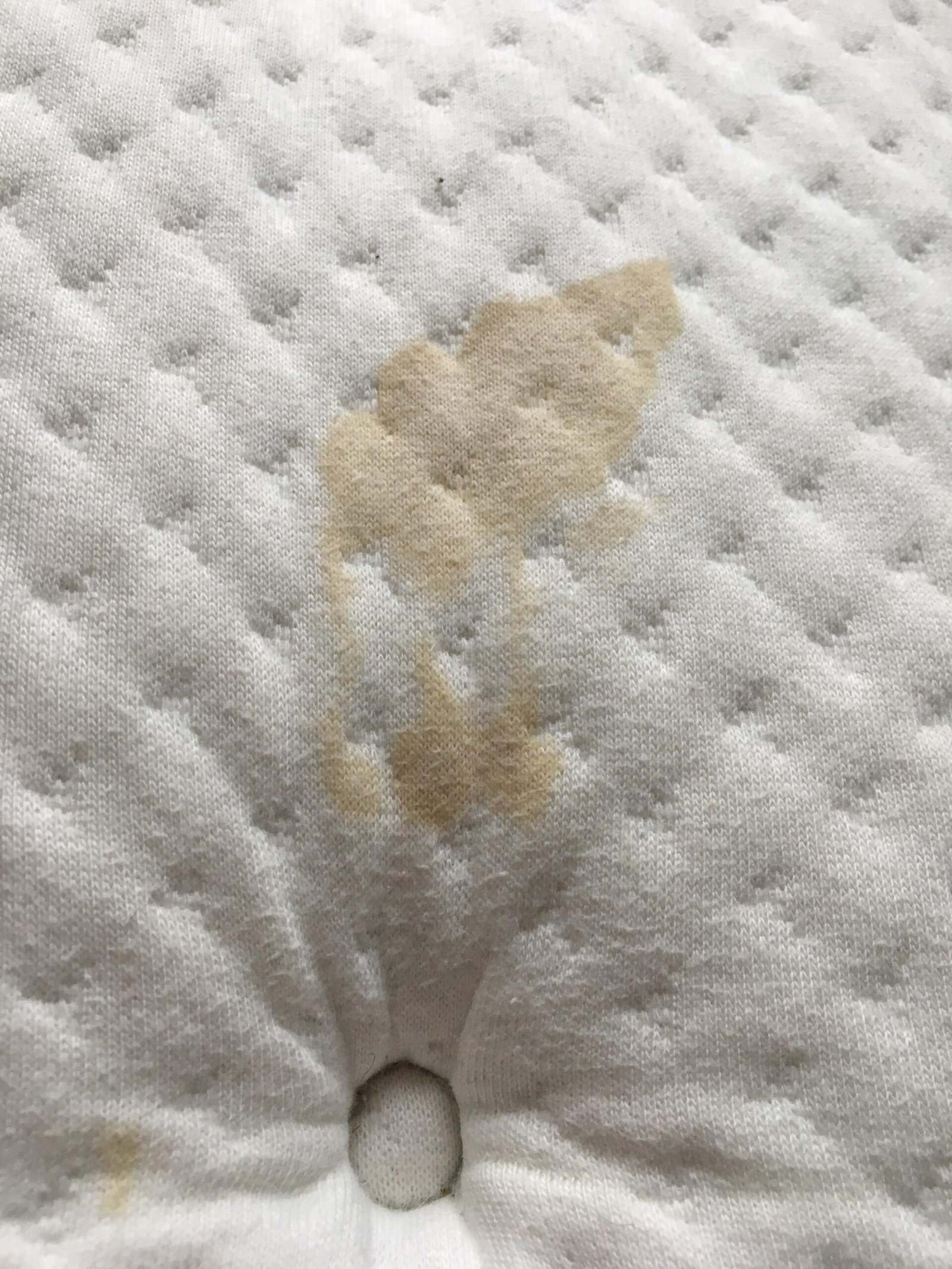
Hydrogen peroxide can help with strong odors from urine or blood. Use it with caution, as it may bleach some fabrics.
How to use:
- Mix 1 part 3% hydrogen peroxide, 1 part water, and a small amount of mild dish soap.
- Apply only to the affected area with a cloth or spray bottle.
- Blot, don’t rub, and let it dry fully.
Always spot-test first, as peroxide can lighten some mattress fabrics.
Comparing Natural Odor Removers
Here’s a quick comparison of popular natural odor removers, their main uses, and best application times:
| Odor Remover | Main Use | Best For | Application Time |
|---|---|---|---|
| Baking Soda | Absorbing odors | General smells, sweat | 2-8 hours |
| White Vinegar | Neutralizing bacteria | Urine, food, musty smells | 1-3 hours (drying) |
| Activated Charcoal | Deep odor absorption | Old, stubborn odors | 24-48 hours |
| Lemon Juice | Spot cleaning | Small stains, fresh smells | 15-30 minutes |
Credit: www.reddit.com
Preventing Mattress Odor: Simple Habits That Work
Keeping your mattress fresh is easier than removing bad smells. These habits help prevent odor from building up:
- Use a Mattress Protector: Waterproof protectors block sweat and spills from reaching the mattress.
- Wash Bedding Weekly: Clean sheets and pillowcases reduce sweat, oils, and dust mites.
- Let Your Bed Breathe: Pull back covers each morning to air out the mattress.
- Vacuum Regularly: Monthly vacuuming removes dust and dead skin that attract bacteria.
- Avoid Eating in Bed: Food crumbs can cause odors and attract pests.
It’s easy to skip these habits, but they make a big difference over time.
When To Replace Your Mattress
Even the best cleaning can’t save a mattress forever. Most mattresses last 7–10 years. If odors return quickly after cleaning, or if you notice sagging, visible mold, or allergies, it may be time for a new one.
Here’s how to know if replacement is needed:
| Sign | What It Means | Action |
|---|---|---|
| Persistent Odor | Odors return after cleaning | Consider replacement |
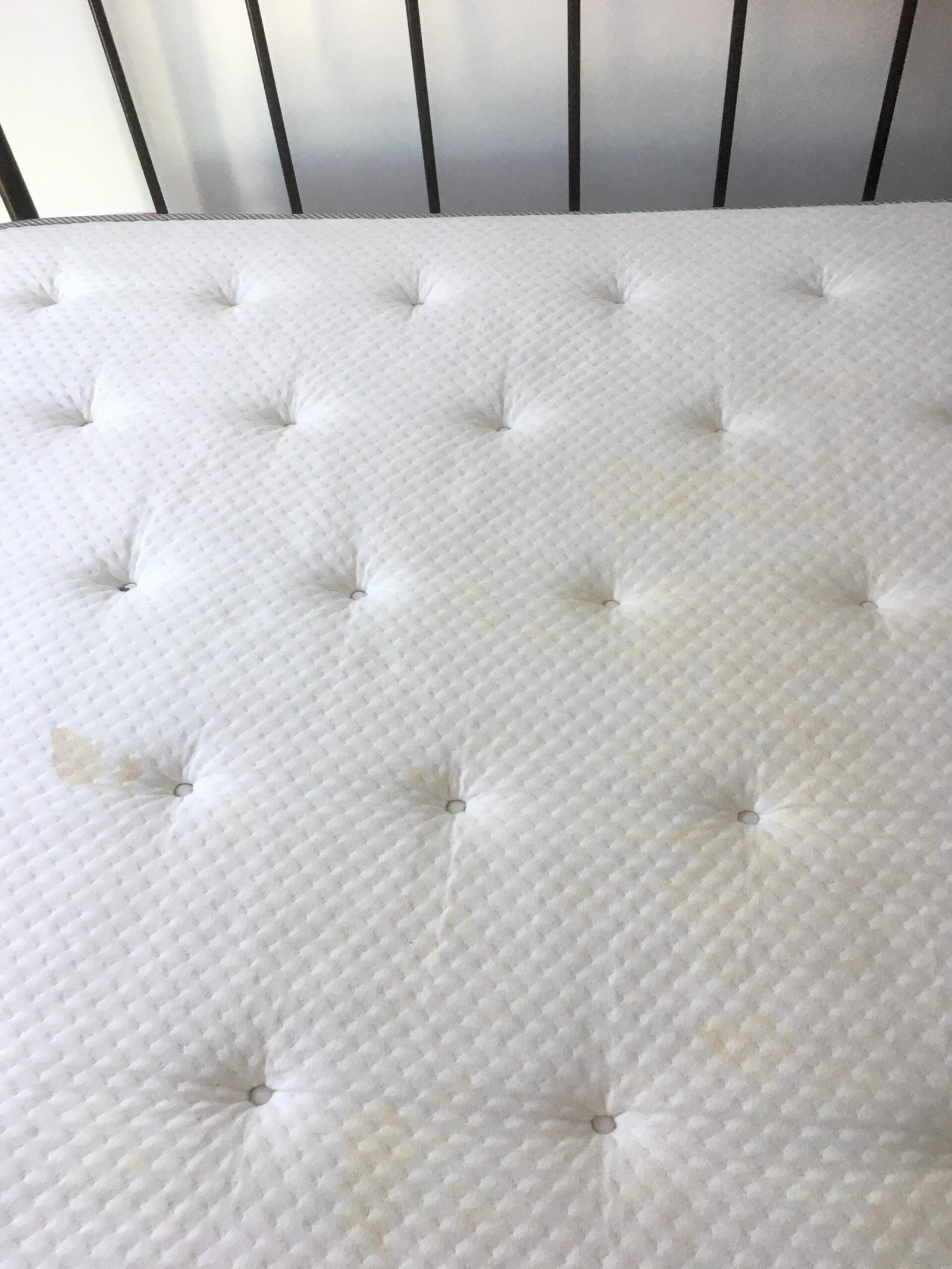
| Visible Mold | Black or green spots | Replace immediately |
| Allergy Symptoms | Itchy eyes, sneezing in bed | May need a new mattress |
| Sagging or Damage | Mattress is uneven or torn | Replacement needed |
Credit: www.reddit.com
Non-obvious Tips For Mattress Odor Removal
Here are two extra strategies most people miss:
- Rotate and Flip Regularly: Every 3–6 months, rotate your mattress 180 degrees. If your mattress is double-sided, flip it too. This helps airflow and prevents moisture buildup in one spot.
- Dehumidify the Room: If you live in a humid area, use a dehumidifier in your bedroom. Lower humidity slows mold and bacteria growth, both of which cause mattress odor.
These small steps can make a big difference, especially in challenging climates.
What Not To Do When Deodorizing A Mattress
Some actions can make odor problems worse or damage your mattress:
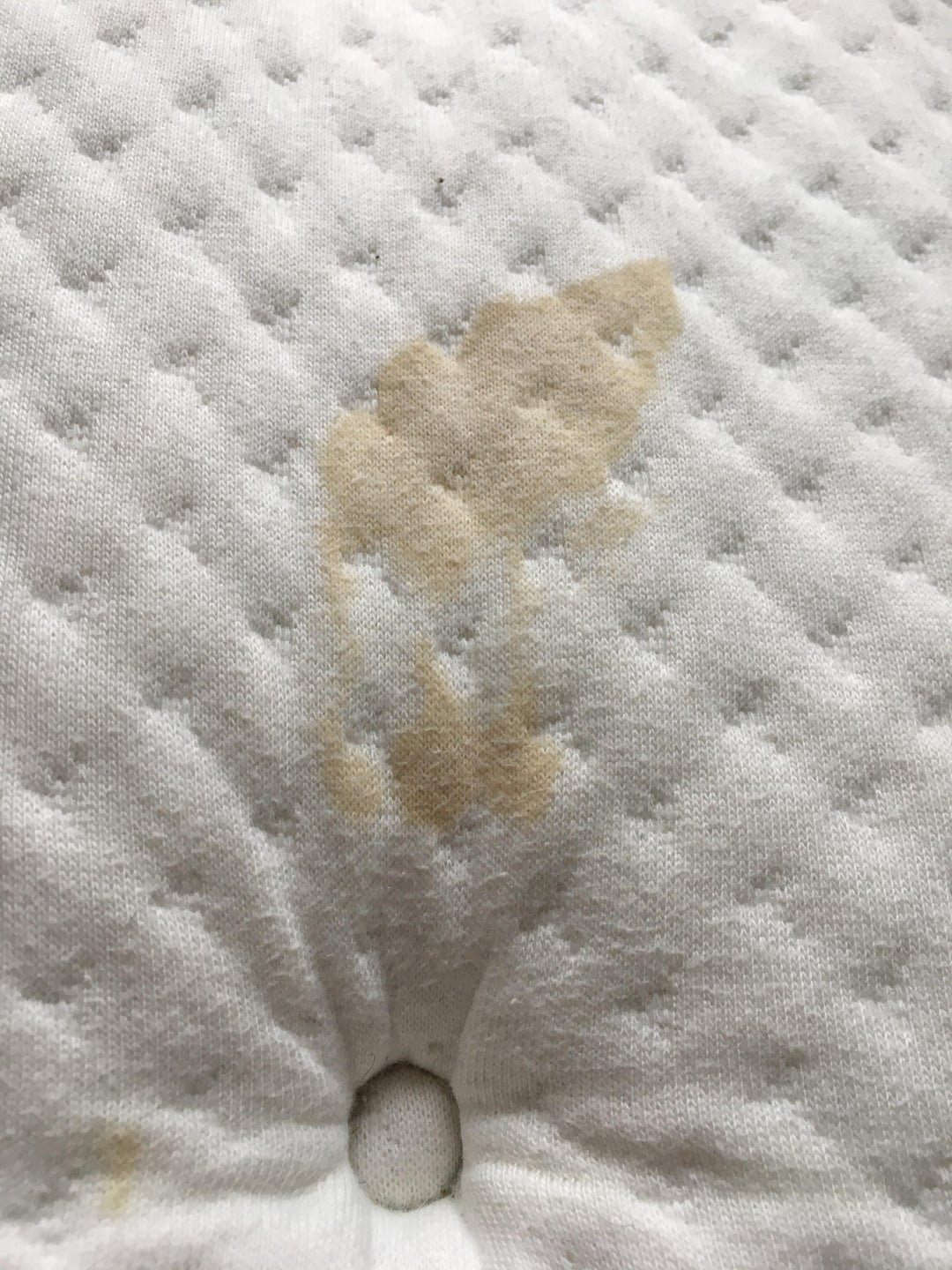
- Don’t Over-Wet: Using too much liquid can lead to mold.
- Avoid Strong Chemicals: Bleach and harsh cleaners may damage the fabric and are unsafe for sleeping.
- Don’t Cover Up Smells: Spraying air fresheners without cleaning just masks the problem.
Always let your mattress dry completely before making the bed.
Credit: www.reddit.com
Natural Mattress Odor Removal: Real-world Example
A busy family with pets noticed their mattress smelled musty, even after washing sheets. They followed these steps:
- Stripped the bed and vacuumed the mattress.
- Sprinkled baking soda mixed with lavender essential oil and left it overnight.
- Vacuumed again, then lightly misted with white vinegar solution.
- Placed the mattress in sunlight for a full afternoon.
Within one day, the odor was almost gone. They now use a mattress protector and air out their bed weekly. This is proof that simple, natural steps work—even in busy homes.
Frequently Asked Questions
How Often Should I Deodorize My Mattress Naturally?
You should freshen your mattress every 3–4 months, or more often if you sweat a lot or have pets. Regular vacuuming and using baking soda can keep odors from building up.
Can I Use Natural Methods On Memory Foam Mattresses?
Yes, but be careful with liquids. Memory foam soaks up moisture easily, which can cause mold. Stick to dry methods like baking soda and use sprays lightly.
Is It Safe To Use Essential Oils On Mattresses?
Essential oils are safe when diluted with water. Never pour them directly onto the mattress—this can leave stains. Always test a small area first.
What If The Odor Doesn’t Go Away After Cleaning?
If odors return quickly, check for moisture problems or hidden mold. Persistent smells might mean it’s time to replace your mattress, especially if it’s more than 8 years old.
Do Mattress Protectors Really Help Prevent Odor?
Yes, a good mattress protector can block sweat, spills, and allergens from reaching your mattress. Choose one that is waterproof and breathable for best results. For more tips, see this comprehensive guide by the Sleep Foundation.
Removing mattress odor naturally is simple, safe, and effective. With the right habits, your bed can stay fresh and comfortable for years—without harsh chemicals or expensive products. Sleep well and breathe easy, knowing your mattress is truly clean.