
Finding the perfect pillowcase is not only about comfort or style. For many people, it’s also about caring for their hair and skin. The right material can help reduce frizz, minimize wrinkles, and even keep skin clearer. But with so many options—cotton, silk, satin, bamboo, and more—choosing the best pillowcase material can feel confusing. Each fabric has its own benefits and drawbacks. Let’s explore the science, the myths, and the practical details to help you make a smart choice for healthier hair and glowing skin.
Why Pillowcase Material Matters For Hair And Skin
Most people spend about one-third of their lives sleeping. That means your face and hair spend a lot of time in contact with your pillowcase. The material you choose can affect how much friction, moisture loss, and bacteria exposure your skin and hair experience.
Rough or absorbent fabrics may cause:
- Hair breakage and frizz
- Sleep lines or wrinkles
- Dry skin or worsening acne
Smooth, gentle fabrics can help:
- Retain skin and hair moisture
- Reduce split ends and tangles
- Support clearer, softer skin
Many hair stylists and dermatologists recommend paying attention to pillowcase material—especially for people with sensitive skin, curly hair, or beauty concerns.
Key Factors When Choosing A Pillowcase Material
Not all fabrics are equal. Here are the most important things to consider:
- Friction: More friction means more hair damage and sleep lines.
- Absorbency: Some fabrics soak up moisture, which can dry out hair and skin.
- Breathability: Good airflow prevents sweat and bacteria build-up.
- Hypoallergenic: Some materials are less likely to cause allergies.
- Care: How easy is it to wash and maintain?
- Durability: Will it last after many washes?
Understanding these factors helps you choose wisely instead of just following trends.
Credit: www.peacockalley.com
Popular Pillowcase Materials For Hair And Skin
Let’s look at the most common materials, their pros and cons, and how they compare for hair and skin health.
Silk
Silk pillowcases have become a beauty favorite. Real silk is made from silkworm cocoons and has a smooth, luxurious feel.
Pros:
- Reduces friction, so less hair breakage and fewer sleep wrinkles
- Naturally hypoallergenic and resistant to dust mites
- Helps hair retain moisture (great for curly or dry hair)
- Feels cool and comfortable
Cons:
- Expensive compared to other materials
- Needs gentle washing, not machine-friendly
- Some “silk” products are fake or low quality
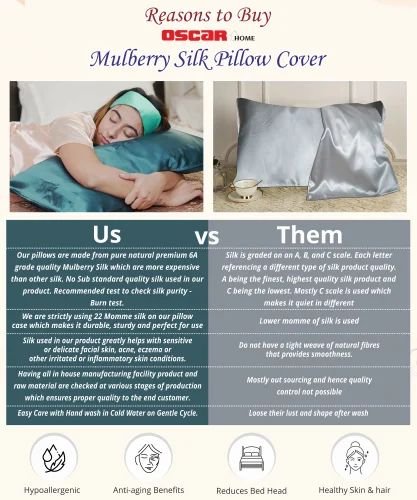
Insight: Not all silk is equal. Look for “mulberry silk” with a high “momme” weight (19-25 momme is good). Lower quality silk won’t offer the same benefits.
Satin
Satin is a weave, not a fiber. Satin pillowcases are often made from polyester or a blend of fibers. They feel slippery and smooth, like silk.
Pros:
- Reduces hair frizz and breakage
- Less expensive than silk
- Easy to find in stores
Cons:
- Synthetic versions may trap heat and sweat
- Can feel less breathable than natural silk
- Quality varies a lot
Insight: Not all satins are created equal. Polyester satin is cheaper but less breathable than silk satin. Check the label before buying.
Cotton
Cotton is the most common fabric for bedding. It’s soft, absorbent, and easy to care for.
Pros:
- Breathable and natural
- Easy to wash, durable
- Affordable and widely available
Cons:
- Absorbs skin and hair moisture, which can lead to dryness
- Creates more friction, which means more frizz and wrinkles
Insight: Higher thread count cotton is smoother, but still not as gentle as silk or satin. If you love cotton, choose sateen weave for a softer feel.
Bamboo
Bamboo pillowcases are made from fibers derived from the bamboo plant. They are becoming popular for their softness and sustainability.
Pros:
- Naturally antimicrobial, good for sensitive skin
- Breathable and moisture-wicking
- Eco-friendly (when produced responsibly)
- Less friction than cotton
Cons:
- Quality varies—some “bamboo” is actually rayon with chemicals
- Can be expensive
Insight: True bamboo lyocell is better for the environment and your health than bamboo rayon. Always check the product’s fiber details.
Linen
Linen comes from the flax plant. It’s known for its durability and cool feel.
Pros:
- Very breathable, good for hot climates
- Natural and eco-friendly
- Gets softer over time
Cons:
- Rougher texture can cause friction
- Absorbs moisture, which may dry skin and hair
- Prone to wrinkling
Insight: Linen is great for keeping cool, but not the best for hair or delicate skin. Pre-washed linen is softer, but still not as smooth as silk or satin.
Comparing Pillowcase Materials For Hair And Skin
Here’s a side-by-side look at the most popular materials and how they perform:
| Material | Friction | Moisture Absorption | Breathability | Hypoallergenic | Care |
|---|---|---|---|---|---|
| Silk | Very low | Low | Good | Yes | Hand wash |
| Satin (polyester) | Low | Low | Medium | Depends | Machine wash |
| Cotton | Medium-high | High | Good | Yes | Machine wash |
| Bamboo | Low | Medium | Excellent | Yes | Machine wash |
| Linen | High | High | Excellent | Yes | Machine wash |
Credit: www.goodhousekeeping.com
Special Pillowcase Types For Hair And Skin
Some pillowcases are made specifically for beauty benefits:
- Copper-infused pillowcases: Claim to help with skin aging by releasing small amounts of copper.
- Silver-infused pillowcases: Marketed as antibacterial, may help with acne.
- Charcoal pillowcases: Said to absorb oils and odors.
Most of these products are new and need more research. Some users see improvements, while others don’t notice a difference. Always check for real scientific studies before spending extra money.
How To Care For Your Pillowcase
Even the best material won’t help your hair or skin if it’s not clean. Pillowcases collect:
- Oils
- Dead skin cells
- Bacteria
- Product residue (like hair creams or face lotions)
For clear skin and healthy hair, wash your pillowcase at least once a week. If you have oily skin or use a lot of hair products, wash more often. Silk pillowcases need gentle handling—use a silk-safe detergent and air dry.
Cotton and bamboo can usually go in the washing machine.
Real-world Results: What Do Experts And Research Say?
Dermatologists often recommend silk or satin for people with acne, sensitive skin, or curly hair. A study published by the _Journal of Cosmetic Dermatology_ found that people sleeping on silk pillowcases had less facial irritation and fewer sleep wrinkles compared to cotton.
Hair stylists, especially those who work with textured or curly hair, often say silk or satin is best for reducing split ends and maintaining hairstyles overnight.
However, experts agree: a clean pillowcase is just as important as the material. Even the best silk won’t help if it’s dirty.
Cost Vs. Benefit: Is It Worth Upgrading?
Many people wonder if buying a premium pillowcase is worth the money. Here’s a cost comparison:
| Material | Average Price (per pillowcase) | Durability | Value for Hair/Skin |
|---|---|---|---|
| Silk | $25–$100 | Moderate | Excellent |
| Satin | $8–$25 | Good | Good |
| Cotton | $5–$30 | Excellent | Fair |
| Bamboo | $18–$50 | Good | Very Good |
| Linen | $20–$60 | Excellent | Fair |
Insider tip: If you want the benefits of silk or satin but can’t afford a full set, buy just one pillowcase to use for your face and hair while sleeping. Rotate and wash often.
Common Mistakes When Choosing A Pillowcase For Hair And Skin
Many people make simple errors that reduce the benefits of their pillowcase choice:
- Choosing based on color or style only: The look is less important than the material.
- Believing all “satin” is silk: Satin is a weave, not always real silk.
- Ignoring thread count: For cotton, a higher count is smoother.
- Not washing enough: Dirty pillowcases can cause breakouts or scalp irritation.
- Forgetting about allergies: Some materials are better for sensitive people.
- Assuming more expensive means better: Some brands overcharge for low-quality silk or bamboo blends.
The Best Pillowcase Material For Your Hair And Skin Type
There’s no one-size-fits-all answer, but here’s a simple guide:
- Silk: Best for dry, curly, or fragile hair; sensitive or aging skin
- Satin: Good for all hair types; better for those on a budget
- Bamboo: Great for sensitive, acne-prone skin; eco-conscious buyers
- Cotton: Fine for normal skin/hair, but not for dryness or frizz
- Linen: Good for hot climates; not ideal for hair/skin health
If you’re unsure, start with a satin pillowcase (affordable and widely available) and see if your hair and skin improve. Upgrade to silk or bamboo if you want the highest benefits.
Practical Tips For Healthier Hair And Skin
Even with the best pillowcase, your routine matters:
- Go to bed with clean skin and hair
- Use gentle, fragrance-free laundry detergent
- Avoid fabric softeners (can leave residue)
- Change pillowcases often, especially if you sweat or use products
- Combine with other healthy habits: Hydrate, eat well, and avoid harsh skincare
Frequently Asked Questions
How Often Should I Wash My Pillowcase For Healthy Hair And Skin?
Dermatologists recommend washing your pillowcase at least once a week. If you have oily skin, use heavy hair products, or suffer from acne, wash it every 2–3 days. This removes oils, bacteria, and product buildup that can cause breakouts or scalp irritation.
Is A Silk Or Satin Pillowcase Better For Curly Hair?
Both silk and satin are good choices for curly hair because they reduce friction, which helps prevent tangles and breakage. Silk is a natural fiber and is more breathable, but high-quality satin can give similar benefits at a lower price.
Can A Pillowcase Really Help With Acne?
A clean, hypoallergenic pillowcase can help reduce acne by preventing bacteria build-up and irritation. Materials like silk and bamboo are less likely to absorb oils and dirt, making them good choices for acne-prone skin. However, regular washing is just as important as the material.
What’s The Difference Between Satin And Silk Pillowcases?
Silk is a natural fiber made by silkworms, while satin is a type of weave that can be made from silk, polyester, or other fibers. Silk pillowcases are usually more expensive and breathable. Polyester satin can be less breathable but is more affordable.
Credit: stogagirlssoccer.com
Where Can I Read More About The Science Behind Pillowcase Materials?
You can find reliable information on the impact of pillowcase fabrics on hair and skin health in dermatology journals and trusted sites like the American Academy of Dermatology.
Choosing the best pillowcase material for hair and skin can make a real difference in your beauty routine. Find what works for your needs and budget—and enjoy better mornings, every day.