
Choosing the right sofa can change how your living room feels and functions. When it comes to comfort, style, and versatility, two popular options stand out: sectional sofas and regular sofas. Many people struggle to decide which one fits their space, lifestyle, and budget. This article explores every key difference, advantage, and drawback to help you make a smart choice for your home.
What Is A Sectional Sofa?
A sectional sofa is made of two or more pieces that can be joined together in different ways. You often see them shaped like an “L” or a “U”, but some have curved sections or even recliners added. Sectionals can be rearranged to suit your room or needs. For example, you might use a chaise on the left side one day and move it to the right side another day.
Sectionals are popular in large living rooms or family spaces because they offer lots of seating. If you have a big family or enjoy hosting guests, a sectional can be a great centerpiece for your living area.
What Is A Regular Sofa?
A regular sofa—sometimes called a couch or settee—is a single, fixed piece of furniture. Most traditional sofas seat two to four people and come in many styles, such as loveseats, three-seaters, and sofa beds. Unlike sectionals, regular sofas cannot be separated into pieces or rearranged.
Regular sofas are great for small spaces, formal rooms, or when you want a classic look. They’re often used with matching chairs or ottomans to create a complete seating area.
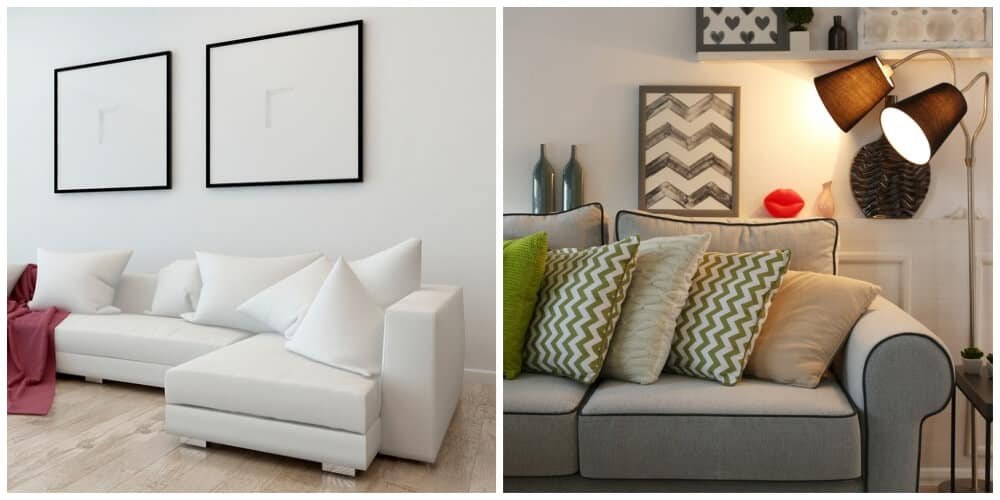
Credit: www.homestratosphere.com
Size And Space Requirements
Space is a main factor when choosing between a sectional and a regular sofa. Both types need careful measurement, but their needs are very different.
Sectional Sofa Space Needs
Sectionals are usually larger and take up more floor space. They work best in big rooms or open layouts. If you have a small or narrow living room, a bulky sectional can make the space feel crowded. You also need to think about walkways—sectionals can block natural paths through a room if not placed carefully.
Regular Sofa Space Needs
A regular sofa is easier to fit into smaller rooms. You can place it against a wall or float it in the center. Because it’s a single piece, you have more flexibility to rearrange your furniture. Regular sofas are a safe choice for apartments, studios, or any space where every inch matters.
Example Comparison
Here’s a quick look at how much space you might need:
| Type | Common Length | Depth | Seating |
|---|---|---|---|
| Sectional (L-shape) | 9-14 feet | 3-4 feet | 5-7 people |
| Regular Sofa (3-seater) | 6-8 feet | 3 feet | 3 people |
Insight: Many buyers forget to measure doors, hallways, and elevators. Sectionals often arrive in large boxes that may not fit through tight spaces, while regular sofas are usually easier to move.
Flexibility And Arrangement
How you use your living room can change over time. Sectional and regular sofas offer different levels of flexibility.
Sectional Sofa Flexibility
Sectionals are designed to be modular. You can split them into smaller pieces, rearrange the layout, or even remove a section for more space. This is ideal if you like to move furniture often or expect your family’s needs to change.
Some sectionals even come with reversible chaises, letting you switch the long part from left to right.
However, not all sectionals are equally flexible. Some are fixed, meaning you cannot move pieces around. Always check the product details before buying.
Regular Sofa Flexibility
A regular sofa is not modular, but it’s easy to move and combine with other furniture. You can add an armchair, a loveseat, or a coffee table without worrying about matching the shape. This makes it simple to refresh your room’s look or adapt to new living situations.
Tip: If you like to rearrange your furniture often, a regular sofa gives you more freedom to experiment with different layouts.
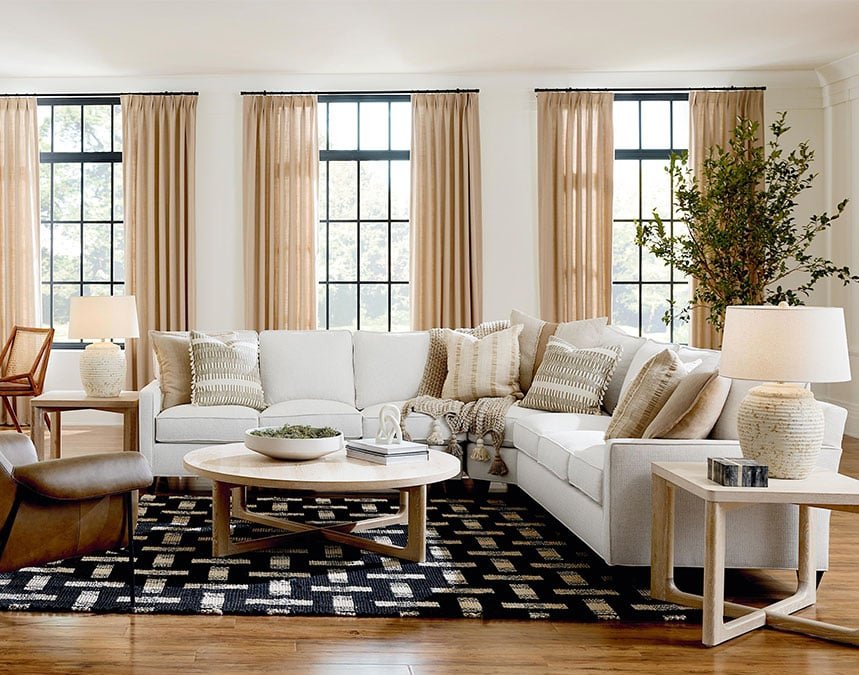
Credit: www.bassettfurniture.com
Comfort And Seating Capacity
Comfort is personal, but there are clear differences in seating capacity and how people use each sofa type.
Sectional Sofa Comfort
Sectionals are perfect for large families or people who host guests. With long stretches and corner seats, sectionals let more people lounge, stretch out, or even nap. The “L” or “U” shape encourages conversation and group activities, making sectionals a favorite for movie nights or game days.
One non-obvious benefit: sectionals often have deep seats and wide arms, which can act as extra spots for children or pets.
Regular Sofa Comfort
A regular sofa is often more upright and formal. It’s comfortable for short visits or reading, but it usually seats fewer people. If you pair a sofa with chairs or ottomans, you can create a flexible setup for both relaxing and entertaining.
Insight: Some people find corner seats on sectionals awkward because you can’t stretch your legs as easily. Test different shapes before choosing.
Style And Design Options
Both sectional and regular sofas come in many styles, but there are key differences in design and how each fits your decor.
Sectional Sofa Styles
Sectionals are often seen as modern and casual. They come in fabric, leather, and many colors. You’ll also find sectionals with built-in recliners, cup holders, or storage—features less common on regular sofas.
Sectionals can sometimes look bulky or dominate a room. If you want a minimalist or classic look, choose a low-profile or sleek sectional.
Regular Sofa Styles
Regular sofas have more style options, from classic Chesterfields to modern mid-century designs. They often have more details, such as tufted backs, elegant legs, or rolled arms. This makes them easy to match with many types of decor, from traditional to contemporary.
Tip: If you plan to change your decor often, a neutral regular sofa is easier to style with new pillows, throws, or side chairs.
Cost And Value
Price is always a big factor. Sectional and regular sofas cover a wide price range, but their value depends on your needs.
Sectional Sofa Pricing
Sectionals usually cost more than regular sofas, especially if they have extra features or high-end materials. The price reflects the larger size and modular design. For example, a quality fabric sectional can range from $1,500 to $4,000, while luxury versions can cost much more.
One hidden cost: if a single section wears out or is damaged, it can be hard to find a matching replacement.
Regular Sofa Pricing
Regular sofas are often cheaper upfront. A solid three-seater starts around $600 and goes up depending on brand, material, and style. Maintenance is often easier, and it’s simple to replace one sofa or add new pieces over time.
Tip: If you want to save money, consider buying a regular sofa with an ottoman or chaise. This gives you flexibility without the high price of a large sectional.
Cost Comparison Example
Here’s a quick cost comparison for a mid-range purchase:
| Type | Average Price Range | Replacement Cost |
|---|---|---|
| Sectional Sofa | $1,500 – $4,000 | High (whole piece or full section) |
| Regular Sofa | $600 – $2,500 | Lower (single sofa) |
Maintenance And Cleaning
Keeping your sofa clean is important for health and appearance. Sectional and regular sofas have different challenges.
Sectional Sofa Maintenance
Sectionals have more seams and corners, which can trap crumbs, dust, or pet hair. Cleaning between sections can be tricky, and you may need special tools for tight spots. If one section is stained or damaged, you might need to clean or replace just that part.
However, some sectionals have removable covers or washable fabrics, making cleaning easier.
Regular Sofa Maintenance
A regular sofa is simpler to clean because it has fewer seams and is a single piece. Most stains or spills are easy to spot clean. If the sofa has removable cushions, washing covers is quick.
Non-obvious tip: If you have kids or pets, choose a sofa with high legs. It’s easier to vacuum underneath and keeps the area tidy.
Durability And Longevity
Both types of sofas can last many years with care, but their build affects durability.
Sectional Sofa Durability
The modular design of sectionals means more joints and connectors, which can loosen over time. If you move sections often, parts might wear out faster. Still, high-quality sectionals with strong frames are built for long-term use.
Regular Sofa Durability
Regular sofas are usually more solid because they are a single frame. With fewer moving parts, there’s less risk of loosening or breakage. A good regular sofa can last 10 years or more with proper care.
Advice: Always check the frame material—solid wood is best for both types.
When To Choose A Sectional Sofa
Sectionals are a smart choice if:
- You have a large room or open living space.
- You host guests often or have a big family.
- You want flexible seating for different activities.
- You like a modern or casual look.
Sectionals are also good for creating a “zone” in open spaces, separating the living area from dining or kitchen spaces.
When To Choose A Regular Sofa
A regular sofa is best if:
- Your room is small or narrow.
- You want a classic, formal look.
- You move often or like to change your decor.
- You prefer mixing and matching different seats.
Regular sofas are also great for people who want to start with a basic piece and add more seats later.
Common Mistakes To Avoid
Many people make errors when choosing between sectional and regular sofas. Here are some to watch for:
- Ignoring room size: A big sectional in a small room will overwhelm the space.
- Forgetting about doorways: Measure all doors, hallways, and stairs before buying.
- Overestimating flexibility: Not all sectionals can be rearranged. Check if the layout is fixed.
- Choosing style over function: A beautiful sofa is useless if it’s uncomfortable or impractical.
- Skipping material checks: Low-quality frames or thin fabrics can wear out quickly.
Real-life Examples
- Family Home: The Smiths have a large open living room and three kids. They chose an “L” shaped sectional with a washable cover. It’s perfect for movie nights, and the kids love lounging together.
- City Apartment: Maria lives in a small downtown apartment. She picked a modern regular sofa with a matching chair. Her space feels open, and she can rearrange the furniture for guests.
- Frequent Mover: David moves cities every two years. He sticks with a compact regular sofa because it’s easy to transport and fits any room shape.
Quick Feature Comparison
Here’s a side-by-side feature snapshot:
| Feature | Sectional Sofa | Regular Sofa |
|---|---|---|
| Seating Capacity | 5-7 people | 2-4 people |
| Flexibility | High (if modular) | Medium |
| Style Range | Modern, casual | Classic, versatile |
| Cleaning | More effort | Less effort |
| Price | Higher | Lower |
Final Thoughts
Choosing between a sectional sofa and a regular sofa comes down to your space, style, and how you use your living room. Sectionals are perfect for big families, open layouts, and people who love to host. Regular sofas fit smaller spaces, offer more style choices, and are easy to move or rearrange.
Take time to measure your room, think about your needs, and try out different sofas if possible. Your perfect sofa is one that fits both your lifestyle and your home.
For more details on sofa types and design trends, check this Wikipedia guide on sofas.
Frequently Asked Questions
What Is The Main Difference Between A Sectional And A Regular Sofa?
The main difference is that a sectional sofa is made of multiple pieces you can arrange in different shapes, while a regular sofa is one fixed piece. Sectionals usually seat more people and fit large rooms. Regular sofas are more flexible for small spaces and decorating changes.
Are Sectionals More Expensive Than Regular Sofas?
Yes, sectional sofas are usually more expensive because they are bigger and have modular features. However, prices can overlap depending on brand, material, and design.
Which Sofa Type Is Better For Small Rooms?
A regular sofa is better for small rooms. It takes up less space and is easier to move. Sectionals can make small rooms feel cramped unless you choose a compact model.
Can You Rearrange A Sectional Sofa?
You can rearrange most modular sectionals by changing the position of the pieces. Some sectionals have a fixed layout and cannot be changed. Always check before buying.
Which Is Easier To Clean: Sectional Or Regular Sofa?
A regular sofa is usually easier to clean because it has fewer seams and parts. Sectionals need more attention, especially between pieces, but some have washable covers to help with cleaning.
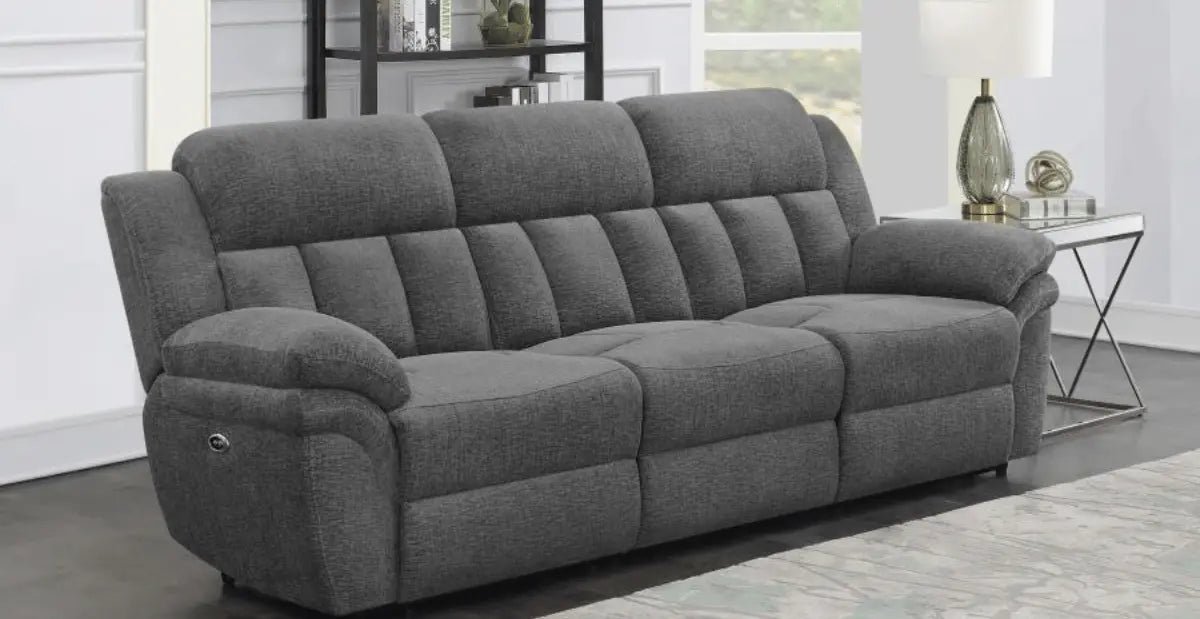
Credit: www.redwoodfurn.com
