
Pillowcases are one of those home essentials we often overlook. Many people wash their sheets regularly but forget about the pillowcase. Yet, this small fabric cover touches your face every night, collecting sweat, oils, and even germs. If you’re unsure how often to replace pillowcases, you’re not alone.
Let’s explore what really matters, how frequency affects your health, and simple tips to keep your sleep both clean and comfortable.
Why Pillowcase Hygiene Matters
Your pillowcase is more than just a soft surface. Every night, it absorbs body oils, sweat, and dead skin cells. Over time, these build up, creating a perfect place for bacteria, dust mites, and even fungi to grow. This can cause:
- Skin irritation
- Acne breakouts
- Allergies or asthma symptoms
- Bad odors
For people with sensitive skin, allergies, or respiratory issues, dirty pillowcases can make things worse. But even if you’re healthy, sleeping on an unclean pillowcase is not pleasant.
How Often Should You Replace Pillowcases?
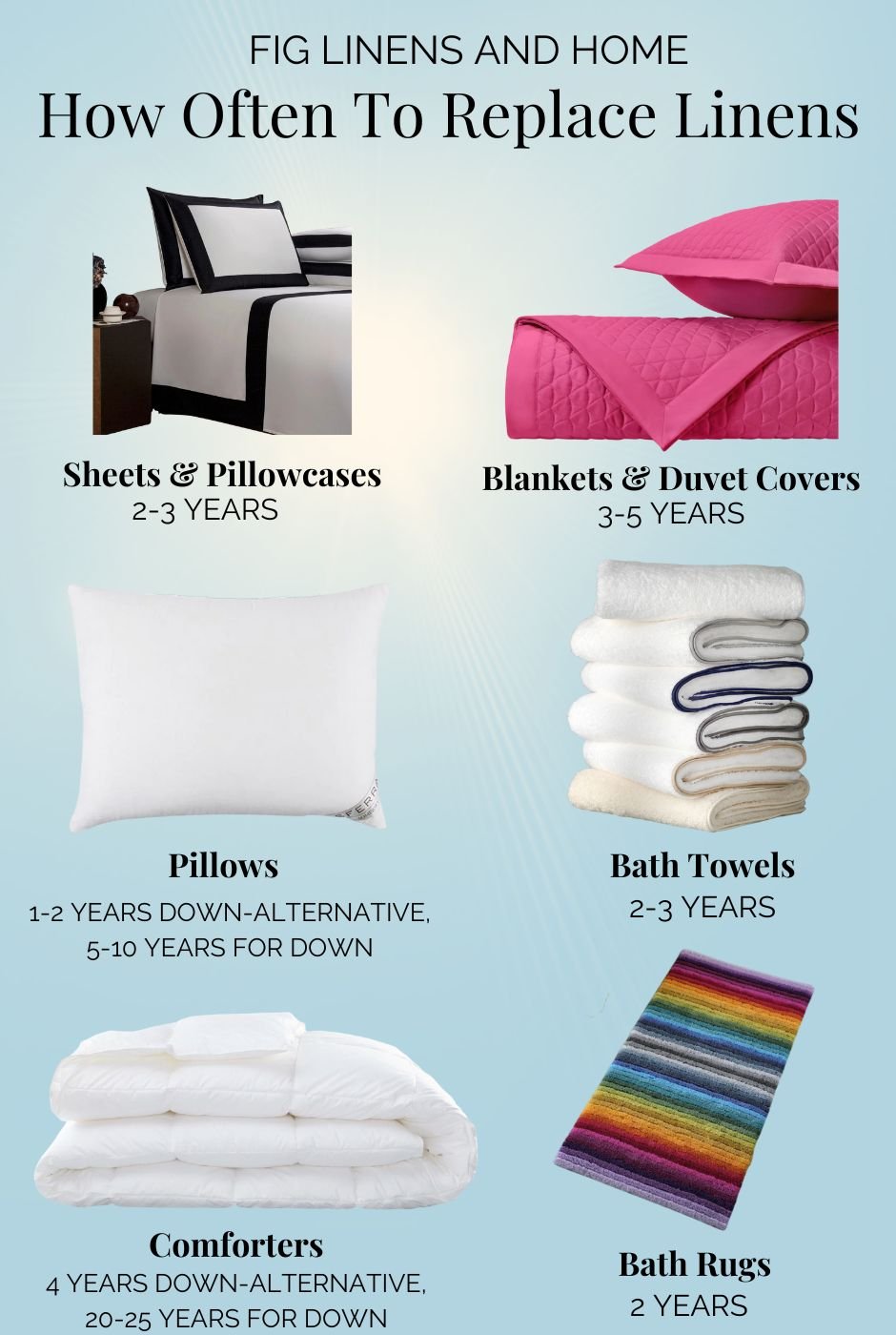
There is no single answer for everyone, but experts usually recommend replacing pillowcases every 1 to 2 years. However, how often you should *change* (wash) them is much more frequent.
Washing Frequency
Most dermatologists suggest washing your pillowcase every 3 to 7 days. If you have oily skin, sweat a lot, or suffer from acne, you might benefit from washing every 2 to 3 days. Let’s compare different needs:
| Type of Sleeper | Recommended Wash Frequency |
|---|---|
| Normal skin | Once a week |
| Oily or acne-prone skin | Every 2-3 days |
| Allergy sufferers | Every 2-3 days |
| Night sweaters | Every 2-3 days |
Replacement Frequency
While washing keeps pillowcases clean, fibers break down over time. Replace your pillowcase when you notice:
- Fabric feels rough or thin
- Stains that won’t wash out
- Faded color
- Strange odors after washing
Most people should replace pillowcases every 1-2 years. For silk pillowcases, replacement may be needed every year due to their delicate nature.
:max_bytes(150000):strip_icc()/GettyImages-1164913440-ef9e4d34134945b9a7d09f3c9b8769d2.jpg)
Credit: www.southernliving.com
Factors That Affect Replacement Timing
How quickly a pillowcase wears out depends on several key factors.
1. Fabric Material
Cotton pillowcases are durable and last 1–2 years. Silk and satin feel luxurious but show wear faster. Polyester blends are strong but can get rough.
| Material | Expected Lifespan |
|---|---|
| Cotton | 1-2 years |
| Silk | 1 year |
| Satin | 1-1.5 years |
| Polyester | 2 years |
| Bamboo | 1.5-2 years |
2. Washing Habits
Frequent washing helps with hygiene but may wear out fabric faster. Use gentle cycles and mild detergent to extend life.
3. Skin And Hair Products
If you use a lot of face creams, makeup, or hair oils, your pillowcase may stain and break down faster. Oily products attract dirt and can weaken fabric fibers.
4. Pet Owners
If your pet sleeps on your bed, you’ll need to change and replace pillowcases more often. Pet dander and fur stick to fabric and can cause allergies or odors.
5. Allergies And Medical Conditions
People with allergies or asthma should replace pillowcases more often to avoid dust mite buildup. For those with skin conditions, fresh pillowcases can help prevent irritation.
The Science Behind Dirty Pillowcases
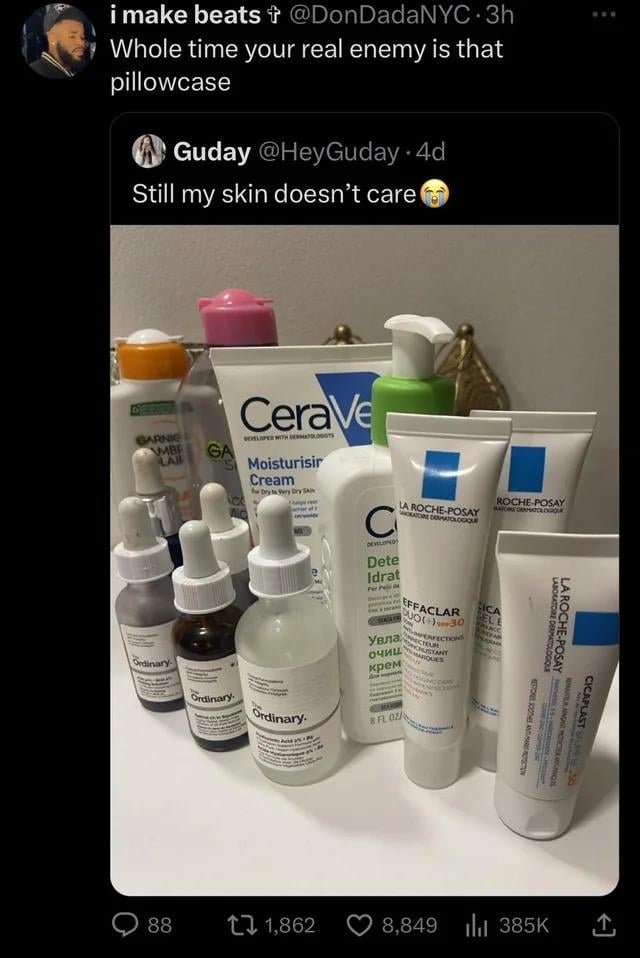
It’s easy to underestimate how much builds up on a pillowcase. A 2019 study found that after just one week, pillowcases can have more bacteria than a toilet seat! Dust mites feed on dead skin cells and multiply quickly. Their waste can trigger sneezing, stuffy nose, or itchy eyes.
Dirty pillowcases also hold oils that clog pores, leading to acne. Fungi like *Malassezia* can grow in warm, damp fabric, causing rashes for some people. Regular replacement and washing help keep these problems away.
Credit: www.reddit.com
Signs It’s Time To Replace Your Pillowcase
Sometimes, it’s obvious that your pillowcase needs replacing. Other times, the signs are easy to miss. Here are some hints that it’s time for a new one:
- Fabric feels rough or thin – Comfort drops as fibers break down.
- Stains and discoloration – These can mean bacteria or oil buildup.
- Unpleasant odor – Even after washing, some smells never leave.
- Elastic or stitching is loose – This means the pillowcase won’t stay on properly.
- Allergy symptoms get worse – Sneezing or itching could mean a dirty, old case.
- Color has faded – Not just about looks; fading shows fabric wear.
- You’ve had a recent illness – Replace pillowcases to prevent reinfection.
How To Make Your Pillowcases Last Longer
You don’t have to spend a lot to keep your pillowcases in good shape. A few simple habits help extend their life:
- Wash in cool or warm water (not hot) to protect fibers.
- Use a gentle detergent and avoid harsh bleach.
- Dry on low heat or line dry to avoid shrinking.
- Rotate between several pillowcases so each gets less use.
- Remove makeup before bed to avoid stains.
- Keep pets off the bed if possible.
A non-obvious tip: Ironing cotton pillowcases smooths fibers, making them feel softer and last longer.
Pillowcases And Skin Health
Many people don’t realize how much pillowcases affect skin health. Bacteria and oils build up quickly, especially if you sleep with your face pressed into the pillow. Acne-prone skin is especially sensitive to dirty fabric. If you struggle with breakouts, try switching to a clean pillowcase every other night.
Dermatologists often recommend silk pillowcases for sensitive or acne-prone skin. Silk is less absorbent, so it doesn’t hold as much oil or bacteria. It also causes less friction, helping reduce redness or irritation.
Environmental And Cost Considerations
Throwing away pillowcases every year may feel wasteful. But keeping worn-out cases can be bad for your health. To balance cost and the environment:
- Choose organic cotton or bamboo for longer-lasting, eco-friendly options.
- Recycle old pillowcases as cleaning cloths or donate if they’re still usable.
- Buy pillowcases in multi-packs to save money.
Remember, a clean pillowcase is a small investment for better sleep and health.
How To Choose The Right Pillowcase
When it’s time to buy new pillowcases, consider:
- Material: Cotton is breathable and easy to wash. Silk is smooth but delicate. Bamboo is soft and naturally antibacterial.
- Thread count: Higher thread count means softer, but not always longer-lasting. Look for 200–400 for cotton.
- Fit: Make sure the case fits your pillow size (standard, queen, or king).
- Closure: Envelopes or zippers keep the pillow inside, but zippers can break over time.
- Care instructions: Check if it’s machine washable or needs special care.
Pillowcase Replacement Around The World
Habits vary by country and culture. In the US and Europe, many people replace pillowcases every 1–2 years. In humid countries like Japan or Singapore, people may replace them more often due to moisture and sweat. In some cultures, pillowcases are part of wedding gifts, so families keep them for many years.
A surprising fact: In a survey by the Sleep Foundation, 31% of people admitted they wash their pillowcases only once a month or less. This can lead to higher risks of allergies and skin problems.
Common Mistakes To Avoid
Many people make these pillowcase hygiene mistakes:
- Waiting until fabric tears before replacing
- Only washing with sheets (not more often)
- Using fabric softener (it can leave residue)
- Ignoring stains or odors
- Sleeping with makeup or hair products
A less-known tip: If you get frequent colds, switch pillowcases more often. Germs can stay in fabric even after mild washing.
Practical Tips For Busy People
If you find it hard to keep up with regular washing and replacement:
- Buy extra pillowcases so you always have a clean one ready.
- Set a reminder on your phone or calendar.
- Wash pillowcases with towels for small loads.
- Choose pillowcases that dry quickly (like microfiber or bamboo).
These small changes can make a big difference for your health and comfort.
Credit: www.figlinensandhome.com
Frequently Asked Questions
How Do I Know If My Pillowcase Needs To Be Replaced?
Check for rough texture, stains, faded color, or bad smells after washing. If allergy symptoms or acne get worse, it’s time for a new one.
Can I Wash My Pillowcase With Other Laundry?
Yes, but avoid washing with heavily soiled items. Use gentle detergent and avoid fabric softener, which can leave residue on the pillowcase.
Are Silk Pillowcases Really Better For Skin And Hair?
Silk is less absorbent than cotton and causes less friction, which can help reduce hair breakage and skin irritation. However, silk wears out faster and needs more delicate care.
What Happens If I Don’t Replace My Pillowcase Often Enough?
Old pillowcases can hold bacteria, dust mites, and oils. This may lead to allergies, acne, or even fungal infections. Comfort also decreases as fabric wears out.
Where Can I Learn More About Pillowcase Hygiene And Sleep Health?
For more details and research on sleep and bedding hygiene, visit the Sleep Foundation.
A clean pillowcase is a simple but powerful way to protect your health and enjoy better sleep. With the right habits and a little planning, you can keep your bedding fresh and your nights restful. Don’t wait until your pillowcase is falling apart—make replacement a regular part of your home routine.