
Furnishing a small living space can feel like solving a puzzle. Every piece you choose must add comfort without stealing precious room. Sofas are often the largest furniture item, so finding one that fits perfectly is a real challenge. This is where modular sofas become a game changer. They are not just stylish, but also bring practical solutions for compact homes, apartments, and even studio flats. If you want to make the most of every inch, understanding the benefits of modular sofas is a smart move.
What Is A Modular Sofa?
A modular sofa is made from separate sections, called modules, that can be arranged in different ways. Each module connects easily to others, letting you build a sofa that fits your room and needs. You can add or remove seats, create a corner unit, or even split the modules to form individual chairs. This flexibility is the main reason why modular sofas are popular in small spaces.
Space Optimization
One of the top advantages of modular sofas is how they help you maximize limited space. With traditional sofas, you are stuck with a fixed shape and size. If your room is not the right shape, you lose usable space. Modular sofas let you:
- Fit corners perfectly – Arrange modules to use every corner, turning awkward angles into cozy seating.
- Customize length – Add or remove seats to match your room’s dimensions.
- Create open paths – Rearrange pieces to keep walkways clear, making even a tiny living room feel open.
For example, if you live in a 300-square-foot studio, a three-module L-shape can create a snug TV area without blocking your door or window. This adaptability is rarely possible with standard couches.
Easy To Move And Reconfigure
Small spaces often require flexibility. You may need to move furniture for cleaning, hosting guests, or changing the room’s function. Modular sofas shine here:
- Lightweight modules are easier to carry than a heavy, one-piece couch.
- You can separate sections and move them through narrow doors or stairs, which is a huge help in apartments with tricky layouts.
- Want a new look? Rearranging modules gives your room a fresh style without buying new furniture.
A non-obvious tip: When moving, you can transport modules one at a time, making moving day much less stressful. This is something many people realize only after struggling with a giant fixed sofa.
Multi-functionality
Limited space means every item should serve more than one purpose. Many modular sofas offer hidden features that boost their value:
- Some have built-in storage under seats or in chaise lounges. Use this space for bedding, books, or kids’ toys.
- Certain models convert into sofa beds, perfect for overnight guests.
- You can split the modules and use them as individual chairs or footrests.
For example, a four-piece modular can be a big family sofa during the day, and at night, two modules become a bed while the others stay as seats. This flexibility is essential for homes where each square foot matters.
Adapts To Life Changes
Your needs may change over time. Maybe you get a roommate, start working from home, or buy a pet. Modular sofas are ready to adapt:
- Add modules if you need more seating.
- Remove or rearrange modules to create space for a desk or play area.
- Replace a single damaged module, instead of the whole sofa.
This is a big cost-saver in the long run. You don’t have to buy new furniture every time your life changes, making a modular sofa a smart investment.
Design Flexibility And Style
Small rooms can look crowded if the furniture is too bulky or mismatched. Modular sofas solve this with:
- Variety of styles – From modern, minimal shapes to soft, classic cushions.
- Color choices – Many brands let you pick fabrics and colors to match your walls or decor.
- Mix and match – Some systems allow you to combine different module shapes, such as adding a chaise to a straight sofa.
This freedom means you don’t sacrifice style for space. You can create a seating area that looks polished and matches your personal taste, even if the room is small.
Makes Cleaning Easier
Cleaning under a traditional sofa can be a nightmare, especially in tight rooms where you can’t move the couch easily. With modular sofas:
- You can separate modules to vacuum under and behind them.
- Lighter modules are easier to lift for deep cleaning.
- Some models have removable covers, so you can wash them when spills happen.
This feature is especially useful for families with kids or pets. It helps your sofa last longer and keeps your small space feeling fresh.
Practical For Renters
If you rent your home, you may move often or face strict rules about furniture size. Modular sofas are a renter’s best friend:
- They fit through small elevators, tight hallways, and narrow doors.
- You can take only the modules you need to your next home.
- Damage to a module is usually less costly to fix than replacing a full sofa.
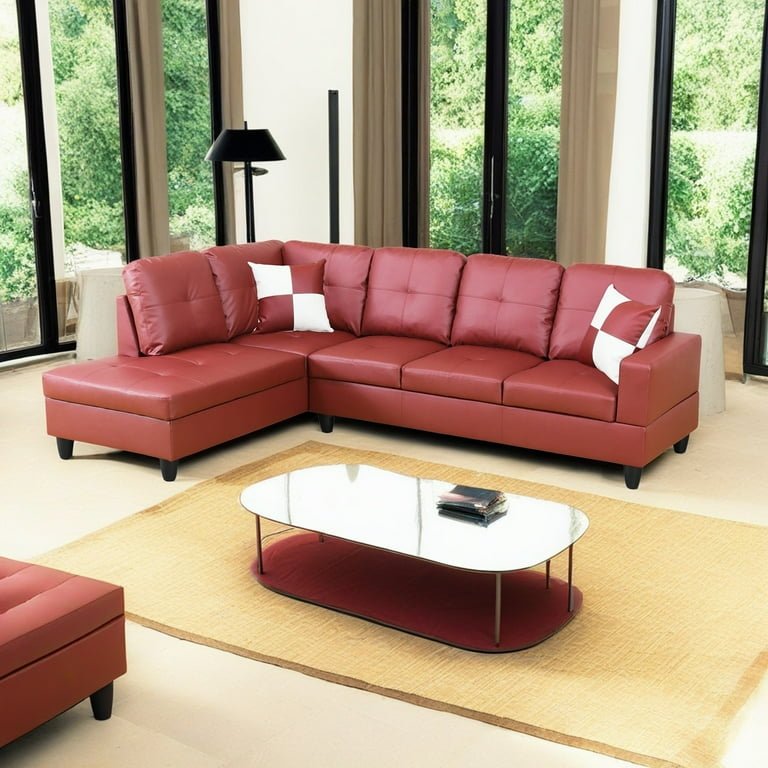
Also, if your new apartment has a different shape, you can reconfigure the modules to fit. This saves you from buying new furniture every move.
Credit: www.walmart.com
Budget-friendly In The Long Run
Modular sofas can seem expensive at first, but they often save you money over time. Here’s why:
- You only buy what you need. Start with a few modules and add more later.
- No need to replace the entire sofa if one part wears out.
- Hidden features, like storage or a sofa bed, mean you don’t need extra furniture.
Here’s a simple comparison of cost over five years:
| Type | Initial Cost | Replacement/Upgrade Cost | Total 5-Year Cost |
|---|---|---|---|
| Traditional Sofa | $800 | $600 (full replacement if damaged) | $1400 |
| Modular Sofa | $1200 | $200 (one module replaced) | $1400 |
Notice that modular sofas let you upgrade or fix only what you need, which is a smart choice if your budget is tight.
Perfect For Entertaining In Small Spaces
Hosting friends in a small home can be tricky. Modular sofas make it easier:
- Rearrange modules for movie nights, game days, or parties.
- Separate modules so guests can face each other, creating a social circle.
- Move modules to make space for food trays or extra chairs.
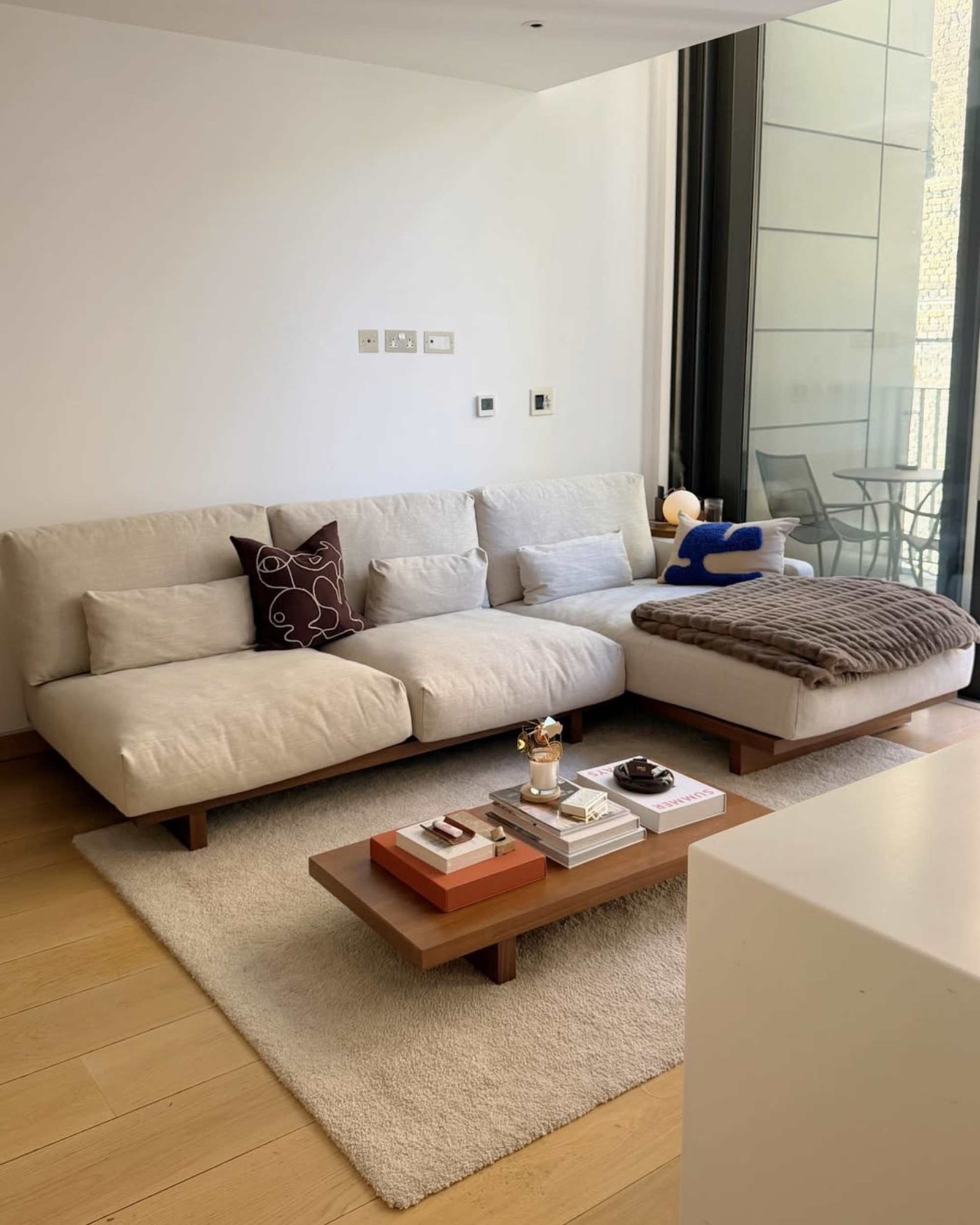
This flexibility means you’re not stuck with one layout. Even if your living room is small, you can host more comfortably.
Credit: www.castlery.com
Common Mistakes To Avoid
Choosing a modular sofa may seem simple, but beginners often make mistakes. Watch out for these:
- Ignoring module size – Check the dimensions of each module, not just the total sofa size. Some modules are deeper or taller than others, which can make the sofa too big for your room.
- Over-buying modules – Start with the basics. It’s tempting to buy many pieces, but too many modules can overwhelm a small space.
- Skipping measurement – Measure your doorways, stairs, and hallways. Even small modules need to fit through these spaces.
- Forgetting about fabric – Some fabrics are harder to clean or too delicate for daily use, especially in small, busy rooms.
- Not checking connectors – Good modular sofas have strong, easy-to-use connectors. Weak connectors make the sofa feel loose and can wear out quickly.
A practical tip: Before buying, use masking tape to mark the sofa’s footprint on your floor. This helps you see how much space it will really use.
Modular Sofa Vs. Traditional Sofa In Small Spaces
To make your decision easier, here’s a side-by-side look at key differences:
| Feature | Modular Sofa | Traditional Sofa |
|---|---|---|
| Customization | High | Low |
| Easy to Move | Yes | No |
| Fits Tight Spaces | Yes | No |
| Multi-Functionality | Often | Rarely |
| Upgrade Cost | Low (per module) | High (whole sofa) |
This table shows why more people choose modular sofas for small homes.
Choosing The Right Modular Sofa For Your Space
When shopping, keep these points in mind:
- Measure your room – Don’t guess. Use a tape measure for accurate results.
- Check module sizes – Make sure each module fits your plan.
- Test comfort – If possible, visit a showroom to sit on the modules.
- Think about future needs – Will you want to add more seats later?
- Review connectors and fabric – Look for sturdy hardware and easy-to-clean covers.
A non-obvious insight: Some brands let you buy extra covers or legs in different colors. This way, you can refresh your sofa’s look without new modules.
Real-life Example: Making A Tiny Room Work
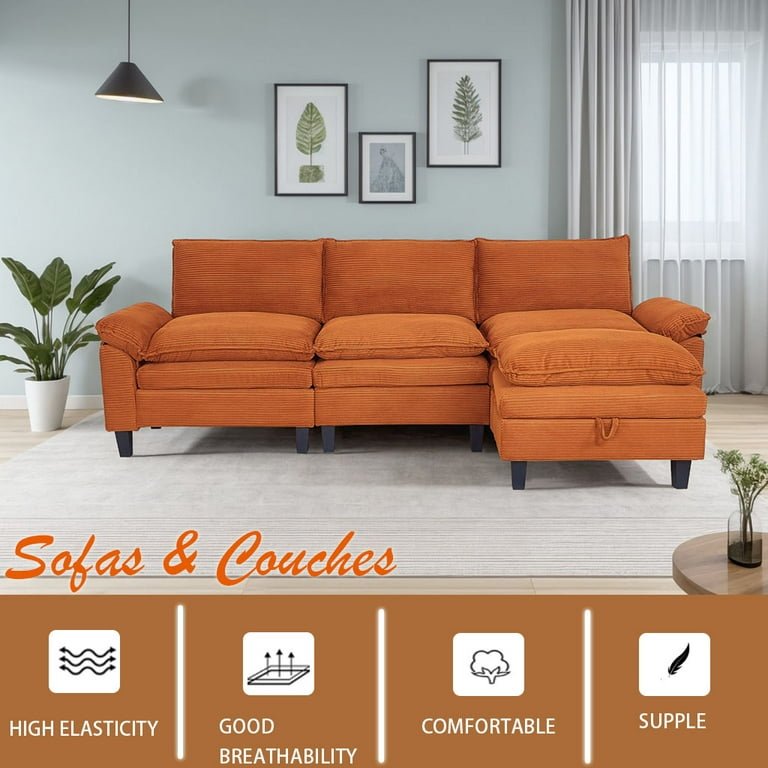
Consider a young couple living in a 400-square-foot apartment. Their living room is only 8 by 10 feet. They choose a three-piece modular sofa with a storage chaise. During the day, all modules form an L-shape for watching TV. When guests visit, they separate a module for extra seating.
At night, the chaise stores blankets, and one module becomes a footrest. This setup makes their small space work for relaxing, socializing, and even sleeping, all with one piece of flexible furniture.
Credit: www.walmart.com
Environmental Benefits
Modular sofas can also be a greener choice. Because you replace only worn modules—not the whole sofa—you create less waste. Some brands use recycled materials or sustainable wood frames. And, because you can update and expand your sofa, you are less likely to throw it away when your life changes.
According to a report from the US Environmental Protection Agency, furniture waste is a growing problem. Modular designs can help reduce this impact by making sofas last longer and adapt to new uses.
Final Thoughts
If you want a home that feels bigger, cleaner, and more comfortable, a modular sofa is a smart investment for small spaces. It adapts to your life, saves money, and makes every inch count. With so many styles and features, there is a perfect modular for every taste and budget. Just measure carefully, start simple, and enjoy the flexibility that modular living brings. Your small space can become a cozy, stylish retreat with the right choices.
Frequently Asked Questions
What Is The Difference Between A Modular Sofa And A Sectional Sofa?
A modular sofa is made of separate pieces (modules) that you can arrange in many ways. A sectional sofa is usually a fixed L-shape or U-shape, and the pieces may not be as flexible. Modular sofas offer more freedom to change the layout as your needs change.
Can Modular Sofas Fit In Very Small Rooms?
Yes, modular sofas are perfect for very small rooms. You can start with just two or three modules to fit a tight space, then add more if you move to a bigger home.
Are Modular Sofas Comfortable For Daily Use?
Most modular sofas are designed for daily comfort. Look for models with deep seats, good-quality foam, and supportive backs. It’s best to test in-store if possible.
Do Modular Sofas Last As Long As Traditional Sofas?
With good care, modular sofas can last just as long—or longer—than traditional sofas. Because you can replace only the worn modules, they often have a longer usable life.
How Do I Clean A Modular Sofa?
Many modular sofas have removable covers you can wash. You can also separate the modules to vacuum under and behind them. Check the care instructions for your fabric before washing.
