
Choosing the right art prints for your home can transform a plain space into a place that feels truly yours. Many people feel overwhelmed by the options, not knowing where to start or what really works for their space. The good news is, with a little guidance, you can select art that not only looks beautiful but also reflects your personality, matches your décor, and stands the test of time.
This guide will walk you through everything you need to know about choosing art prints for home decoration, from understanding your personal style to practical tips on size, color, and framing.
Understanding Your Personal Style
Before you buy any art prints, it’s important to think about what you like. Art should make you feel good every time you look at it. Start by considering:
- What colors do you prefer?
- Do you like classic, modern, abstract, or realistic art?
- Are you drawn to landscapes, people, animals, or something else?
A simple way to discover your style is to look at your clothes, the furniture you buy, and the places you like to visit. For example, if your clothes are mostly black and white, you might enjoy minimalist or monochrome prints.
If your favorite vacation spot is the beach, ocean-themed art could be a great choice.
Matching Art Prints To Your Space
Not every print works in every room. Think about the function and mood of each space:
- Living room: This is a place to relax and entertain. Choose prints that are welcoming and reflect your interests.
- Bedroom: Go for calming colors and soothing images, such as soft abstracts or peaceful landscapes.
- Kitchen: Fun, bright prints or food-themed art can make the kitchen feel lively.
- Hallways/entrance: Use bold or unique prints to make a strong first impression.
Sometimes, beginners forget to consider how lighting affects art. Natural light can fade prints over time, so choose spots away from direct sunlight or use UV-protective glass.
Choosing The Right Size And Placement
Size makes a huge difference. Too small, and your print looks lost. Too large, and it can overwhelm the room. Here are some guidelines:
- For a sofa or bed, the print should be about two-thirds the width of the furniture.
- Center the print at eye level, which is usually around 57–60 inches from the floor.
- For gallery walls, leave 2–3 inches between frames for a tidy look.
Here’s a quick comparison of print sizes and common uses:
| Print Size | Best Location | Visual Impact |
|---|---|---|
| 8″ x 10″ | Desks, shelves | Accent, subtle |
| 16″ x 20″ | Bedrooms, small walls | Medium focus |
| 24″ x 36″ | Living rooms, over beds/sofas | Main focal point |
Many people make the mistake of choosing prints that are too small for large walls. It’s better to go bigger, or group smaller prints together.
Picking Colors That Complement Your Home
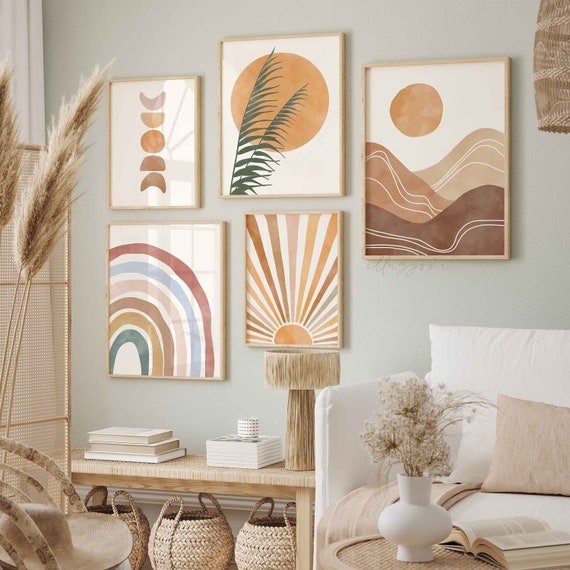
Color can tie the room together or create a bold contrast. Start by looking at the main colors in your room—walls, furniture, and accents.
- For a harmonious look, pick art prints that use your room’s main color or a lighter/darker version.
- To create contrast, choose colors opposite on the color wheel. For example, blue art in a room with orange accents.
A simple tip: limit your art prints to three main colors for a balanced look.
Credit: www.etsy.com
Exploring Different Art Print Types
Not all prints are the same. Here are some popular types:
- Giclée prints: High-quality, long-lasting, and look almost like original paintings.
- Photography prints: Great for a modern or minimalist look.
- Screen prints: Have a handmade feel with bold colors.
- Typography prints: Use words, quotes, or letters—perfect for offices or kitchens.
Each type offers a unique texture and finish. If you want art that feels personal, look for limited edition or signed prints.
Deciding Between Framed And Unframed Prints
Framing isn’t just for looks—it protects your art from dust and damage. But frames also change how a print feels in a room.
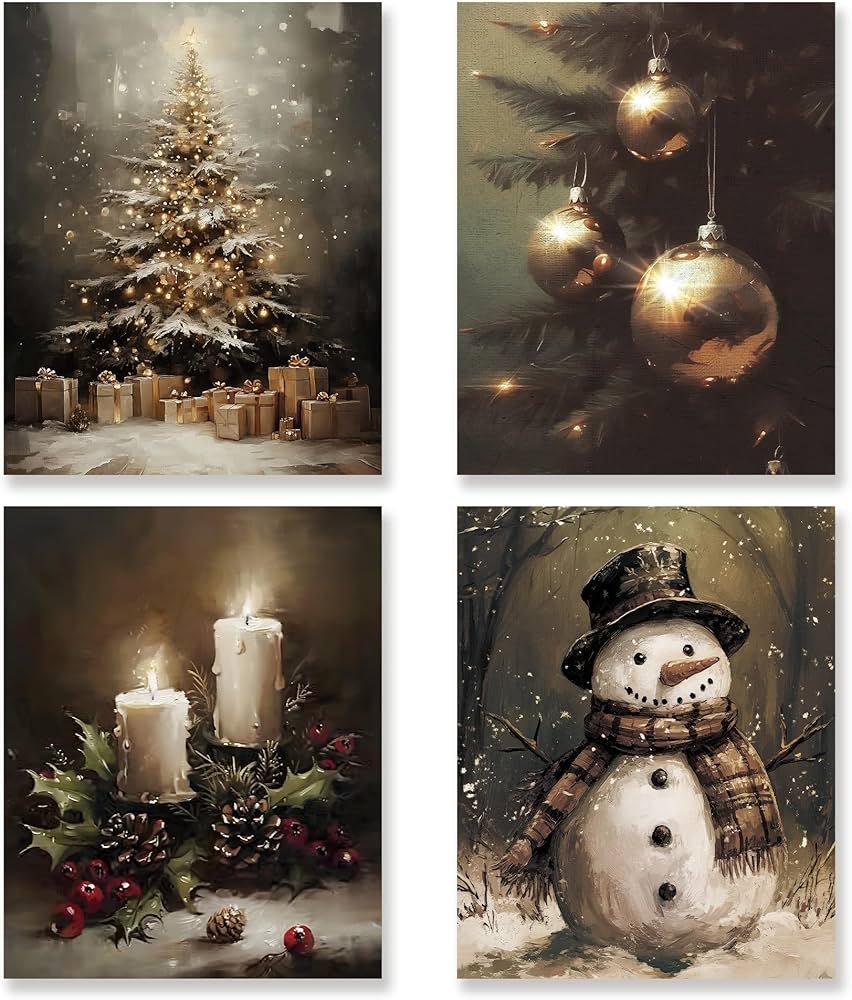
- Framed prints: Look more finished and classic. Choose wood for warmth, metal for a modern edge.
- Unframed prints: More casual and flexible. You can use clips, washi tape, or lean them on shelves for a relaxed style.
Here’s a quick table comparing frames:
| Frame Material | Best For | Pros | Cons |
|---|---|---|---|
| Wood | Traditional, cozy rooms | Warm, classic | Can be heavy |
| Metal | Modern, minimalist décor | Sleek, lightweight | Less warm |
| Plastic | Budget-friendly spaces | Affordable, light | Less durable |
Many beginners overlook frame color. Black and white frames are safe choices, but wood tones add warmth.
Credit: www.amazon.com
Considering Art Print Themes
Themes can help rooms feel connected. You don’t need all your prints to match, but a common theme keeps things tidy.
Popular themes include:
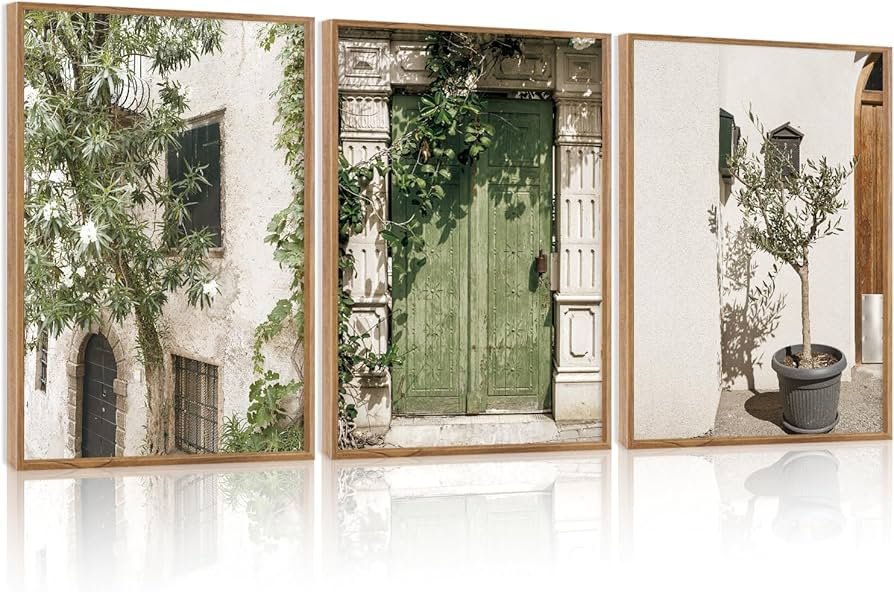
- Nature: Trees, flowers, water, and landscapes.
- Abstract: Shapes and colors without clear images.
- Cityscapes: Famous places, skylines, or street scenes.
- People and portraits: Faces, figures, or silhouettes.
If you’re decorating a child’s room, look for playful themes like animals or fantasy scenes.
Setting A Budget For Art Prints
Art doesn’t have to be expensive. Set a budget before you start shopping.
- Affordable prints: $10–$50 each. You can find great options online or at local shops.
- Mid-range: $50–$200. Usually higher quality, limited editions, or larger sizes.
- Investment pieces: $200 and up. These may appreciate in value if they’re by known artists.
A common mistake is spending too much on framing and not enough on the print. Sometimes, a simple frame lets the art shine.
Where To Buy Art Prints
You have many choices:
- Online marketplaces: Websites like Etsy and Society6 offer a wide range of styles and prices.
- Local galleries and art fairs: Support local artists and see prints in person.
- Museum shops: Great for high-quality reproductions of famous works.
- Print shops: Some let you customize size and material.
Always check return policies, especially when buying online. Look for detailed photos and read reviews.
Caring For Your Art Prints
Protecting your prints keeps them looking good for years. Here’s what to do:
- Hang away from direct sunlight to avoid fading.
- Use acid-free mats and backing for framed prints.
- Dust frames and glass regularly with a soft cloth.
- For unframed prints, keep them in a dry place and handle with clean hands.
A non-obvious tip: If you live in a humid area, avoid hanging prints in bathrooms unless they’re specially sealed.
Mixing And Matching Art Prints
You don’t have to stick to one style or color. Mixing prints can make your space unique—just follow a few rules:
- Use a common color, theme, or frame style to tie the prints together.
- Vary the size and orientation for interest.
- Leave enough space between prints so the wall doesn’t feel crowded.
Here’s a comparison of mixing strategies:
| Strategy | Best For | Key Tip |
|---|---|---|
| Color linking | Eclectic rooms | Choose prints with one shared color |
| Theme grouping | Calm, tidy spaces | Pick a subject like “nature” or “city” |
| Frame matching | Modern, minimalist homes | Use the same frame style for all prints |
A common beginner mistake is to hang prints at different heights. Keep the center lines level for a balanced look.
The Importance Of Authenticity
With so many prints available, it’s easy to buy cheap copies. If authenticity matters to you, look for:
- Signed prints or certificates of authenticity.
- Small edition numbers (e.g., 20/100).
- Reputable sellers.
Supporting real artists means your print is unique and often higher quality. For more about authentic art prints, see this Wikipedia guide to art prints.
Credit: www.amazon.com
Frequently Asked Questions
What Is The Best Size For Art Prints In The Living Room?
The ideal size depends on your wall and furniture. Usually, prints that are about two-thirds the width of your sofa or main piece of furniture look best. For example, a 24″ x 36″ print works well above a standard sofa.
How Do I Pick Colors For Art Prints?
Look at your room’s main colors. For a soft look, match your prints to these colors. For more drama, choose contrasting colors. Limiting to three main colors keeps things balanced.
Should I Buy Framed Or Unframed Art Prints?
Framed prints offer protection and a finished look, while unframed prints are more flexible and casual. Consider your budget and style—frames can cost as much as the print itself.
Where Can I Find Affordable Art Prints?
Online marketplaces like Etsy, local art fairs, and museum shops all have affordable options. Always check quality and return policies before buying.
How Do I Protect My Art Prints From Damage?
Hang prints away from sunlight, use acid-free materials, and dust regularly. In humid areas, avoid hanging valuable prints in bathrooms or kitchens.
Finding the right art prints for your home is both an art and a science. Take your time, trust your taste, and don’t be afraid to experiment. The perfect art print is the one that makes you smile every time you walk into the room.
