
Concrete planters have become a popular choice for both indoor and outdoor gardening. They offer a modern, clean look and are available in many shapes and sizes. But before you decide to buy or make a concrete planter, it’s important to weigh the advantages and disadvantages.
Understanding these will help you choose the best planter for your plants and your space. Let’s explore the pros and cons of concrete planters in detail.
What Makes Concrete Planters Stand Out?
If you walk into a garden center or browse online stores, you will see many types of planters. Concrete stands out because it is both classic and contemporary. People love concrete planters for their sturdy appearance and the way they blend with almost any style, from industrial to minimalist.
But there’s more to consider than just looks. Concrete planters have unique qualities that affect plant health, planter maintenance, and even your budget. Let’s dive into the specific benefits and downsides.
Pros Of Concrete Planters
1. Superior Durability
Concrete is famous for its strength and longevity. Unlike plastic or thin metal, a concrete planter can last for decades if cared for properly. It resists cracking from temperature changes and doesn’t warp in the sun. For outdoor gardens or public spaces, this durability means less replacement and lower long-term costs.
2. Stability For Large Plants
Many gardeners use concrete planters for trees or large shrubs. These planters are heavy, so they don’t tip over easily, even in strong wind. If you want to grow a tall plant or a small tree on a balcony or patio, concrete is a smart choice for safety and peace of mind.
3. Excellent Insulation
Concrete’s thickness helps protect plant roots from extreme temperatures. In hot climates, it prevents soil from overheating. In cold climates, it offers some protection against sudden drops in temperature. This means your plants face less stress, and you have a better chance of healthy growth all year.
4. Modern And Versatile Style
Concrete planters fit many design themes. Their neutral gray color works with most plants and home styles. You can paint, stain, or texture concrete to match your taste. Some people even add tiles or stones for a custom look.
5. Low Maintenance
Concrete does not need much upkeep. It will not rot, get eaten by insects, or fade quickly in sunlight. Just wash it once in a while to remove dirt, and your planter will look new for years.
6. Custom Shapes And Sizes
Concrete is a flexible material when made in molds. You can find or create planters in almost any shape or size, from small table planters to large statement pieces for your yard. This is great for unique garden designs.
7. Environmentally Friendly Options
Concrete planters can be made with recycled materials or local sand and gravel. Some companies even use eco-friendly methods to reduce emissions during production. If you want a sustainable choice, ask about the source of the materials.
8. Pest And Animal Resistance
Concrete is not attractive to most insects or rodents. It does not provide food or shelter for pests. This can help protect your plants from unwanted visitors, especially in outdoor spaces.
9. Good For Public Or High-traffic Areas
Because concrete planters are hard to move or damage, they are common in parks, city streets, and office buildings. They act as barriers or decorations that last for years, even with heavy use.
10. Can Be Used As Raised Beds
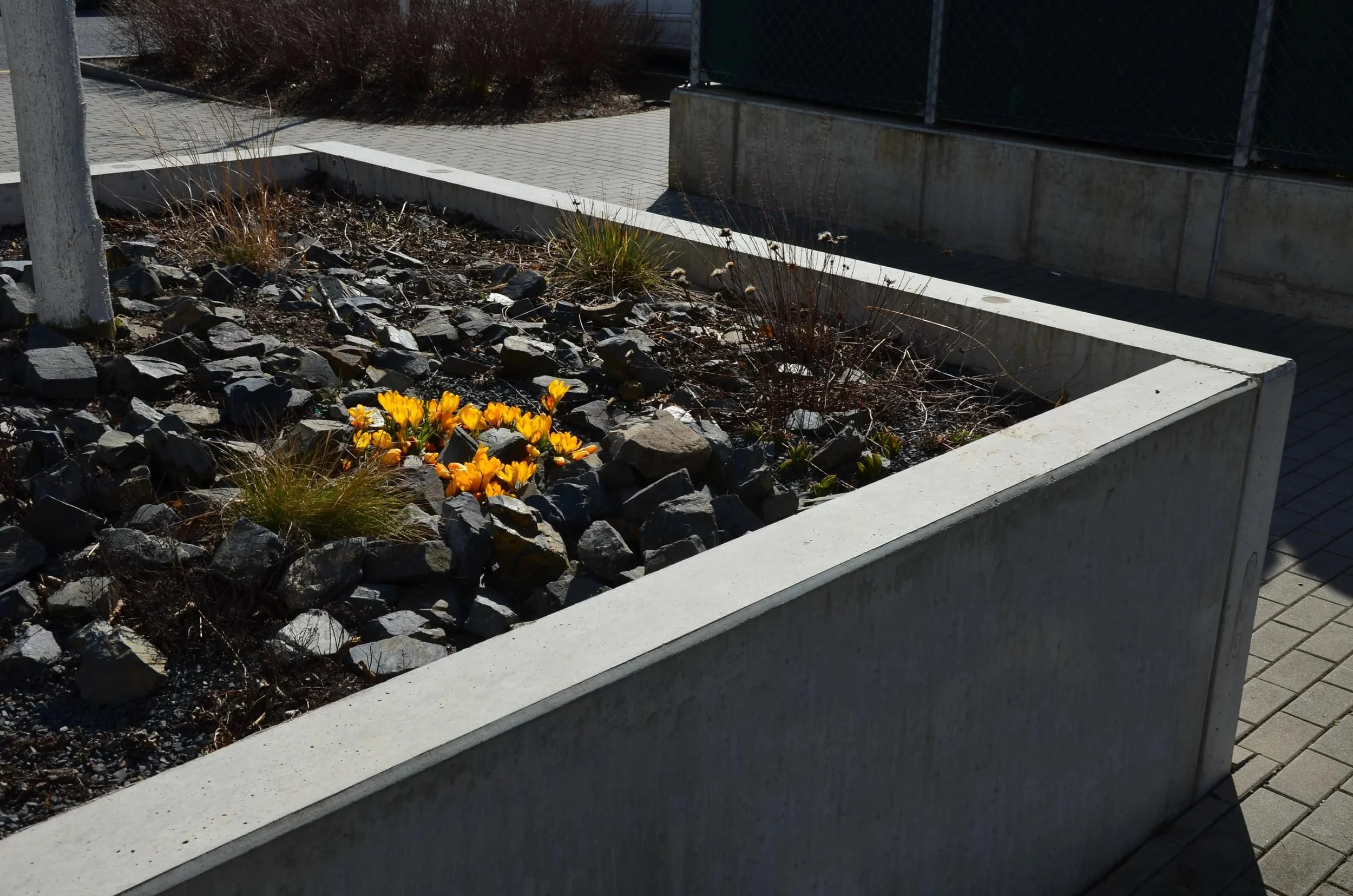
Large concrete planters can work as mini raised beds for growing vegetables, herbs, or flowers. Raised beds have many benefits, such as better soil control and less bending during gardening.
Cons Of Concrete Planters
1. Heavy And Hard To Move
The main downside is weight. Even a medium-size concrete planter can be very heavy. This makes moving them difficult, especially if you like to rearrange your space or live in an apartment. Delivery and setup can be a challenge.
2. Costly Upfront
Concrete planters often cost more than plastic or ceramic ones. The price comes from the material, weight, and sometimes custom designs. While they last longer, the initial investment can be high for large or decorative pieces.
3. Risk Of Cracking Over Time
Although durable, concrete is not flexible. If dropped, hit, or exposed to freeze-thaw cycles without proper drainage, it can crack. Cracks can also appear if the planter is not made well or if it lacks steel reinforcement.
4. Alkalinity Can Affect Soil
Concrete is naturally alkaline. This means it can change the pH of your soil, which can harm acid-loving plants like azaleas or blueberries. Over time, lime from the concrete may leach into the soil. Sealing the inside can reduce this effect.
5. Limited Color Choices
While you can paint or stain concrete, most planters are sold in gray or earth tones. If you want bright colors or glossy finishes, you may need extra work or a different material.
6. Surface Stains And Marks
Concrete can absorb stains from soil, water, or fertilizer. Dark spots, white mineral lines, or moss can appear if the planter is kept wet. Cleaning helps, but some stains are hard to remove.
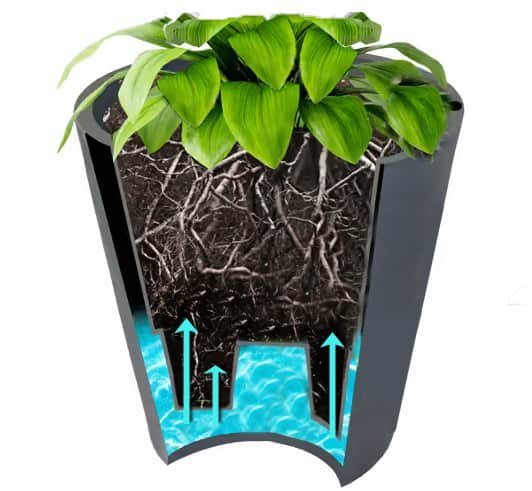
7. Poor Drainage If Not Designed Well
Concrete is not naturally porous. If the planter does not have drainage holes, water can build up and harm your plants. Always check for holes before buying or drill your own (carefully) if needed.
8. Not Ideal For All Plants
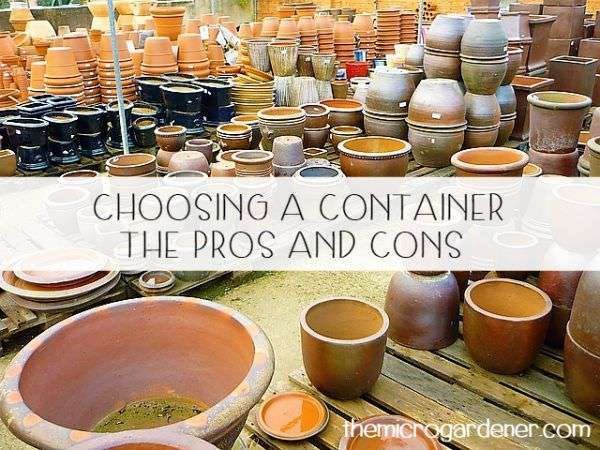
Some small or delicate plants do better in lighter, more breathable containers like terracotta. Concrete’s weight and insulation are too much for some types of roots.
9. Can Damage Surfaces
A heavy concrete planter can scratch or crack wooden decks, tiles, or indoor floors if moved carelessly. Use pads or stands to protect surfaces.
10. Hard To Dispose Of
If you want to get rid of a concrete planter, it’s not easy to recycle. It may end up in a landfill, unless you find a way to reuse or donate it.
Real-world Comparison: Concrete Vs. Other Planter Materials
To help you see how concrete planters compare, here’s a side-by-side look at common materials:
| Feature | Concrete | Plastic | Ceramic | Terracotta |
|---|---|---|---|---|
| Durability | Very High | Low–Medium | Medium | Medium |
| Weight | Heavy | Light | Medium | Medium |
| Insulation | Good | Poor | Average | Excellent |
| Maintenance | Low | Very Low | Medium | Medium |
| Cost | Medium–High | Low | Medium–High | Low–Medium |
This table shows that concrete planters are best when you need something sturdy and long-lasting, but they may not suit every situation.
Credit: www.urbanscapeplanters.com
When To Choose Concrete Planters
You should pick a concrete planter if you:
- Want a permanent planter for outdoor use
- Need to hold large, heavy, or top-heavy plants
- Like a modern, industrial, or minimalist style
- Want to protect plants from temperature swings
- Don’t plan to move your plants often
If your needs are different, you may want to consider other materials.
Tips For Using Concrete Planters
1. Seal the Interior: Use a non-toxic sealant to protect against lime leaching and make cleaning easier.
2. Check for Drainage: Make sure there is at least one drainage hole. If not, drill one carefully with a masonry bit.
3. Use Pot Feet or Pads: Place rubber pads or pot feet under the planter to prevent damage to floors or decks.
4. Avoid Dragging: Always lift concrete planters rather than dragging to avoid floor damage.
5. Choose the Right Soil: Use a well-draining potting mix to prevent waterlogging, especially for plants sensitive to wet roots.
6. Match Plant Needs: Avoid using concrete for plants that require acidic soil, unless you seal the inside well.
7. Clean Regularly: Remove stains or moss with mild soap and water to keep your planter looking its best.
Concrete Planters: Non-obvious Insights
Many beginners don’t realize that concrete planters can sweat in humid weather. Moisture can appear on the outside, sometimes leaving white mineral marks. This is normal, but it’s best to place them where a little water won’t cause problems.
Another overlooked fact: concrete planters get even heavier when filled with wet soil. If you plan to move the planter, do it before adding soil and plants. Once filled, moving often requires special equipment or several people.
Are Concrete Planters Safe For Food Crops?
Some gardeners worry about using concrete for edible plants. Most modern concrete is safe, but always use a food-safe sealer if growing vegetables, especially root crops. Avoid using very old or unknown concrete, as it may contain unsafe additives.
For more on planter safety and soil chemistry, you can check the Wikipedia page on planters.
Credit: themicrogardener.com
Practical Examples
Imagine you want to grow a small olive tree on your balcony. A concrete planter is perfect because it won’t tip over in the wind, and the roots are protected from summer heat. On the other hand, if you want to move plants indoors and outdoors with the seasons, concrete may be too heavy and awkward.
Or, suppose you want colorful flowers in a bright blue pot for your kitchen. Concrete is possible, but you’ll need extra work to paint and seal it compared to buying a ceramic pot in that color.
Data Table: Concrete Planter Life Span And Cost
Here’s a quick look at how long concrete planters last compared to other materials, and their average cost:
| Material | Average Life Span | Average Cost (Medium Size) |
|---|---|---|
| Concrete | 20–50 years | $40–$120 |
| Plastic | 3–7 years | $10–$30 |
| Ceramic | 5–10 years | $25–$80 |
| Terracotta | 5–15 years | $15–$40 |
As you see, concrete planters are a long-term investment, with a higher upfront cost but much longer lifespan.
Common Mistakes When Choosing Concrete Planters
- Ignoring weight: Many people buy a large concrete planter without thinking about how they’ll move it.
- No drainage holes: Lack of drainage is a common issue and can kill your plants.
- Not sealing inside: Failing to seal the interior can lead to soil pH changes or stains.
- Placing on unprotected floors: Heavy concrete can scratch or crack soft surfaces if you don’t use pads.
Frequently Asked Questions
What Plants Are Best Suited For Concrete Planters?
Large shrubs, small trees, and plants that need stable roots do best in concrete planters. They are also good for succulents, cacti, and outdoor displays that won’t be moved often.
How Can I Make A Concrete Planter Lighter?
You can use a lighter concrete mix, such as one that includes perlite or pumice. Some people also fill the bottom with foam or lightweight material before adding soil.
How Do I Prevent Concrete Planters From Cracking?
Make sure your planter has good drainage and avoid exposing it to sudden temperature changes. Use planters with steel reinforcement for extra strength, especially for large sizes.
Can I Paint Or Decorate A Concrete Planter?
Yes, you can paint, stain, or mosaic concrete planters. Use outdoor paint and seal after decorating to protect your design.
Are Concrete Planters Eco-friendly?
They can be, especially if made with recycled materials or produced locally. Concrete lasts a long time, reducing waste. However, making cement uses energy, so check how your planter was produced if sustainability is important to you.
Concrete planters are a smart choice for many gardeners, but they are not for everyone. Think about your needs, plant types, and space before choosing. With the right care, a concrete planter can become a beautiful and lasting part of your garden.
Credit: www.puremodern.com