
Choosing the right pillow can make a big difference in how well you sleep. Many people face a common question: should you buy a down pillow or a down alternative pillow? Both types are popular, but they have important differences that affect comfort, price, allergies, and even how they are made. If you want to wake up feeling rested and free from neck pain, understanding these differences is essential.
In this guide, you’ll discover how down and down alternative pillows compare. You’ll learn about materials, comfort, care, cost, allergies, and more. By the end, you’ll know exactly which type suits your needs and why.
What Is A Down Pillow?
A down pillow is filled with the soft inner feathers of ducks or geese, usually taken from the chest or underbelly. This filling is famous for being ultra-soft, fluffy, and lightweight. The outer shell is often made from high-quality cotton to keep the filling inside and provide a smooth surface.
Benefits Of Down Pillows
- Luxury comfort: Down pillows are known for their plush feel, which gives a sense of sleeping on a cloud.
- Excellent insulation: Down traps air, helping to keep your head warm in winter and cool in summer.
- Long lifespan: With proper care, down pillows can last 5–10 years or more.
Downsides Of Down Pillows
- Expensive: Because real down is rare and must be collected carefully, these pillows can cost $80–$200 or more.
- Allergy risk: Some people are allergic to down or dust mites that can live inside the feathers.
- Ethical concerns: Down is an animal product. There are concerns about how the birds are treated during feather collection.
What Is A Down Alternative Pillow?
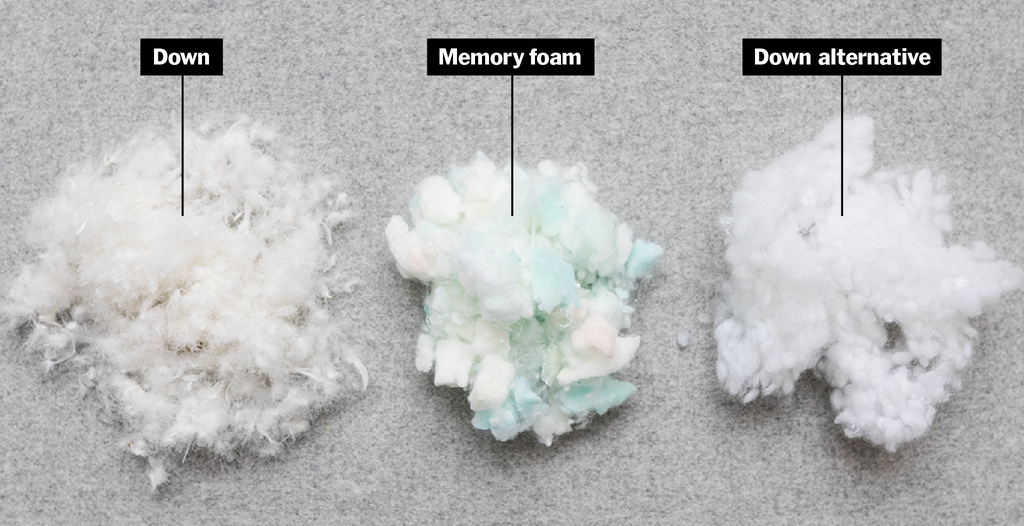
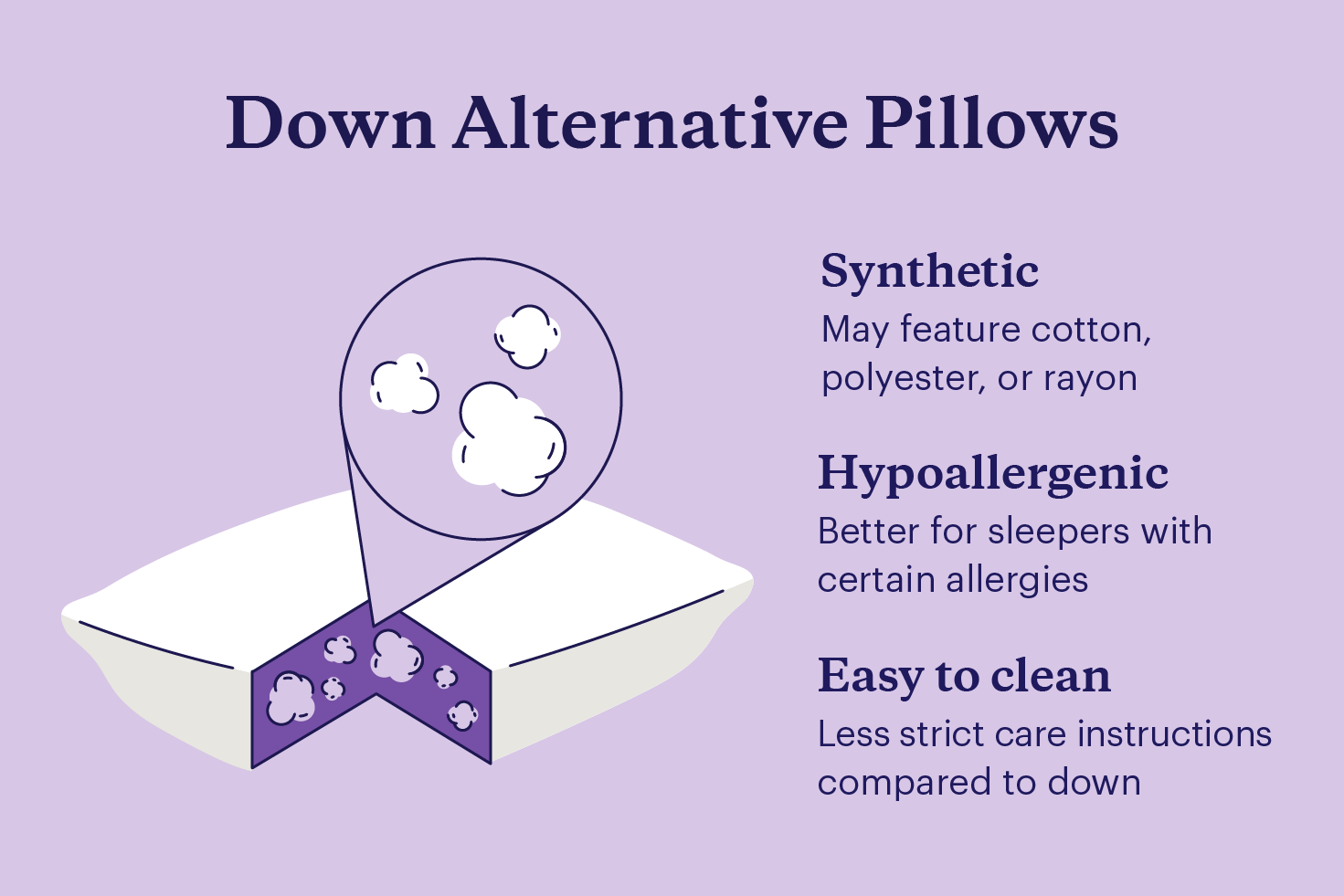
A down alternative pillow uses synthetic materials to imitate the feel of real down. The most common filling is polyester microfiber, but some brands use materials like rayon or memory foam blends.
Benefits Of Down Alternative Pillows
- Hypoallergenic: These pillows are less likely to cause allergies because they don’t use animal products.
- Affordable: Prices usually range from $20–$60, making them much cheaper than down.
- Easy to care for: Most are machine washable and dry quickly.
Downsides Of Down Alternative Pillows
- Less durable: Synthetic fibers break down faster, often lasting only 1–3 years before losing shape.
- Can feel less luxurious: Some people find them less soft or not as “cloud-like” as real down.
- Heat retention: Some synthetics trap heat, making them warmer than down.
Credit: coteriebrooklyn.com
Down Vs Down Alternative: Direct Comparison
Let’s compare the two pillow types side by side across the most important factors. This will help you decide which fits your needs.
| Feature | Down Pillow | Down Alternative Pillow |
|---|---|---|
| Comfort | Soft, fluffy, molds to head | Soft, but less moldable |
| Support | Medium support, compresses over time | Varies (soft to firm), holds shape better |
| Allergy Risk | Possible (due to down or dust mites) | Low (hypoallergenic) |
| Price | High ($80–$200+) | Low ($20–$60) |
| Care | Hand wash, air dry, or dry clean | Machine washable |
| Durability | 5–10 years | 1–3 years |
| Ethics | Animal product, ethical concerns | Cruelty-free, vegan |
Comfort And Support: Which Feels Better?
Down pillows are famous for their luxurious softness and the way they gently hug your head. They are perfect for people who like a pillow that can be fluffed up and adjusted each night. The way down compresses gives a unique, cushiony feel.
Down alternative pillows can be soft, but they often lack the same “sink-in” sensation. However, they come in more firmness levels, so you can find options from soft to extra firm. If you want a pillow that keeps its shape all night, down alternative may be a better choice.
Key Insight:
Many beginners think the softest pillow is always best. In reality, support matters more than softness, especially for neck health. If you sleep on your side or back, make sure your pillow keeps your head aligned with your spine.
Allergies: Which Is Safer?
Allergies are a big reason many people avoid down pillows. Even if you are not allergic to feathers, dust mites can live inside natural fillings and cause issues like sneezing, runny nose, or itchy eyes.
Down alternative pillows use synthetic fibers that don’t attract as many allergens. They are often labeled “hypoallergenic,” making them a safer choice for sensitive sleepers.
Practical Tip:
If you love down but worry about allergies, look for pillows with a high-thread-count cover. This barrier can block dust mites from entering the pillow.
Care And Cleaning
Down pillows need gentle care. You usually have to hand wash or take them to a dry cleaner. Washing them in a machine can damage the delicate feathers, causing the pillow to lose fluffiness and form clumps.
Down alternative pillows are usually machine washable, which saves time and effort. This is helpful for people who need to wash pillows often due to allergies, spills, or small children.
| Pillow Type | Washing Method | Drying Method |
|---|---|---|
| Down | Hand wash or dry clean | Air dry or low heat, needs fluffing |
| Down Alternative | Machine wash | Machine dry, quick and easy |
Lifespan And Durability
One of the main reasons people invest in down pillows is their long life. With care, they can last up to a decade. Down alternative pillows, however, tend to flatten or get lumpy after a few years.
If you want a pillow that lasts and keeps its comfort, down is the better choice. But if you like to replace pillows often, down alternative can be more practical.
Price And Value
The price difference is huge. Down pillows cost much more because the raw material is limited and the process is labor-intensive. High-quality down (called “goose down” or “Hungarian down”) is even more expensive.
Down alternative pillows are more budget-friendly, often costing three to five times less than down.
Non-obvious Insight:
Don’t be fooled by “cheap down” pillows. Some use a mix of real down and lower-quality feathers, which can poke through the fabric and reduce comfort. Always check for fill power (higher numbers mean fluffier down) and read reviews.
Credit: www.nytimes.com
Ethical And Environmental Concerns
Some people avoid down pillows for animal welfare reasons. There are concerns about how birds are treated during feather collection. While some down is certified as “responsibly sourced,” it’s hard to verify for every product.
Down alternative is cruelty-free and vegan. However, synthetic fibers are made from petroleum, which is not eco-friendly. Both types have pros and cons for the environment.
Sustainability Tip:
If you want an eco-friendly pillow, look for organic cotton covers and brands that use recycled materials for down alternative fillings.
Sleeping Positions: Which Pillow Fits Your Style?
Your favorite sleeping position affects which pillow is best for you.
- Back sleepers: Need a pillow with medium loft (height) to keep the head in line with the spine. Both down and down alternative work well if you pick the right thickness.
- Side sleepers: Need more support and a higher loft. Down alternative pillows are often better, as they hold their shape and provide firmer support.
- Stomach sleepers: Need a soft, low pillow to avoid neck strain. Down pillows are often perfect because they compress easily.
Temperature And Breathability
Down is naturally breathable and helps regulate temperature. If you get hot at night, down pillows can help keep you cool. Some down alternative pillows can trap heat, especially if they use dense or low-quality synthetic fibers.
If you tend to sleep warm, look for down alternative pillows labeled “cooling” or with gel-infused fibers.
Who Should Choose Down Pillows?
- People who want luxury comfort
- Those who value long-lasting products
- Sleepers who don’t have allergies to feathers
- Stomach sleepers who need a soft, compressible pillow
Who Should Choose Down Alternative Pillows?
- People with allergies or sensitive skin
- Those on a budget
- Shoppers who want an easy-care pillow
- Side sleepers who need more support
- Vegans or anyone avoiding animal products
Common Mistakes When Choosing Pillows
- Ignoring your sleep style: The wrong pillow shape or firmness can cause neck pain.
- Not checking fill power or material quality: Lower-quality pillows lose support fast.
- Assuming all down is the same: Goose down is fluffier and more durable than duck down.
- Overlooking cleaning needs: If you wash pillows often, down alternative is easier.
- Buying without trying: If possible, test a pillow in-store or check return policies.
Real-world Example
Sarah, a side sleeper with mild allergies, tried a down pillow for its softness. After a few weeks, she woke up with congestion and switched to a down alternative pillow. The new pillow gave her more support and stopped her allergy symptoms.
This shows why knowing your own needs is key before buying.
Data: Popularity And Trends
A recent survey found that about 35% of US consumers prefer down pillows for comfort, but nearly 50% choose down alternative because of price and allergy concerns. The trend toward hypoallergenic and cruelty-free products is growing, especially among younger buyers.
According to the American Academy of Allergy, Asthma, and Immunology, synthetic pillows can reduce allergy symptoms by up to 60% in sensitive people compared to traditional feather or down pillows. You can read more about pillow allergies from the AAAAI official website.
Frequently Asked Questions
What Is The Difference Between Down And Feather Pillows?
Down pillows use the soft, fluffy clusters found under the bird’s outer feathers, mainly from the chest area. Feather pillows use larger, firmer feathers with quills, which can poke through the fabric and feel less soft. Down pillows are usually softer and more expensive than feather pillows.
Credit: purple.com
Are Down Alternative Pillows Good For Neck Pain?
Yes, down alternative pillows can help with neck pain if you choose the right firmness and height. Look for options labeled “medium” or “firm” if you sleep on your side or back. The key is to keep your head and neck aligned with your spine.
How Do You Clean A Down Pillow?
Down pillows need special care. Most should be hand washed or dry cleaned. If you wash at home, use a gentle detergent, cold water, and dry thoroughly on low heat with dryer balls to restore fluff. Never leave them damp, or they may grow mold.
Can I Be Allergic To Down Alternative Pillows?
It is rare, but some people can be allergic to the chemicals used in synthetic fibers. Most down alternative pillows are labeled hypoallergenic and cause fewer reactions than real down. Always check for certifications if you have sensitive skin or allergies.
How Often Should Pillows Be Replaced?
Down pillows can last 5–10 years if cared for properly. Down alternative pillows usually last 1–3 years before losing support or becoming lumpy. Replace your pillow when you notice it no longer springs back or causes you discomfort.
Choosing between down and down alternative pillows comes down to your comfort needs, allergies, budget, and values. Each type has unique advantages, and understanding these differences helps you make a smart choice for better sleep.
