
When the cold months arrive, staying warm at night becomes a top priority. Many people wonder what is better for winter: a duvet or a comforter. Both are popular bedding choices, but they have important differences that affect warmth, comfort, and even your daily routine. If you want to sleep comfortably through icy nights, it’s important to choose the right one for your needs. Let’s explore each option in detail, compare them side by side, and help you make a smart choice for your winter bed.
Understanding Duvets And Comforters
Before comparing which is better, it’s helpful to know what each item actually is.
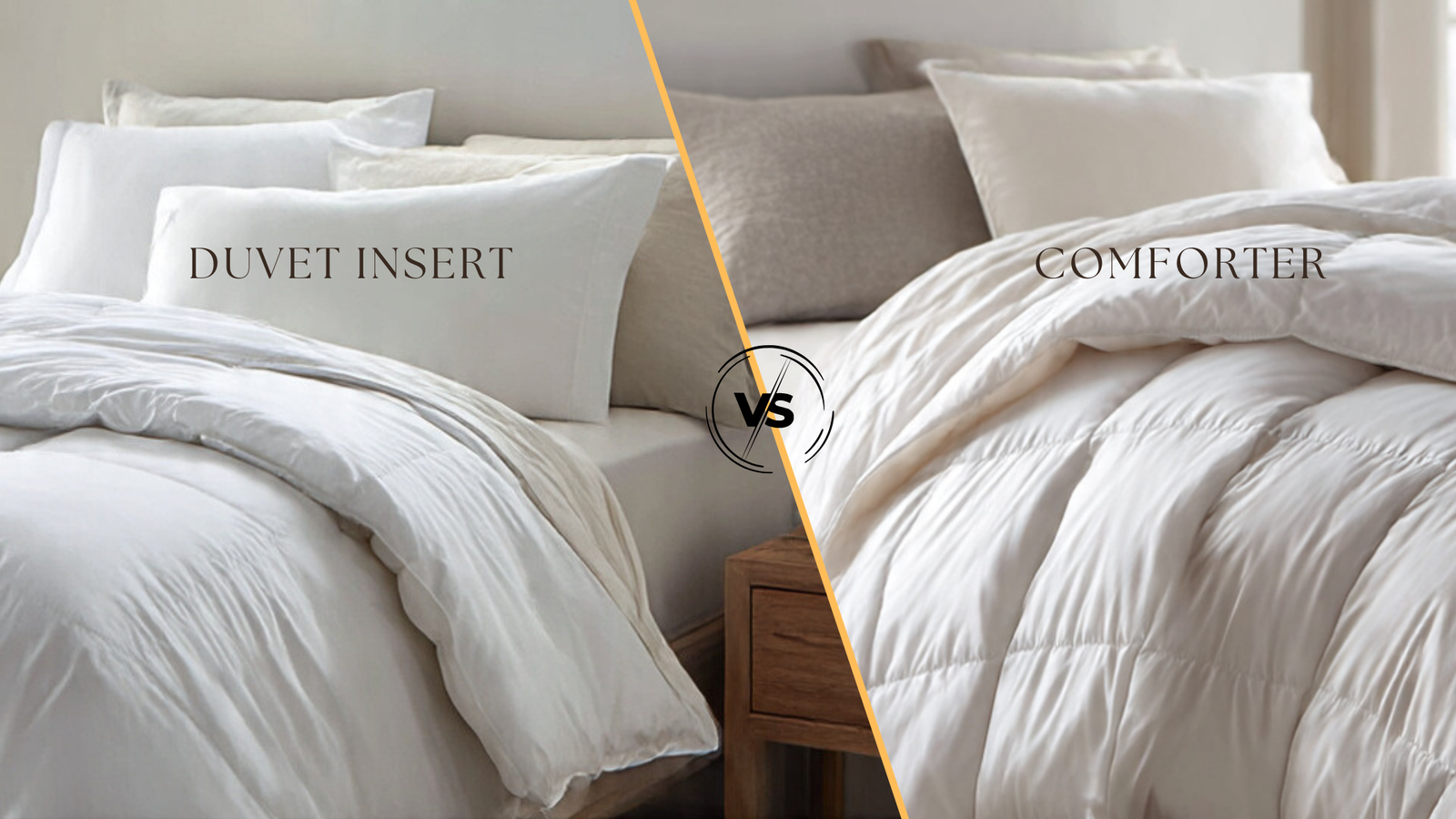
A duvet is a soft, flat bag filled with down, feathers, wool, or synthetic fibers. It’s designed to be used inside a duvet cover, which you can remove and wash. The duvet itself is rarely washed—only the cover is cleaned regularly.
A comforter is a thick, quilted blanket filled with similar materials (down, feathers, or synthetics), but it’s stitched closed and doesn’t need a separate cover. Comforters are often decorated and can be used as the top layer of your bedding, without extra covers.
While they look similar, these differences affect how they feel, how warm they are, and how easy they are to care for.
Warmth: Which Keeps You Warmer In Winter?
The main reason people look for a duvet or comforter in winter is to stay warm. But which one performs better?
Insulation And Fill Power
Both duvets and comforters can be filled with down, feathers, wool, or synthetic fibers. However, duvets are often designed to be fluffier and have higher fill power (a measure of how much air the filling traps). This makes them warmer for their weight.
Comforters tend to have less fill power and are stitched in patterns that can make the filling less evenly spread. This sometimes leads to “cold spots” where warmth escapes.
Thickness And Weight
Duvets are usually thicker and puffier. They trap more air, which acts as an insulator. Comforters are often thinner, with less air inside, so they may not be as warm unless you choose a “heavyweight” model.
Real-world Example
In Scandinavian countries, where winters are extremely cold, duvets are the standard choice. People often use thick down duvets rated for very low temperatures, showing their effectiveness in harsh climates.
Comfort And Sleep Quality
Warmth isn’t the only thing that matters. Comfort and sleep quality are also important.
Softness And Flexibility
Duvets tend to feel lighter and fluffier on the body. They mold easily to your shape, creating a cozy cocoon effect. Comforters can feel a bit heavier and stiffer due to their stitching and construction.
Breathability
High-quality duvets, especially those filled with down, offer excellent breathability. They keep you warm but allow moisture to escape, so you’re less likely to wake up sweaty. Comforters, especially synthetic ones, may trap more heat and moisture, which can be uncomfortable for some people.
Personal Preferences
If you move a lot in your sleep, a duvet may be better because it moves with you and doesn’t slip off as easily. Comforters are heavier and more likely to stay in place, which some people prefer.
Maintenance And Cleaning
How you care for your bedding can be a big factor, especially in winter when you want things to be easy.
Washing
Duvets require a cover, which is easy to remove and wash. You usually only need to wash the duvet itself once or twice a year. Comforters, on the other hand, must be washed as a whole item. This can be difficult if they are large or filled with down, which takes a long time to dry.
Stains And Spills
If you spill something on your bed, a duvet cover protects the expensive insert. With a comforter, the stain goes directly onto the comforter itself, which is harder to clean.
Durability
Because duvets are protected by covers, they tend to last longer. Comforters, which are washed more often, may wear out or lose their fluff faster.
Style And Bedroom Appearance
Bedding is not just about function. It’s also a big part of your bedroom’s style.
Design Choices
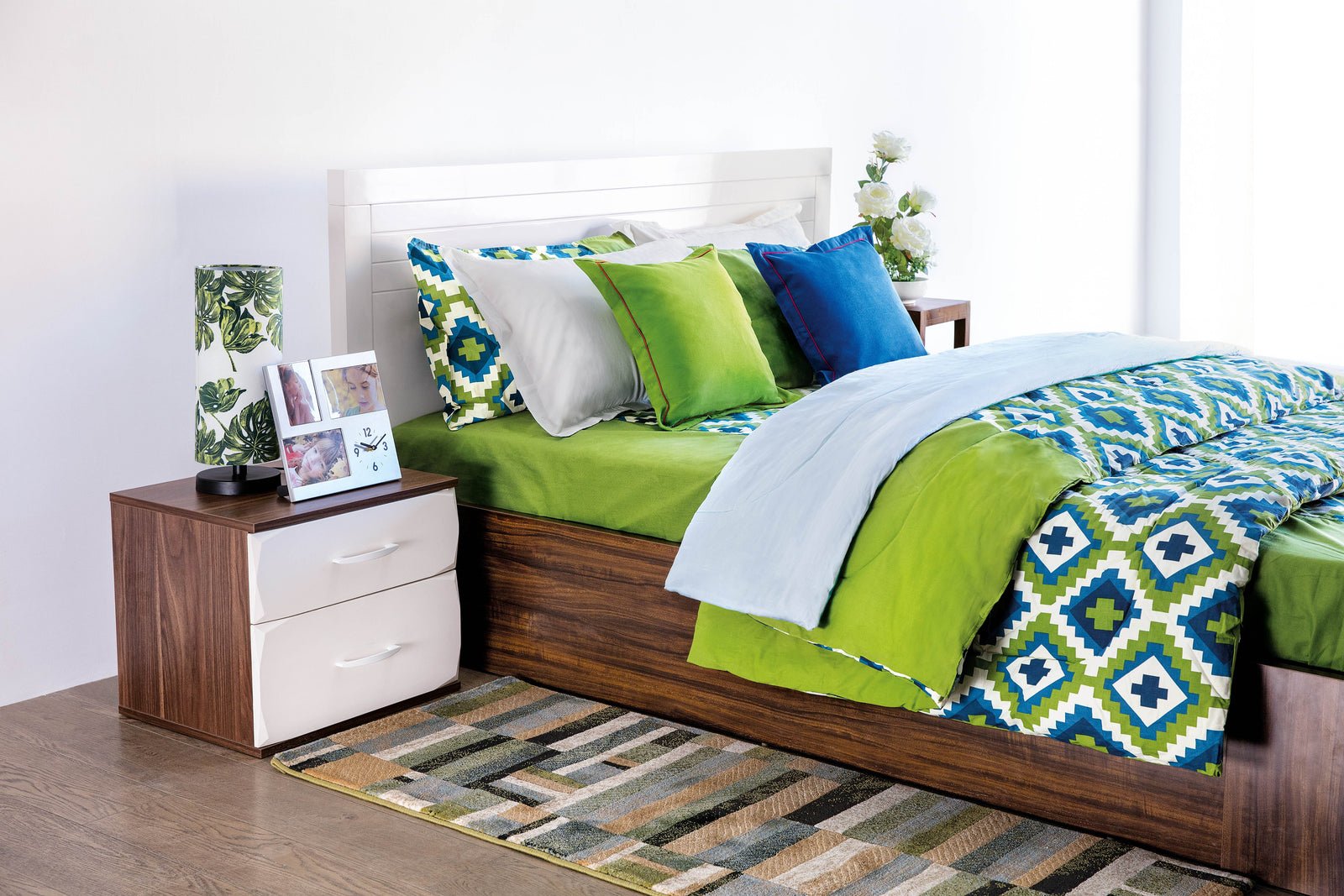
Comforters often come in many colors and patterns, so you can match your room easily without needing extra covers. Duvets, on the other hand, are plain white or neutral because they’re designed to go inside a cover. You can buy different duvet covers to change your room’s look whenever you want, which is more flexible and usually less expensive than buying multiple comforters.
Making The Bed
With a comforter, you just spread it over the bed—simple and quick. Duvets, especially if not secured well inside the cover, can bunch up and be harder to keep neat. However, some duvet covers have corner ties to hold the duvet in place.
Price Comparison
Price can be a big factor when choosing bedding. Here’s a basic comparison of cost:
| Type | Average Price Range (Queen Size) | Extra Costs |
|---|---|---|
| Duvet | $80 – $400 | Need to buy duvet covers ($20 – $100 each) |
| Comforter | $40 – $250 | Usually no extra covers needed |
Duvets can be more expensive at first, especially if you choose natural down. However, covers are less costly to replace than buying new comforters when you want a different look.
:max_bytes(150000):strip_icc()/SPR-duvet-vs-comforter-7113622-hero-01-0292924968cf4e16bbb8e260020a1f12.jpg)
Credit: www.thespruce.com
Practical Considerations For Winter
When choosing between a duvet and a comforter for winter, there are some less obvious things to think about.
Allergies
If you have allergies, the filling material matters. Some people react to down or feathers. In this case, look for hypoallergenic synthetic fills, which are available for both duvets and comforters. However, duvet covers help protect against dust mites, which is another reason they can be better for allergy sufferers.
Room Temperature
If your room is very cold at night, a thick, high-fill-power duvet may be the best choice. If your room is heated and you just need a little extra warmth, a comforter might be enough.
Sharing The Bed
Couples often have different temperature preferences. With a duvet, you can use two twin duvets side by side (a common practice in Europe), so each person can choose their own warmth level. Comforters don’t offer this flexibility.
Storage
Duvets can be fluffed up for use and compressed for storage. Comforters, especially thick ones, take up more space when not in use.
Side-by-side Comparison
To make things clearer, here’s a quick comparison of the main features:
| Feature | Duvet | Comforter |
|---|---|---|
| Warmth | Usually warmer (higher fill power) | Varies; often less warm unless heavyweight |
| Maintenance | Easy (wash cover only) | Harder (wash full comforter) |
| Style Options | Change covers for new looks | Buy new comforter for new style |
| Price | Higher upfront, more flexible long-term | Lower upfront, less flexible |
| Breathability | Excellent (especially down) | Good to fair (depends on fill) |
| Ideal For | Cold climates, flexibility, allergies | Moderate climates, simple needs |
Credit: getsmartlinen.com
Common Mistakes When Choosing Winter Bedding
Many people don’t realize these points until after buying:
- Ignoring fill power: Higher fill power means more warmth without extra weight. Don’t just look at thickness—check the numbers.
- Forgetting about cleaning: If you don’t want to wash big bedding often, a duvet with a removable cover is easier.
- Not considering allergies: Always check the type of fill and look for hypoallergenic options if needed.
- Only looking at price: Cheap comforters may not last or keep you as warm. Sometimes spending more up front saves money long-term.
- Choosing style over function: Remember, warmth and comfort should come first in winter.
Expert Tips For A Cozy Winter Bed
- Layering: In very cold places, layer a lightweight blanket under your duvet or comforter for extra warmth.
- Material matters: Cotton covers are breathable but can feel cold at first. Flannel covers or microfleece can feel warmer against the skin.
- Shake and fluff: Regularly shaking a duvet helps keep the filling even and fluffy.
- Secure ties: If you use a duvet, choose covers with corner ties to stop the insert from shifting.
- Size up: Some people buy a size larger than their mattress (for example, a king duvet on a queen bed) to prevent drafts at night.
Which Is Right For You?
The best choice depends on your needs:
- Choose a duvet if you want maximum warmth, easy cleaning, and flexibility with style.
- Choose a comforter if you prefer simplicity, a “ready-to-go” look, or are on a tighter budget.
If you want a deeper dive into bedding materials and science, the Wikipedia Duvet entry provides detailed historical and technical background.
Frequently Asked Questions
What Is The Main Difference Between A Duvet And A Comforter?
The main difference is that a duvet is a filled insert used inside a removable cover, while a comforter is a quilted blanket that can be used as-is, with no cover needed.
Which Is Easier To Clean: Duvet Or Comforter?
A duvet is easier to clean because you only need to wash the cover regularly. Comforters must be washed as a whole, which is more difficult, especially for large or down-filled types.
Are Duvets Or Comforters Better For Allergies?
Duvets can be better for allergies because the cover acts as a barrier against dust mites and is easy to wash. Look for hypoallergenic fillings in both options if you are sensitive.
Can I Use Both A Duvet And A Comforter Together In Winter?
Yes, in very cold weather, some people use both. Place the comforter on the bottom and the duvet on top for maximum warmth.
Which Option Lasts Longer?
Duvets tend to last longer because the insert is protected by a cover and is washed less often. Comforters wear out faster due to frequent washing and use.
Choosing between a duvet and a comforter for winter is a personal decision. Think about your climate, how much warmth you need, your budget, and how much work you want to do to keep your bedding clean and fresh. With the right choice, you can look forward to cozy, restful nights all winter long.
Credit: www.nilkamalhomes.com