
Shelf decoration is not only about books and small items. Adding trailing plants can transform a plain shelf into a lively, fresh space. These plants grow downwards, with vines that drape and cascade over the edge, creating a soft, natural look that suits almost any room. Whether you have a sunny living room, a small office, or a cozy bedroom, the right trailing plant can add color, style, and even cleaner air to your space.
But not all plants are ideal for shelves. Some need lots of space or special care. Others are perfect because they grow well indoors, don’t need much attention, and look beautiful as they trail. In this article, you’ll discover the best trailing plants for shelf decoration, how to choose them, and how to care for them so your shelves always look their best.
Why Choose Trailing Plants For Shelves?
Trailing plants are popular for shelf decoration because they offer several benefits:
- Visual appeal: Their hanging vines soften hard edges and add movement.
- Air quality: Many common trailing plants help purify indoor air.
- Easy care: Several varieties are low-maintenance.
- Space-saving: They use vertical space, perfect for small rooms or apartments.
With these advantages, it’s easy to see why more people are choosing trailing plants for their shelves at home or in the office.
12 Best Trailing Plants For Shelf Decoration
When picking a plant for your shelf, it’s important to consider how much light you have, how much care you can give, and the look you want. Here are twelve of the best trailing plants for shelf decoration, each with its unique charm.
1. Pothos (epipremnum Aureum)
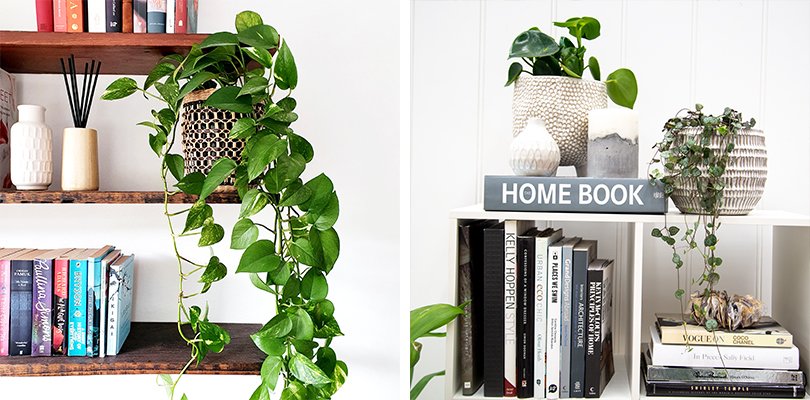
Pothos is often called the “devil’s ivy.” It’s one of the easiest indoor plants, making it a favorite for beginners. Pothos vines can grow several feet long, and the leaves are heart-shaped, shiny, and sometimes variegated with yellow or white. It thrives in low to medium light and only needs watering when the soil is dry. Pothos is also known for its air-purifying qualities.
Tip: If you want fuller growth, trim the vines regularly. This encourages more leaves and prevents the plant from getting too leggy.
2. String Of Pearls (senecio Rowleyanus)
The String of Pearls plant is striking, with small, round, bead-like leaves that look like a string of green pearls. It’s a succulent, so it likes bright light and needs less water than most plants. String of Pearls looks stunning as it trails down a shelf, but be careful not to overwater, as this can cause root rot.
Non-obvious insight: String of Pearls can be grown from small cuttings. Just place a few pearls on top of soil, and they will root and grow.
3. English Ivy (hedera Helix)
English Ivy is a classic trailing plant with elegant, lobed leaves. It is very adaptable, growing well in both bright and low-light areas. Ivy can climb if given support, but on shelves, it will naturally hang down. It’s also a good air purifier, but keep it out of reach of pets, as it can be toxic.
Experience-based tip: Mist ivy occasionally to prevent spider mites, which can be a problem in dry indoor air.
4. Heartleaf Philodendron (philodendron Hederaceum)
The Heartleaf Philodendron is loved for its shiny, heart-shaped leaves and fast growth. It tolerates low light and doesn’t mind if you forget to water it sometimes. This plant can quickly cover a shelf edge with lush greenery. If you want a bushier plant, pinch off the tips to encourage branching.
Practical insight: If the leaves look pale, the plant may be getting too much sun. Move it to a shadier spot.
5. String Of Hearts (ceropegia Woodii)
The String of Hearts is a delicate plant with small, heart-shaped leaves and thin, purple stems. The leaves often have silver markings, making them eye-catching. This plant likes bright, indirect light and prefers to dry out between waterings. It is less common than pothos or ivy, but its unique look makes it a great choice for decorative shelves.
Beginner mistake: Overwatering is the main reason String of Hearts dies. Allow the soil to dry completely before watering.
6. Wandering Jew (tradescantia Zebrina)
Wandering Jew is famous for its striped purple and silver leaves. It grows quickly and is easy to care for. This plant likes bright, indirect light, which keeps its colors vibrant. If you want a fuller look, pinch back the stems every few weeks.
Non-obvious insight: If the lower leaves drop off, the plant may be too dry or in too little light.
7. Golden Pothos (epipremnum Aureum ‘golden’)
Golden Pothos is a variety of pothos with yellow variegation. It is just as easy to care for as regular pothos, but its bright, golden leaves add a splash of color to any shelf. It’s very forgiving and can survive in most indoor conditions.
Straight-to-the-point tip: Wipe the leaves with a damp cloth every month to keep them shiny and dust-free.
8. Creeping Fig (ficus Pumila)
Creeping Fig has small, heart-shaped leaves and thin vines. It looks soft and elegant as it trails down a shelf. This plant likes moderate to bright, indirect light and needs regular watering. It can also climb if given support but is easy to train to drape over shelves.
Non-obvious insight: Creeping fig grows fast. Prune it regularly to prevent it from taking over your shelf.
9. Spider Plant (chlorophytum Comosum)
Spider Plant is a classic houseplant that produces long, arching leaves and baby plantlets that hang down like spiders. It tolerates low light and doesn’t mind if you forget to water occasionally. The baby plants can be snipped off and planted to create new spider plants.
Calm expert tip: If the leaf tips turn brown, use filtered water instead of tap water, as spider plants are sensitive to chemicals.
10. Burro’s Tail (sedum Morganianum)
Burro’s Tail is a succulent with thick, trailing stems covered in plump, blue-green leaves. It is unique and looks almost like a braid. This plant likes bright light and only needs water when the soil is dry. Handle with care, as the leaves fall off easily.
Practical advisor tip: Place this plant on a shelf where it won’t be bumped or touched often.
11. Hoya (hoya Carnosa)
Hoya, sometimes called the wax plant, has thick, waxy leaves and produces clusters of star-shaped flowers. It is drought-tolerant and can survive in low to bright light. Hoya vines can grow very long, making them perfect for high shelves.
Beginner insight: Hoyas can bloom indoors, but only if they get enough light and are not moved often.
12. String Of Dolphins (senecio Peregrinus)
The String of Dolphins is a newer, fun succulent with leaves shaped like tiny dolphins jumping. It likes bright, indirect light and is drought-tolerant. The playful shape of the leaves makes it a conversation starter on any shelf.
Experience-based guide: Let the soil dry out completely between waterings, and give it as much light as possible.
Comparing Trailing Plants For Shelf Decoration
Some plants are better suited for certain conditions than others. Here’s a quick comparison of important factors for the most popular trailing plants:
| Plant Name | Light Needs | Water Needs | Pet Safe? |
|---|---|---|---|
| Pothos | Low–Bright Indirect | When dry | No |
| String of Pearls | Bright Indirect | Low | No |
| English Ivy | Low–Bright | Moderate | No |
| Spider Plant | Low–Bright | Moderate | Yes |
| Burro’s Tail | Bright | Low | Yes |
| Hoya | Low–Bright | Low | Yes |
Tips For Displaying Trailing Plants On Shelves
Arranging trailing plants on shelves is about more than just placing a pot. Here are some ideas to make your display look professional:
- Mix plant heights and textures: Combine upright plants with trailing ones for depth.
- Let vines drape naturally: Don’t force them into a shape; let them spill over the edge.
- Group in odd numbers: Three or five plants together look more balanced than even numbers.
- Use matching pots: Similar colors or materials make the display look organized.
- Rotate plants: Every few weeks, turn your pots so all sides get light and the vines grow evenly.
A common mistake is placing all plants in a straight line. Instead, stagger them at different heights and distances to add interest.
:strip_icc()/BHG-Trailing-Plants-ChCjsS5faDGAT4CvzhwsFm-9992bdf249ce4a7daacb7487f340c2f2.jpg)
Credit: www.bhg.com
How To Care For Trailing Plants Indoors
Most trailing plants are easy to care for, but following some basic rules will keep them healthy and vibrant.
Watering
Let the soil dry out between waterings for succulents like String of Pearls and Burro’s Tail. For leafy plants like pothos or philodendron, water when the top inch of soil is dry. Always use pots with drainage holes to prevent root rot.
Light
Most trailing plants prefer bright, indirect light. Direct sunlight can burn leaves, especially for sensitive plants like String of Hearts. If your shelf is in a dark corner, consider moving the plant every few weeks or using a grow light.
Feeding
Feed your plants with a balanced liquid fertilizer every 4–6 weeks during the growing season (spring and summer). Don’t fertilize in winter, as most plants are resting.
Pruning
Trim back long vines if they get too leggy. This encourages bushier growth and keeps your shelf looking neat. Use sharp scissors or pruners, and make clean cuts above a leaf node.
Common Problems And Solutions
- Yellow leaves: Usually from too much water. Let the soil dry before watering again.
- Brown tips: Often from dry air or chemicals in tap water. Mist the leaves or use filtered water.
- Pale leaves: Not enough light. Move the plant closer to a window.
Styling Ideas For Trailing Plants
There are creative ways to display trailing plants on shelves:
- Layered look: Place taller plants at the back, trailing ones at the front.
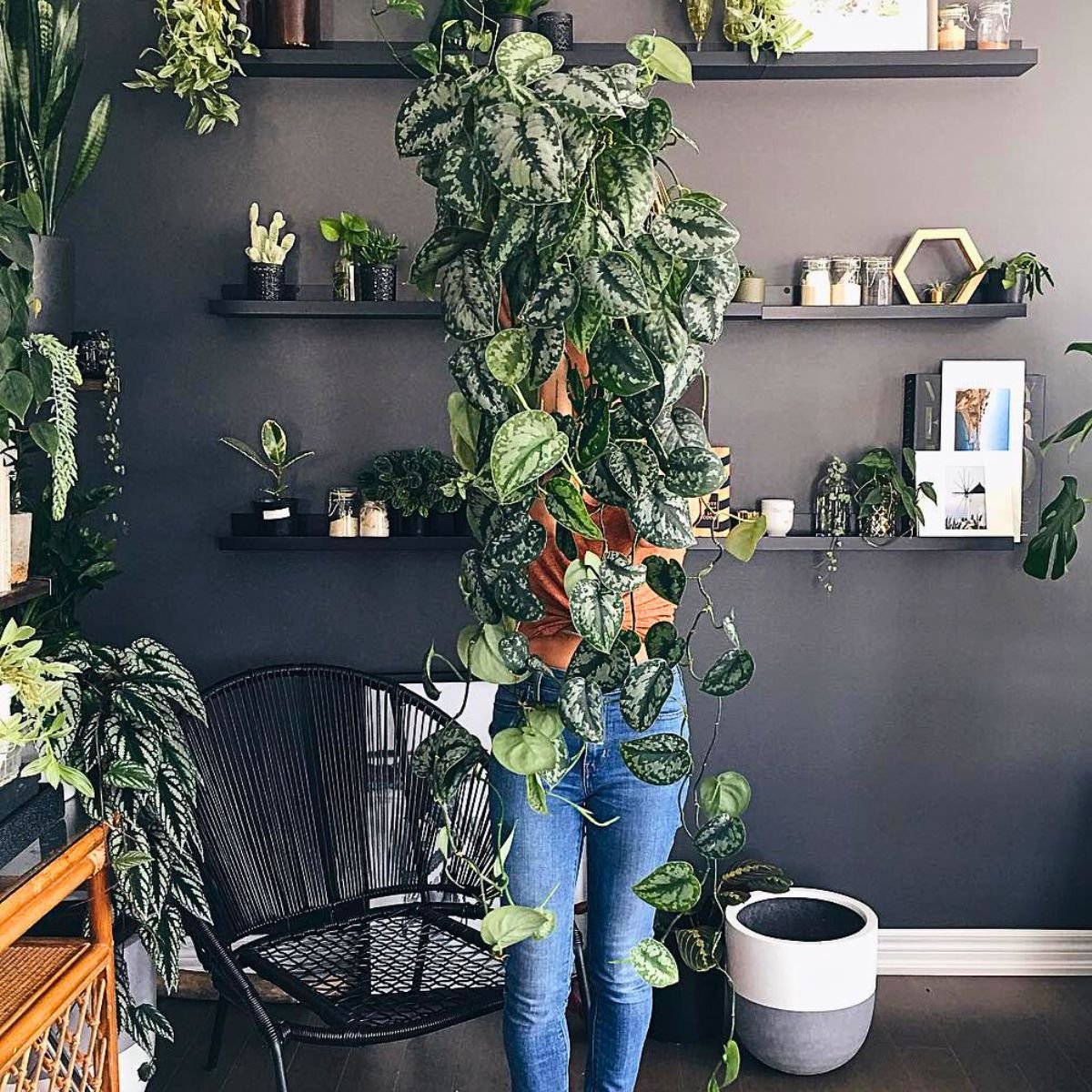
- Floating shelves: Use single, wall-mounted shelves to create a “plant waterfall” effect.
- Mix with décor: Combine plants with books, candles, or small art pieces.
- Hanging pots: If you have space under the shelf, hang small pots to add more greenery.
For more ideas and inspiration, you can check the Royal Horticultural Society’s houseplant guide.
Credit: thursd.com
Shelf Plant Safety: What To Know
Not all trailing plants are safe for pets or young children. Pothos, English Ivy, and String of Pearls can be toxic if eaten. Spider Plant and Burro’s Tail are generally safe but can still cause mild stomach upset if ingested.
Always place toxic plants out of reach, or choose pet-friendly options if safety is a concern.
Frequently Asked Questions
How Often Should I Water Trailing Plants On Shelves?
Most trailing plants need water only when the top inch of soil feels dry. Succulent types, like String of Pearls, need even less frequent watering. Overwatering is the most common mistake, so always check the soil first.
What Is The Best Light For Trailing Shelf Plants?
Bright, indirect light is best for most trailing plants. Direct sunlight can burn delicate leaves, while too little light makes vines thin and weak. If your shelf is far from a window, consider a small grow light.
Can I Grow Trailing Plants From Cuttings?
Yes, many trailing plants like pothos, philodendron, and English ivy are easy to grow from cuttings. Just place a stem with a few leaves in water or moist soil, and roots will form in a few weeks.
How Do I Keep My Trailing Plants Looking Full?
Prune the vines regularly and pinch off growing tips to encourage bushier growth. This helps the plant produce more leaves instead of long, bare stems.
Are Trailing Plants Safe For Pets?
Some trailing plants, such as pothos and ivy, are toxic to pets if eaten. Spider plants and hoyas are generally safe. Always check if a plant is pet-friendly before placing it where pets can reach.
Adding trailing plants to your shelves is a simple way to bring life and beauty into any space. With the right choices and a little care, your shelves can become a green oasis that impresses every guest and brings you joy every day.
Credit: www.flowerpower.com.au