
When the temperature drops and heaters run day and night, the air inside your bedroom changes. You might notice dry skin, a scratchy throat, or even restless sleep. These are common problems in winter, but there’s a simple solution that many people overlook: the bedroom humidifier. While it seems like a small device, using a humidifier during the cold months brings real benefits you can feel every day. If you want to sleep better, breathe easier, and protect your health this winter, understanding the power of humidity can make all the difference.
Why Winter Air Gets So Dry
When it’s cold outside, we heat our homes to stay warm. But heating systems, especially forced air and radiators, remove moisture from the air. The result? Indoor humidity drops—sometimes below 20%, far lower than the ideal 30-50%. Dry air pulls moisture from everything: your skin, your throat, even your furniture.
This lack of humidity can cause:
- Itchy, flaky skin
- Dry, irritated eyes
- Stuffy nose and sinus discomfort
- Chapped lips
- Static electricity shocks
- Wooden furniture or floors cracking
These problems aren’t just annoying. Over time, they can affect your sleep, your mood, and even your immune system.
Key Benefits Of A Bedroom Humidifier In Winter
Adding a humidifier to your bedroom can change your winter experience. Let’s look at the main benefits in detail.
1. Healthier Skin And Hair
Dry air strips moisture from your skin, leading to itching, redness, and flakiness. Hair can become brittle, split, and difficult to manage. With a humidifier, the air holds more water vapor, which helps your skin and hair stay hydrated. Many people see a clear difference after just a few nights: fewer cracks on their hands, less scalp dryness, and a healthier glow.
2. Easier Breathing And Allergy Relief
Low humidity can make your nasal passages and throat dry. This leads to discomfort, snoring, and even nosebleeds. If you have allergies or asthma, dry air can make symptoms much worse by irritating your airways. A humidifier helps keep your respiratory system moist. You’ll likely breathe easier, cough less, and feel less congested.
3. Better Sleep Quality
Many people don’t realize how much dry air disrupts sleep. Dryness can cause mouth breathing, snoring, and a sore throat when you wake up. Research shows that sleeping in a room with balanced humidity improves sleep by reducing irritation and supporting your body’s natural healing at night. A humidifier can help you fall asleep faster and wake up feeling more refreshed.
4. Protection Against Winter Illnesses
Viruses like the common cold and flu spread more easily in dry air. When humidity drops, the tiny droplets that carry viruses float longer and travel further. Studies suggest that keeping humidity at 40-60% can lower the chance of catching airborne illnesses. A humidifier in your bedroom, where you spend about 8 hours each night, creates an environment that’s less friendly to viruses.
5. Preserving Wooden Furniture And Musical Instruments
Not just people suffer from dry air—wooden items do too. Furniture, floors, and musical instruments can crack or warp when humidity is too low. Adding moisture to the air helps keep wood from shrinking and splitting. If you have a wooden bed frame, antique dresser, or a guitar in your room, a humidifier can help protect these valuable items.
6. Reducing Static Electricity
You know the shock when touching a doorknob in winter? That’s static electricity, and it happens more often when the air is dry. Using a humidifier cuts down static, making your bedroom more comfortable and safer for electronics.
7. Soothed Sinuses And Less Nosebleeds
Dry air dries out your sinuses, which can cause discomfort, headaches, or even nosebleeds. This is common in winter, especially at night. By adding moisture, a humidifier soothes these sensitive areas and helps prevent painful dryness.
8. Faster Recovery From Colds
If you get sick, a humidifier can help you recover faster. Moist air calms coughs, helps clear mucus, and makes breathing less painful. Doctors often recommend humidifiers for those with colds or the flu, especially for children and the elderly.
9. Comfort For Contact Lens Wearers
If you wear contact lenses, you may notice your eyes feel dry or irritated in winter. Humidifiers help keep your eyes moist, making contacts more comfortable and preventing redness or itching.
10. Better Sleep For Babies And Children
Children are more sensitive to dry air. It can disturb their sleep, cause coughing, or make skin conditions like eczema worse. Placing a humidifier in your child’s bedroom can improve their comfort and help them sleep soundly.
Comparing Bedroom Humidifier Types
There are several types of humidifiers, and each has its own strengths. Here’s a quick comparison to help you choose:
| Type | How It Works | Best For | Maintenance |
|---|---|---|---|
| Ultrasonic | Vibrates water into mist | Quiet bedrooms | Clean weekly |
| Evaporative | Fan blows air through wet filter | Medium to large rooms | Change filters often |
| Steam/Vaporizer | Heats water to make steam | Germ control | Descale regularly |
Ultrasonic humidifiers are popular for bedrooms because they’re nearly silent and energy-efficient. But they require regular cleaning to prevent mold. Evaporative models use filters to trap impurities, making them a good choice for allergy sufferers. Steam vaporizers can kill some germs, but they use more energy and can be hot to the touch.
How To Use A Bedroom Humidifier Safely
To get the most benefits, follow these tips for safe and effective humidifier use:
- Monitor humidity levels: Use a hygrometer to keep your room between 30% and 50% humidity. Too much moisture can cause mold.
- Use clean water: Always fill your humidifier with distilled or filtered water. Tap water can leave white dust or mineral buildup.
- Clean regularly: Empty, rinse, and dry your humidifier daily. Deep clean at least once a week, following the manufacturer’s instructions.
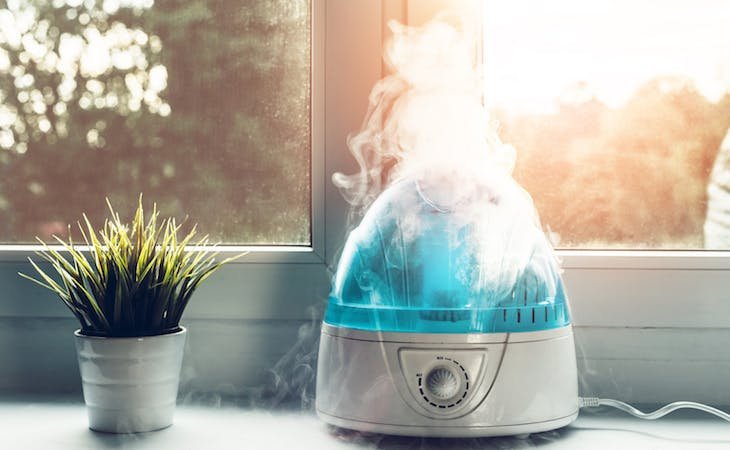
- Place correctly: Put the humidifier on a flat, raised surface, away from electronics and direct sunlight.
- Avoid over-humidifying: If you see condensation on windows, lower the output or use the device less.
- Replace filters: If your model uses a filter, change it as recommended. Dirty filters can spread germs.
Credit: www.saatva.com
Real Data: Effects Of Humidified Air
You might wonder how much difference a humidifier really makes. Here’s a look at the numbers:
| Condition | Low Humidity (<20%) | Ideal Humidity (40-50%) |
|---|---|---|
| Dry Skin Complaints | 70% of people | 20% of people |
| Sinus Discomfort | 60% | 15% |
| Cold Virus Survival | Up to 24 hours | Less than 2 hours |
These results, based on studies by health organizations and universities, show that proper humidity leads to fewer complaints and less virus survival time. For more in-depth research, see this NIH study.
Tips For Choosing The Right Bedroom Humidifier
There are many models on the market. Here are key factors to consider:
- Room size: Match the humidifier’s capacity to your bedroom size. Too small, and it won’t work well. Too large, and it may over-humidify.
- Noise level: For light sleepers, choose an ultrasonic or “whisper-quiet” model.
- Ease of cleaning: Simple designs are easier to keep mold-free.
- Auto shut-off: This feature turns the humidifier off when the tank is empty—important for safety.
- Filter vs. no filter: Some people prefer filterless models for less maintenance, but filtered humidifiers can remove more impurities.
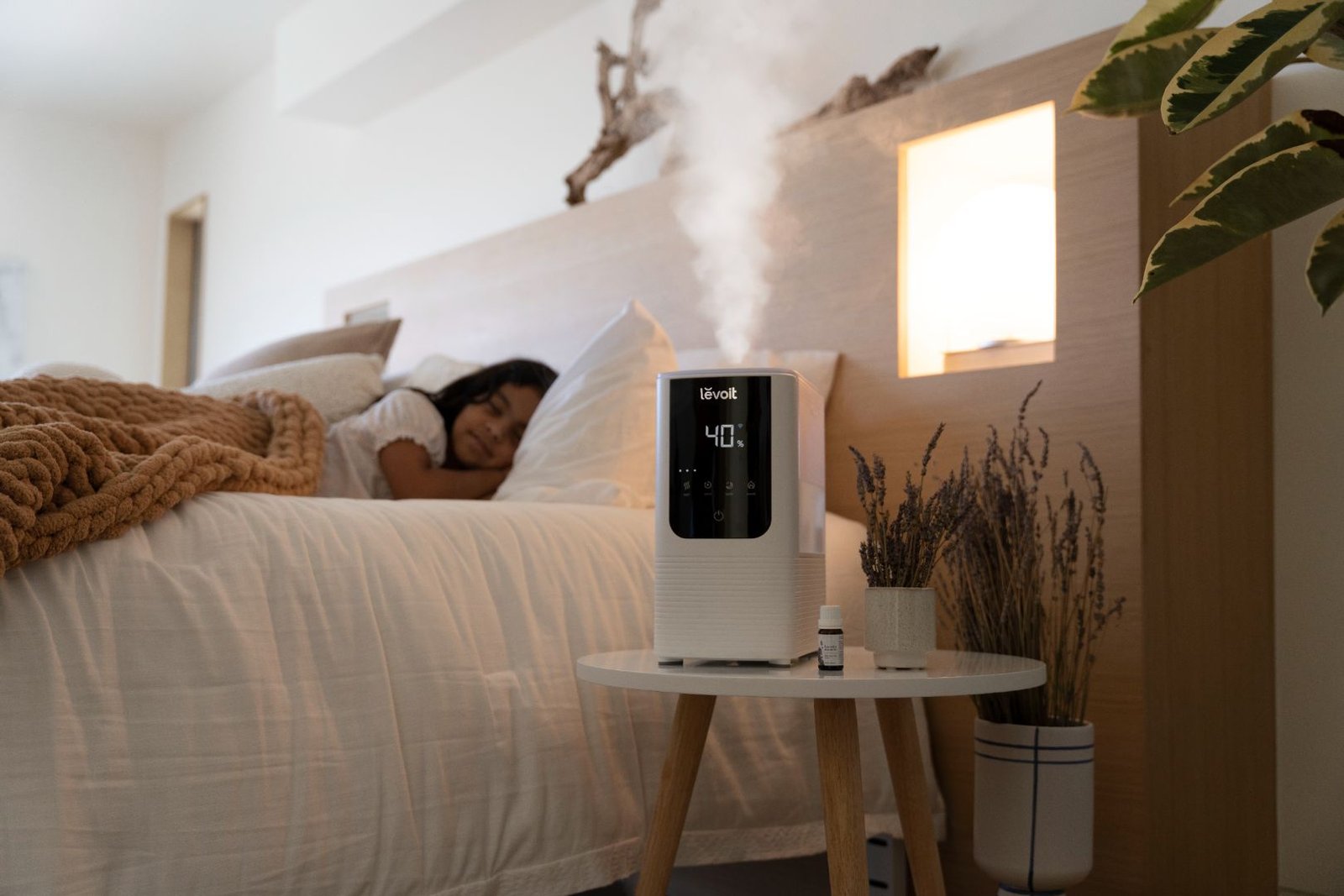
- Extra features: Some models offer night lights, timers, or essential oil trays. Decide what’s important for your comfort.
One thing beginners often overlook: check the tank size. A larger tank means fewer refills, but can make the machine heavier to move. Also, not all models are designed for running all night. Look for run-time ratings to match your sleep schedule.
Credit: www.topahill.com
Common Mistakes To Avoid
While using a humidifier is simple, there are a few traps many people fall into:
- Ignoring regular cleaning: This can cause mold and bacteria growth, making the air less healthy.
- Using tap water: Minerals can create white dust or damage the machine.
- Over-humidifying: Too much moisture can cause condensation, mold, and dust mites.
- Bad placement: Putting the humidifier too close to the bed or electronic devices can cause problems.
- Not checking filters: Clogged filters reduce performance and can lead to musty smells.
Avoiding these mistakes helps you get all the benefits without any downsides.
Unexpected Benefits Most People Miss
Most articles stop at the basics, but there are some extra perks you might not expect:
- Longer life for houseplants: Many bedroom plants suffer in dry air. A humidifier helps them thrive, adding natural beauty to your space.
- Fewer snoring problems: Moist air can reduce snoring for some people, especially if caused by dry nasal passages.
- Better voice health: If you sing or speak a lot, humidified air keeps your vocal cords in better shape.
Credit: levoit.com
When Not To Use A Bedroom Humidifier
While humidifiers are safe for most people, there are cases when you should be careful:
- If you have mold allergies or live in a damp climate, adding more moisture can make things worse.
- If anyone in your home is sensitive to dust mites, keep humidity below 50%.
- Always monitor for signs of mold or condensation and adjust your use if needed.
If you have respiratory illnesses or special health conditions, check with a doctor before starting.
Frequently Asked Questions
How Often Should I Clean My Bedroom Humidifier?
It’s best to empty and rinse your humidifier daily, and do a deep clean with vinegar or a mild disinfectant at least once a week. This prevents mold and bacteria from growing inside.
Can A Humidifier Make My Room Too Humid?
Yes, if you run it too long or use a device that’s too big for your room, humidity can climb above 60%. This can cause mold and dust mites. Use a hygrometer to monitor levels and adjust as needed.
Will A Humidifier Help With Snoring?
A humidifier can help reduce snoring caused by dry air, but it may not solve all snoring problems. If snoring is a big issue, talk to a doctor to rule out other causes like sleep apnea.
Is It Safe To Use Essential Oils In My Humidifier?
Only use essential oils if your humidifier is designed for it. Some models can be damaged by oils. Check your manual—if allowed, use only a few drops and clean the device often.
What Kind Of Water Should I Use In My Humidifier?
Distilled or filtered water is best. Tap water contains minerals that can leave white dust or build up inside the machine. This helps your humidifier last longer and keeps the air cleaner.
Bringing a bedroom humidifier into your winter routine can make cold nights warmer, sleep deeper, and your health stronger. With the right model and good care, it’s a small change that brings a big impact—one breath at a time.
