
Choosing the right wall paint color for a small room can completely change how the space looks and feels. The right color can make a tiny room appear larger, brighter, and more welcoming. On the other hand, the wrong choice can make it feel cramped, dark, and uninviting.
Many people struggle with this decision, especially when there are so many paint options and color theories out there. But with a few smart strategies, you can select a paint color that brings out the best in your small space.
This guide will help you understand what really matters when choosing wall paint for small rooms. We’ll explore color psychology, light effects, finish types, and even common mistakes people make. By the end, you’ll know how to confidently pick a color that fits your style and makes your room feel just right.
How Color Affects Small Spaces
The first step is to understand how color influences perception. In small rooms, color choice plays a much bigger role than you might think.
- Light colors reflect more light, which can make walls seem to recede. This helps a small room feel open and airy.
- Dark colors absorb light, making walls feel closer. This can sometimes make a room feel smaller, but with the right use, dark colors can also add depth or a cozy feeling.
- Cool tones (like blues, greens, and purples) tend to visually push walls back, expanding the space.
- Warm tones (yellows, oranges, reds) can make a room feel energetic but sometimes more enclosed.
It’s important to know that color doesn’t just change the mood—it changes how big or small a space feels. For example, painting all four walls in white or pale gray can make a tiny room feel much larger, while a deep navy or forest green might create a more intimate, cocoon-like vibe.
Analyzing Natural And Artificial Light
Before you pick any paint color, look at how much natural light your room gets during the day. Light affects how colors appear—sometimes a color that looks great in the store looks very different at home.
- North-facing rooms usually have cooler, softer light. Colors can look more muted and blue.
- South-facing rooms get strong, warm light. Colors may appear brighter and warmer.
- East-facing rooms get bright morning light but cooler tones in the afternoon.
- West-facing rooms have softer morning light and strong, warm afternoon light.
Artificial lighting also changes paint color. LED bulbs, fluorescent tubes, and incandescent lights all affect the color on your walls in different ways.
Here’s a comparison of how the same color can look under different lighting:
| Lighting Type | Color Appearance |
|---|---|
| Natural Daylight | Truest to sample |
| Warm LED/Incandescent | More yellow/warm |
| Cool LED/Fluorescent | More blue/cool |
Pro tip: Always test a paint sample on your wall and observe it at different times of day before making your final choice.
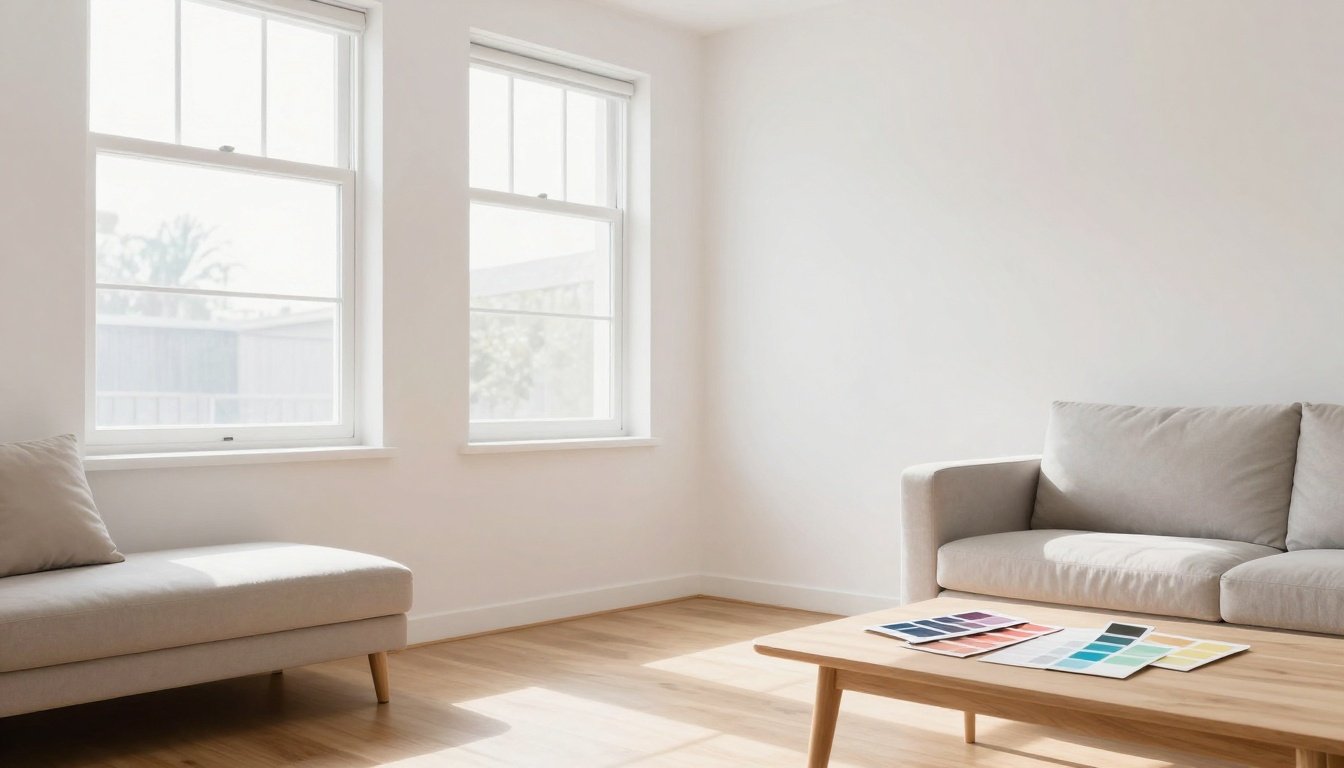
Credit: primetimepaintinginc.com
The Power Of Undertones
Many beginners overlook undertones. Every paint color has an underlying hint of another color, even if it looks neutral at first glance. For example, a white paint might have a blue, pink, or yellow undertone. These subtle differences can change how the color looks in your room.
If your room has cool-colored flooring or furniture (gray, blue), a wall color with cool undertones will match better. If you have warm wood or earthy tones in your furniture, look for paints with warm undertones.
Here’s a quick comparison of popular wall paint undertones:
| Paint Color | Common Undertones | Best For |
|---|---|---|
| White | Blue, Yellow, Pink, Green | Matching with trim, flexibility |
| Gray | Blue, Purple, Green | Modern, cool spaces |
| Beige | Yellow, Pink, Orange | Warm, cozy rooms |
Ignoring undertones is a common mistake. Always place a sample next to your furniture and see if any strange colors appear under your specific lighting.
Best Paint Colors For Small Rooms
While there are no strict rules, some colors work better than others for small spaces. Here are top choices that designers often recommend:
- Soft Whites – Clean, simple, and reflect maximum light.
- Light Grays – Modern and less stark than pure white.
- Pale Blues – Cool and calming, expands the sense of space.
- Pastel Greens – Fresh and uplifting, brings a touch of nature.
- Warm Beiges – Cozy without being heavy.
- Blush Pinks – Subtle warmth without feeling overwhelming.
- Pale Lavenders – Adds personality while keeping things airy.
- Pale Yellows – Sunny and cheerful, but not too bright.
- Greige (gray-beige) – Trendy and flexible, works with many styles.
- Light Taupe – A soft alternative to gray or beige.
A common beginner mistake is picking a color that is too bright or saturated. These can make small rooms feel busy and crowded. Stick to muted, soft shades for the best effect.
Credit: www.housebeautiful.com
Using Dark Colors In Small Rooms
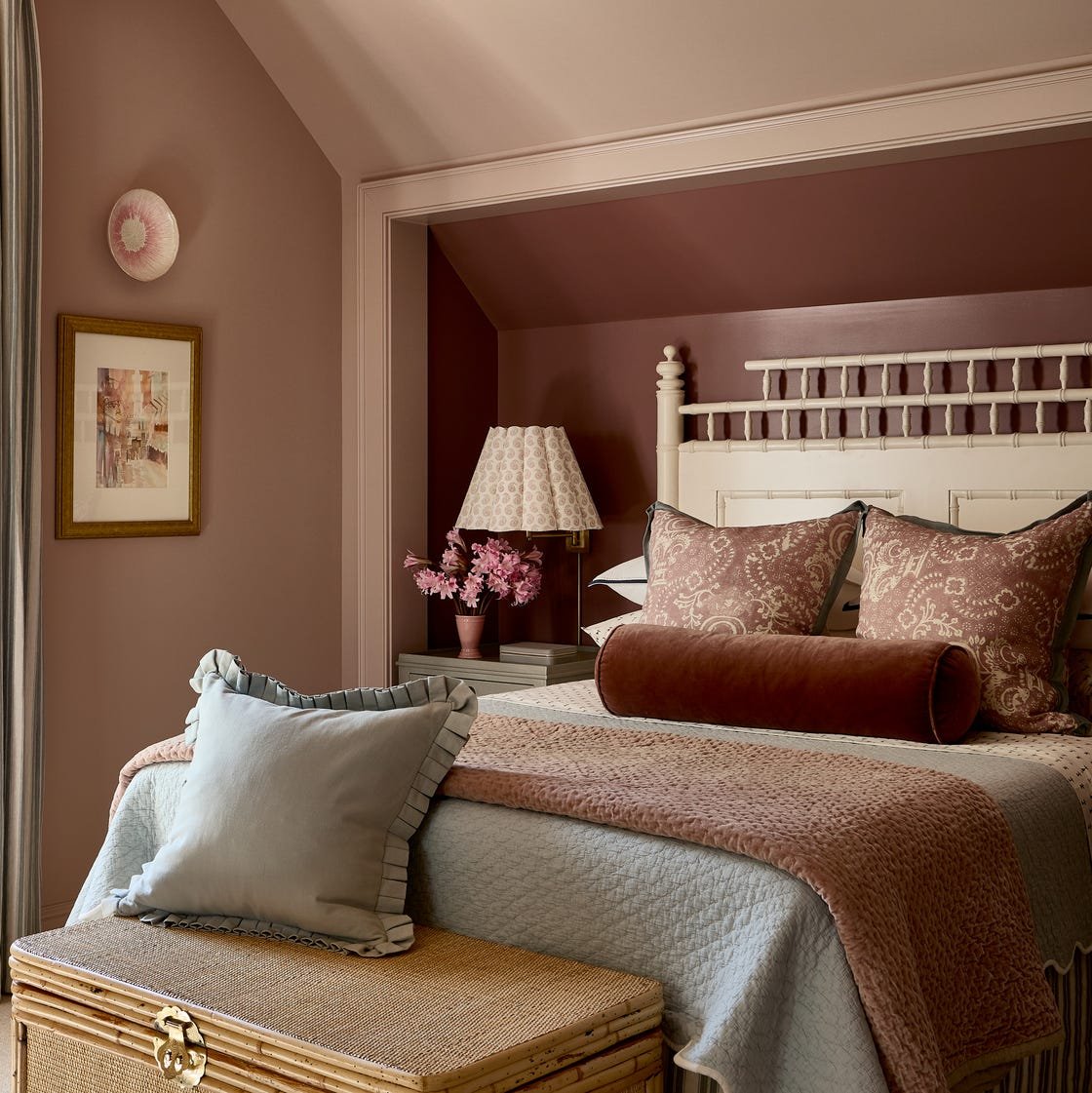
Some people believe you should never use dark paint in a small space, but this isn’t always true. If done carefully, dark colors can create a dramatic, sophisticated look.
- Accent Walls: Paint one wall a deep color and keep the others light. This adds depth without closing in the room.
- Monochrome: Use one dark color for the walls, trim, and even ceiling. This can blur boundaries and make corners less noticeable.
- Glossy Finishes: A dark color with a gloss or satin finish can reflect light and add dimension.
However, be careful with dark colors if your room has little natural light or low ceilings. It can make the space feel even smaller if used incorrectly.
Choosing The Right Paint Finish
Paint finish matters almost as much as color, especially in small rooms. The finish affects how much light bounces around and how easy the walls are to clean.
Common finishes include:
- Flat/Matte: No shine. Hides wall imperfections but doesn’t reflect light. Not ideal for very small or dark rooms.
- Eggshell: Slight sheen. Easy to clean and reflects some light. Good for most small rooms.
- Satin: More shine than eggshell, durable, good for high-traffic areas.
- Semi-gloss/Gloss: Very shiny. Reflects the most light but can highlight wall flaws.
For small spaces, eggshell or satin are usually best. They reflect enough light to keep the room bright, but don’t show every bump or scratch.
Creating Visual Interest
If you want your small room to feel special, consider these ideas:
- Paint the ceiling: A lighter ceiling color can make the room feel taller. Painting the ceiling the same color as the walls, but in a lighter shade, can create a seamless look.
- Color blocking: Use two or more colors to define different areas. For example, a chair rail with a darker color below and lighter above.
- Stripes or patterns: Vertical stripes can make walls look higher, while horizontal stripes can make them look wider.
- Highlight trim or molding: Paint trim a contrasting color for definition.
Just be careful: too many colors or patterns in a small room can feel chaotic. Keep it simple and let one element stand out.
Considering The Room’s Purpose
Think about how you use the room. Different colors work for different moods and activities.
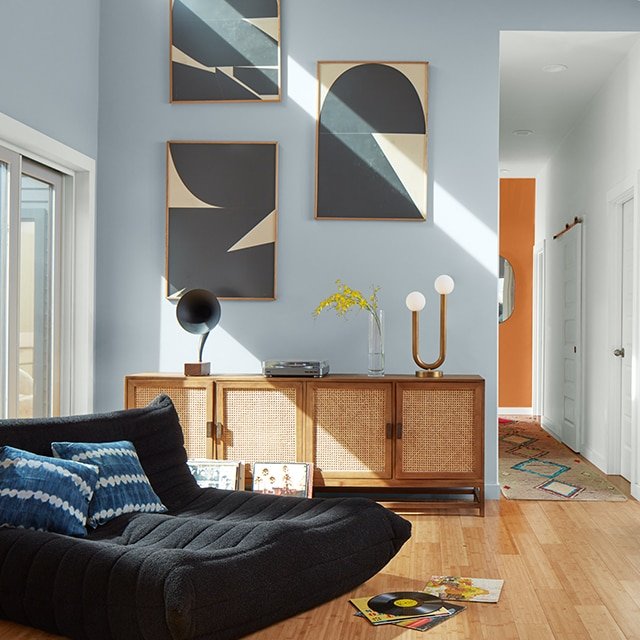
- Bedrooms: Calm colors like soft blues, greens, or grays help relaxation.
- Home offices: Light greens or blues can boost focus and creativity.
- Bathrooms: Light colors keep things clean and fresh. Avoid dark shades if the space is windowless.
- Dining rooms: Warm neutrals or muted reds can make the space feel inviting and comfortable.
If the room is multi-purpose (like a guest room that’s also an office), choose a color that works for both uses.
Credit: www.benjaminmoore.com
Matching Paint With Furniture And Decor
Don’t choose wall paint in isolation. Think about your existing furniture, flooring, and decor.
- If you have bold-colored furniture, choose a neutral wall color to let the furniture shine.
- If your decor is mostly neutral, you can use the wall color to add interest.
- Match undertones: Cool with cool, warm with warm.
Bring home paint swatches and hold them next to your curtains, sofa, and artwork to see how they work together.
Mistakes To Avoid When Choosing Paint Color
Even with all the right information, many people fall into these common traps:
- Skipping the sample test: Always try a sample on the wall and check it at different times of day.
- Ignoring lighting: Don’t pick based only on how the color looks in the store or online.
- Forgetting the ceiling: A stark white ceiling can clash with the walls. Consider a softer, matching color.
- Overcomplicating: Too many colors in one small room can feel busy.
- Not considering finish: Matte paints hide flaws but can look flat in small rooms.
- Disregarding undertones: This can cause clashes with furniture or flooring.
If you avoid these mistakes, your paint choice will look much better in real life.
Real-world Examples
Let’s look at a few real situations:
- A small bedroom with only one window: A soft white or pale blue on the walls, with a slightly lighter color on the ceiling, will maximize brightness and openness.
- A compact bathroom with no natural light: Use a light-reflecting eggshell or satin paint in a gentle pastel or white to keep things feeling fresh.
- A tiny living room with dark wood floors: Light greige or pale taupe walls can balance the dark floor, while still adding warmth.
Many top interior designers use these tricks to make small spaces feel much larger than they are.
Quick Comparison: Light Vs. Dark Colors In Small Rooms
For a fast overview, here’s a side-by-side comparison:
| Light Colors | Dark Colors |
|---|---|
| Reflect more light | Absorb light |
| Make room feel open | Add drama and coziness |
| Best for rooms with little light | Work well as accents or in bright rooms |
| Show dirt less | Show dust and marks more |
Non-obvious Insights For Beginners
- Ceiling color matters more than you think. Many beginners leave the ceiling pure white, but a slightly tinted ceiling can make the room feel more finished and less boxy.
- Paint sheen can change the room’s mood. A glossy finish can add energy, while a matte finish can feel more relaxed. This is especially helpful in rooms that get a lot of use.
- You don’t have to stick to one color. Combining two soft shades—like pale gray with a lighter blue—can add depth and interest without shrinking the room.
Where To Find More Inspiration
If you want to see real examples and find more paint ideas, check out the inspiration galleries on Benjamin Moore. Their site has hundreds of real room photos sorted by size and color.
Frequently Asked Questions
What Color Paint Makes A Small Room Look Bigger?
Light colors like soft whites, light grays, and pale blues reflect more light, which helps a small room feel larger and more open. These shades create an airy atmosphere and visually push the walls outward.
Can I Use Dark Paint Colors In A Small Room?
Yes, but use them carefully. Dark colors can make a small room feel cozy and dramatic, especially when used on an accent wall or with plenty of natural light. To avoid feeling boxed in, balance dark paint with lighter furniture and accessories.
Which Paint Finish Is Best For Small Rooms?
Eggshell or satin finishes work best for small rooms. They reflect enough light to keep the space bright but don’t highlight every wall flaw. Avoid using flat/matte in high-traffic small rooms, as it can show marks more easily.
How Do I Match Wall Paint With My Furniture?
Look at the undertones in both your furniture and the paint color. Cool undertones go well with other cool shades, while warm undertones match best with warm-colored items. Always test a paint swatch next to your furniture before painting the whole room.
What Is The Biggest Mistake When Choosing Wall Color For A Small Space?
The most common mistake is not testing a sample on your actual wall. Lighting and surroundings can change how a color appears. Always try a sample and observe it at different times of day to avoid surprises after painting.
Choosing wall paint for a small room is not just about color preference—it’s about creating a feeling of space, light, and harmony. By understanding how color, light, finish, and decor work together, you can make your small room feel bigger and brighter.
With a little planning and the right approach, your next painting project can truly transform your space.
