
Vacuum Sealer Benefits For Food Storage
Imagine buying fresh vegetables, meat, or cheese and knowing you can keep them fresh for weeks, even months, instead of just a few days. Many people throw away food because it spoils quickly in the fridge or freezer. A vacuum sealer can change this completely.
This simple machine removes air from storage bags or containers, helping you keep food fresh, save money, and reduce waste. But the real value of vacuum sealing goes far beyond just longer storage. Let’s explore the true benefits of using a vacuum sealer for food storage and why it’s a smart addition to any kitchen.
Why Air Is The Enemy Of Freshness
Most people don’t realize that the main reason food spoils is exposure to air. Air contains oxygen and moisture, which help bacteria and mold grow. These tiny organisms break down food, leading to bad smells, changes in texture, and even illness. Vacuum sealing removes nearly all the air around the food, so bacteria and mold can’t easily grow. This simple step slows down spoilage naturally, without chemicals or preservatives.
Top Benefits Of Vacuum Sealing Food
Let’s look at the main reasons why vacuum sealing is so useful for food storage.
1. Extends Shelf Life
Vacuum sealing can keep food fresh much longer. For example, fresh meat usually lasts 2-3 days in the fridge. With vacuum sealing, it can last up to 7-14 days. In the freezer, vacuum-sealed meat can stay safe to eat for 2-3 years, compared to only 6-12 months with regular wrapping.
Fruits and vegetables also last longer. Berries, which often spoil in a few days, can stay fresh for up to two weeks. The shelf life of cheese can be tripled or even quadrupled with vacuum sealing.
2. Prevents Freezer Burn
Freezer burn happens when food loses moisture while frozen. It creates dry spots and changes the taste and texture of your food. Vacuum sealing keeps air out, which stops freezer burn from happening. This means meats, fish, and vegetables keep their color, flavor, and texture much better.
3. Saves Money
Food waste is expensive. According to the Food and Agriculture Organization, about one-third of all food produced is lost or wasted. When you vacuum seal food, you can buy in bulk, portion items, and store leftovers without worrying about quick spoilage. This lets you save money by:
- Buying larger quantities at lower prices
- Keeping leftovers fresh for later meals
- Reducing the number of times you throw away spoiled food
4. Keeps Food Tasting Fresh
Vacuum sealing preserves the natural flavors of food. By blocking out air, you protect sensitive flavors from being lost or changed by oxidation. Coffee beans, nuts, and dried fruits all keep their taste and aroma longer when vacuum sealed. Even marinated meats develop deeper flavors because the vacuum process helps the marinade soak in better.
5. Protects Against Odors And Cross-contamination
Some foods have strong smells—think fish, cheese, or garlic. Vacuum sealing locks in these odors, so your fridge or freezer stays fresh. It also prevents strong-smelling foods from changing the taste of others. Plus, sealing keeps foods safely separated, reducing the risk of cross-contamination between raw meats, cooked foods, and produce.
6. Organizes Your Freezer And Pantry
Vacuum-sealed bags take up less space than bulky containers or original packaging. You can stack them neatly, making it easy to see what you have. Many people label bags with dates and contents, so nothing gets lost or forgotten. This helps with meal planning and reduces clutter.
7. Ideal For Sous Vide Cooking
Sous vide is a cooking method where food is sealed in a bag and cooked in water at a precise temperature. Vacuum sealing is the best way to prepare food for sous vide, as it removes all air pockets and ensures even cooking. This technique makes it easy to cook restaurant-quality meals at home.
8. Reduces Food Waste
When you can store food longer, you waste less. Vacuum sealing helps you keep leftovers or surplus ingredients for weeks or months. For families or busy people, this means less guilt and fewer trips to the grocery store.
9. Protects Non-food Items Too
Vacuum sealers aren’t just for food. You can use them to protect documents, silverware, or emergency supplies from moisture, dust, and air. Travelers often use vacuum-sealed bags to pack clothes more compactly and keep them dry.
10. Makes Bulk Buying And Meal Prep Easier
If you like buying in bulk or cooking meals in advance, a vacuum sealer is a powerful tool. You can portion out meals, snacks, or ingredients and store them for weeks. This is especially useful for busy families, athletes, or anyone managing a special diet.
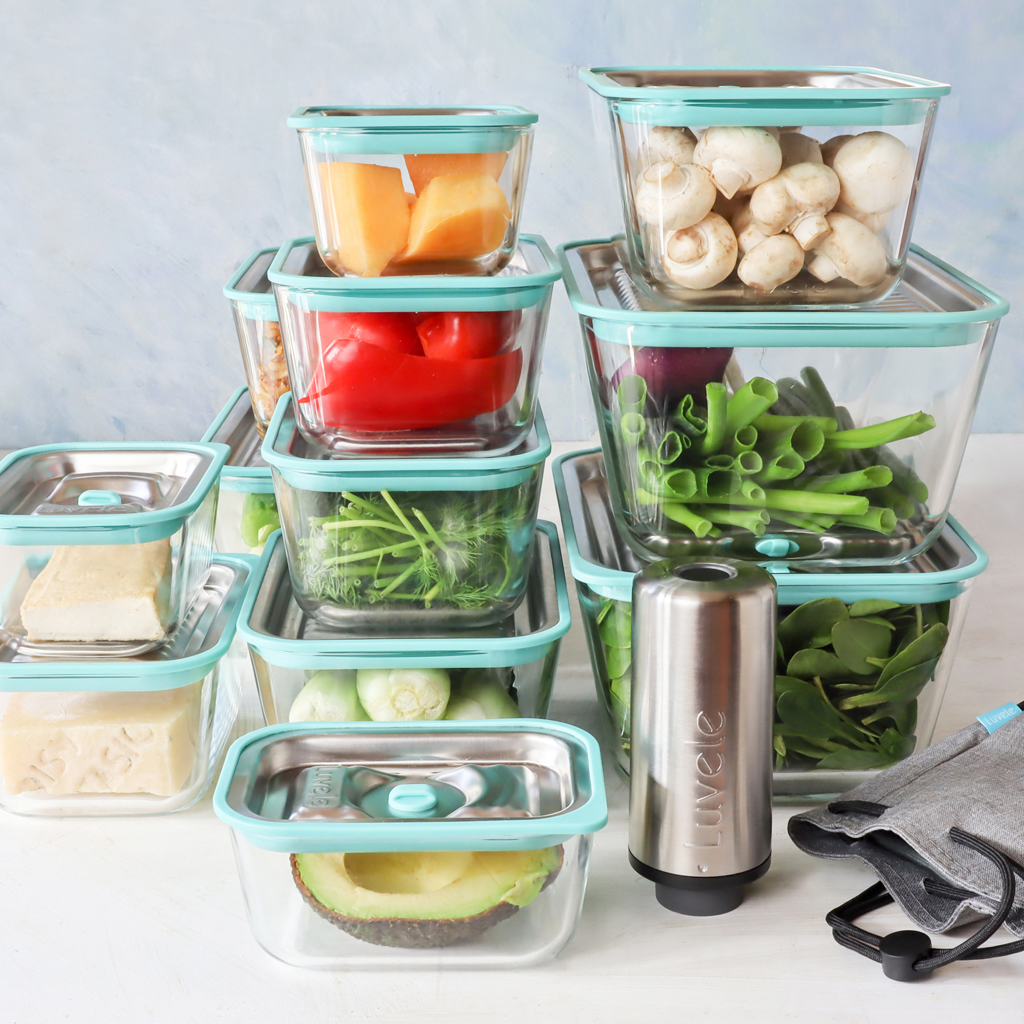
Credit: www.luvele.com
How Vacuum Sealers Work
A vacuum sealer removes air from a bag or container, then seals it tightly. There are two main types: external vacuum sealers and chamber vacuum sealers.
| Feature | External Sealer | Chamber Sealer |
|---|---|---|
| Best For | Home use, small batches | Heavy-duty, liquid-rich foods |
| Price | Lower | Higher |
| Can Seal Liquids? | No | Yes |
| Bag Types | Embossed bags | Smooth or embossed bags |
For most people, an external vacuum sealer is enough for everyday food storage. Chamber sealers are better for serious cooks, hunters, or people sealing large quantities and liquids.
Types Of Foods You Can Vacuum Seal
Vacuum sealers work for many foods, but some need special care. Here’s a quick look at what you can and can’t seal easily:
| Food Type | Can Vacuum Seal? | Special Tips |
|---|---|---|
| Meat & Poultry | Yes | Pre-freeze raw meats to avoid liquid mess |
| Vegetables | Yes | Blanch before sealing for best results |
| Fruits | Yes | Freeze soft fruits first to keep shape |
| Cheese | Yes | Cut into blocks; avoid blue cheese |
| Bread | Yes | Freeze first to avoid crushing |
| Liquids | Yes (with chamber sealer) | Freeze in tray before sealing if using external sealer |
| Leafy Greens | Yes | Use pulse setting to avoid crushing |
| Powders | Not Recommended | Can be sucked into machine |
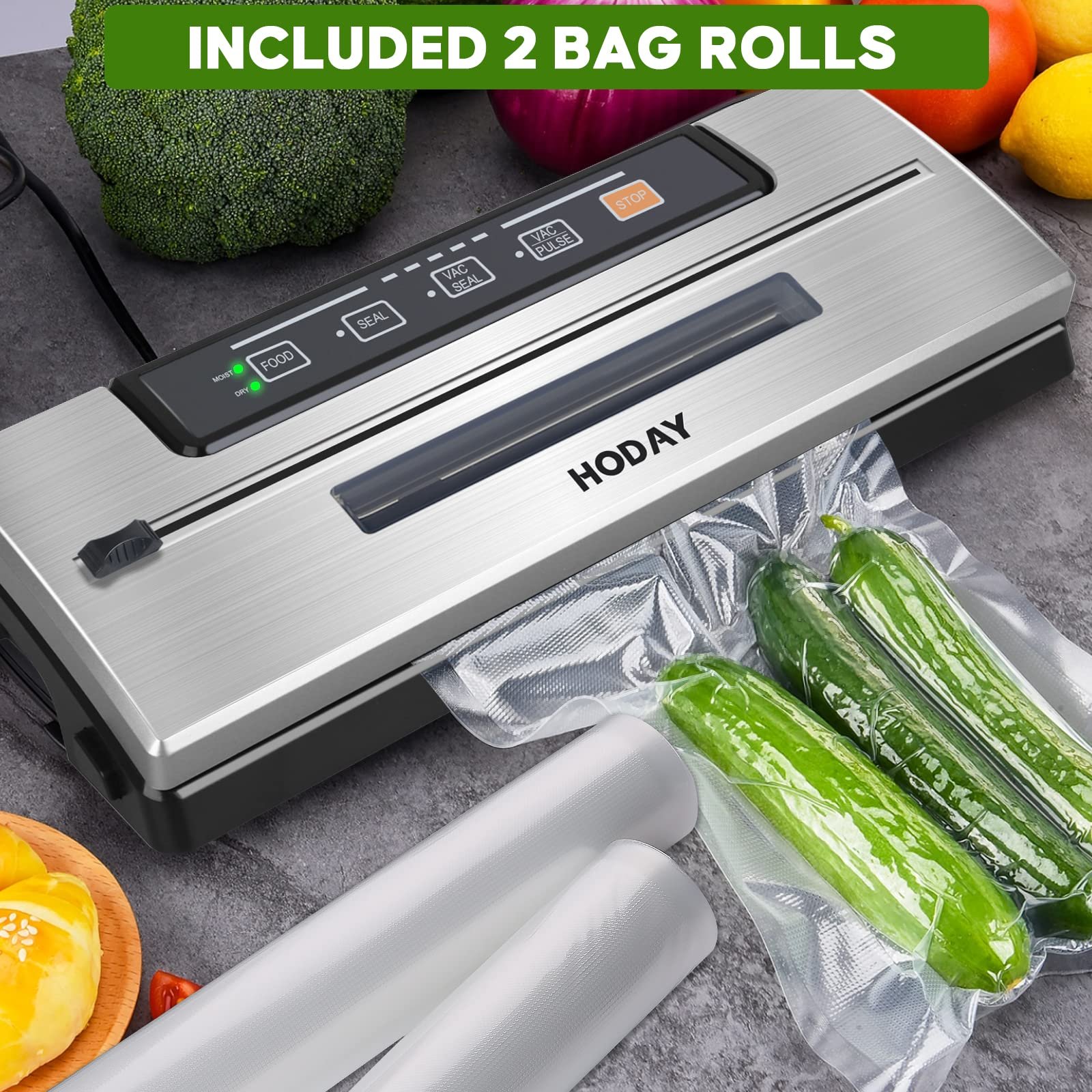
Credit: www.fiberforce.it
Practical Tips For Best Results
Getting the most from your vacuum sealer takes a few helpful habits.
- Label Everything: Write the date and contents on each bag. This prevents mystery packages and keeps your freezer organized.
- Don’t Overfill Bags: Leave some space at the top so the seal is strong.
- Pre-Freeze Wet Foods: Liquids or juicy items can be messy. Freeze them first, then seal.
- Use Quality Bags: Cheap bags may leak. Use bags made for vacuum sealing for best results.
- Check Seals: After sealing, make sure the bag is airtight and there are no wrinkles at the seal.
A common mistake is vacuum sealing hot food. Always let food cool first, or steam and moisture can weaken the seal or cause bacteria to grow.
Surprising Benefits You Might Not Expect
Many new users miss these less obvious benefits:
- Marinating in Minutes: Vacuum sealing opens up the pores of meat or vegetables, so marinades soak in faster. Instead of hours, you can get deep flavor in 20-30 minutes.
- Protects Against Pantry Bugs: Vacuum sealing dry goods like rice, flour, or pasta helps keep out insects that ruin food.
- Emergency Food Storage: Sealed foods last much longer in case of a power outage or disaster. This is why preppers and outdoor fans love vacuum sealers.
Comparing Vacuum Sealing To Other Methods
How does vacuum sealing stack up against other storage options? Here’s a quick overview:
| Method | Shelf Life (Freezer) | Protection from Air | Prevents Freezer Burn |
|---|---|---|---|
| Plastic Wrap | 6-12 months | Low | Poor |
| Zip Bags | 6-12 months | Medium | Fair |
| Vacuum Sealing | 2-3 years | Very High | Excellent |
| Glass Containers | 6-12 months | Medium | Poor |
Clearly, vacuum sealing gives the best protection and longest storage for most foods.
Safety And Food Quality
Vacuum sealing slows spoilage but does not make food safe forever. Perishable foods should still be kept cold. Botulism bacteria can grow without air, so always store vacuum-sealed foods in the fridge or freezer unless they are shelf-stable.
It’s also important to check the seal after storage. If air has entered, use the food soon or reseal it.
When Vacuum Sealing May Not Be Right
Some foods don’t do well when vacuum sealed. Soft cheeses (like brie or blue cheese), mushrooms, and garlic can spoil or even develop harmful bacteria if vacuum sealed and kept at room temperature. These should be used quickly or stored carefully in the fridge.
Real-world Examples
- A family buys a large pack of chicken breasts. By vacuum sealing and freezing, they use them over three months with no loss in quality.
- A gardener seals summer berries and vegetables, enjoying them in winter just as fresh as when picked.
- Coffee lovers seal beans in small batches, opening only what they need each week for the best flavor.
These examples show how vacuum sealing fits into everyday life, making food storage easier and more reliable.

Credit: www.universalplastic.com
Where To Learn More
For deeper information on food storage safety and guidelines, check out the U.S. FoodSafety.gov resource. It offers trusted advice on how long different foods can be stored safely.
Frequently Asked Questions
How Long Does Vacuum-sealed Food Last Compared To Regular Storage?
Vacuum-sealed foods last 3-5 times longer than those stored in regular bags or containers. For example, vacuum-sealed meat can last 2-3 years in the freezer, while normal packaging keeps it for about 6-12 months.
Can I Vacuum Seal Cooked Food?
Yes, you can vacuum seal cooked food. Make sure it is fully cooled before sealing. Store in the fridge or freezer and reheat as needed.
Does Vacuum Sealing Work For All Types Of Food?
Most foods can be vacuum sealed, but some (like soft cheeses, mushrooms, and garlic) may not be safe unless kept cold. Always check if a food is suitable for vacuum sealing and storage.
Is A Vacuum Sealer Worth Buying For Small Households?
Even for singles or couples, a vacuum sealer can help save money and reduce waste. You can portion bulk buys, keep leftovers, and store seasonal produce efficiently.
Can Vacuum Sealing Prevent All Food Spoilage?
Vacuum sealing greatly slows down spoilage but does not stop it completely. Always keep perishable foods in the fridge or freezer and follow safety guidelines for best results.
Vacuum sealing is a simple but powerful way to keep food fresh, save money, and organize your kitchen. With the right habits, you can enjoy better-tasting meals and less waste all year round.
