
Choosing the right bed sheets can make a big difference in how well you sleep. One detail that many people overlook is the pocket depth of their bed sheets. This small measurement decides if your sheets fit snugly or keep slipping off. If you’ve ever woken up to a messy bed or had to fix the corners of your sheets often, you know how annoying it can be. Understanding pocket depth will save you time, money, and frustration.
Let’s explore how to choose the best pocket depth for your bed sheets. We’ll cover what pocket depth means, how to measure your mattress, the different types of pocket depths, and practical tips that go beyond the basics. By the end, you’ll feel confident picking sheets that actually fit your bed.
What Is Bed Sheet Pocket Depth?
Pocket depth refers to the height of the fitted sheet’s corners. This measurement tells you how deep a mattress the sheet can cover and still stay secure. If your mattress is thick or has a topper, regular sheets might not reach around the corners. The pocket depth is not the same as the sheet size (twin, queen, king). Two queen-size mattresses can have very different thicknesses, so a “queen” sheet can fit well or be too small, depending on the pocket depth.
Most fitted sheets have elastic around the edge, but if the pocket is too shallow, the elastic will pop off the corners. If the pocket is too deep, the sheet can bunch up or feel loose. That’s why it’s important to match the sheet pocket depth to your mattress thickness.
Why Pocket Depth Matters
A common mistake is to buy sheets based only on mattress size. Many people don’t consider how thick their mattress really is. Mattress thickness can range from about 6 inches for simple foam mattresses to over 18 inches for luxury pillow-top beds.
Add a mattress topper or pad, and the height increases even more.
If your fitted sheet is too shallow:
- It will slip off at night.
- The elastic may break faster.
- Your bed will look untidy.
If your fitted sheet is too deep:
- The sheet will wrinkle and bunch.
- You might feel extra fabric under you.
- It can make the bed feel less comfortable.
Proper pocket depth means your sheet stays in place and looks smooth. This detail can affect sleep quality and how long your sheets last.
Credit: www.amazon.com
How To Measure Your Mattress For Pocket Depth
To choose the right fitted sheet, you need to know your mattress’s true height. Here’s how to do it:
- Remove all bedding. Take off sheets, blankets, and comforters.
- Include all layers. If you use a mattress topper, pad, or protector, leave them on.
- Measure from bottom to top. Use a hard ruler or measuring tape. Start at the lowest point of the mattress (where it sits on the bed base) and measure up to the highest point, including any toppers.
- Check all sides. Some mattresses are thicker at the edges or in the center. Measure at a few points and use the largest height.
Write down this number in inches. This is the minimum pocket depth you need. Some experts suggest adding an extra 1-2 inches, especially if you like a tighter fit or if your sheets might shrink.
For example, if your mattress (with topper) is 13 inches high, look for sheets with at least a 14 or 15 inch pocket depth.
Common Pocket Depth Sizes
Bed sheets come in several standard pocket depths. Here’s what you’ll usually find in stores:
| Pocket Depth | Fits Mattress Height | Common Names |
|---|---|---|
| Standard (7-12″) | 7-12 inches | Standard, Regular |
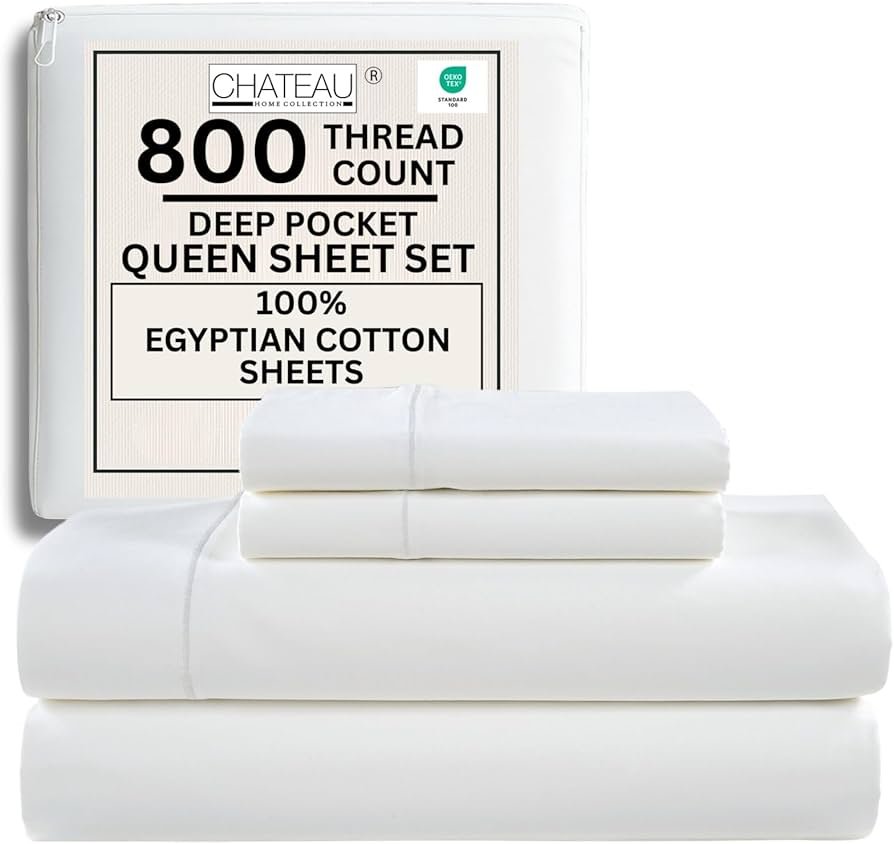
| Deep (13-17″) | 13-17 inches | Deep Pocket |
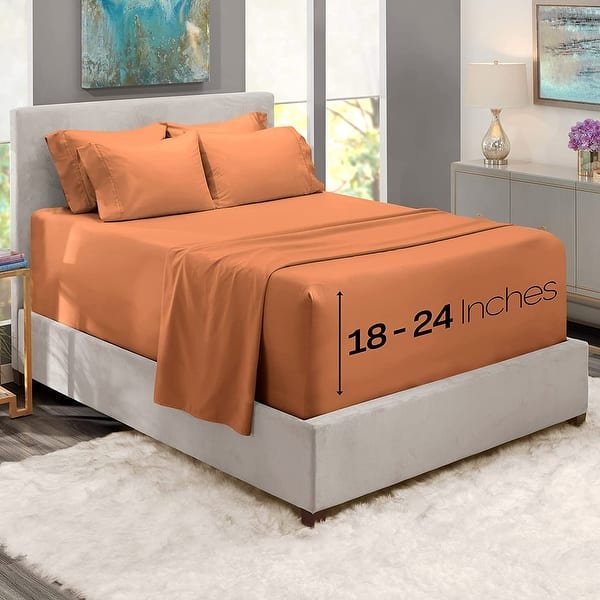
| Extra Deep (18-24″) | 18-24 inches | Extra Deep Pocket |
Standard pocket sheets fit most basic mattresses. If you have a memory foam bed, a basic spring mattress, or a thin guest bed, these often work well.
Deep pocket sheets are for mattresses with plush tops, thick memory foam, or built-in pillow tops.
Extra deep pocket sheets are for mattresses with several layers, thick toppers, or adjustable beds that need more fabric to stay in place.
Credit: www.bedbathandbeyond.com
How To Match Sheet Pocket Depth To Your Mattress
Now that you know your mattress thickness, compare it to the pocket depths above. Always choose a sheet with a pocket depth equal to or slightly more than your mattress height.
For example:
- Mattress height: 10″ → Standard pocket (fits 7-12″)
- Mattress height: 15″ → Deep pocket (fits 13-17″)
- Mattress height: 21″ → Extra deep pocket (fits 18-24″)
If your mattress is between sizes, go for the deeper pocket. It’s better for a sheet to be slightly loose than too tight.
Pocket Depth And Sheet Shrinkage
Most fitted sheets shrink a little after washing—especially cotton and linen. A sheet that fits perfectly when new might get too small after a few washes. Here are some tips:
- Choose a pocket depth 1-2 inches larger than your mattress if the fabric is 100% cotton.
- Pre-washed or pre-shrunk sheets shrink less, but always check the label.
- Synthetic fabrics (like polyester) shrink less than natural fibers.
If you want a snug fit, look for sheets with a little stretch, or elastic all the way around (not just at the corners).
Different Mattress Types And Their Impact
Mattress types affect which pocket depth you need. Here’s a comparison for clarity:
| Mattress Type | Typical Height | Recommended Pocket Depth |
|---|---|---|
| Basic Foam | 6-10 inches | Standard |
| Hybrid | 10-14 inches | Standard/Deep |
| Pillow Top | 14-18 inches | Deep/Extra Deep |
| Adjustable | Varies (often 12-20 inches) | Deep/Extra Deep |
Adding a mattress topper or pad will increase the required pocket depth. Always measure after adding any extra layers.
Other Details To Consider
Choosing the right pocket depth is not just about numbers. Consider these often-missed points:
- Sheet construction: Some fitted sheets have elastic only at the corners, while others have elastic around the full edge. Full elastic gives a more secure fit, especially for deeper pockets.
- Fabric stretch: Jersey or some blends stretch more than crisp cotton. A stretchy sheet can sometimes fit a thicker mattress even with a smaller pocket depth.
- Ease of use: If you have arthritis or limited hand strength, a slightly deeper pocket is easier to put on and take off.
- Bed frame height: If your mattress sits high off the ground, a deep pocket sheet will also cover the sides, making the bed look neater.
- Sheet pattern or design: Some designs lose their look if stretched too much. Make sure the pocket depth allows the pattern to lay flat.
Mistakes To Avoid When Buying Fitted Sheets
Many buyers make the same mistakes when choosing bed sheets. Avoid these for the best results:
- Ignoring mattress additions: Forgetting to measure with toppers or pads.
- Not checking product labels: Some brands use “deep pocket” loosely. Always check the actual measurement in inches.
- Assuming all brands are the same: Pocket depth sizing is not standardized. One brand’s “deep” may be another’s “standard.”
- Overlooking sheet shrinkage: Not accounting for possible shrinking after washing.
- Focusing only on price: Cheap sheets often have weaker elastic that slips off easily, even if the pocket is deep enough.
- Buying too deep: Extra deep pockets can be annoying if your mattress is thin, making your bed messy.
Real-life Examples
Let’s say you have a new pillow-top mattress with a 16-inch height and a 2-inch memory foam topper. Total thickness: 18 inches.
- Standard pocket sheets (up to 12″): Will not fit, corners will pop off.
- Deep pocket sheets (up to 17″): May barely fit, but likely too tight.
- Extra deep pocket sheets (up to 22″): Best choice, offers a little extra room for shrinkage.
Another example: You have a guest bed, 8 inches thick, no topper.
- Standard pocket sheets: Perfect fit.
- Deep or extra deep: Too loose, may bunch up.
Credit: mulberryparksilks.com
How To Read Sheet Packaging And Labels
Sheet packaging often highlights pocket depth with terms like “deep” or “extra deep,” but always look for the number in inches. If it’s not listed, check the brand’s website or ask the seller.
Some brands list “fitted sheet fits mattresses up to 16 inches. ” Others simply say “deep pocket. ” If you’re unsure, choose a brand that gives specific measurements.
Comparing Sheet Brands And Sizing Differences
Brands use pocket depth terms differently. Here’s a quick comparison:
| Brand | Standard Pocket Depth | Deep Pocket Depth | Extra Deep Pocket Depth |
|---|---|---|---|
| Brand A | 10 inches | 15 inches | 22 inches |
| Brand B | 12 inches | 16 inches | 20 inches |
| Brand C | 11 inches | 17 inches | 24 inches |
As you can see, the same term can mean different things. Always check the numbers, not just the words.
Non-obvious Insights Most People Miss
- Mattress corners are sometimes higher than the middle. Always measure at the corners—this is where the sheet needs to stretch the most.
- Mattress protectors and encasements add height. If you use a waterproof protector or allergy cover, add that thickness to your measurement. Many people forget, and then the sheets don’t fit.
Practical Buying Tips
- Shop in person if possible, or ask for the return policy if buying online.
- Wash new sheets before trying them on your bed. This helps you check the fit after any shrinking.
- If you have an unusual mattress size, consider custom sheets.
- Look for sheets labeled with “full elastic” for a better fit.
- For adjustable beds, make sure the pocket depth allows movement without popping off.
Where To Find Reliable Information
For more details about pocket depth and mattress sizing, you can check Wikipedia’s bed sheet guide. This source explains bedding types, sheet sizing, and history.
Frequently Asked Questions
What Is The Difference Between Deep Pocket And Extra Deep Pocket Sheets?
Deep pocket sheets usually fit mattresses between 13 and 17 inches high. Extra deep pocket sheets are designed for mattresses 18 inches or thicker. Always check the actual measurement in inches, since labels can vary between brands.
Do All Fitted Sheets Shrink After Washing?
Most natural fiber sheets (like 100% cotton) shrink a little after washing and drying, sometimes by 1-2 inches. Synthetic materials like polyester shrink less. Pre-washed sheets shrink less, but always check the care label for details.
What If My Mattress Height Is Between Two Pocket Sizes?
Choose the larger pocket depth. For example, if your mattress is 13 inches, pick a 15 or 16 inch pocket. A slightly looser fit is easier to handle and less likely to pop off than one that is too tight.
Can I Use Deep Pocket Sheets On A Thin Mattress?
You can, but the sheets may not fit tightly. This can cause bunching or wrinkling. If possible, use sheets that closely match your mattress height for a smooth look and feel.
How Do I Keep Fitted Sheets From Slipping Off?
Make sure your sheet’s pocket depth matches your mattress height, including any toppers or protectors. Look for sheets with full elastic. If sheets still slip, sheet straps or corner holders can help keep them in place.
Choosing the right bed sheet pocket depth makes your bed more comfortable and your sleep more restful. Measure carefully, check labels, and don’t be afraid to spend a little extra time finding the perfect fit. Your future self will thank you every morning.