
If you want to change the look of your room, you might wonder: should you use a tapestry or choose wall art? Both can make your space feel different, show your style, and even change the mood of the whole room. But which one is right for you? The answer depends on many things—your taste, the size of your wall, your budget, and even how much you want to clean and care for your décor.
Let’s explore what tapestries and wall art really are, how they look in different settings, and what makes each one special. By the end, you’ll know exactly which option suits your space and personality best.
What Is A Tapestry?
A tapestry is a piece of fabric, usually woven or printed, that you hang on your wall. Tapestries were first used hundreds of years ago, often telling stories or showing important events. Today, they come in many designs, from traditional patterns to modern art.
Some common features of tapestries:
- Made from cotton, wool, or synthetic materials
- Soft and lightweight
- Often have intricate patterns or bold prints
- Easy to hang—usually with a rod, hooks, or even push pins
- Can cover a large wall area
What Is Wall Art?
Wall art is a broad term. It includes paintings, prints, photographs, and sometimes even sculptures or 3D pieces. Wall art is usually firm—on a canvas, frame, or board.
Common types of wall art include:
- Framed posters or prints
- Canvas paintings
- Photographs in frames
- Metal, wood, or acrylic art pieces
- Gallery walls (a collection of small artworks)
Wall art can be large or small, simple or complex, and made from many different materials.
Visual Impact: Which Stands Out More?
When you want your room to make a statement, the visual impact is key. Both tapestries and wall art can look stunning, but they create different effects.
Tapestries: Big, Bold, And Soft
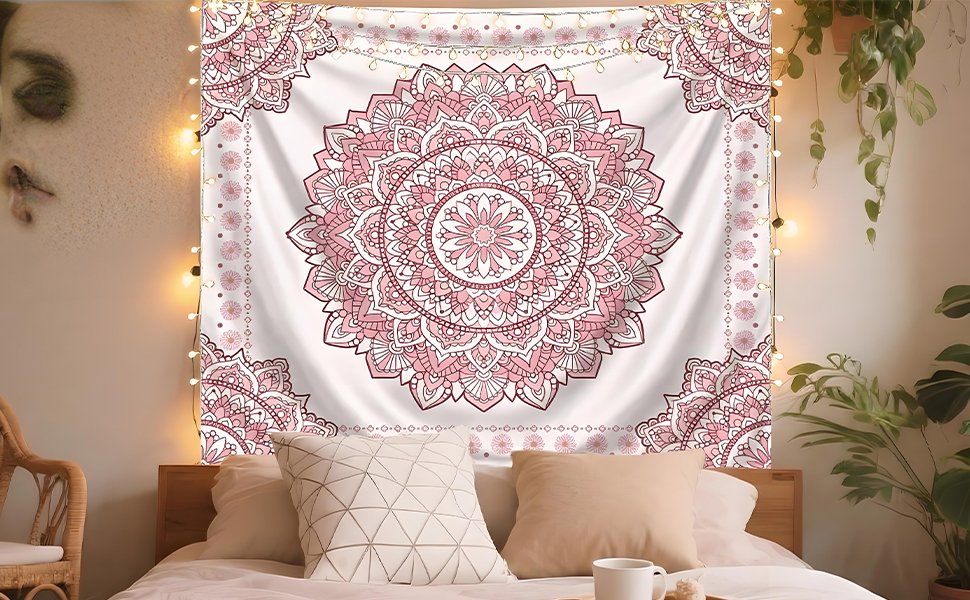
A tapestry often covers a large part of the wall. The fabric gives a soft, flowing look, which can make a room feel cozy and warm. Because tapestries are often large, they quickly become a focal point. If you want one big piece to draw the eye, a tapestry is a strong choice.
Wall Art: Sharp, Defined, And Versatile
Wall art is usually smaller and framed. This creates clear lines and a finished look. You can hang one big painting or many small pieces to fill the space. Wall art can look elegant, modern, or traditional, depending on the style. It’s great if you want to show off more than one piece or create a gallery wall.
Style And Mood: How Each Option Shapes Your Space
The style and mood you want will affect your choice. Tapestries and wall art send different signals.
- Tapestries bring a relaxed, bohemian, or cozy feeling. They often work well in bedrooms, living rooms, or spaces where comfort matters.
- Wall art can look formal, modern, or classic. It fits well in offices, dining rooms, or any space where you want a polished look.
If you want to mix and match styles, consider using both. A tapestry behind a bed and framed art on other walls can work well together.
Comparing Materials And Durability
Choosing between a tapestry and wall art is not just about looks. The materials and how long they last matter too. Here’s a side-by-side comparison:
| Feature | Tapestry | Wall Art |
|---|---|---|
| Main Material | Fabric (cotton, wool, polyester) | Canvas, wood, metal, paper |
| Durability | Can fade or tear over time; easy to wash | Long-lasting; may need dusting and care |
| Weight | Light | Usually heavier |
| Installation | Simple; hang with hooks or pins | Needs nails, screws, or strong hooks |
A tapestry is easier to move and pack, so it’s great for renters or students. Wall art is more permanent and often stays in one place.
Cost: Which Is More Affordable?
Budget is important for most people. The good news: both tapestries and wall art have options for every wallet. But there are some differences.
Tapestries: Budget-friendly Options
You can find small printed tapestries for under $20. Larger, more detailed ones can go up to $100 or more. Handmade or vintage tapestries are more expensive, but most people find something affordable.
Wall Art: Wide Price Range
Wall art prices vary a lot. Prints and posters can be cheap—sometimes $10 to $50. Original paintings or limited-edition prints can cost hundreds or even thousands. Frames add to the price, especially for large pieces.
Here’s a quick comparison:
| Size | Tapestry (Average Cost) | Wall Art (Average Cost) |
|---|---|---|
| Small (up to 24”) | $15–$30 | $10–$100 |
| Medium (24–48”) | $30–$60 | $50–$300 |
| Large (over 48”) | $50–$150 | $100–$1000+ |
Non-obvious insight: Some people forget to include the cost of frames for wall art. A simple frame for a large piece can cost as much as the art itself!
Credit: www.amazon.com
Maintenance: Cleaning And Care
How much work do you want to do to keep your décor looking fresh? This is where tapestries and wall art are very different.
Tapestries: Easy To Wash
Most modern tapestries can go in the washing machine, or you can hand-wash them. If you move often, or if you want to switch designs with the seasons, tapestries are easy to change and clean. But be careful—direct sunlight can fade the colors over time.
Wall Art: Dust And Damage
Wall art, especially canvases and frames, needs dusting. Some materials, like glass or metal, show fingerprints. If you have expensive art, you might need special cleaners. Water or too much sun can damage paper and canvas art.
Beginner mistake: Many people hang art where the sun hits it directly. This can fade both tapestries and wall art, but fabrics are usually more sensitive.
Space And Size: Making The Right Choice
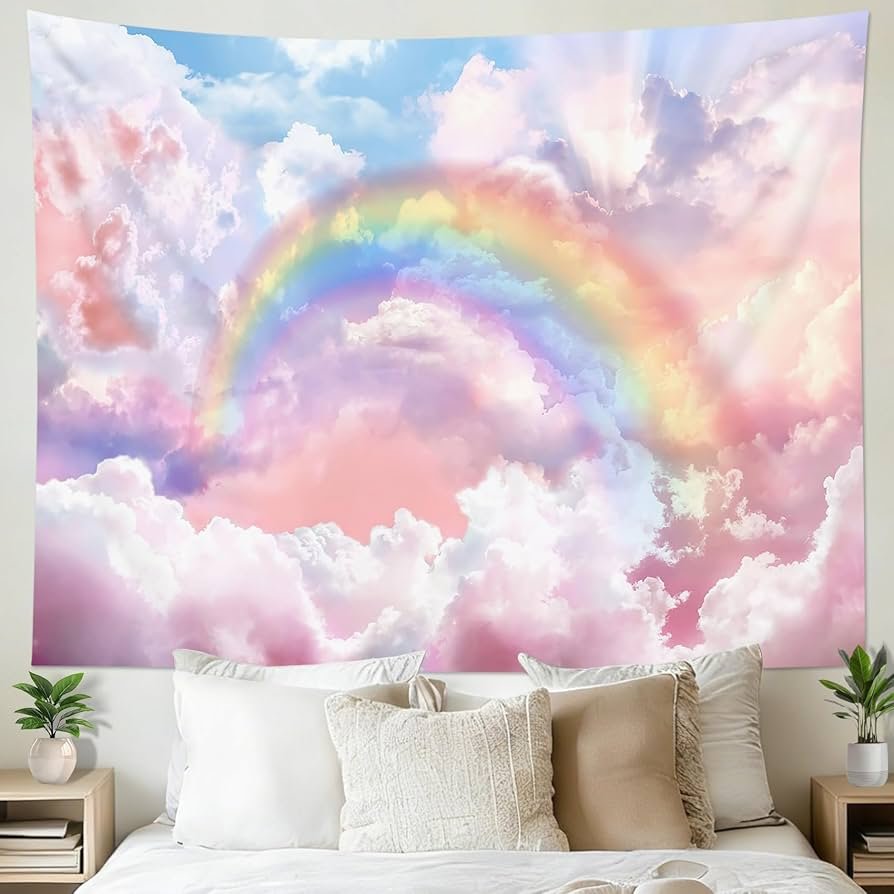
Think about your wall size and the space you have. Tapestries are great for large, empty walls. They fill a space quickly, so you don’t need to buy many small pieces.
Wall art is more flexible for smaller spaces. You can hang one painting or mix several sizes. For hallways or above furniture, wall art often works better.
Here’s a scenario: If your room has high ceilings and looks empty, a tapestry can make it feel more full and warm. In a small apartment, a few pieces of wall art might be enough.
Credit: www.amazon.com
Customization And Personal Touch
If you want something unique, both tapestries and wall art offer custom options. But the process is a bit different.
- Tapestries: You can order printed tapestries with your own photos or designs. Some artists make hand-woven tapestries for a one-of-a-kind look.
- Wall art: Many artists sell custom paintings or prints. You can even print your own photos on canvas.
Non-obvious insight: Custom tapestries often cost less than custom canvas art, especially for large sizes.
Changing Trends: Which Is More Timeless?
Design trends change, but some looks last longer. Wall art is often seen as more “classic,” especially paintings or black-and-white photos. Tapestries are linked to bohemian, vintage, or global styles. However, modern tapestries with abstract prints are becoming popular.
If you want something that won’t go out of style, simple wall art in neutral colors is a safe bet. But if you love bold, colorful looks, a tapestry can make your space feel special.
Practical Tips For Choosing The Right Option
- Check your wall size. If it’s a big, blank wall, a tapestry is an easy way to fill it.
- Think about your lifestyle. If you move often, tapestries are lighter and easier to pack.
- Budget carefully. Remember to include the cost of frames for wall art.
- Consider cleaning needs. Tapestries are simple to wash, while wall art may need more care.
- Mix if you want! You don’t have to choose just one. A tapestry and a few art pieces can look great together.
Real-life Examples
- A college student in a dorm room often picks a tapestry because it’s cheap, easy to hang, and covers ugly walls.
- A professional office might use framed art to create a smart, stylish look.
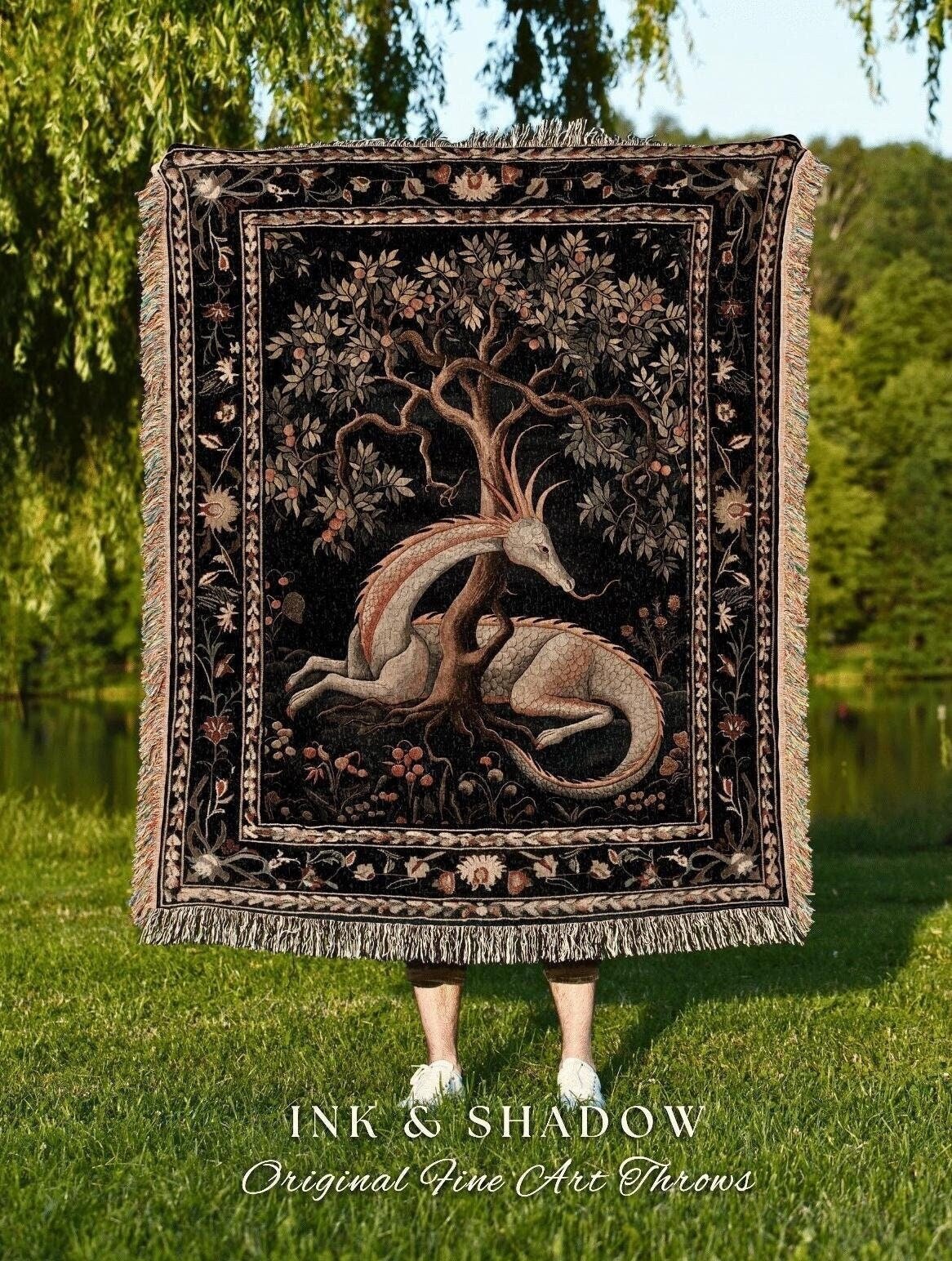
- Many people decorate their living rooms with both: A tapestry as a background, then layer smaller framed photos or prints in front.
Credit: inkandshadowshop.com
Environmental Impact
If you care about the environment, think about the materials. Most tapestries use less wood and glass than framed art. Some are even made from recycled fabric. On the other hand, if you buy cheap, low-quality tapestries, they might not last as long, creating more waste.
High-quality wall art, especially original pieces, can last for decades.
Aesthetics In Different Cultures
Tapestries are traditional in many parts of the world, including Europe, Asia, and Africa. They often tell stories or show cultural symbols. Wall art, especially paintings, has a strong history in Western countries. Your choice can reflect your heritage or interests.
If you want to learn more about the history and cultural meaning of tapestries, the Wikipedia page on tapestries is a great resource.
Which Looks Better: Final Thoughts
So, which looks better—tapestry or wall art? There is no single answer. It’s about what fits your space, matches your style, and feels right to you. Tapestries are bold, cozy, and easy to change. Wall art is polished, classic, and endlessly flexible. Both can be beautiful, and sometimes the best rooms use a mix of both.
If you want a quick, dramatic change, try a tapestry. For a more custom, refined look, choose wall art. And remember, you can always switch things up as your taste changes.
Frequently Asked Questions
What Is The Main Difference Between A Tapestry And Wall Art?
A tapestry is a large piece of fabric with designs or prints, while wall art includes paintings, prints, and photos, usually on canvas or in a frame. Tapestries are soft and easy to move, while wall art is more rigid and formal.
Is A Tapestry Easier To Hang Than Wall Art?
Yes, tapestries are much lighter and usually need just a few hooks, pins, or adhesive strips. Wall art often requires nails, screws, or strong hooks, especially for heavy or framed pieces.
Which Is Better For Renters Or Students?
A tapestry is often better for renters or students because it’s affordable, lightweight, and doesn’t damage walls as much as nails or screws for framed art.
How Do I Care For A Tapestry Compared To Wall Art?
Most tapestries can be washed or spot-cleaned. Wall art usually needs dusting and careful cleaning—especially if it’s a painting or has a glass frame.
Can I Use Both Tapestry And Wall Art In The Same Room?
Absolutely! Mixing a tapestry with wall art can add layers and interest to your space. Just make sure the colors and styles work well together for a balanced look.
